
#1 San Michele Cemetery, Italy
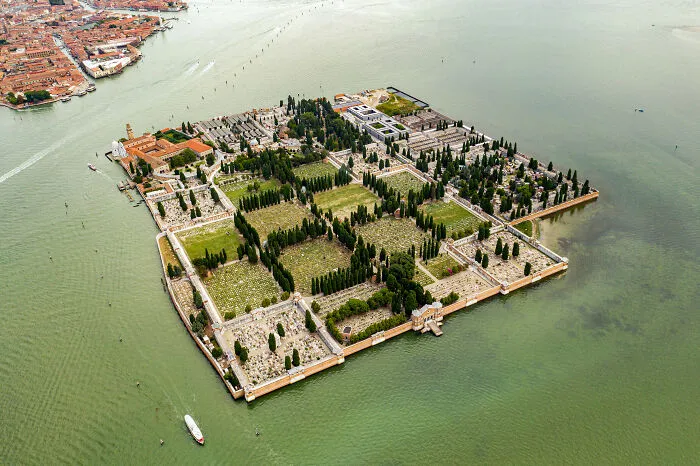
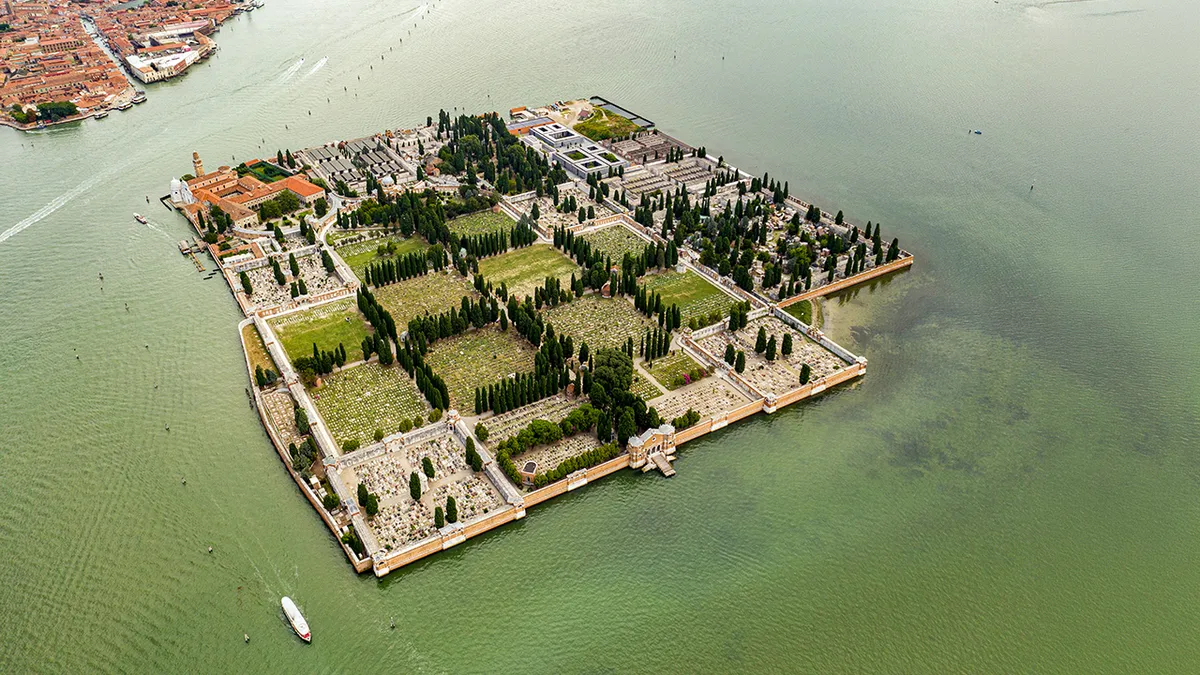
Even reaching it requires a journey across the water. In the past, funeral processions crossed the lagoon in special funeral gondolas, some lavishly decorated to reflect the status of the person being laid to rest. Today, visitors arrive by vaporetto to wander among cypress-lined paths and the graves of famous figures, including composer Igor Stravinsky, ballet impresario Sergei Diaghilev and poets Ezra Pound and Joseph Brodsky.
The most unsettling part of San Michele, however, is that rest here isn’t always permanent. With space on the small island so limited, many burial plots are only leased for a set period. Once that time runs out, the remains may be exhumed and moved to an ossuary to make room for new burials.
What ties these places together isn’t ghosts or crumbling walls. It’s the way each one holds up a mirror to the fears, beliefs and hardships of the people who came before us. A chapel decorated with human bones shows how communities once made peace with mortality. A prison cell and a hidden Cold War bunker reveal how societies tried to control crime and prepare for catastrophe. And an island once reserved for those society chose to shut away is a reminder of how stigma can reshape entire lives.
Their stories couldn’t be more different, yet each one offers a rare window into the past, whether through carefully documented history, legends passed down through generations or traditions that honored those who were lost. Visiting them isn’t just about chasing a chill. It’s about understanding the parts of history that are often left out of the guidebooks.
#2 Bodmin Jail, England
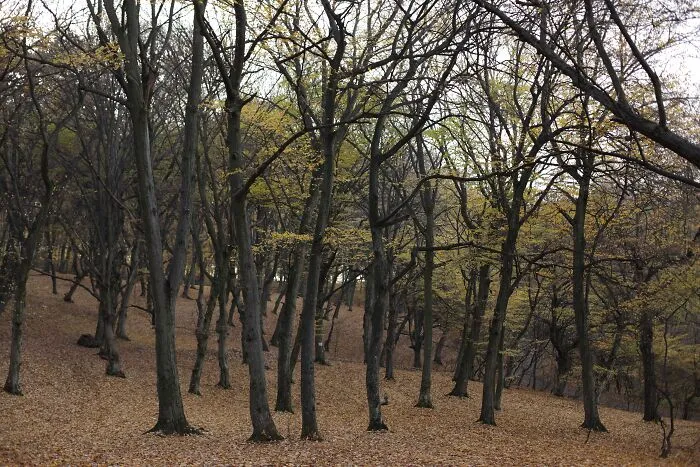
#3 Hoia-Baciu Forest, Romania
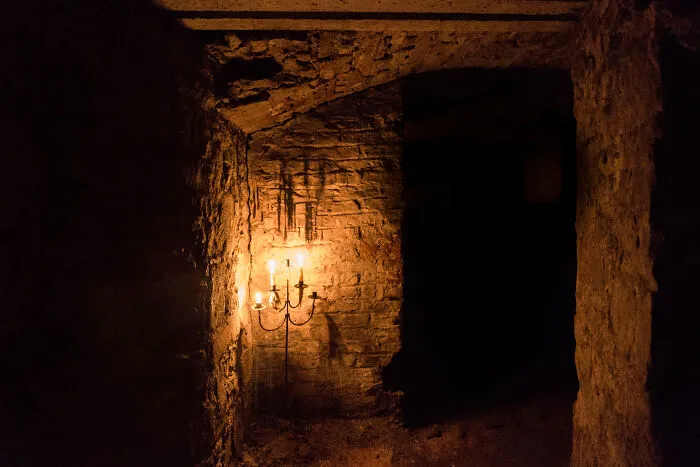
#4 The Edinburgh Vaults, Scotland
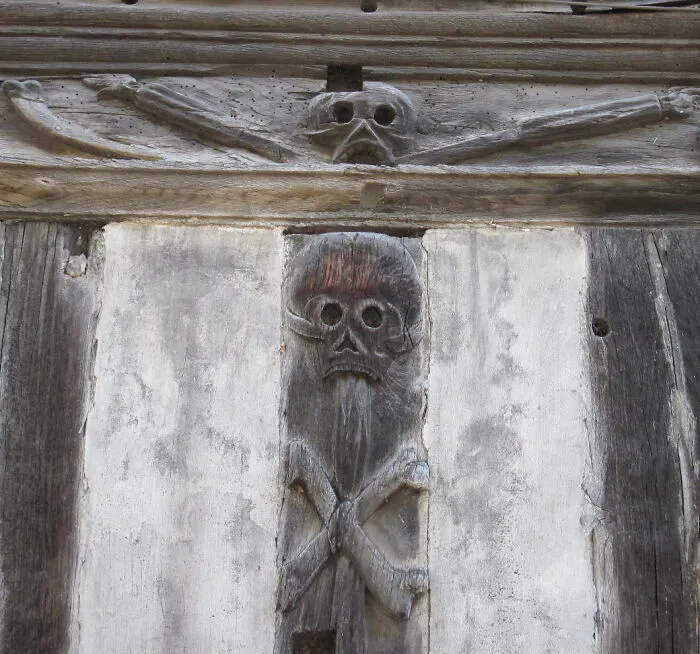
#5 Aître Saint-Maclou, France
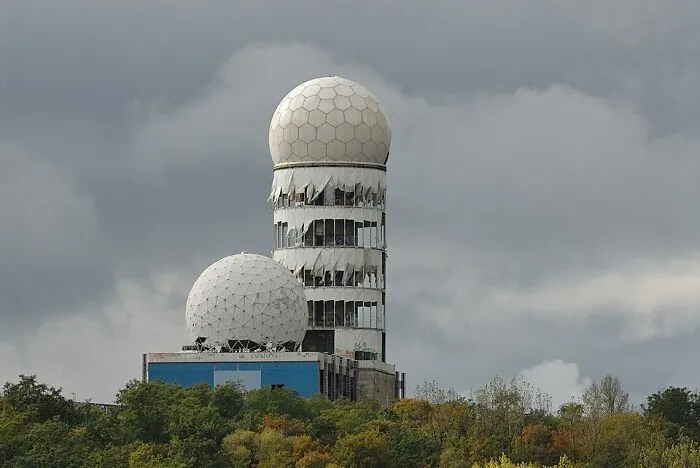
#6 Teufelsberg, Berlin, Germany
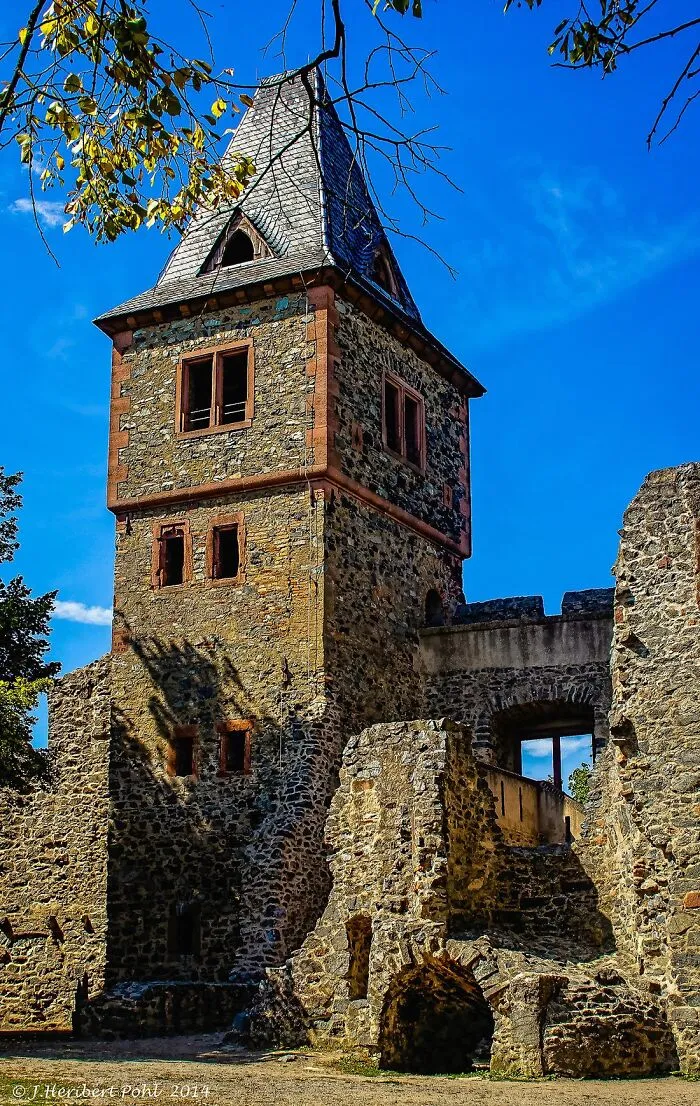
#7 Frankenstein Castle, Germany
#8 Spinalonga, Greece
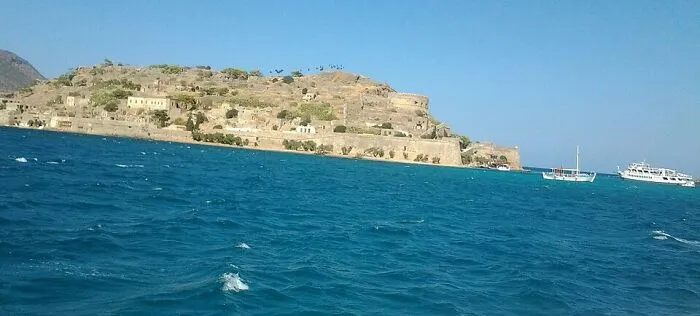
Yet despite their isolation, the residents refused to simply exist. They built lives on the island, forming friendships, falling in love and creating a community under incredibly difficult circumstances. Today, the abandoned homes, narrow streets and shared public spaces they left behind offer a moving glimpse into everyday life on the island.
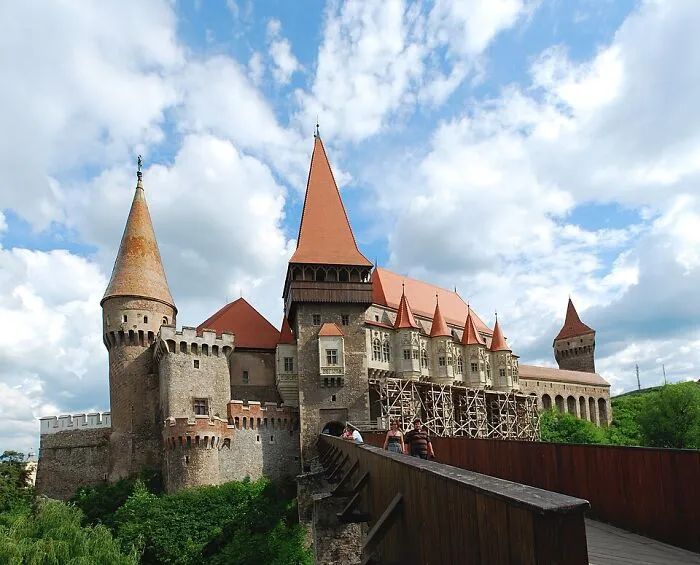
#9 Corvin Castle, Romania
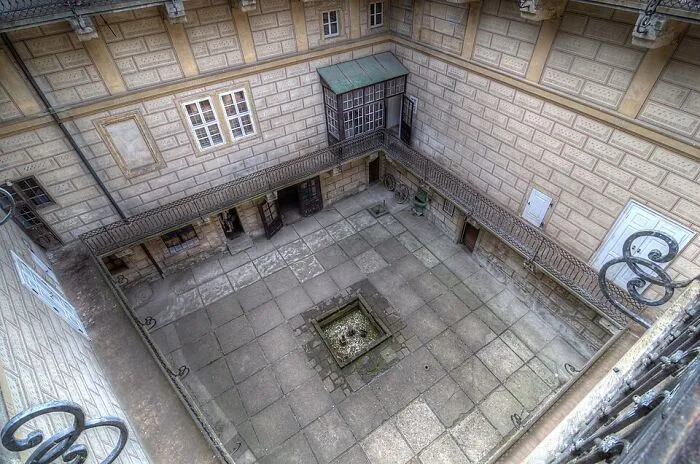
#10 Houska Castle, Czech Republic
#11 Barnton Quarry Nuclear Bunker, Scotland
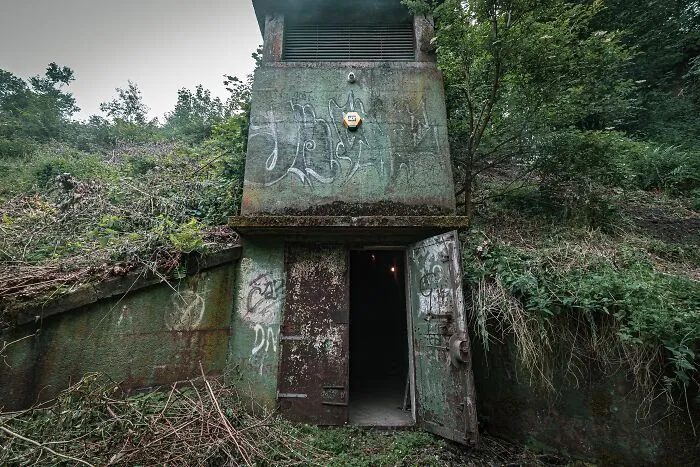
Barnton Quarry first served during World War II as part of Britain’s air defense system before becoming a secretive Cold War installation. Its underground complex was connected to the ROTOR radar network, which helped monitor potential threats from the sky, and the site was later adapted for civil defense and emergency government use. In the event of a nuclear attack, officials were expected to coordinate the country’s response from deep inside facilities like this one.
As the Cold War went on, Barnton’s existence became more widely known, and after it was abandoned, the bunker suffered years of neglect and fire damage. Restoration work has since brought it back to life, preserving a rare glimpse into a time when governments were planning for the end of the world as they knew it.
Walking through its corridors is unsettling in a quieter way than most haunted places. There are no ghosts here, only the knowledge that the bunker was built for a moment when ordinary life above ground could be wiped out in an instant. The most chilling part of the guided tour comes when visitors hear a real BBC announcement telling citizens what to do in the event of a nuclear attack.
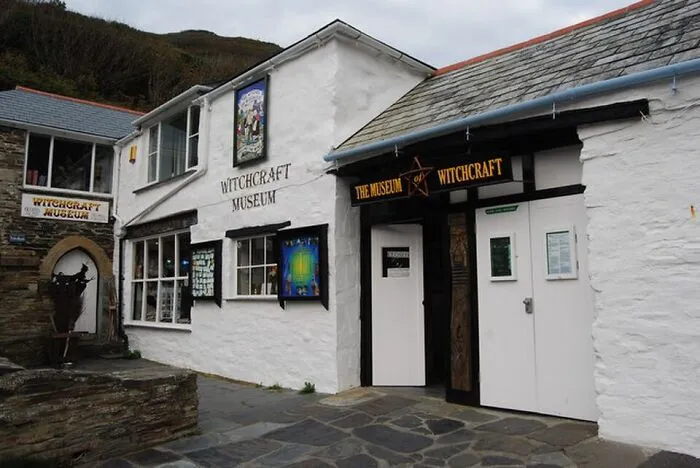
#12 The Museum Of Witchcraft And Magic, Cornwall, England
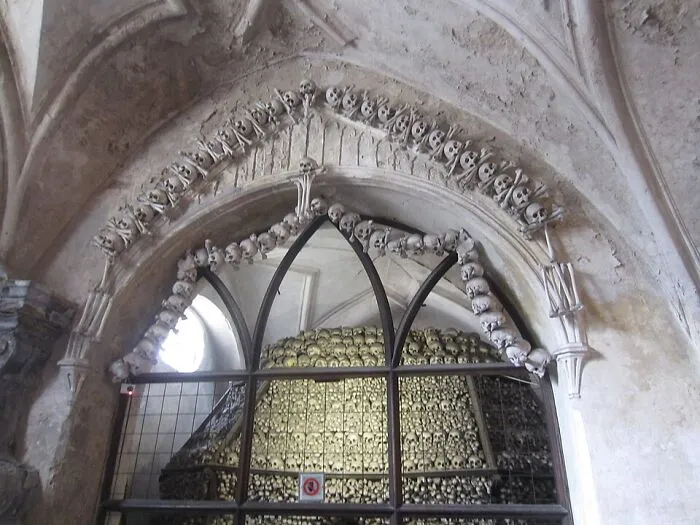
#13 Sedlec Ossuary, Czech Republic
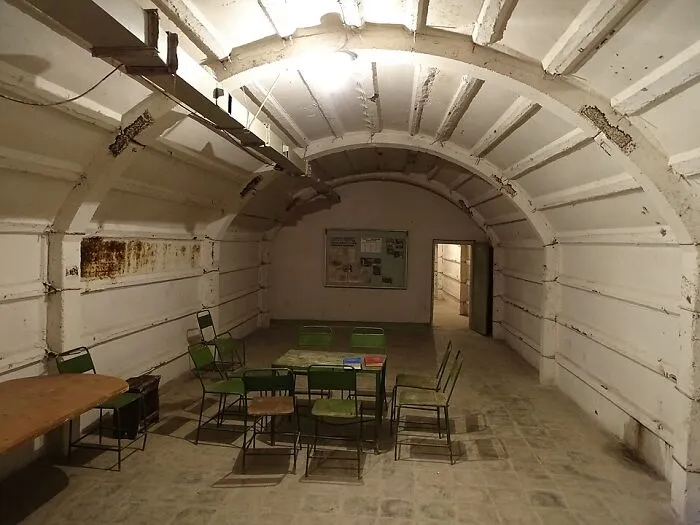
#14 The Cold War Tunnel, Gjirokastër, Albania
#15 Paris Catacombs, France