

This post may include affiliate links.
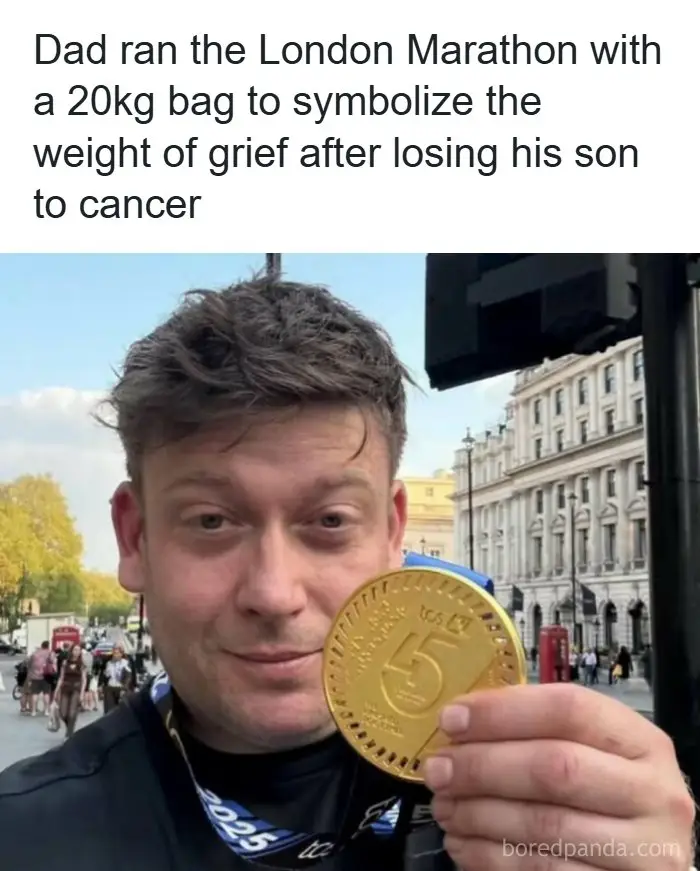
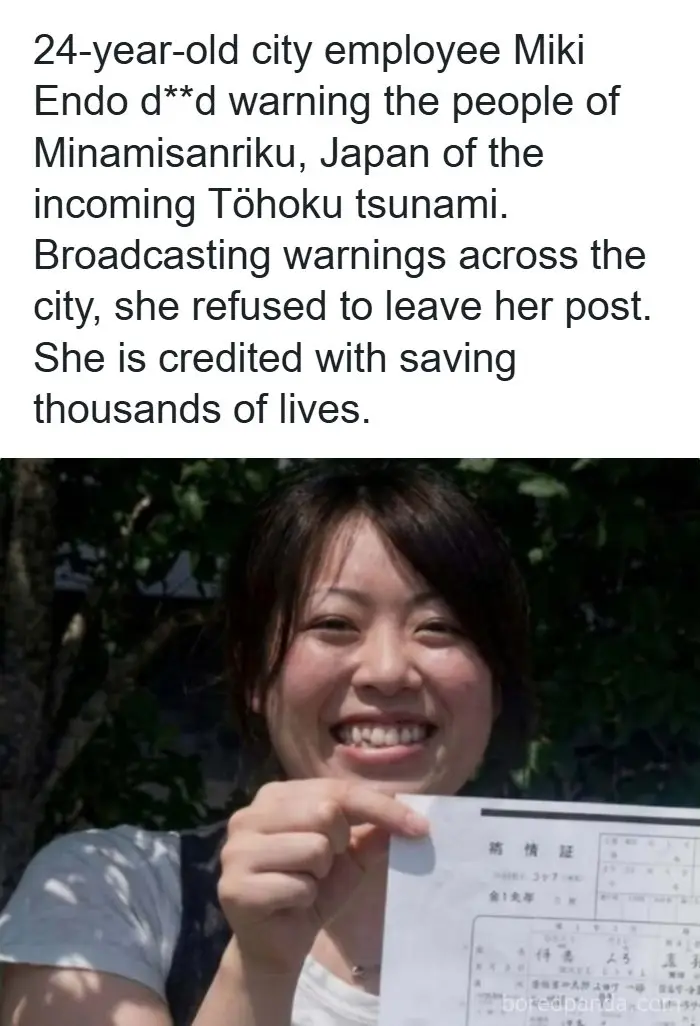

With the advent of the internet, online media has become one of the most common ways we get information about the world around us. News, social media posts, notifications, videos, and headlines are constantly competing for our attention, and much of what appears on our screens isn't necessarily something we went looking for. We might open our phones expecting to see something funny or interesting and instead find ourselves reading about a disaster, a crime, a scandal, or some other disturbing event. And while we don't have complete control over what shows up in our feeds, our brains do seem to have a particular tendency to pay attention when something feels threatening or negative. But why is that?
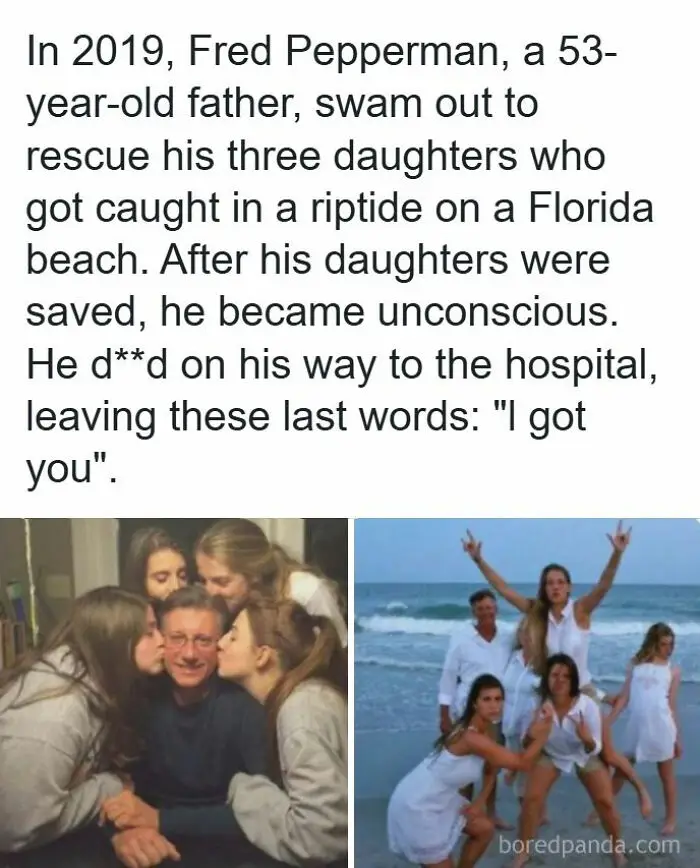

Our tendency to pay attention to bad news isn't entirely accidental; it may be connected to an evolutionary tendency known as negativity bias. Researchers have found that negative events and information can have a stronger psychological impact than equally positive ones. From an evolutionary perspective, being alert to potential threats could have been useful for survival. Early humans who quickly noticed danger may have been better equipped to avoid it, meaning our brains developed systems that make potentially threatening information difficult to ignore. That tendency may still influence how we respond to information today, making bad news particularly effective at grabbing our attention.


Neuroscientific research has also explored how the brain responds to information associated with threats and negative emotions. The amygdala plays an important role in processing emotional information and detecting potential threats, helping the brain decide when something deserves our attention. When we encounter alarming information, these systems can contribute to increased vigilance and emotional arousal. That doesn't necessarily mean every negative headline is literally putting us into survival mode, but it helps explain why a frightening or upsetting story can feel much harder to ignore than an ordinary piece of good news.


Swiss author and entrepreneur Rolf Dobelli explores this idea in his book Stop Reading the News: A Manifesto for a Happier, Calmer, and Wiser Life. After choosing to go completely news-free himself, Dobelli argues that modern news consumption takes advantage of our natural attraction to unusual, threatening, and emotionally charged events. In a 24-hour news environment, stories about disasters, conflicts, scandals, and crises can arrive continuously through websites, apps, social media, and push notifications. His broader argument isn't that people should be completely unaware of what happens in the world, but that constantly consuming an endless stream of negative information can affect how we perceive that world.


And it isn't just traditional news organizations that have learned how powerful negative information can be. Research into online behavior has found that negative language can be associated with greater engagement and sharing. Studies have also found that negative stories can generate more reactions on social media, while negative information may produce stronger physiological responses and be more memorable. In an online environment where platforms compete for people's attention, emotionally powerful content can therefore spread particularly quickly. That doesn't mean every negative story is deliberately designed to frighten us, but it does help explain why distressing stories can seem to dominate our feeds.



There is also evidence that repeatedly consuming negative headlines can influence the way people think about the world around them. In one study, researchers created neutral and negative versions of headlines for otherwise similar news stories and examined how participants responded to them. The findings suggested that exposure to more negative headlines was associated with more negative thoughts, lower levels of social trust, and less willingness to engage in helpful behavior. In other words, the effect of negative news may extend beyond the few minutes we spend reading a story—it can potentially shape how we feel about other people and society more broadly.