
To understand mutations, we need to know more about DNA. DNA is a long molecule composed of building blocks called nucleotides. Each nucleotide is built around one of four different subunits, called bases.
These bases are known as guanine, cytosine, adenine, and thymine. A gene carries information in the sequence of its nucleotides, similar to how a sentence carries information in the sequence of its letters.
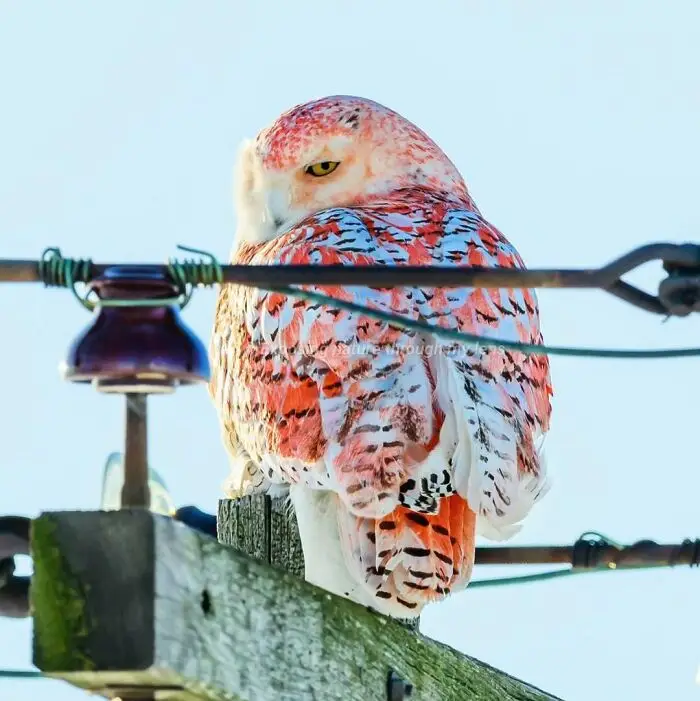
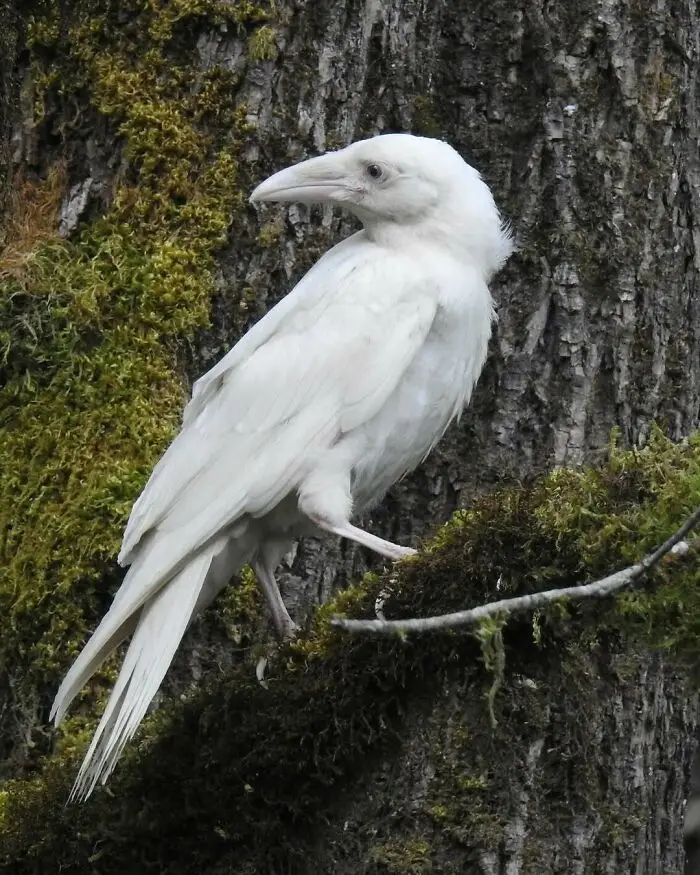
#5 This Raven’s Striking Pale Plumage Is The Result Of The Genetic Mutations Leucism Or Albinism
One type of mutation is a change to a base. This is called a point mutation, and it is like changing a letter in a word.
Genes carry instructions for making proteins, and when a base is changed in a gene, different results are possible depending on which base is altered and what it is changed into.
The gene may produce an altered protein, it may produce no protein, or it may even produce the usual protein.
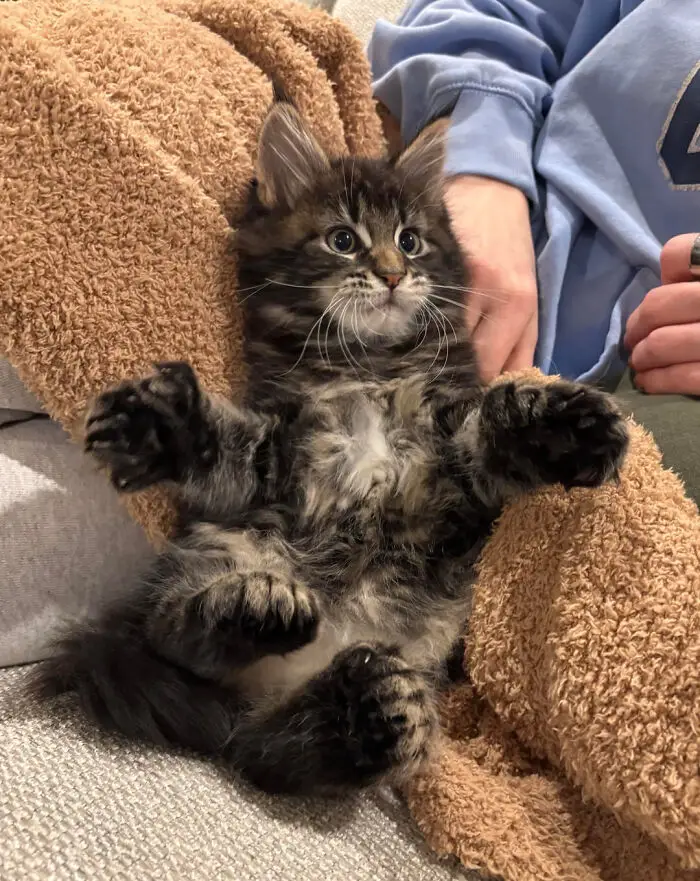
#9 My Parents Got A Maine [private part] Kitten With A Million Toes! His Name Is Chino
Another type of mutation is a chromosomal mutation. Chromosomes, located in the cell nucleus, are tiny threadlike structures that carry genes. A chromosome consists of a molecule of DNA and proteins. During these mutations, a long segment of DNA may be inserted into a chromosome, deleted from a chromosome, flipped around within a chromosome, duplicated, or moved from one chromosome to another. Such changes are usually very harmful.
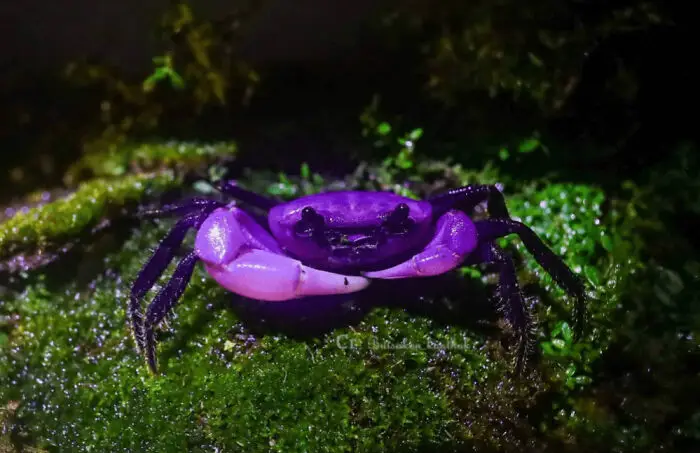
#11 Rare Royal Purple Princess Crabs Were Spotted In Kaeng Krachan National Park, Thailand
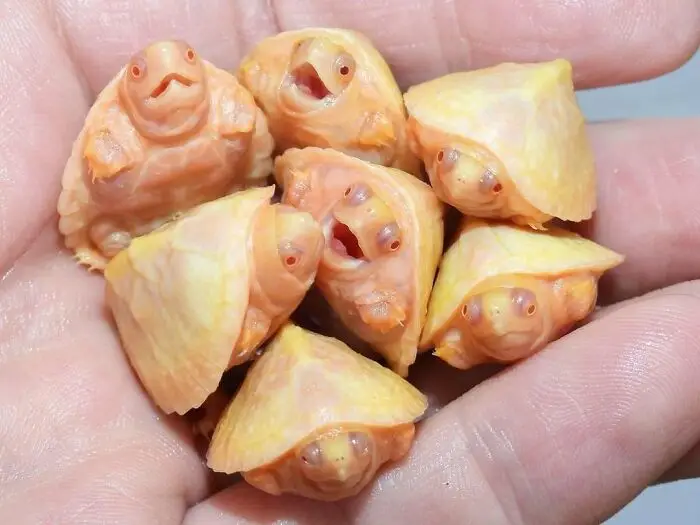
#12 Do You See Fortune Cookies, Raviolis, Or Something Else? These Are Actually Albino Razorback Musk Turtle Babies
Mutations can be inherited or acquired later in life. Those that an individual inherits from their parents are called hereditary mutations. They are present in all body cells and can be passed down to the next generation.
Some mutations are beneficial and increase the likelihood that an organism will thrive and, therefore, pass them on to its descendants. When mutations improve survival or reproduction, the process of natural selection causes them to become more common over time. When mutations are harmful, they become less common over time. In this way, mutations contribute to driving evolution.
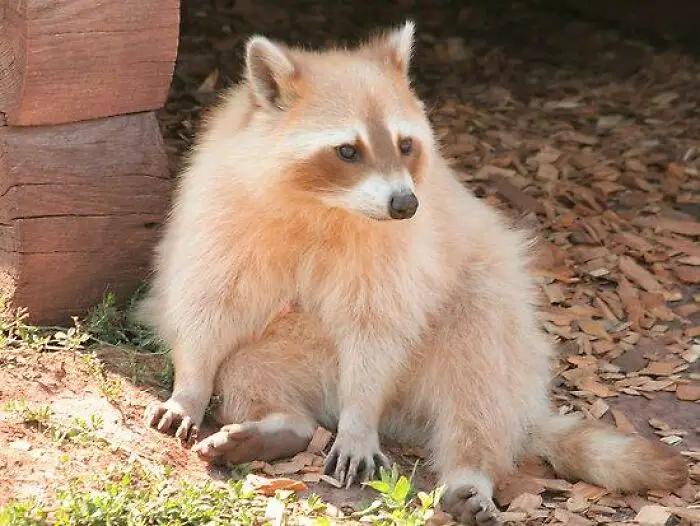
#14 This Is A Cinnamon Raccoon. This Coloration Is Typically Due To A Genetic Condition Called Leucism, Which Reduces Pigmentation
Researchers at the Wellcome Sanger Institute analyzed how quickly mutations occur in species with different life expectancies. They looked at DNA from a cat, black-and-white colobus, dog, ferret, giraffe, horse, human, lion, mouse, naked mole rat, rabbit, rat, ring-tailed lemur, and a tiger.
The study, published in the journal Nature, showed that mice go through nearly 800 mutations a year during their short lives, which last just under four years.
It also found that the longer animals live, the fewer mutations they accumulate each year.
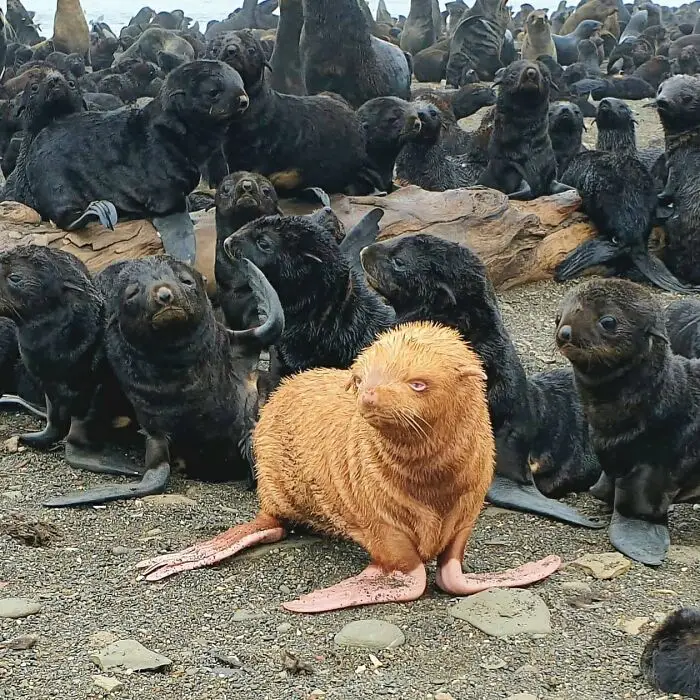
#16 Albino Fur Seal Is Rare Event. This Is A Clear Albino Without Any Pigmentation Even In Its Eyes
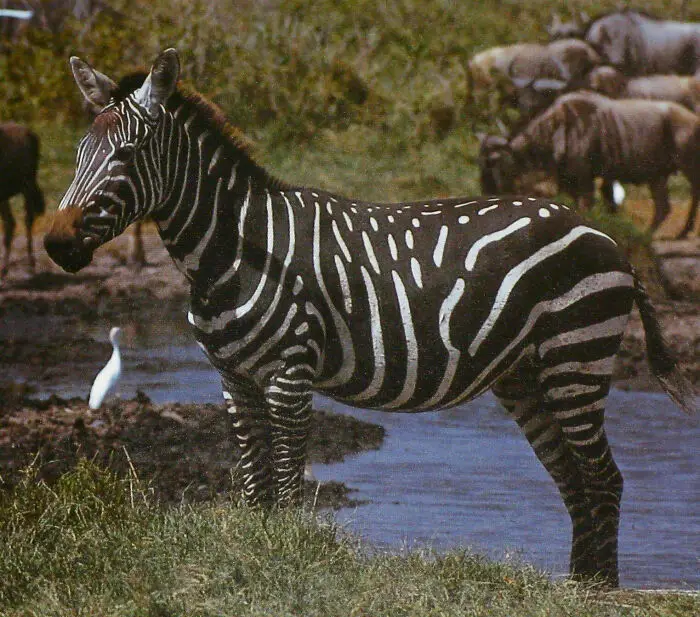
#17 These Zebras Have Pseudomelanism (AKA Abundism), A Mutation That Causes An Abundance Of Melanin
#18 Waffles Was Born Without Eyes Due To A Genetic Mutation And Is A Very Good Boy
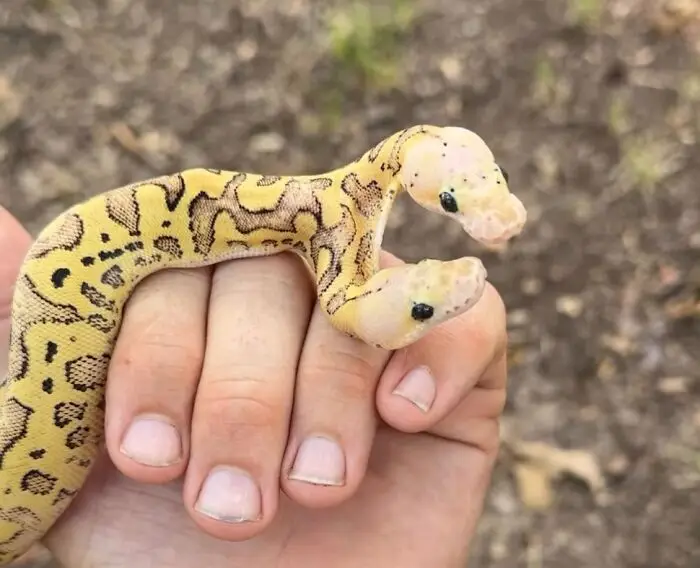
Dogs have around 249 annual mutations, lions 160, and giraffes 99. Humans average 47.
One of the researchers, Dr. Alex Cagan, said the pattern was "striking" and it was "really surprising and exciting" that all the animals in the study converged on "about 3,200" mutations across their lifetime.
"Despite having different lifespans, at the end of life the mammals had the same number of mutations," Cagan explained to the BBC.
"This is the number, but what does it mean? It's a mystery to us," he said.