

Crocheting is quite trendy these days, but when you try to look at its history, the exact origins are a mystery. Research highlights that it likely evolved from tambour needlework, a technique that started in places like India, Pakistan, and Turkey before being adopted by European women.
In tambour, you use a hooked needle to pull thread through fabric stretched on a frame. Eventually, people just dropped the fabric and started working the yarn directly with the hook. This shift probably happened around 1800, as experts haven’t found any European crochet examples from before that time.
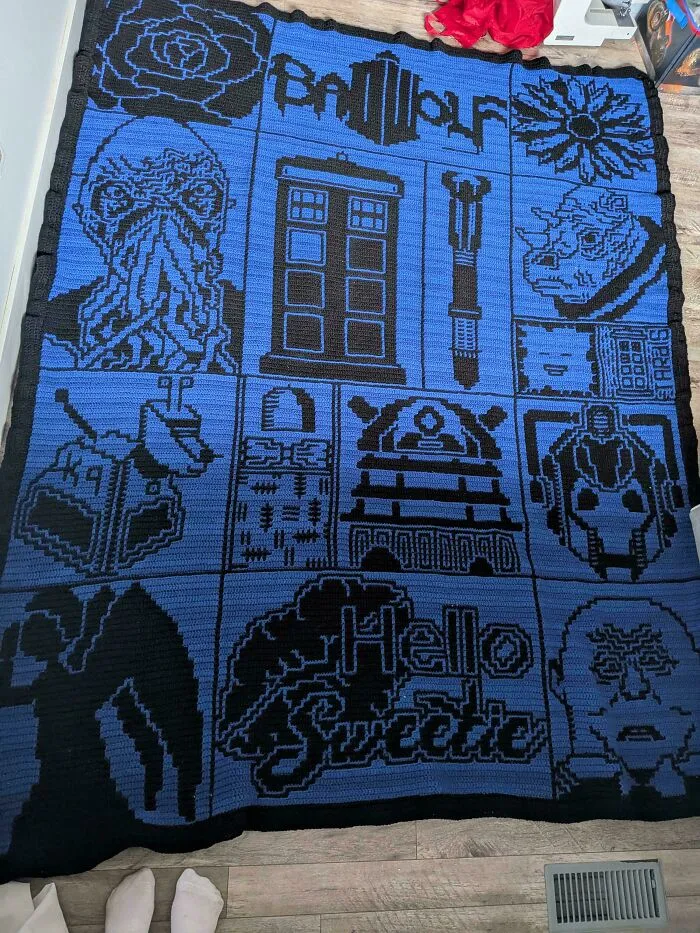
#5 My Mom Crocheted This Amazing Doctor Who Blanket ! Just Wanted To Show Off Her Incredible Work
In the early 19th century, it was Ireland that put crochet on the map. Irish nuns taught local women the craft, using it to mimic expensive Venetian lace. They marketed these lace-like pieces as a budget-friendly alternative, and they became super popular across Europe and North America.
You’d see them on clothes, in home decor, and as accessories. Irish crochet is known for its 3D floral or geometric motifs that are stitched onto a mesh-like background. This adds a rich, textured look that you just can’t get with knitting.
Crochet was huge in the 19th century. However, historians explain that it faded a bit in the 20th century, mostly staying in the realm of hobbies until the late 1960s. Then, as a reaction against the synthetic fashion of the mid-60s, people started returning to natural fibers and traditional crafts.
A fun fact about crochet: it’s never been mechanized, so unlike knitting, every crocheted piece you see is 100% handmade.
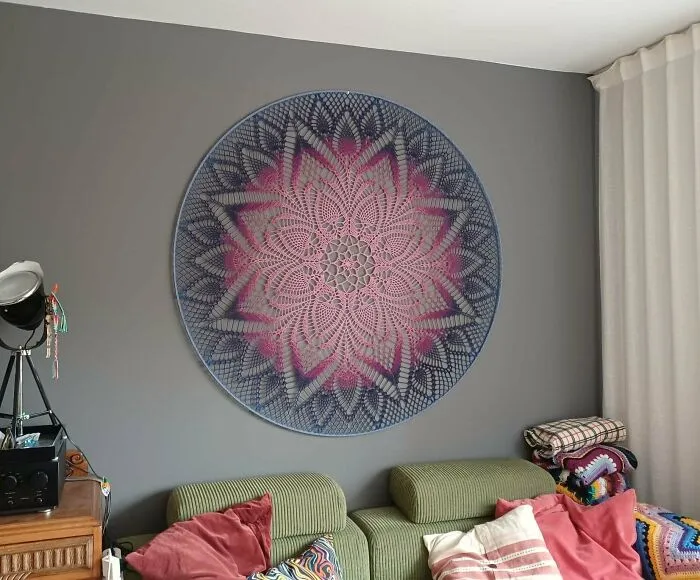
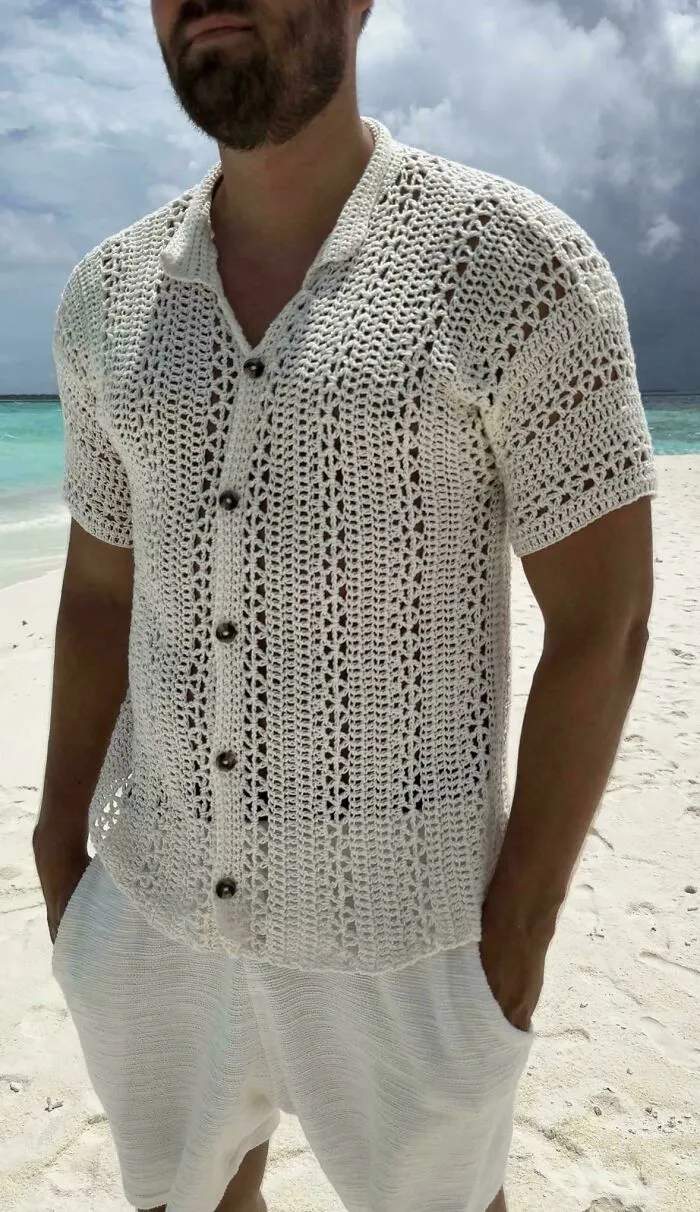
#11 Crocheted A Cool Shirt For My Husband During Our Honeymoon! How Did I Do?
Coming back to the increasing popularity of crochet, Crochet Penguin, a statistics- and tip-focused crochet site, shared some insights. The number of people who crochet has increased by over 200%. The hobby used to be most popular among people aged 50 to 65. Now, over 73% of crocheters are between 18 and 34.
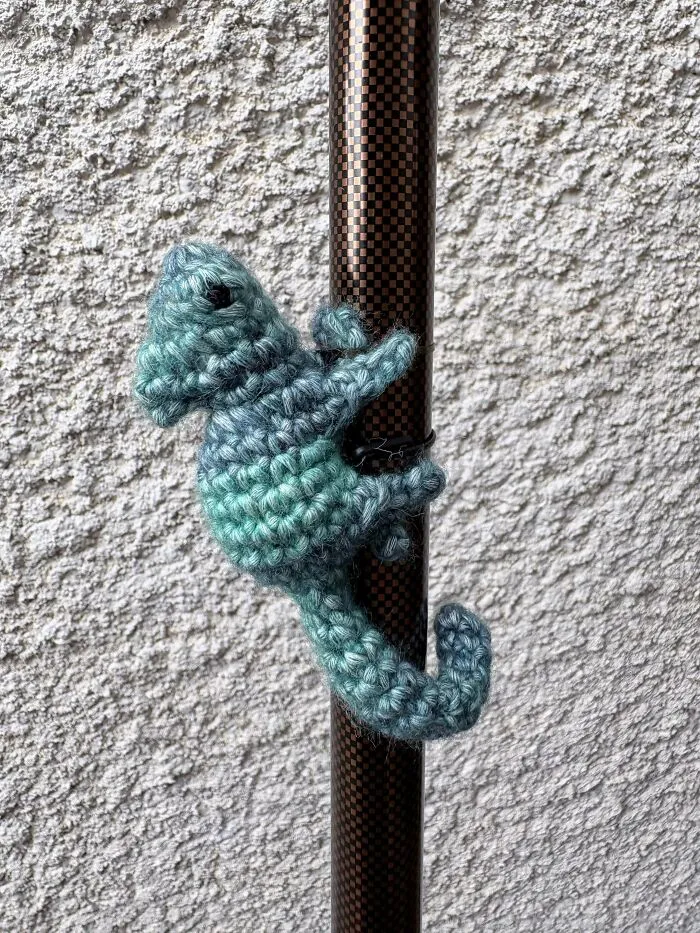
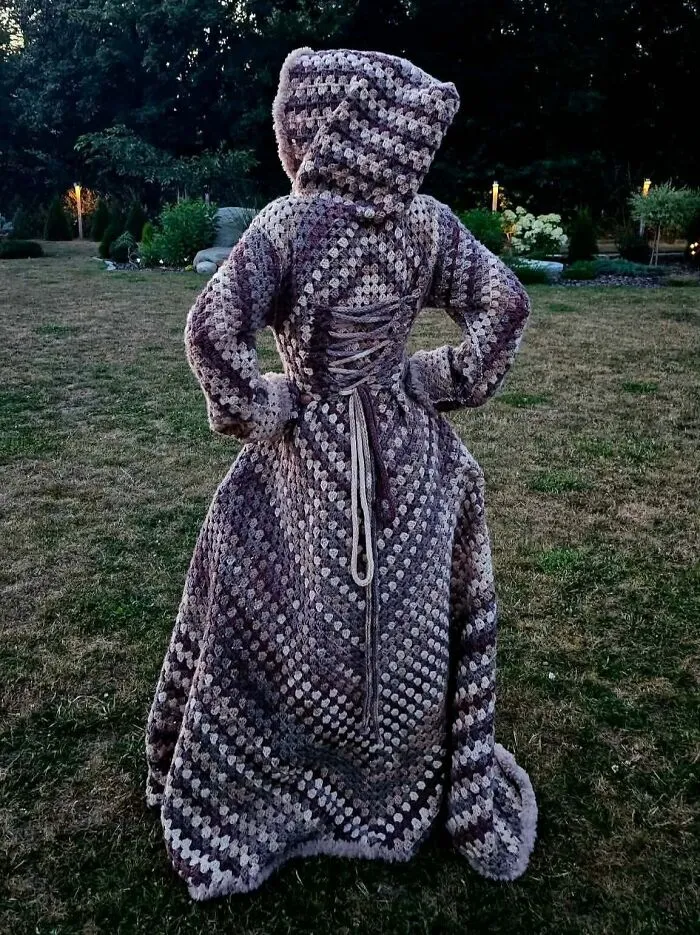
Research highlights that crochet offers positive benefits for personal wellbeing, with many respondents actively using crochet to manage mental health conditions and life events such as grief, chronic illness, and pain.
Respondents reported that crochet made them feel calmer (89.5%), happier (82%), and more useful (74.7%). Reported scores for mood improved significantly before and after crocheting. This explains why its popularity has surged among youngsters.
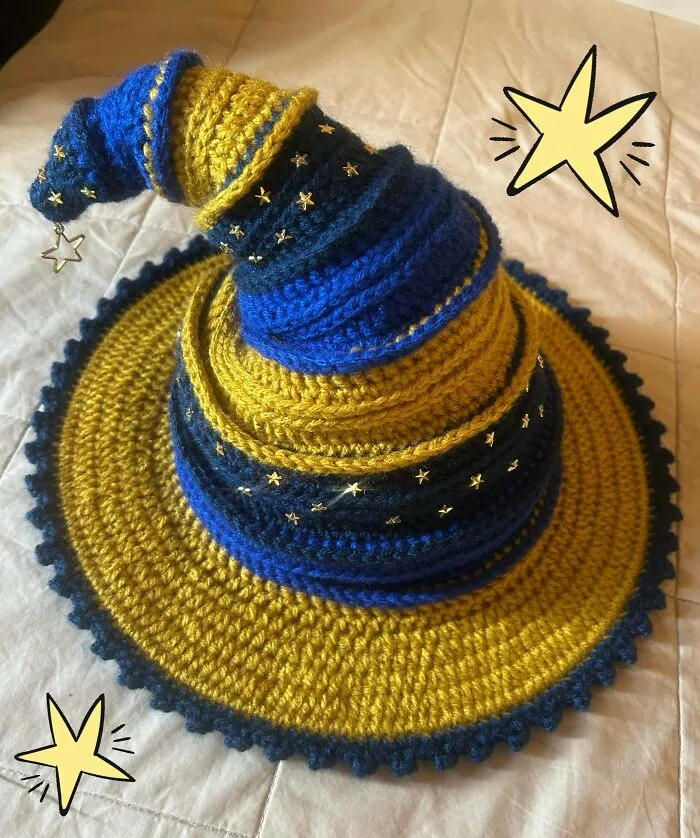
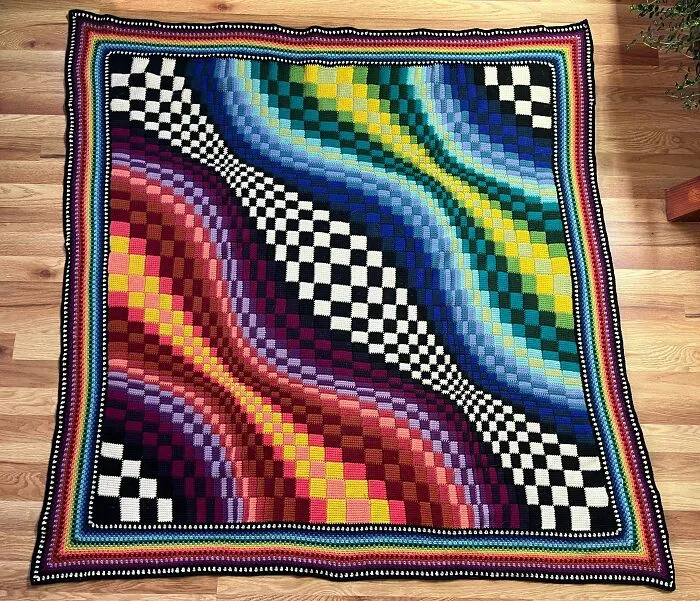
Betty Houtman is a nurse with a background in neurodevelopmental pediatrics and a lifelong knitter/crocheter. She explained that knitting and crocheting aren’t just fun hobbies. They can help lower blood pressure, ease symptoms of depression, and even reduce chronic pain.
The repetitive, meditative motion helps you focus on the task at hand and lowers those stress hormones like cortisol. Also, more serotonin is released with repetitive movement, which improves mood and a sense of calmness.