

This post may include affiliate links.
#1

#2

#3

Our topic today is all about the strange experiences people have had. So, we thought, why not look at how our experiences shape us? After all, everything we go through, whether good, bad, or simply unusual, can leave an impression on us.
Let's begin with childhood. Our early years play an important role in shaping who we become. From the people who raise us to the friends we make, childhood experiences can influence how we think, feel, and behave as adults.
#4

#5

#6

A 2019 study led by researchers at Johns Hopkins University explored how positive childhood experiences affect people later in life.
The researchers looked at survey responses from more than 6,000 adults. They found that those who reported more positive childhood experiences were less likely to report depression or poor mental health. They were also more likely to report having the social and emotional support they needed as adults.
#7

#8

#9
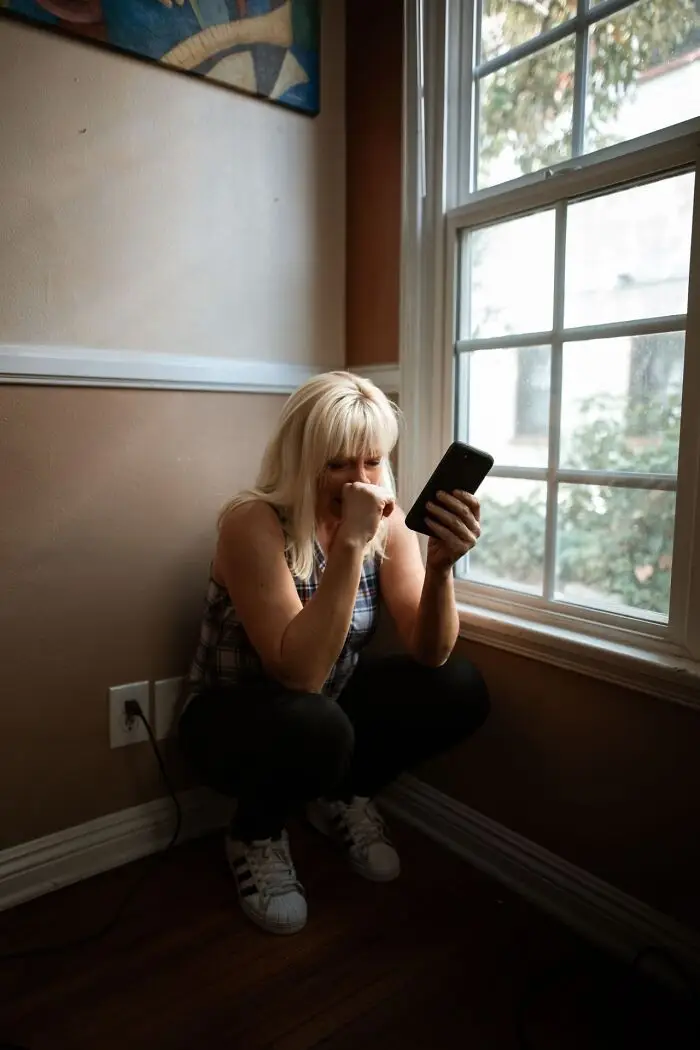
Furthermore, the findings suggest that positive childhood experiences may help people cope with difficult situations later in life.
For example, a child who grows up with supportive parents may learn healthier ways to manage stress. When something upsetting happens, they may feel more comfortable asking for help.
#10

#11

#12

Husband has learned to ask what my gut is telling me in these instances.
Of course, this doesn't mean that people with happy childhoods never struggle. It simply shows how important supportive relationships can be. Both positive and negative childhood experiences can influence how we feel and behave as adults.
#13

#14

Yeah, yeah... I know all the usual stuff. Don't make trades without being super careful etc. But I'm pretty certain I've been blessed with benevolet Fae who seem to be invested in my well-being for whatever reason. All I really did was listen to their music and pick up on clues and information they left for me which caused me to make decisions that led me to the right open mic night in the right city at the right time. I'm very grateful.
#15

On the other hand, difficult childhood experiences can also have lasting effects. Researchers have long studied how neglect, family conflict, and exposure to violence can negatively affect people's physical and mental health.
Christina Bethell, who led the Johns Hopkins study, explains that these experiences may influence people's well-being long after childhood ends.
#16

#17

#18

In their book What Happened to You? Conversations on Trauma, Resilience, and Healing, psychiatrist Dr. Bruce D. Perry and Oprah Winfrey explore how early experiences affect the brain.
They explain that children who experience repeated stress or frightening situations may become more sensitive to signs of danger. These reactions can sometimes continue into adulthood, even when the person is no longer in an unsafe environment.
#19

#20