

Kelly Elizabeth Wright, a lexicographer with the American Dialect Society, explained that gatekeeping in this context gives minorities back that little bit of power they lose in this age of vast media consumption. "You could be making a piece of content that is for other Black people or for your community, but then it's public or it gets algorithmically exposed. There is less control in the way social media is surfaced and served to people."


Sirena Bergman writes for Business Insider that the boom in tourism in Hawaii during the pandemic caused native Hawaiians and Pacific Islanders to "gatekeep" the state. The natives talked about the rise of COVID-19 cases and the environmental impacts of tourism and asked people not to travel there, but still faced backlash.


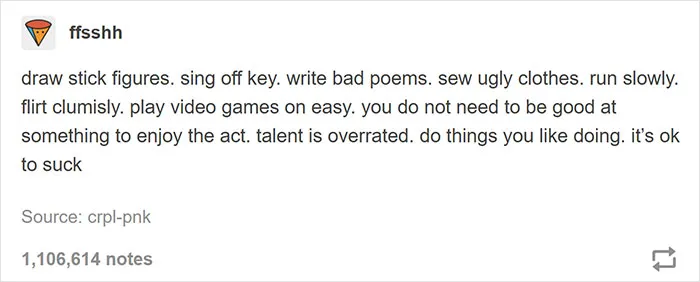
That's how "gatebreaking" came to TikTok, the opposite of gatekeeping. The idea is that there should be no barriers to information, expertise, places, or knowledge. But Bergman observes that there's more nuance to this problem. While being against gatekeeping is, in essence, standing against inequality, it's alright for some people to sometimes stay on the fringes of certain spaces.

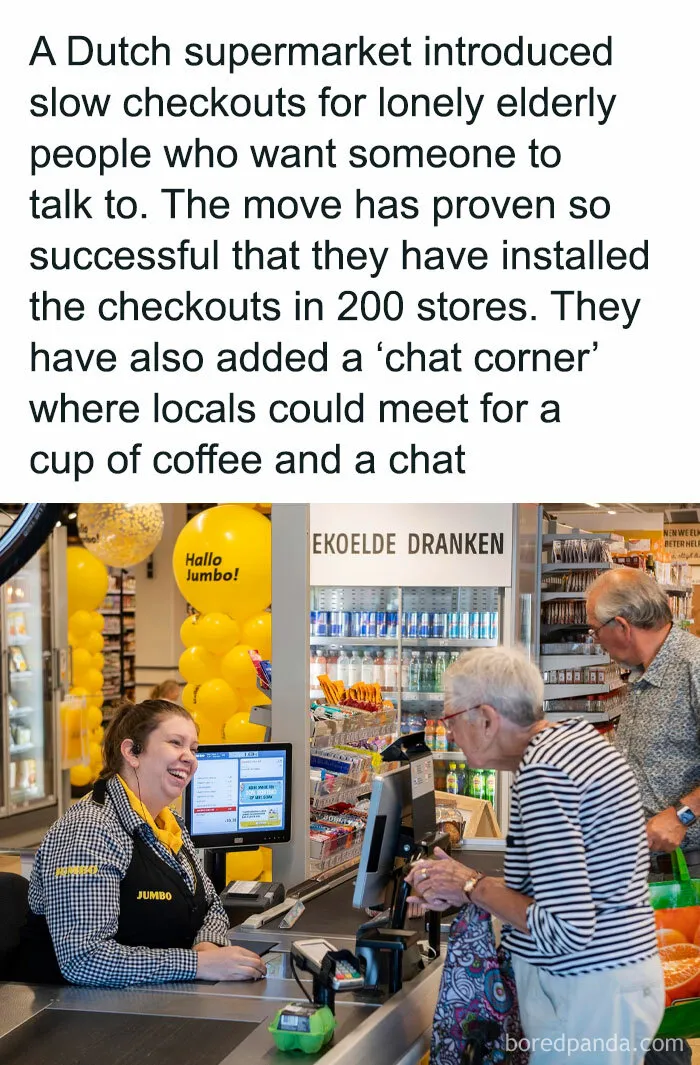

However, in most cases, the old cliche "sharing is caring" might just be true. Sharing information, access, knowledge, and just genuinely having each other's backs. If this wholesome list is right up your alley, Pandas, check out the previous ones that we've done about the "Gates Open, Come On In" community here and here!