





You can start conversations with strangers or invite a colleague or neighbor you don't know well to lunch. But the trick is to go beyond small talk – ask them how they're doing and what their daily life is like.
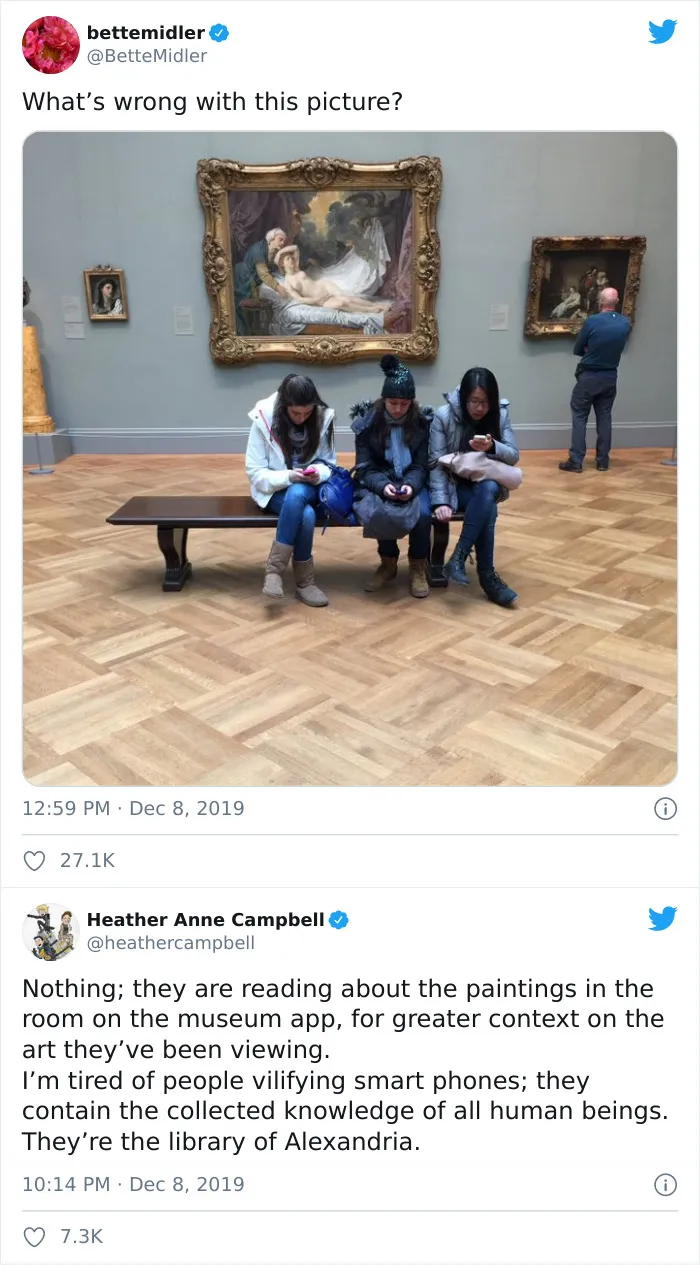
Put away your phone and other screens when you’re having conversations, even with the people you see every day, so you can fully listen and notice their facial expressions and gestures.
Also, follow people on social media with different backgrounds than you have (different race, religion, or political persuasion).




But don’t just stand in someone else's shoes, as the saying goes—take a walk in them. For example, consider attending someone else's church, mosque, synagogue, or other houses of worship for a few weeks while they attend yours, or visit a village in a developing country and volunteer.
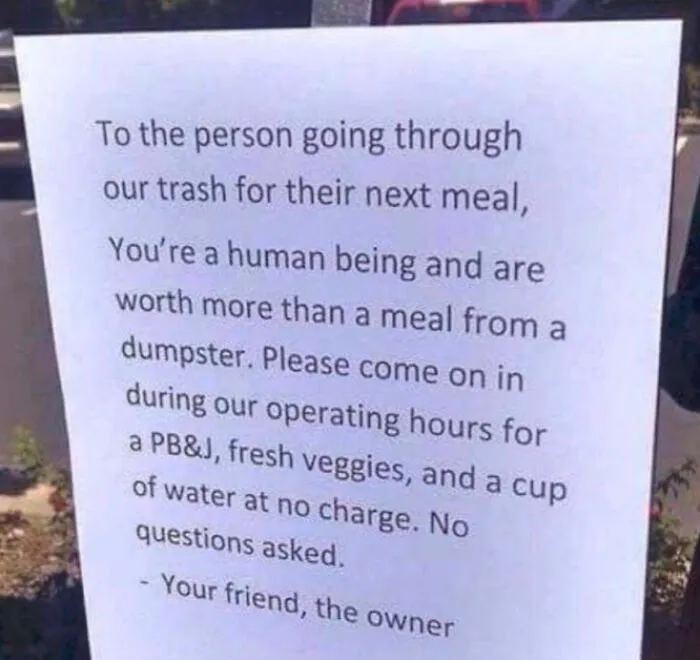
If you don't have enough time for these activities, you can simply explore a new neighborhood, or strike up a conversation with a homeless person in your community.
If someone’s behavior is bothering you, think about why. Consider what it’s like to live their daily life.
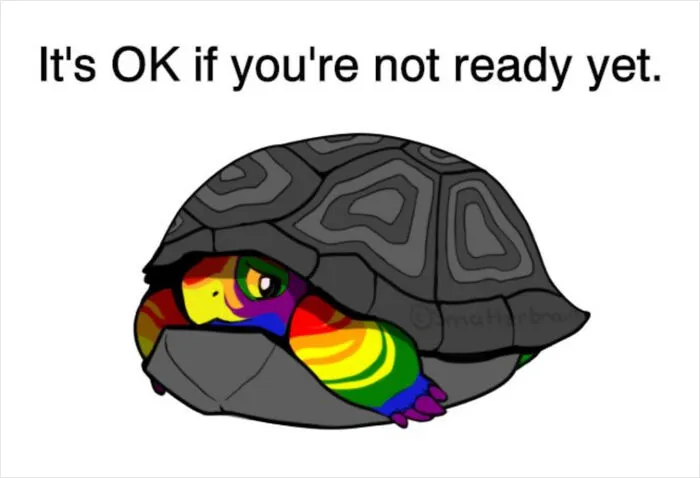

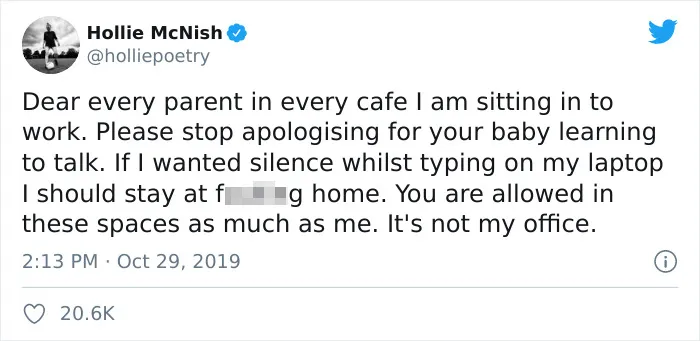

Remember, you don't need to understand everything about someone to make them feel respected. Just don’t make assumptions about people based on what your life is like. The people on this list certainly haven't.
We’re all humans, and we all have a desire to connect with one another. Building our empathy, considering the perspectives of others, and opening ourselves to uncomfortable conversations can make that happen.