

This post may include affiliate links.
Ariane gave an example of how this works: “For instance, I wear an FFP2 mask on the train to work because I can control that, but no one else wears one these days. So it's possible that I'll still get Covid as no one else is masking up, but I just have to accept that, because my train journeys are essential.”
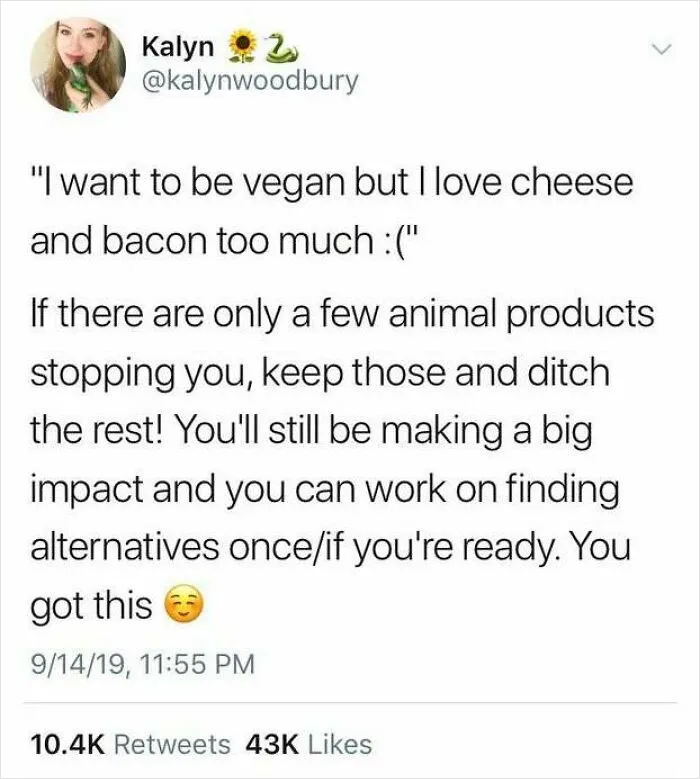

During an earlier in-depth interview, Suzanne Degges-White, Licensed Counselor, Professor, and Chair at the Department of Counseling and Higher Education at Northern Illinois University, shared with Bored Panda how our family values, spiritual beliefs, and even our biology all play a crucial role in our altruistic actions.
"Many of us are raised to believe it is the 'right thing to do.' Basically, all spiritual belief systems have a version of the 'Golden Rule, 'Do unto others as you would have them do unto you.’ "We also do good turns because we know that one day we may be in need of a little 'generosity from the universe,' so it's like putting 'money' into a karma account," she shared how people think.

"Lastly, humans are wired so that when we do something kind for another, we feel good about ourselves and neurotransmitters like endorphins and oxytocin have been shown to get a boost when we do something good for another. It is through cooperation that society functions, so the survival of the human race depends on being willing to help others. Family values, spiritual beliefs, and biology all play a part in this motivation," the professor explained to us.

"Many of us take pride in being of service to others as it is culturally valued and we want to hold significance in our worlds. So when we do good deeds, we show others our willingness to help those in distress/need; we live out faith-based encouragement to treat others the way we would like to be treated, we uphold family values, and our brains get a positive jolt of happiness when we help others.”