

#1

#2
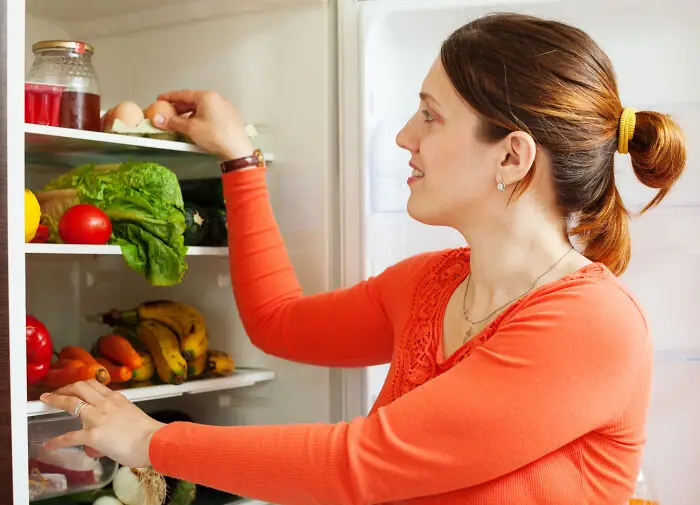
Edit: It’s 2:15AM. My favorite neighborhood bar always keeps a couple shelves outside by one of their doors so people can leave and take non perishables as they need it. I just walked by after close and left six cans of soup and a couple pounds of rice for anyone who needs it tomorrow. I think one person at a bus stop across the street might have seen me, but I had my hood up and took a different route home. I’m confident in calling that anonymous.
#3

I've found that the best deals are often hidden behind the cancellation button. Apparently being a loyal customer means paying full price, while threatening to leave gets you rewarded.
Just don't click through the final cancellation confirmation unless you're actually willing to lose the service.
What makes unethical life hacks so fascinating is the gray area they occupy. Some people justify them as harmless and smart. Others view them as a slippery slope into worse behavior.
But where do we actually draw the line between moral and immoral?
Research shows that people don’t use a single rule to decide. While we often judge actions by whether they cause pain or suffering — like cheating on a partner or hitting someone — studies reveal that our sense of fairness plays an even bigger role.
For instance, hitting someone is considered wrong when it’s unjust, yet completely acceptable in self-defense. That’s why slightly shady life hacks feel so easy to justify. As long as a trick doesn’t feel deeply unfair to an innocent person, our brains are happy to let it slide.
#4

#5

#6
Plus you aren’t giving money to the evil overlords that way.
Fairness matters even more when you look at what people have been dealing with lately. With soaring energy bills, rising inflation, and wages that barely budge, the last few years have been rough on everyone.
While some families are forced to choose between heating their homes or buying groceries, others are looking for clever ways to stay afloat. Of course, most of the tricks on this list aren’t about breaking the law — they are simply smart ways to save money, time, or energy.
Even if a few people take things too far, these everyday shortcuts can genuinely help struggling folks stretch their budgets and get by.
#7
#8
#9

It also helps that most people feel zero guilt about bending the rules when the target is a giant, faceless company instead of an actual human being. In fact, pushing back against massive corporations has become almost a form of quiet protest, with some experts even calling minor retail theft “microlooting.”
Political commentator Hasan Piker captured this mindset well when discussing mega-corporations. “I’m pro stealing from big corporations, because they steal quite a bit more from their own workers. However, one thing that might even help your ethical dilemma is the fact that the automated process that they design, these companies know will increase shrink, right?”
“So it’s actually factored in. The lemons that you stole are factored into the bottom line of these mega-corporations regardless,” he said.
#10
#11

#12
Piker draws a clear line when it comes to community-run stores, noting he wouldn’t recommend stealing from a city-owned grocery store with lower prices because “that’s taxpayer-funded, it’s union labor, and the prices are also adjusted regardless.”
Research shows that psychological distance makes all the difference. Because huge companies feel cold and distant, our brains have no trouble justifying taking advantage of a loophole — even though almost none of us would ever pull the same stunt on a small, local mom-and-pop shop.
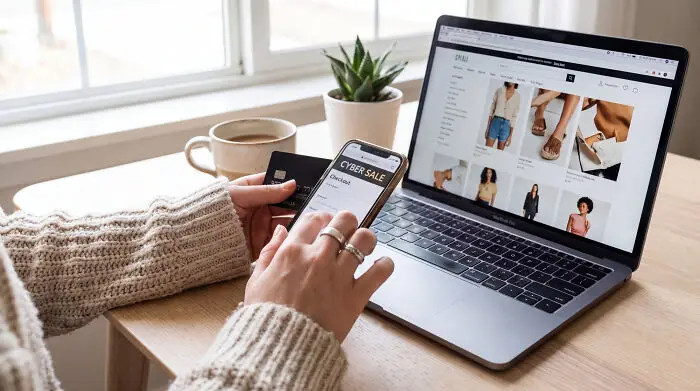
That is exactly why hitting the “cancel” button just to trigger a 50% retention discount, or guessing a random promo code at checkout, doesn’t feel like cheating.
#13

Brave on Android phones defeats YT ads and allows for background audio playback with a locked screen.
#14
#15
Today, consumers expect giant brands to act responsibly on everything from fair wages to climate change. But when companies fail to live up to those standards — or raise prices to record highs — people feel far more comfortable bending the rules in return.
During the current cost-of-living crisis, some grocery store workers have even admitted to looking the other way when struggling shoppers pocket basic essentials. In the UK, Chief Inspector of Constabulary Andy Cooke even suggested that police officers should use “discretion” when deciding whether to prosecute people who steal simply to eat.
#16
I’d eat for days off of a $5 order.
#17
#18
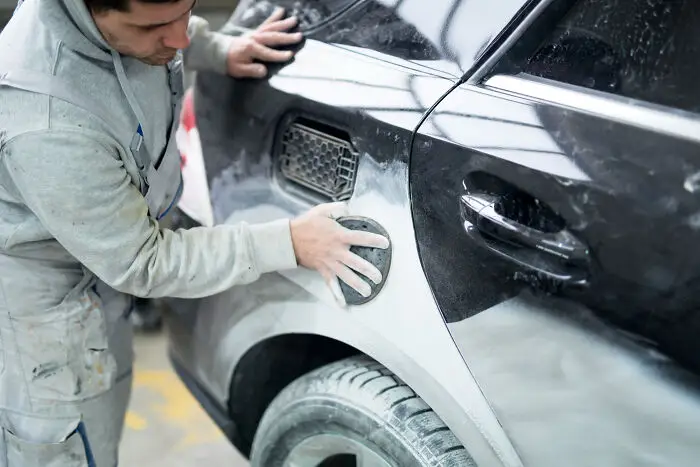
Someone can meet you at your rental car and for a couple hundred bucks (more or less), they can quickly repair it well enough to pass the vehicle return inspection, and by the time someone notices it, they can’t determine who along the line of renters that repaired it.
It’s shady of course, but this is an “unethical life hack” thread.
Not everyone buys into the idea that bending the rules is harmless. While many people agree that massive companies shouldn’t hoard wealth — and that struggling families shouldn’t be punished for taking basic essentials — critics worry that glorifying these shortcuts sends the wrong message.
Some fear it nudges younger generations to take unnecessary risks or treat rule-breaking as an easy default whenever life gets tough.
Instead of relying on sneaky workarounds, some experts argue there is a more constructive way to hold giant companies accountable. “A much better approach would be to work together to clarify what businesses must do to fulfill the obligations of their social license. Rather than stealing from corporations, we should use our powers as consumers, workers, shareholders and citizens to push private sector organizations themselves towards behaving more ethically,” says Emma Borg. Director of the Reading Center for Cognition Research.
#19