




Hello! I am an urban explorer from Lithuania. Since 2011, I have been exploring abandoned places in Lithuania and Europe. I have traveled to nearly all European countries, making an effort to do at least several big trips a year. In each of these locations, I search for abandoned sites and other places that are inaccessible to the general public.
One of my favorite topics when traveling is exploring underground locations, such as military fortifications, bunkers, city sewers, drainage systems, mines, and underground quarries, which I have extensively explored across Europe. These places provide opportunities for me to experiment with lighting and capture unique photographs. Today, I am excited to present 30 of my favorite underground locations in Europe. If you enjoy my work, feel free to follow me on Instagram.
#21 Prague's Underground
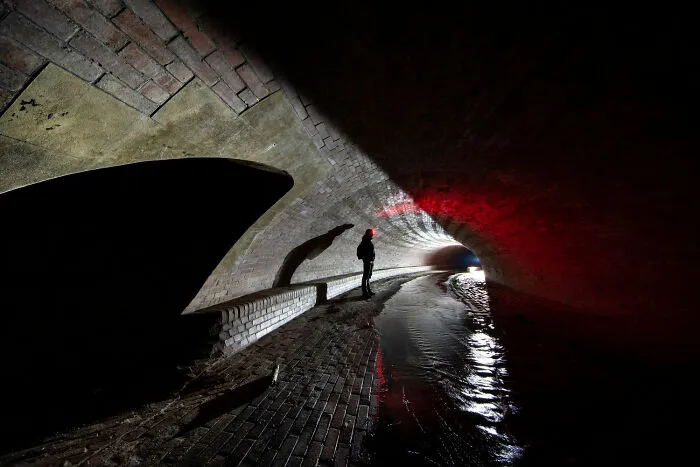
Prague is an impressive city, both above and below ground. Here, you can find many beautiful and photogenic tunnels, including both drainage and sewer systems.
5points
#22 Underground Ammunition Factory In Albania
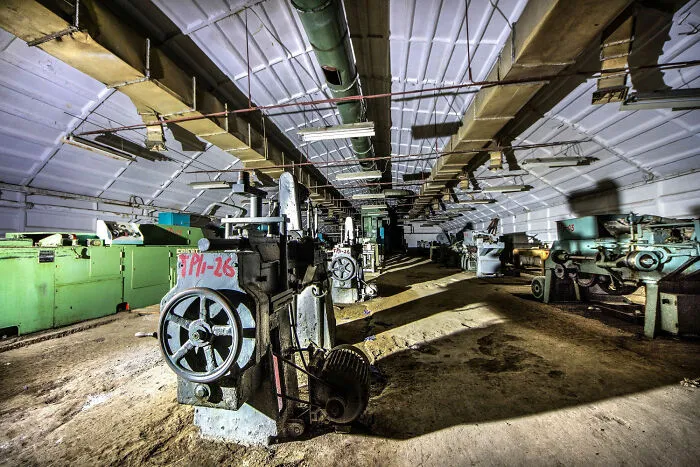
This facility, located in a small village in Albania, is one of the most interesting places I have visited. Ammunition was produced in underground workshops filled with equipment, and you can still find full boxes of cartridges, gunpowder, and prepared bullets.
5points
#23 Maginot Line, France
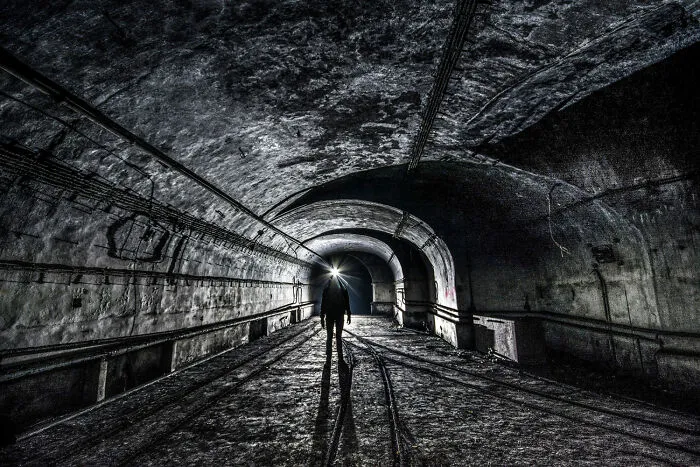
Construction of this famous line of fortifications began in 1929. The line, intended to protect the border with Germany, consisted of numerous forts, each with several bunkers, all connected by underground railways. At depths of 30 to 60 meters, not only were ammunition storage facilities located, but also barracks, hospitals, rest rooms, generators, and other essential military infrastructure. Some of these forts resembled small underground cities, capable of housing thousands of people. Today, most of them are abandoned.
5points
#24 Nazi Underground Factory "M", Germany
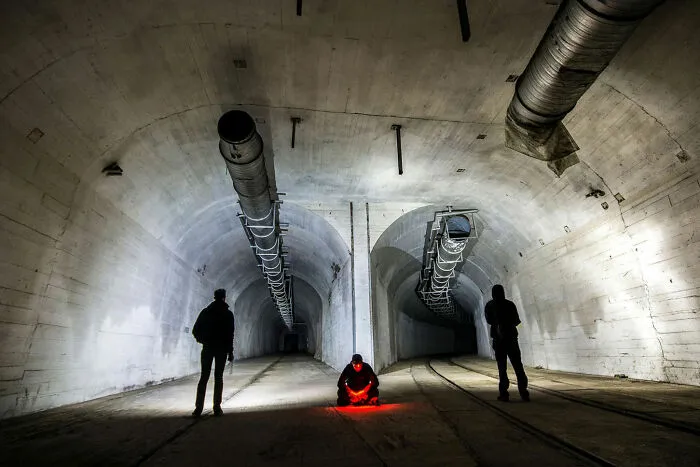
It was one of the largest Nazi underground factories in central Germany. According to the plans, parts for Junkers planes were to be produced in 13 kilometers of tunnels. In the 1970s, it was rediscovered by the GDR army, and an ammunition storage facility was established there. A total of 5,500 tons of ammunition, 3,500 tons of clothing and other equipment were stored in those tunnels.
4points
#25 Nazi Underground Factory "A", Germany
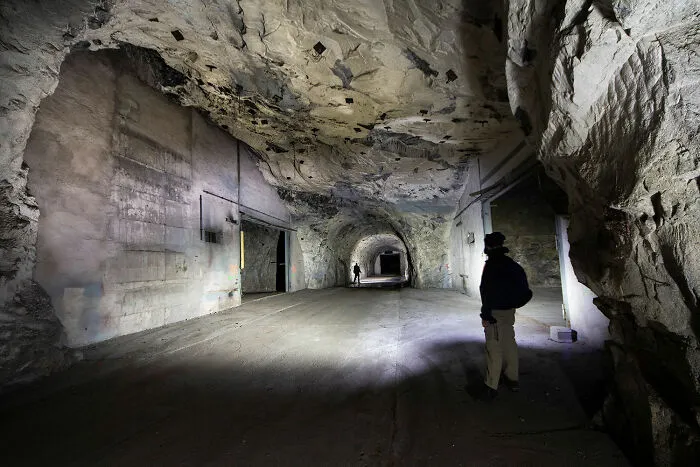
This Nazi factory produced cutting-edge technology at the time, including anti-aircraft missiles like the famous Hs 117 Schmetterling. Construction of the factory began in the winter of 1944 and was carried out by concentration camp prisoners.
4points
#26 Nazi Underground Factory "R", Germany
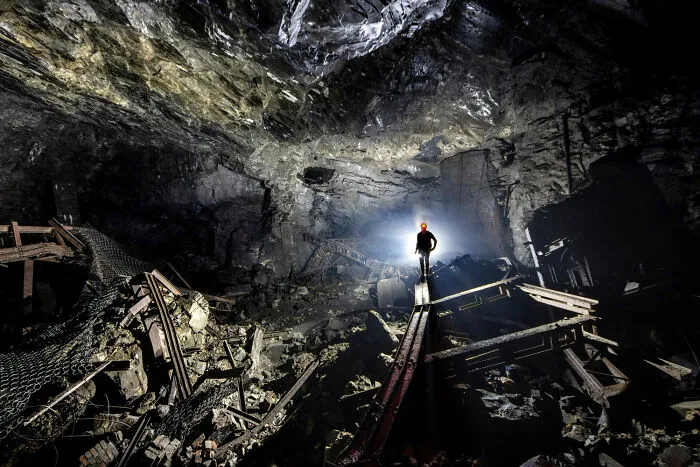
This facility produced V2 engines for Nazi ballistic missiles. The engines were assembled in underground workshops, which have since been destroyed, and tested in an adjacent quarry that is now flooded.
4points
#27 Nazi Underground Factory "S", Germany
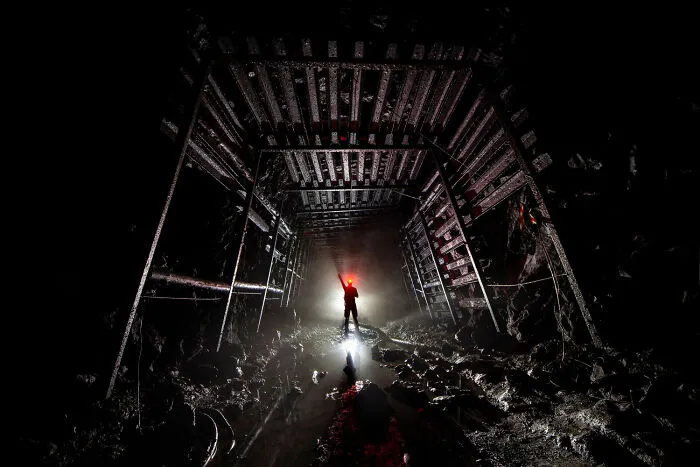
The construction of this underground ammunition factory began in the fall of 1944 in a former iron ore mine, at a time when Allied bombers were already wreaking havoc across Germany. According to the plans, which were never fully implemented, 25,000 square meters of underground space were to be excavated here by the hands of concentration camp prisoners by the summer of 1945.
4points
#28 Nazi Underground Factory "Q", Austria
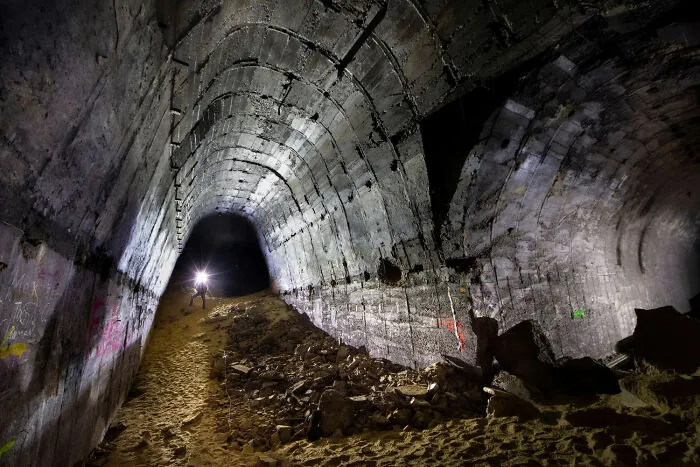
The history of this factory began in 1944 when a new concentration camp for 15,000 people was established here. By the end of the war, 65,000 square meters of space had been excavated in the former limestone mine for a bearing factory. Today, these tunnels are abandoned, and it is not easy to access them.
4points
#29 Metro Construction
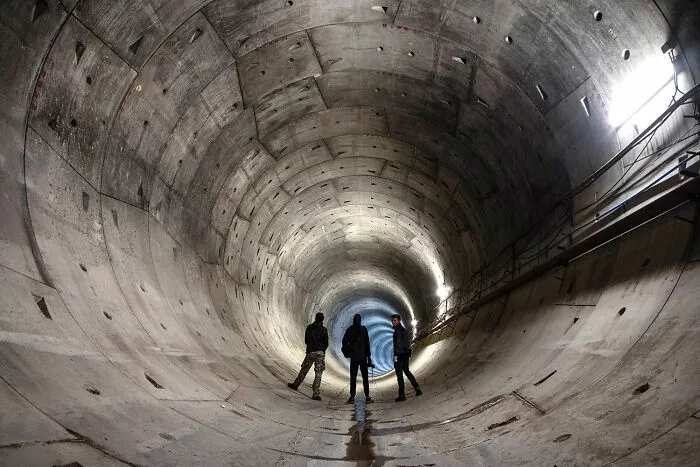
Metro construction is taking place all over Europe. In most cases, it is challenging to enter these sites illegally, as work can continue around the clock. However, once inside, you can admire the expansive tunnels, which often even have lighting.
4points
#30 Nazi Underground Factory "Z", Austria
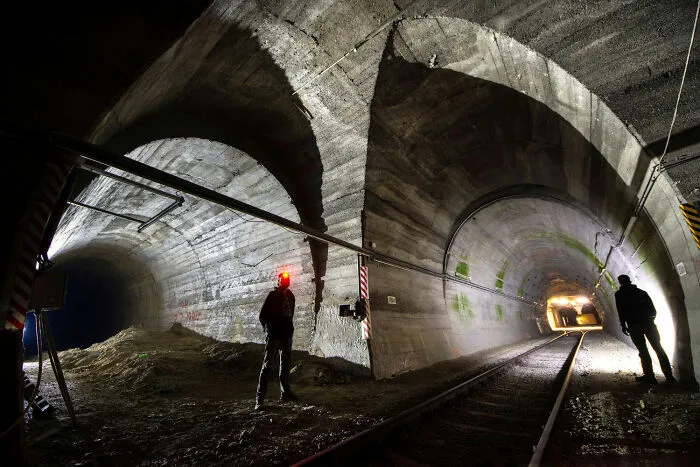
The construction of this facility began in 1944. By the end of the year, it was already operational, an oil refinery had been established in its eastern part, and tank parts were being produced in the western section.
3points

