






This post may include affiliate links.
#1
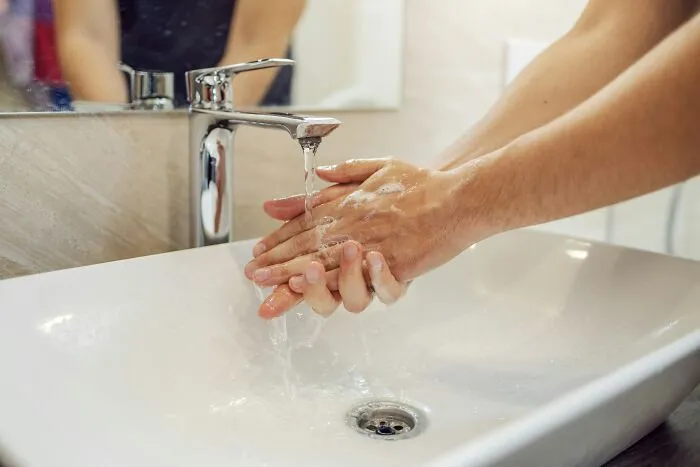
Most of us know how germs spread — we basically took a global crash course on it a few years ago.
Yet, one in five US adults still forget, or choose not, to wash their hands when it matters most — after visiting grocery stores, restaurants, coffee shops, or a doctor’s office.
Some people claimed it was unnecessary, some said they lacked the time, and others were worried about drying out their skin.
This data comes from a 2025 report by the National Foundation for Infectious Diseases.
The report noted that this is a risky gamble since simple handwashing can prevent up to 80% of infectious diseases.
#4
#5
Global estimates show that if everyone routinely washed their hands, about one million lives could be saved each year.
Clean hands serve as our first line of defense against foodborne illnesses, respiratory bugs, and dangerous antibiotic-resistant superbugs. It’s the easiest, cheapest health insurance policy available — yet it’s often the very first thing people skip when they’re in a rush.
#7
#9
For millions of people around the world, though, clean hands aren’t a choice.
In 2024, 1.7 billion people still lacked basic hygiene services — including 611 million who had no handwashing facilities at all.
This data proves that having the simple ability to wash your hands whenever you want is a privilege.
So, while millions fight for basic facilities, the rest of us really have no excuse to skip the tap.
#10
#11

#12
If physical health isn’t enough to motivate you, do it for your brain.
A study published in the journal Personality and Social Psychology Bulletin found that people living in cluttered or unkempt homes had significantly higher levels of cortisol — the body’s primary stress hormone.
High cortisol directly leads to anxiety, brain fog, and chronic fatigue.
“[Cleaning] gives people a sense of mastery and control over their environment. Life is full of uncertainty, and many situations are out of our hands, but at least we can assert our will on our living space,” says Darby Saxbe, author and assistant professor of psychology at the University of Southern California.
#13
#14
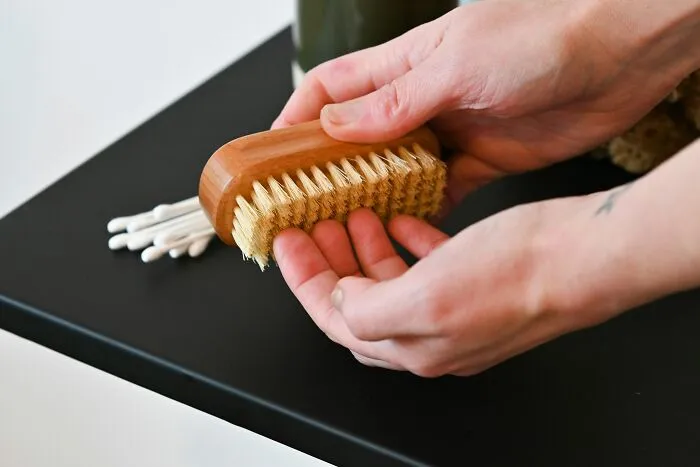
#15
A study involving more than 3,000 participants from the UK, the US, and Canada found that the act of cleaning ourselves can reduce our anxiety during stressful moments.
The researchers found that even watching a hand-washing video alleviated the anxiety participants felt after watching a stress-inducing scene.
The science behind a simple shower is surprisingly powerful. Hot showers trigger your brain to release oxytocin — a hormone that instantly lowers stress and calms anxiety. Cold showers boost blood circulation to give your body a quick, refreshing reset.
“When we engage in cleaning behavior, it involves separating residues from our body (e.g., washing dirt off your hands). This basic, physical experience of separating residues from our body can trigger a more psychological form of separation, namely, separating the residual influence of past experiences from the present (e.g., wiping the slate clean),” explains study author Spike W.S. Lee, an associate professor of management and psychology at the University of Toronto.
#16

#17


Basic hygiene is also a matter of respect for the people around you.
If you’re unclean, the germs and bacteria you carry can be transferred to every surface you touch and every room you walk into.
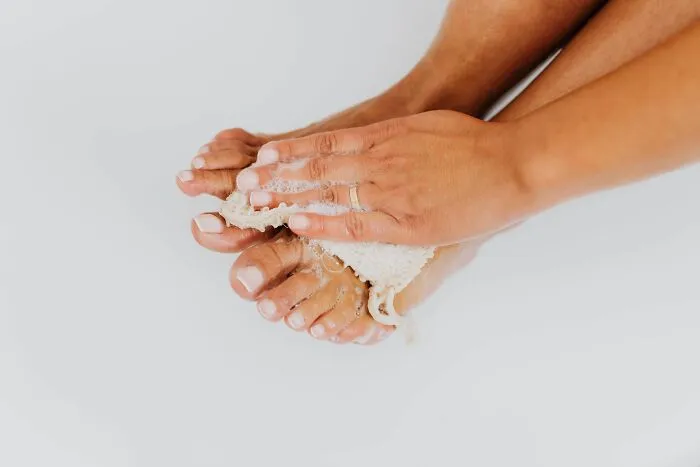
For example, if someone skips showering for three days, the bacteria on their skin breaks down the sweat into volatile organic compounds. This buildup creates a breeding ground for microbes that can easily transfer to shared couches, car seats, and door handles.
While it can put others in harm’s way, it can also impact your personal and work relationships.
“When body odor is strong, it can be very distracting. People may not want to work directly or even communicate with a person if they feel odor is a problem,” says Steve Browne, a member of the Society for Human Resource Management’s board of directors.
#19

#20
Hygiene is one of the most overlooked symptoms in the mental health conversation. Because talking about our bodies and habits carries a bit of shame, few people admit when they’re struggling to keep up with basic self-care.
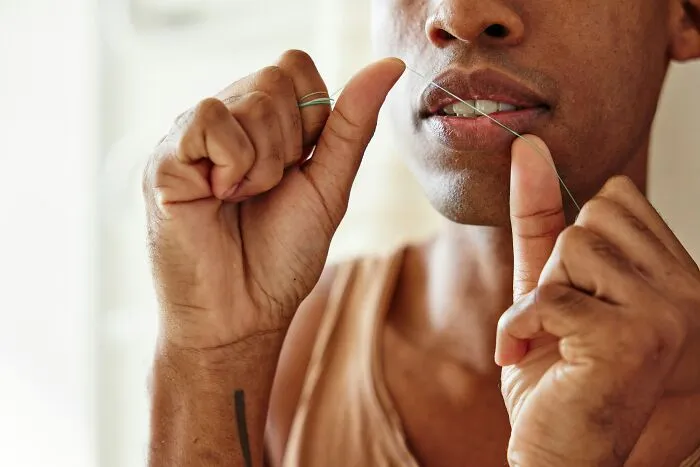
Yet, losing the motivation to shower, brush your teeth, wash dishes, or do laundry can be a major warning sign of conditions like depression.
Understanding this connection works both ways. Poor hygiene can signal a mental health slump, but small and low-effort routines can also help you climb back out.
Experts believe that daily care, such as brushing your teeth or making your bed, serves as a behavioral baseline. Completing even one minor task releases a small hit of dopamine, which signals to your brain that you still have a sense of control.
