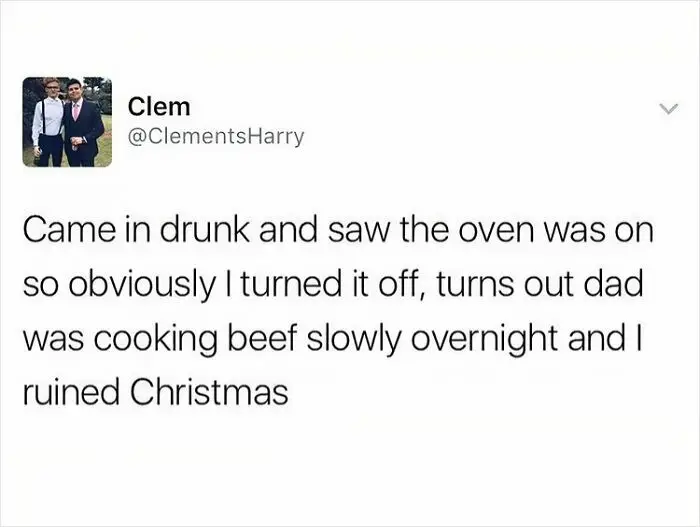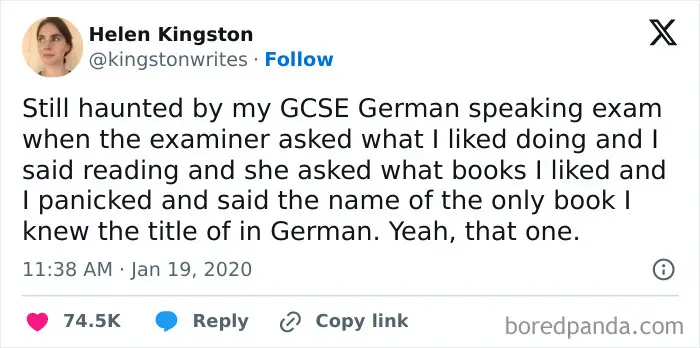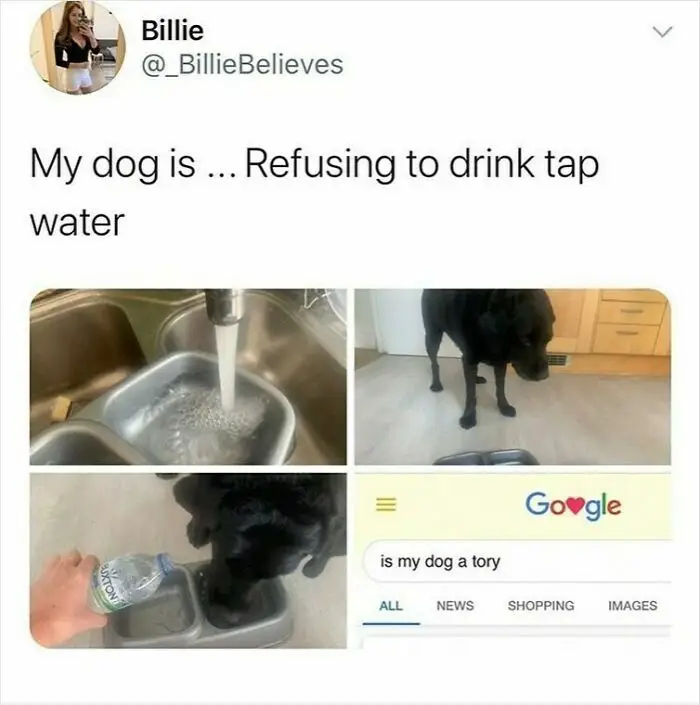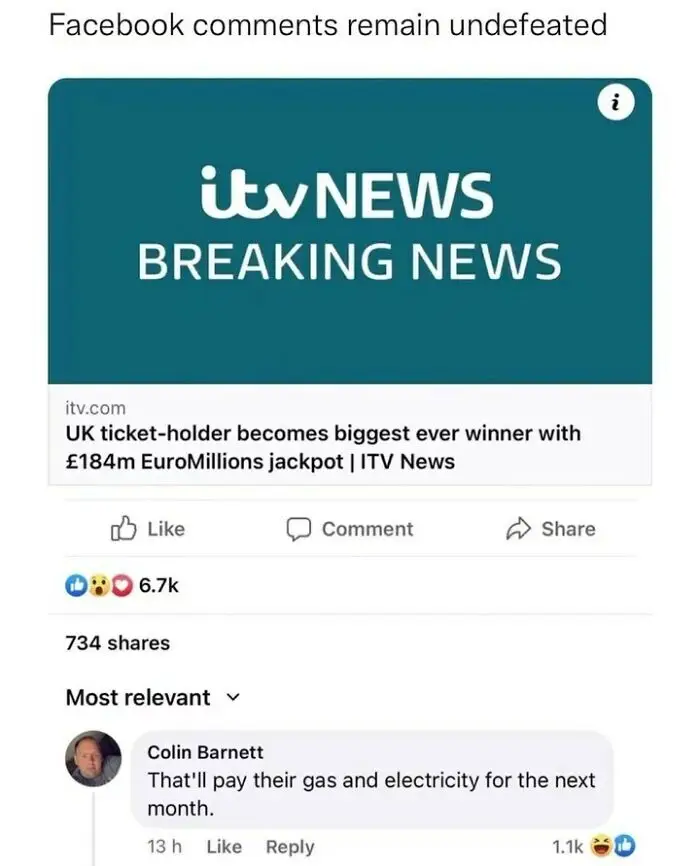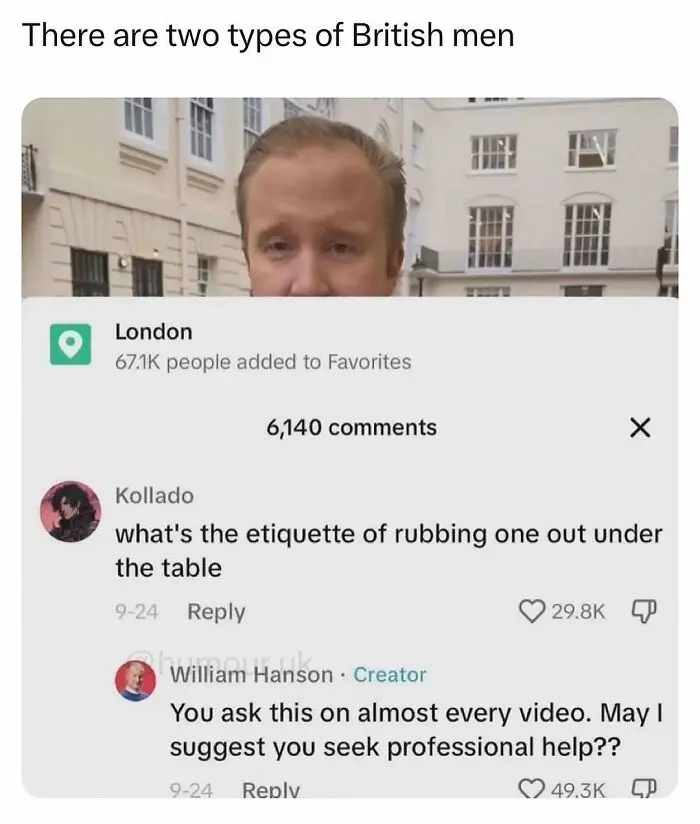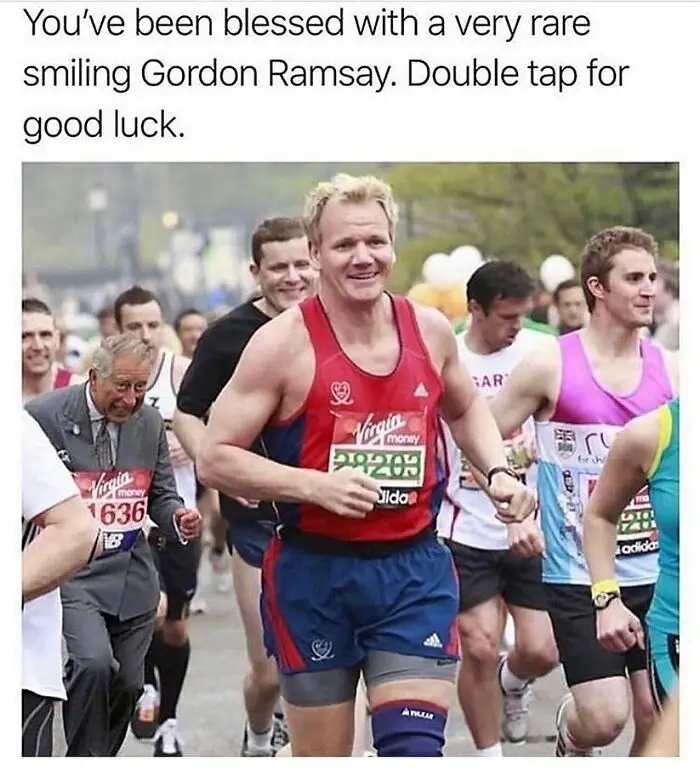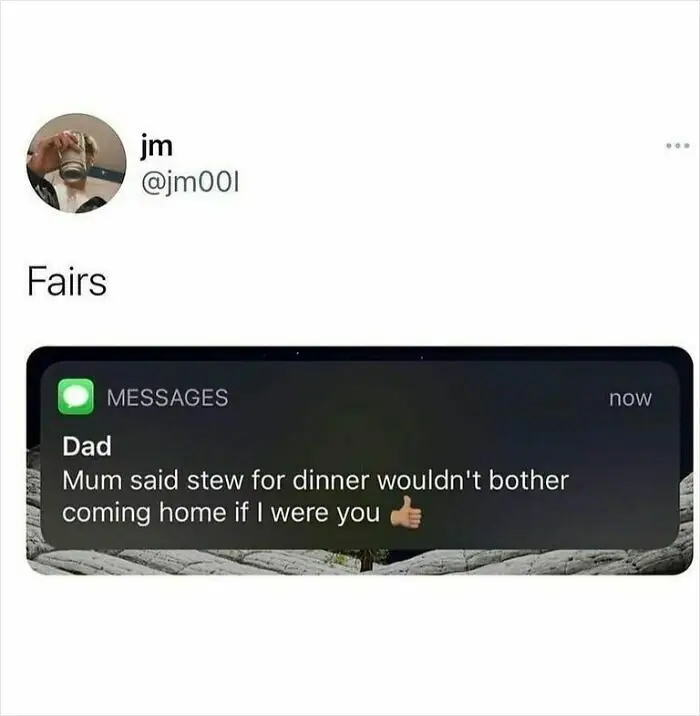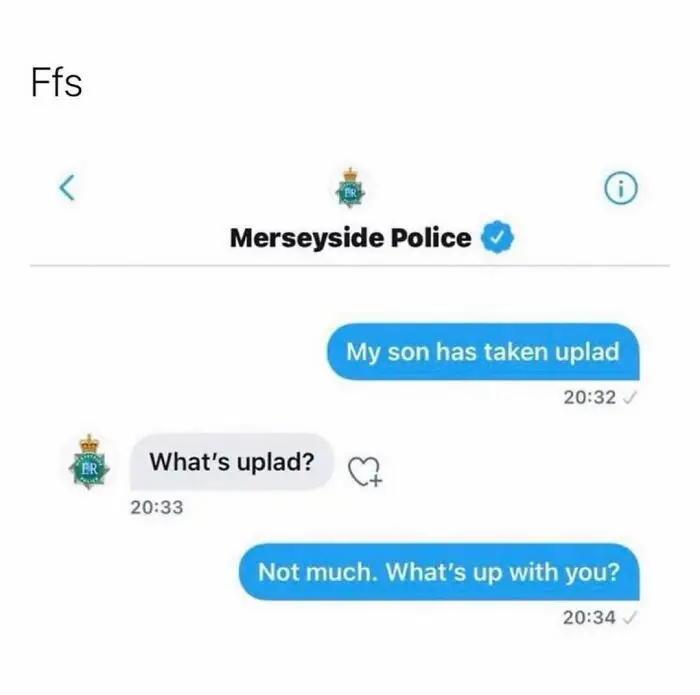


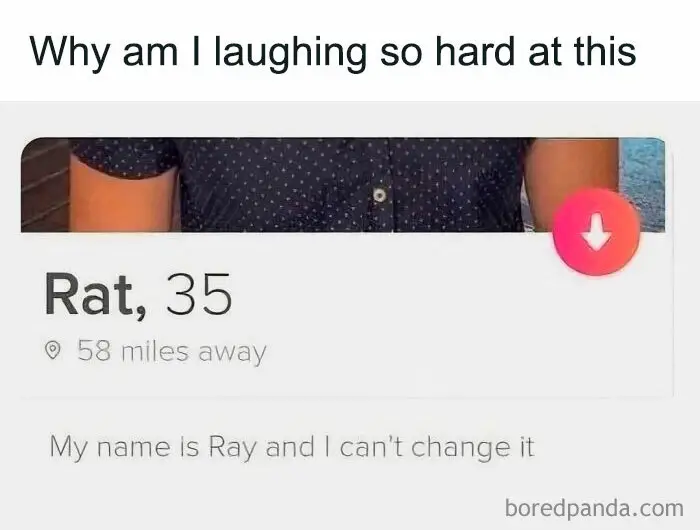
Class consciousness weaves through British humor like a thread through tweed. Jokes about regional accents, social climbing, and the peculiarities of different classes are omnipresent. The British can identify someone's background from a single sentence and will absolutely make jokes about it, often while simultaneously mocking their own class position. It's egalitarian mockery: everyone gets it, just in different flavors.
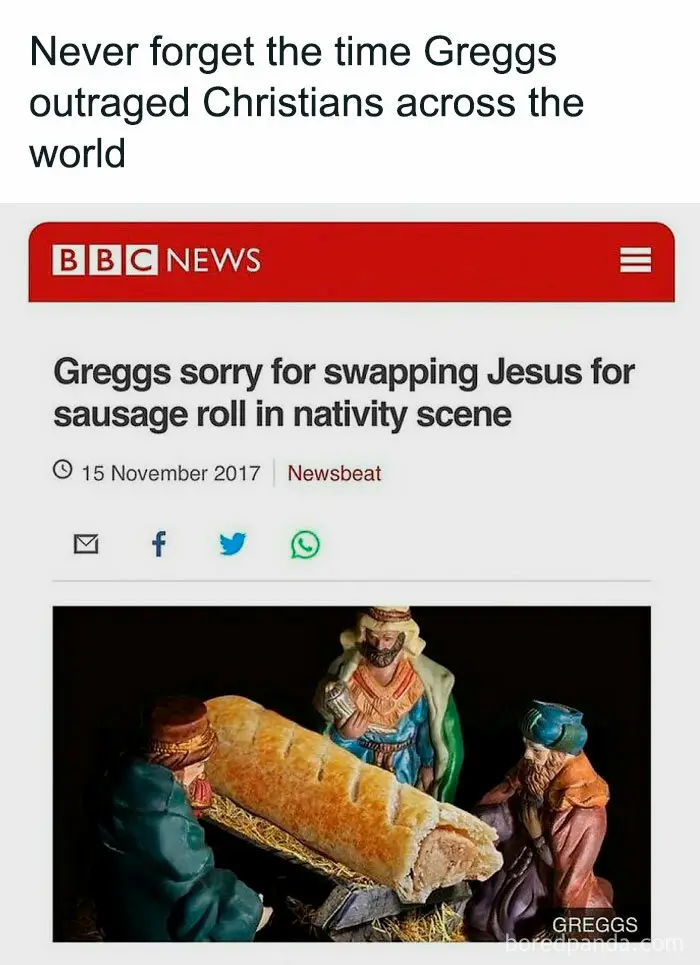
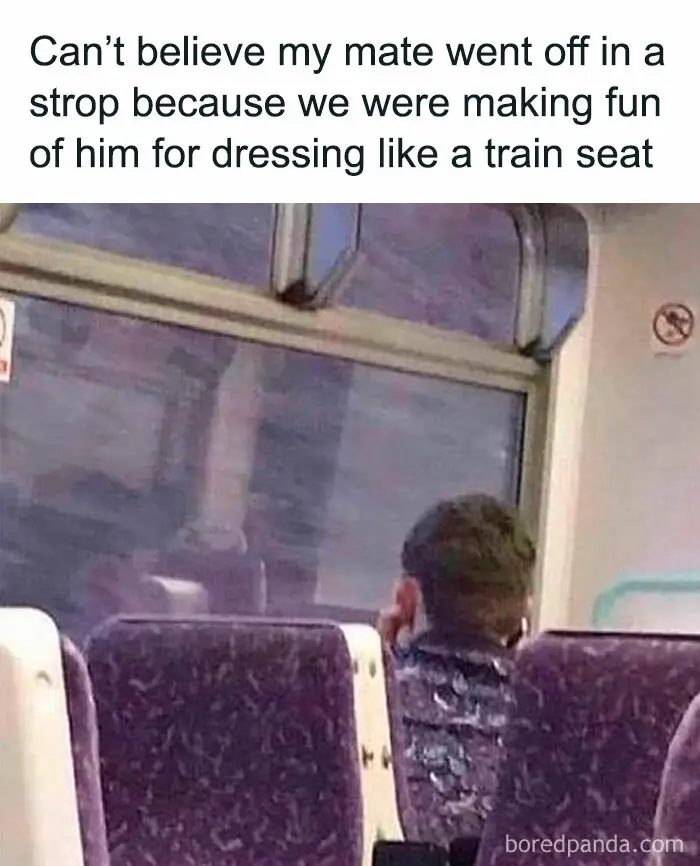

Cynicism and pessimism are also strangely central to British comedy. There's a cultural expectation that things will probably go wrong, the weather will definitely be terrible, and optimism is for people who haven't been paying attention. This isn't depression; it's a worldview that finds comfort and humor in low expectations. When things do go wrong, as they inevitably will, you can at least say you saw it coming and make a joke about it.



Perhaps most importantly, British humor relies on not explaining the joke. If you have to ask, you've already missed it. There's no sitcom laugh track telling you when to chuckle, no one pausing to make sure you got it. The comedy exists in the space between what's said and what's meant, in the raised eyebrow, in the perfectly timed pause, in the absence of emphasis where you'd expect it.