

Family can be a source of comfort, but that doesn’t mean relatives are entitled to every detail of our lives. Trust takes time to build, even among siblings, and when someone repeatedly crosses personal boundaries, sharing even the smallest piece of information can start to feel like a risk.
For one 22-year-old woman, that person was her twin sister, who had repeatedly pursued the men she liked, cheated with two of her former boyfriends, and spread lies that damaged her relationships and friendships.
Now, after eight months with a new boyfriend, she fears her sister will interfere again after their parents met him unexpectedly. The woman turned to Reddit to ask how she could protect her relationship when even her own family refused to take her concerns seriously.
When family members repeatedly cross boundaries, rebuilding trust can become harder than walking away

A young woman’s twin pursued her crushes, seduced her exes, and spread lies that damaged her relationships
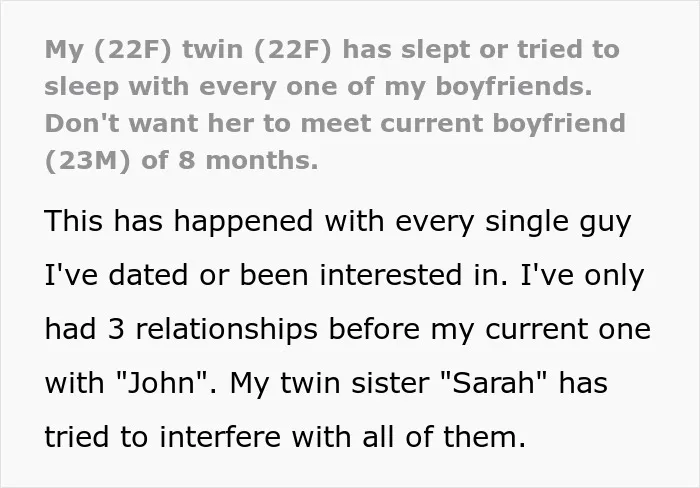


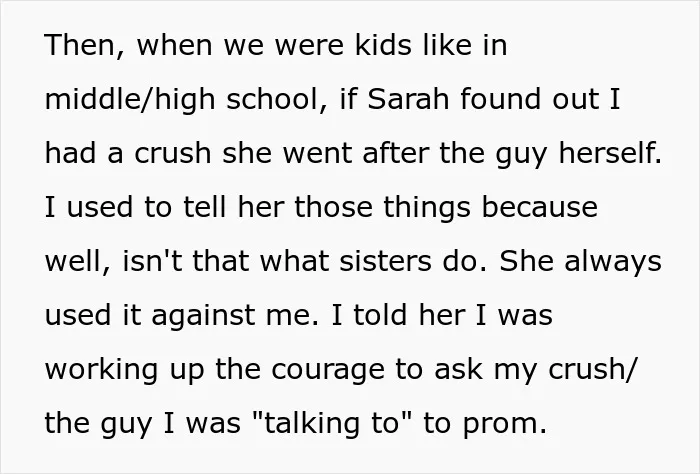
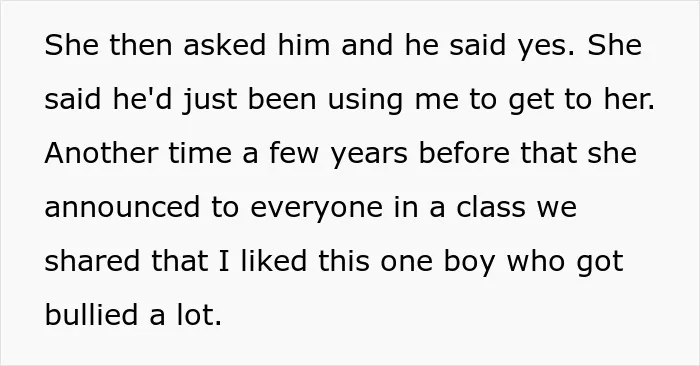

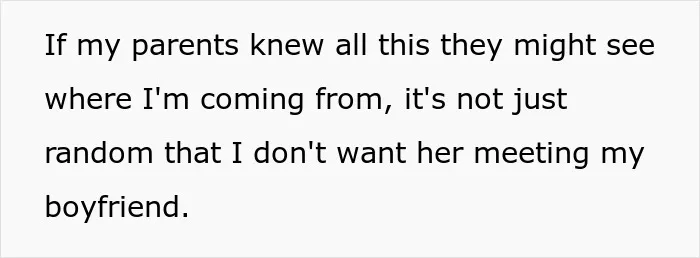
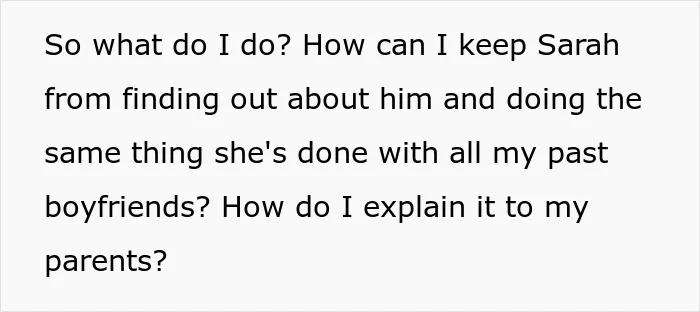
After years of lies and ruined friendships, the young woman feared her twin would target her new boyfriend


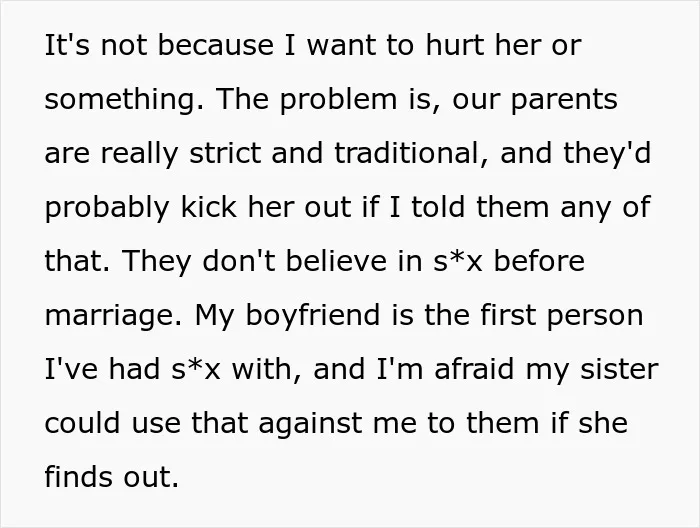
Her strict parents could turn against her if they learned about her intimate life, so she feared her twin’s next move
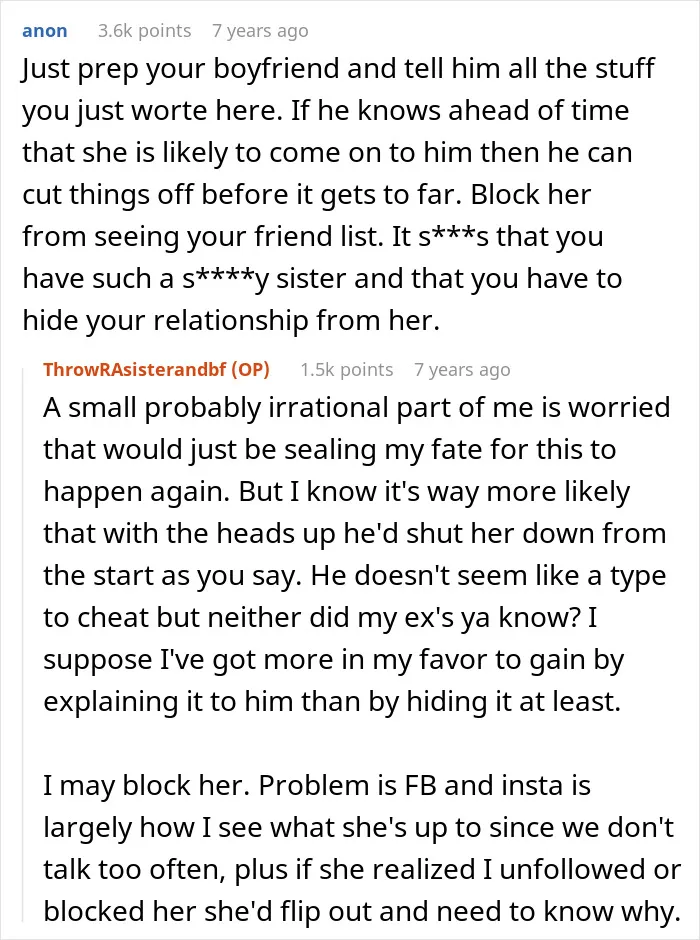
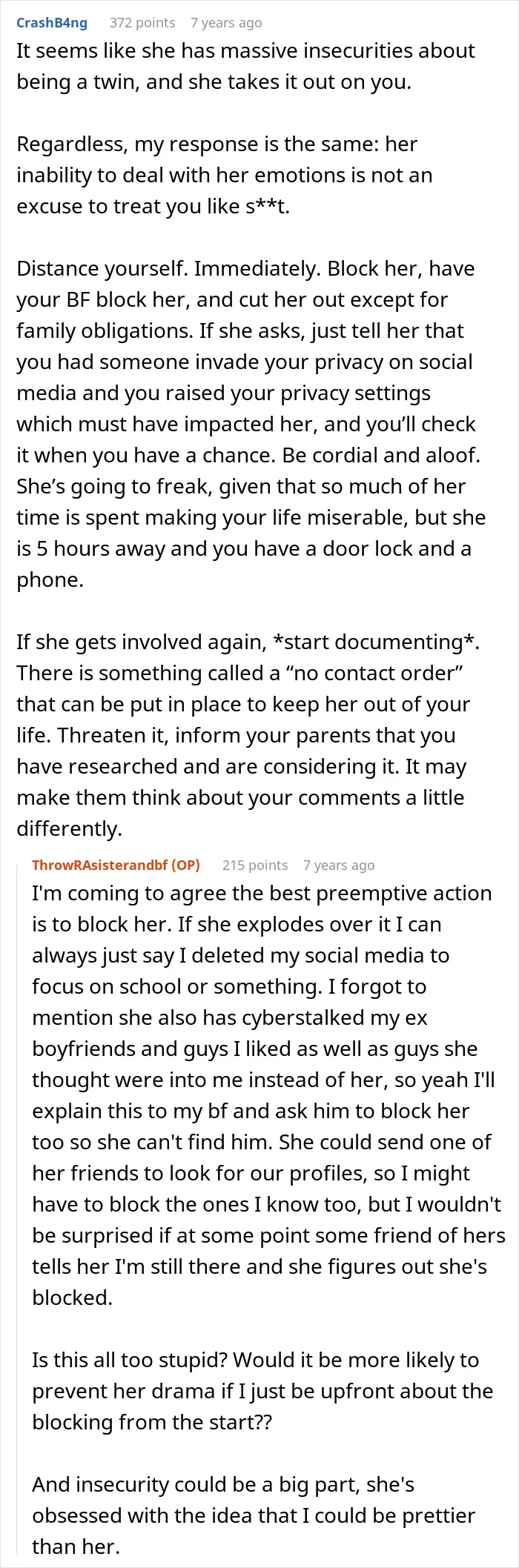
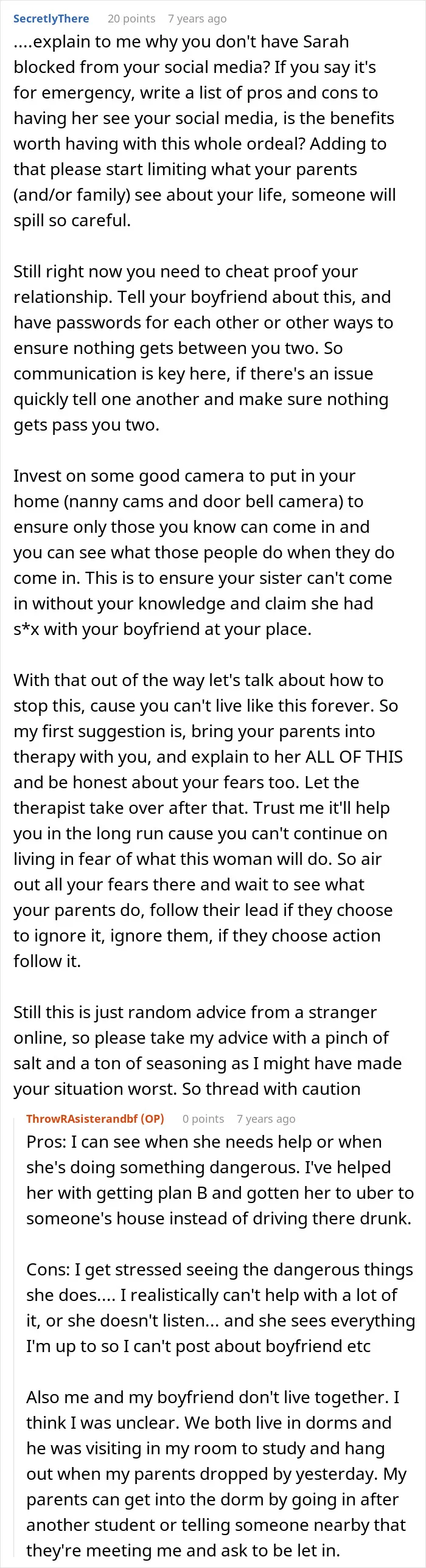
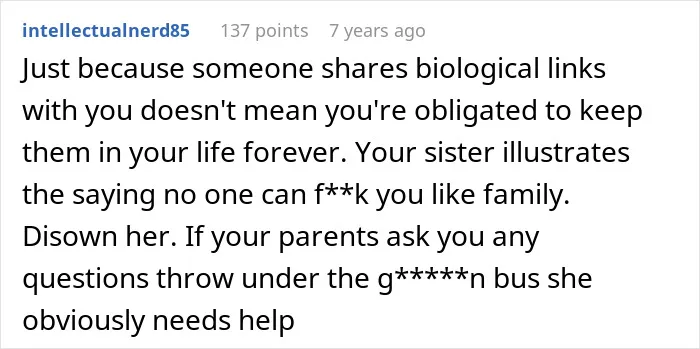
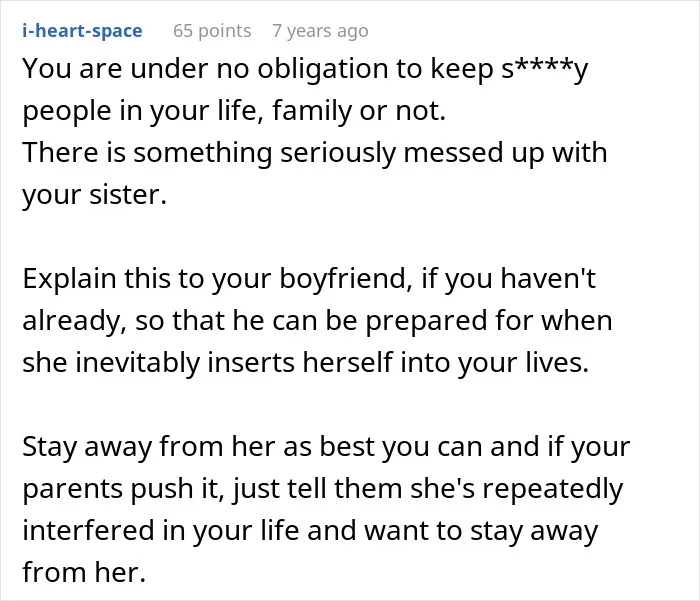
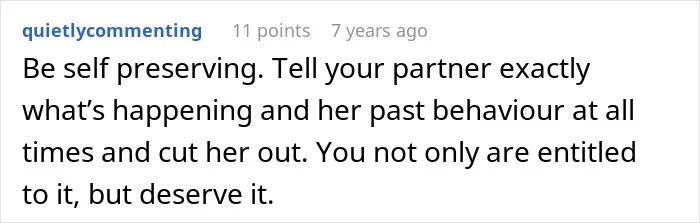
The community offered advice on setting boundaries and moving forward despite her family’s interference
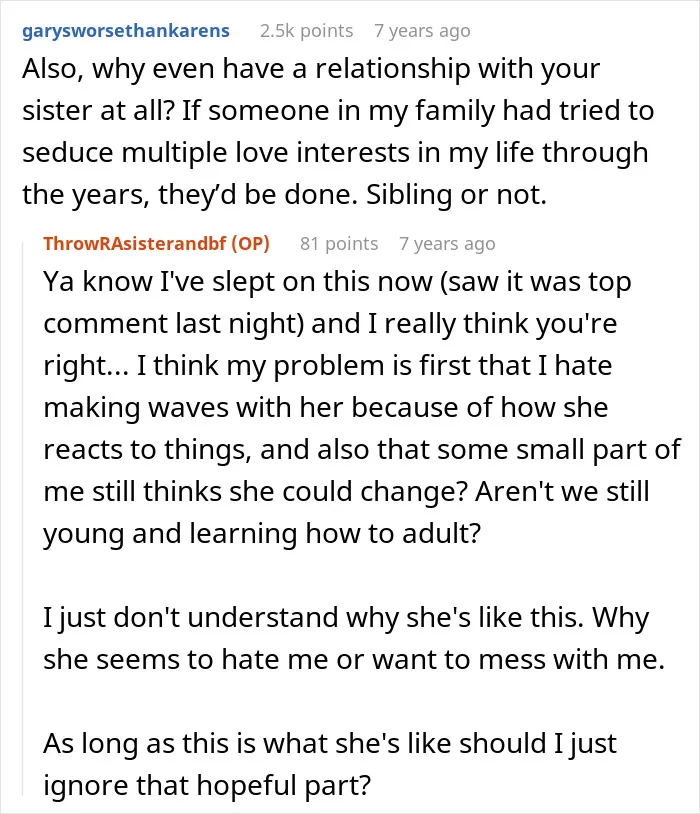




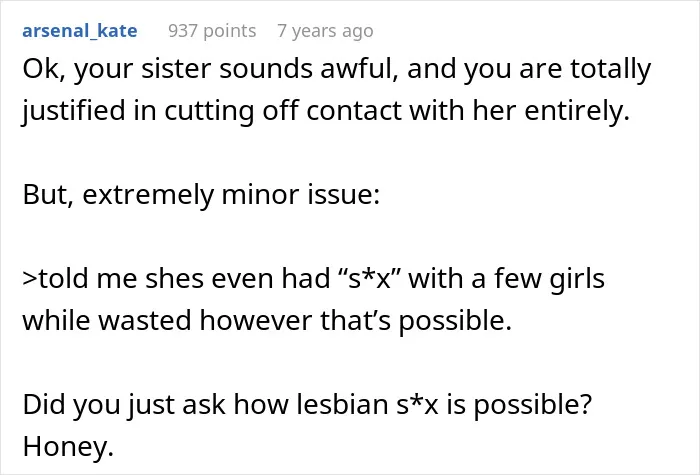
Some commenters pushed back against her views on LGBTQ+ intimacy and relationships



After telling her boyfriend everything, she blocked her twin, who immediately confronted her about it
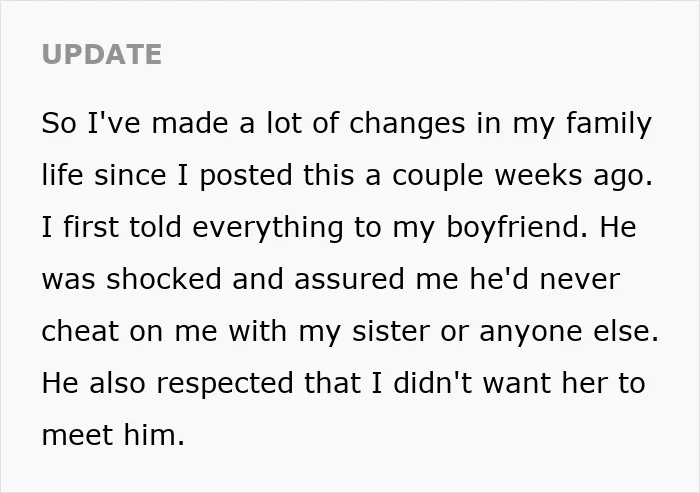
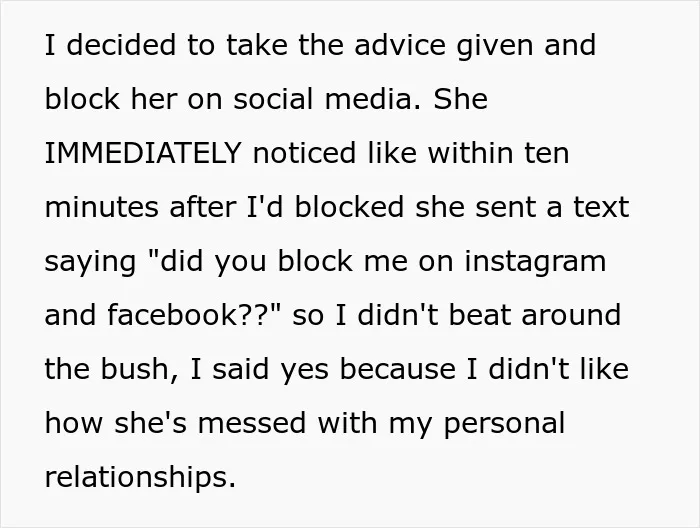
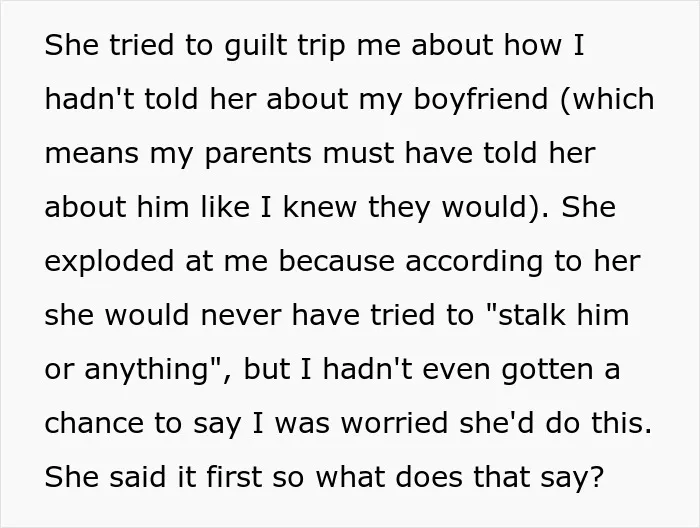
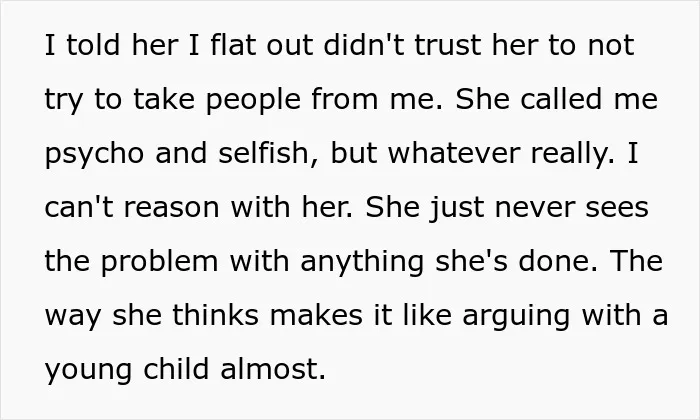
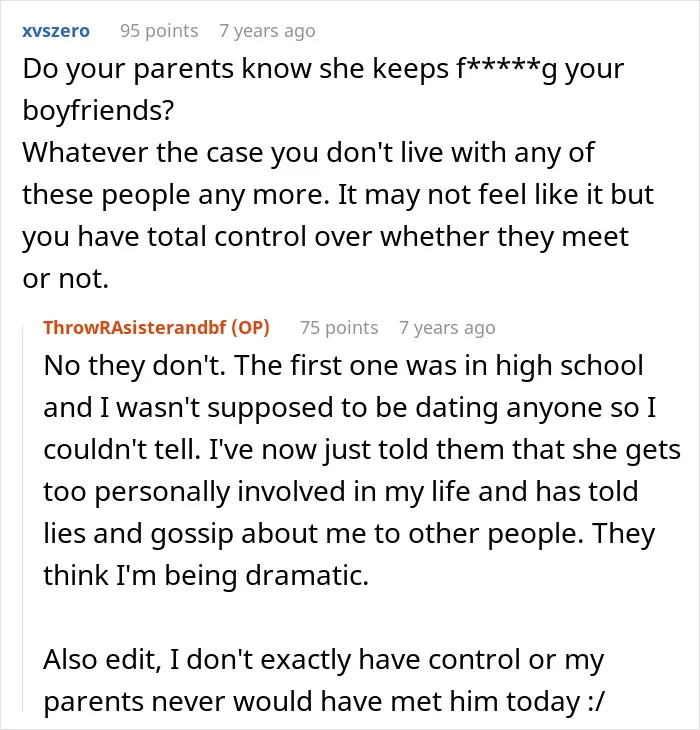
Her parents dismissed her concerns, pressured her to forgive her twin, and refused to respect her boundaries
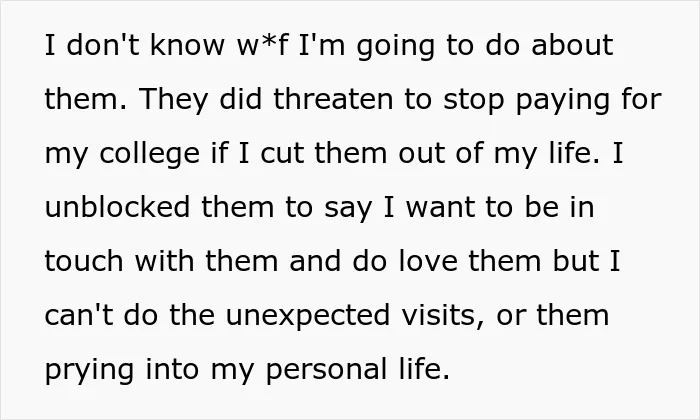
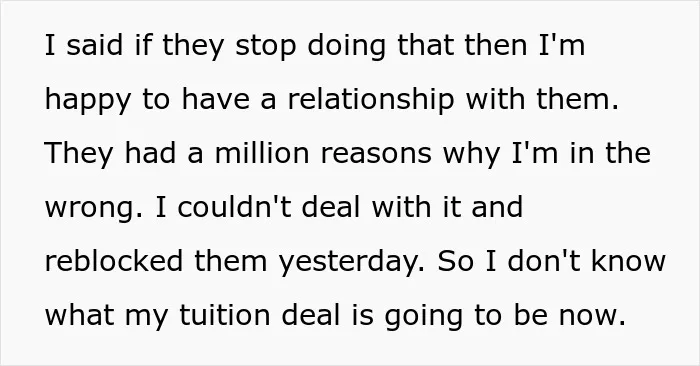
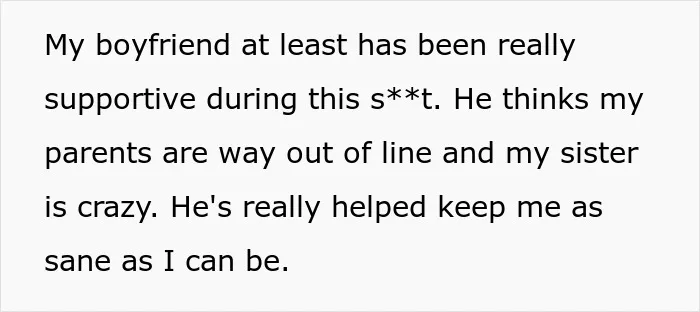

The woman chose to cut contact with her family altogether to prioritize her relationship and peace of mind
We’ve all heard about “evil twins”; we see them usually in fiction. It’s a well-known character who looks just like the main character but acts as their enemy. This trope usually involves an identical twin, clone, or double who shows the darker side of the protagonist. The fact that they look the same makes the conflict more disturbing, or, maybe, more interesting.
Us writers often use this character to make a close relationship more suspenseful. The twin knows the main character well, shares their past, and can use that knowledge to create problems. The trope is effective because it plays on a common fear: being betrayed by someone who should know you best.
In fact, stories about twins in conflict go back long before modern fiction. In Roman mythology, Romulus and Remus grew up together but later argued about where to build their city. Each brother wanted a different place, and neither would give in. Their shared dream soon became a bitter rivalry over who would lead the new city.
The story ends in a dramatic way: Romulus ends Remus’ life after Remus mocks the wall Romulus built around his chosen spot. While this is just a myth and not a proven historical event, it clearly shows how stories often portray rivalry between twins. When competition matters more than the relationship, even a shared goal can lead to conflict.
Today’s story proves that the evil twin trope isn't just a trope, but a thing of reality. If a sibling keeps lying, damaging relationships, or sharing private information to hurt someone, the harm can go far beyond just one argument. Many adults who stop talking to their siblings talk about years of letdowns, lost trust, and actions they can’t accept anymore.
For some people, cutting off contact is a way to protect themselves. Just because siblings grew up together or have the same parents doesn’t mean their relationship will always heal. Some people feel relief after stepping away from a brother or sister, while others find it hard to cope with the loss.
Usually, this choice comes after a long period of conflict, not just one fight, especially if they’ve tried many times to fix things without success.

When family members refuse to respect personal boundaries, whether it is a sibling or a parent, conflict is bound to escalate. Moving away to college offers an opportunity for privacy, chances to make their own choices. However, some parents find it hard to adapt.
If parents keep asking personal questions or ignore requests for privacy, it can lead to tension rather than a closer relationship. Young adults need space to choose what they share, when they invite visitors, and what parts of their lives stay private.
Research on parent-child privacy conflicts found that college students who did not often stand up for themselves when parents intruded felt the most psychological distress. This shows why unwanted visits and constant questions can be so stressful. The issue is not just that parents want to stay involved, but that they ignore their adult children's efforts to become independent.
That tension can become even harder to manage when parents dismiss one child's concerns or regularly show favoritism. Adults who feel less supported by their parents than their siblings often report more depressive symptoms. When there are bigger differences in how parents treat their children, siblings tend to feel less close.
Trying to keep the peace does not always fix family arguments. If parents push siblings to make up without addressing what caused the problem, the hurt person may feel ignored all over again. Rebuilding trust requires listening to those concerns; and when those concerns keep falling on deaf ears, choosing what to share becomes another way to protect yourself.
Thus, keeping parts of your life private can be healthy. You do not have to give everyone full access to your personal life, even if you are close to them. If someone has misused your private information more than once, it makes sense to stop sharing details. Deciding what to share is a reasonable way to protect yourself after trust has been broken, not a way to punish the other person.
Keeping something to yourself does not mean you are being dishonest or that your relationship is in trouble. Studies on secrets between romantic partners show that worrying about a secret doesn’t lead to a worse relationship later on. This is important because privacy and trust can go together, and people can have strong relationships without sharing every detail of their lives.
Do you think she made the right decision by cutting contact with her family, or should she have given them another chance? Leave a comment with your thoughts!
The internet supported her decision to cut contact and criticized her twin’s behavior

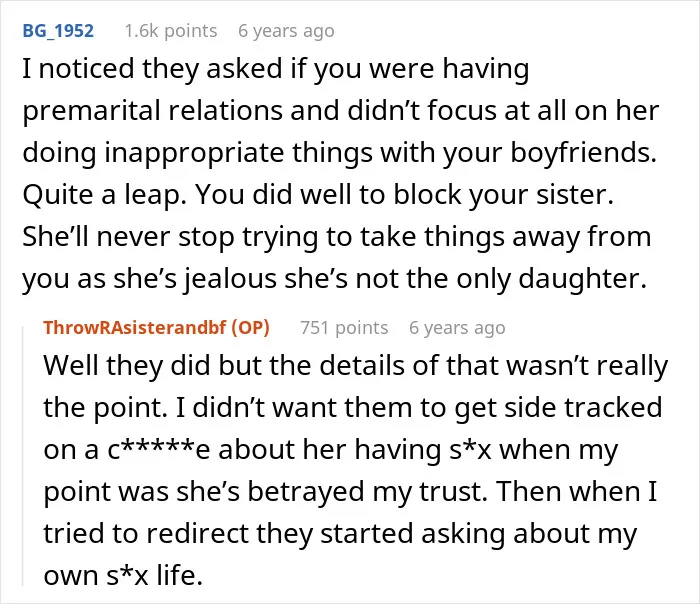
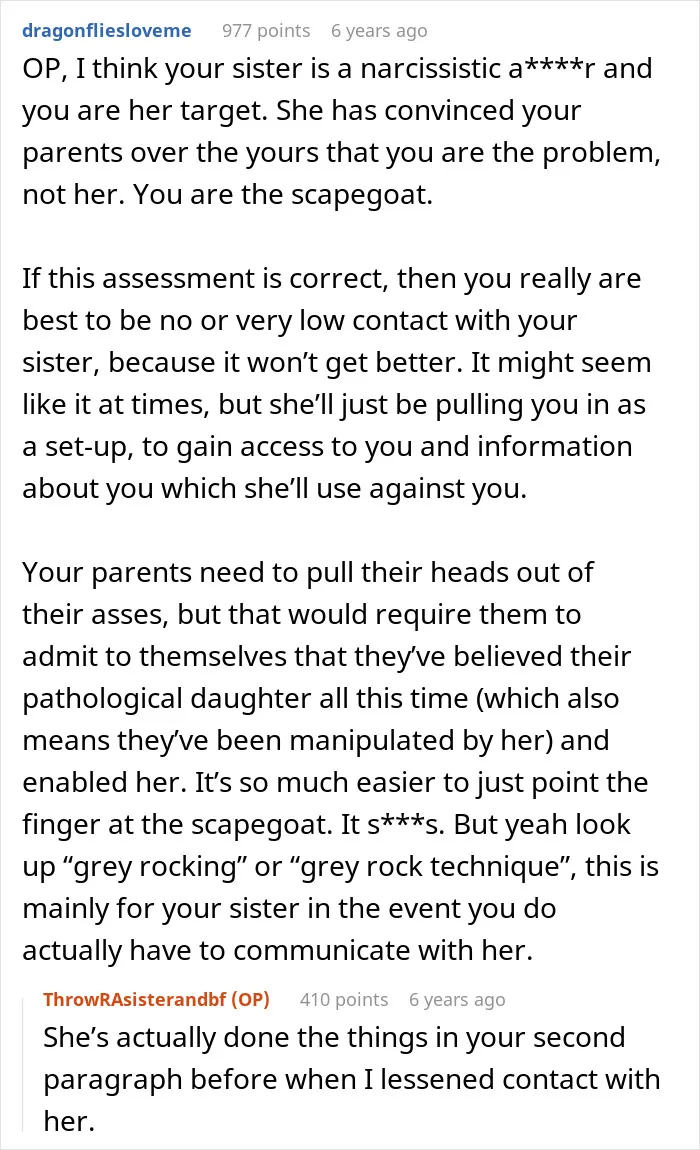

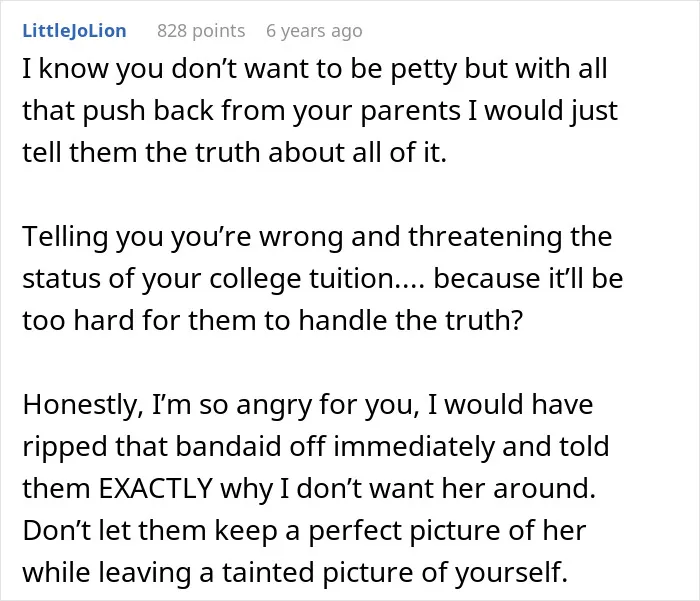


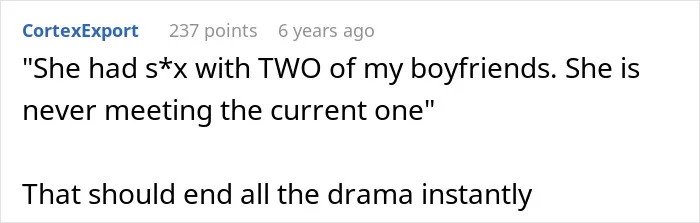
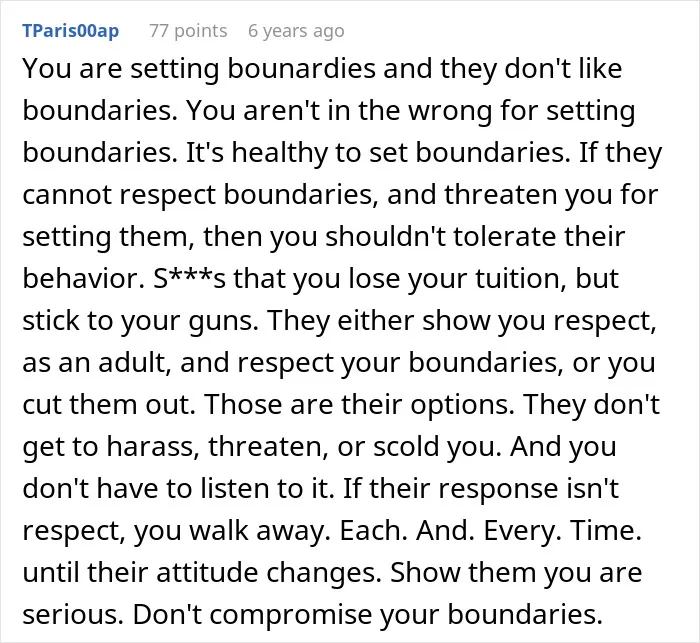
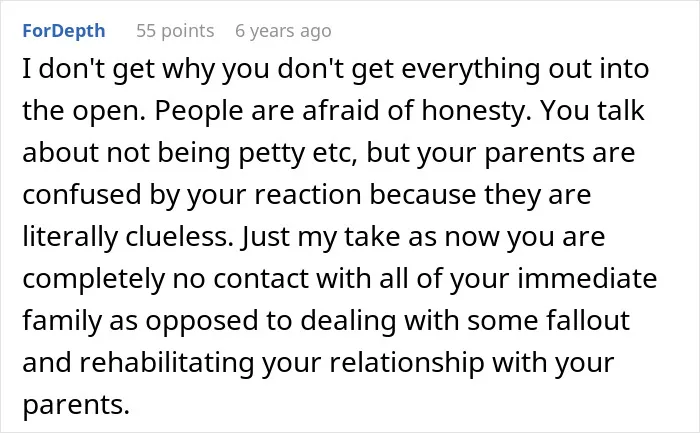
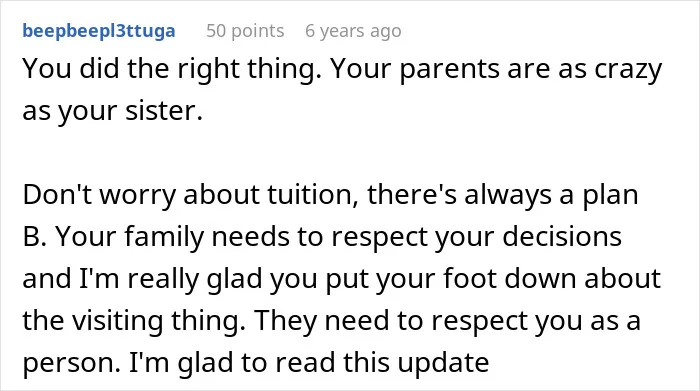
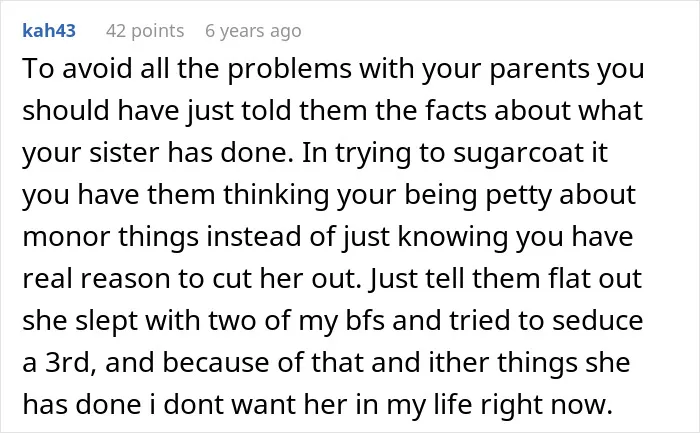

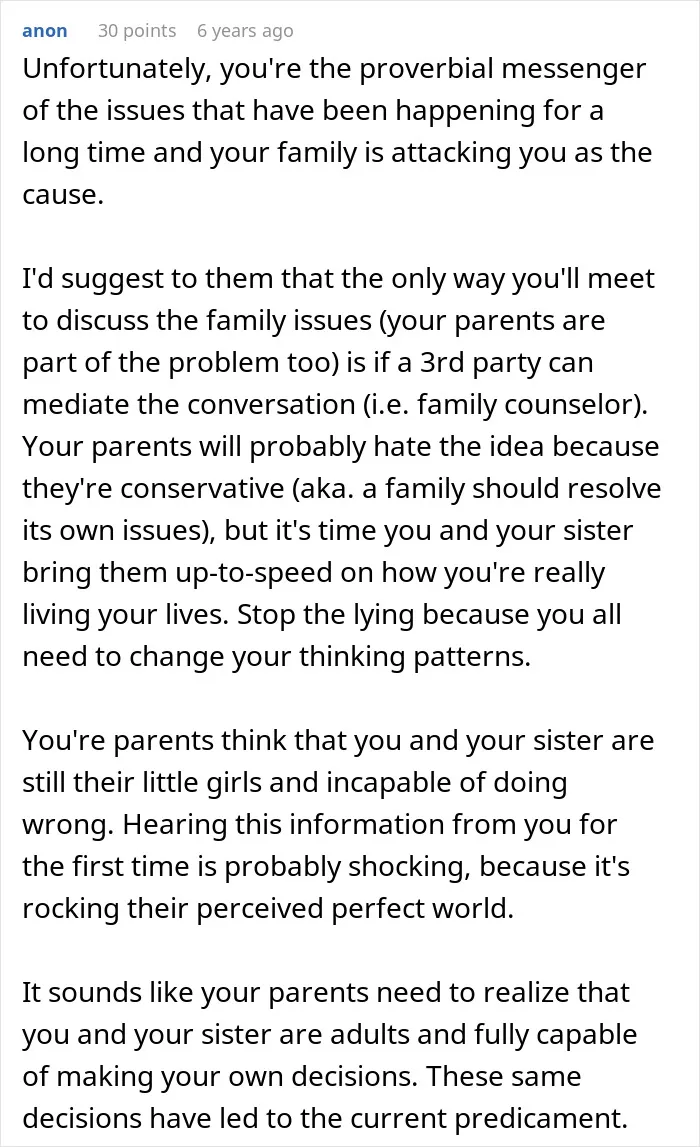
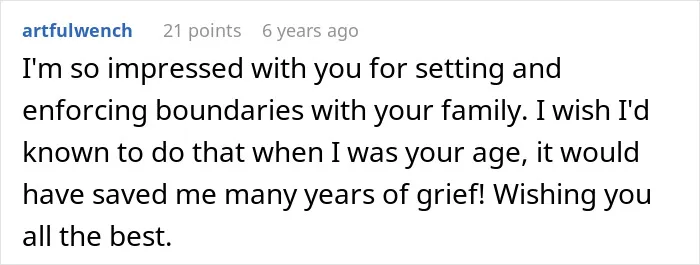
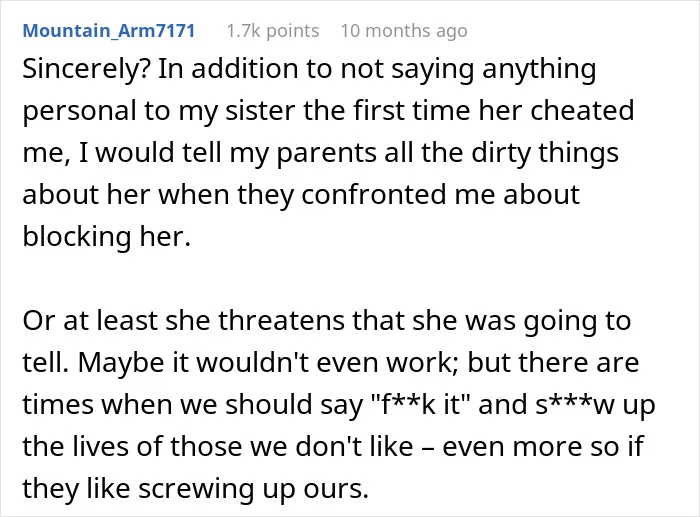
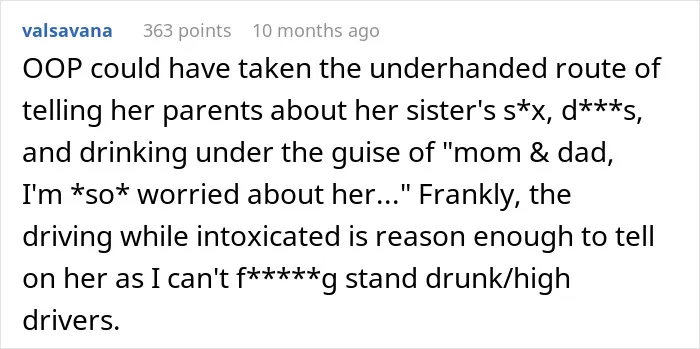
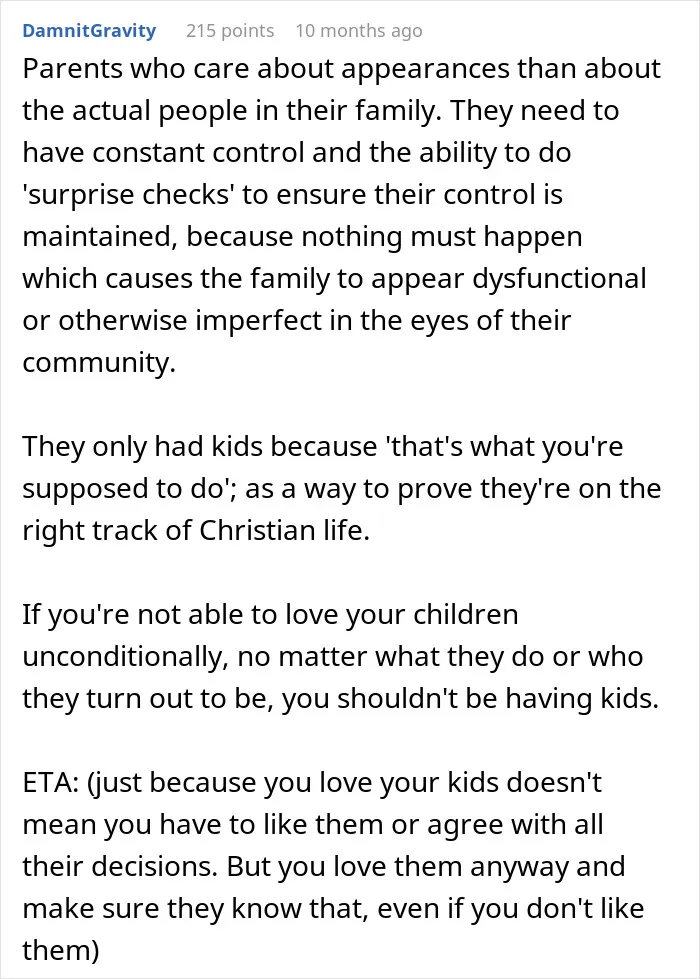
Other Netizens shared similar experiences and encouraged the young woman to move forward