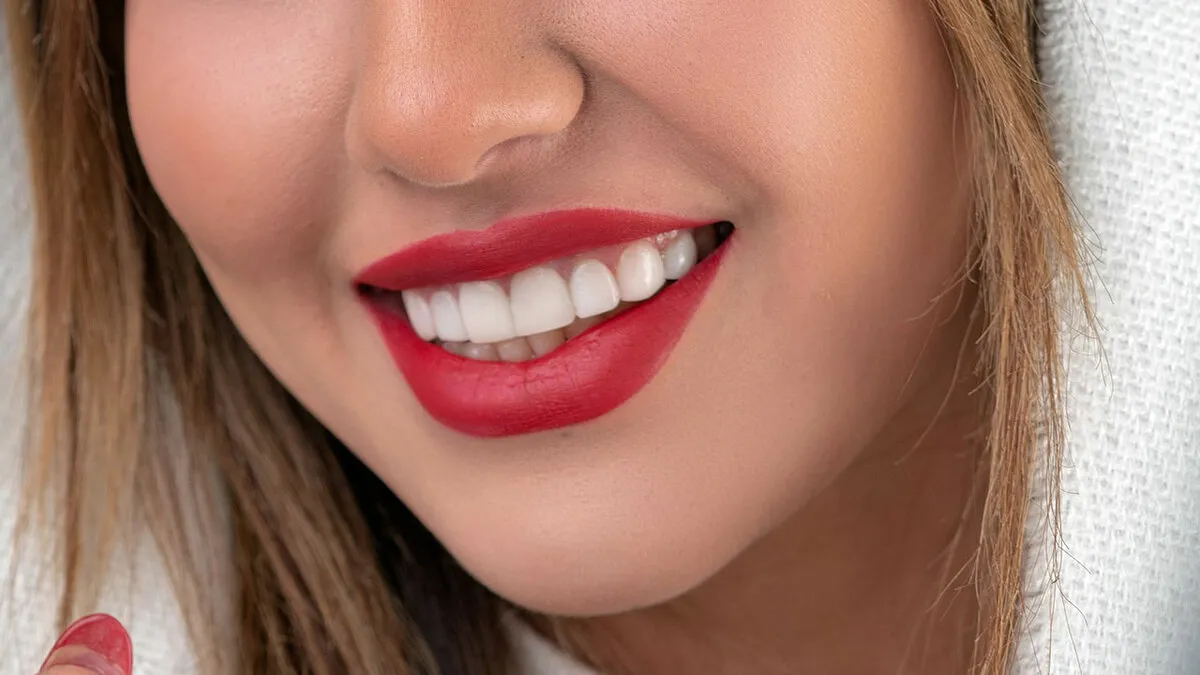
Twenty new teeth in Turkey cost about £3,000, or roughly $4,000. That price covers six nights at a hotel, plus a driver waiting at arrivals with your name on a card, and the whole job wraps up in a matter of days. The identical work at a private practice somewhere in England runs somewhere between £12,000 and £18,000, or around $16,000 to $24,000, spread across a month or two of appointments. Put like that, a flight to Antalya or Istanbul starts to look like the obvious choice. You get a week of sunshine and come home with the kind of smile you’d see in a toothpaste ad. Which is why roughly 500,000 people traveled to Turkey for dental work in 2024, according to the Council of European Dentists. But as tempting as the offer sounds, it isn’t without risks. An alarming number of UK dentists have seen patients come back from abroad with serious complications. Fixing these problems can cost more than the original trip. So, is jetting off for a brand-new set of pearly whites really worth the gamble? Amir SeilSepour/Pexels (not the actual photo) turkeyteethco “Turkey teeth” refers to a dental tourism trend in which people travel to Turkey for affordable dental work, particularly cosmetic treatments. Despite the name, it’s not a specific dental procedure. What people usually mean by it is a full set of veneers or crowns fitted across a few days, at a fraction of what private clinics charge back home. The phrase caught on through social media, where ordinary patients and famous ones alike boasted about dramatic before-and-after transformations. Researchers counted 700.8 million TikTok views under #TurkeyTeeth and 18,200 Instagram posts in a 2025 study published in the British Dental Journal. The result is a very particular look. Teeth come out blindingly white, usually bigger and squarer than the originals, and lined up so evenly that every one matches the next. Critics find the artificiality off-putting, but for plenty of patients it’s exactly what they want, and they go in asking for it. An entire industry has grown up in Turkey to meet that demand. The country had 35 higher education dental faculties in 2010, as reported by Euronews, and now has 105, according to the Council of European Dentists, with 54,062 dentists in active practice. TechSci Research valued the country’s dental tourism market at $284 million in 2024 and expects it to pass $1 billion by 2030. Towfiqu barbhuiya/Pexels (not the actual photo) Price is the obvious answer. Running a dental clinic in Turkey generally costs less than in the UK or the US, thanks to lower wages, cheaper rent, and other operating expenses. The exchange rate can also work in favor of international patients, allowing clinics to offer treatments at prices that would be difficult to match in Western Europe. Smile Dental Turkey, based in Antalya, advertises a full set of 20 zirconium crowns for £3,335, rising to £4,100 for extra-white and £4,250 for Emax, the premium ceramic usually recommended for front teeth. Each package includes six nights in a hotel, VIP airport transfers, X-rays, 3D scans and a set of temporary teeth to wear while the permanent ones are made. Dentatur, also in Antalya, advertises eight porcelain veneers for £1,600, with twelve at £2,400. Single porcelain veneers start at £200 a tooth. The package covers the hotel stay, airport and clinic transfers, X-rays, a dedicated coordinator and a five-year warranty, and the work is done across six working days. Compare that with a London practice. Dental Clinic London, in South Kensington, lists porcelain veneers from £1,095 per tooth, which works out at £6,570 for six and £8,760 for a full upper arch of eight. Prices drop outside the capital, but only so far: across 100 UK practices that publish their fees, the typical porcelain veneer costs £782 a tooth. Arda Kaykısız/Pexels (not the actual photo) But the clinics have another selling point: availability. Getting seen by the National Health Service (NHS), Britain’s publicly funded healthcare system, has become genuinely difficult. Nearly 600 practices in England have withdrawn from NHS dentistry over the last 10 years. Six in ten adults have not been to an NHS dentist in two years, and of those who tried to get a new patient appointment, just 38% succeeded, according to the NHS GP Patient Survey. Which means that even for routine work, flying to Turkey can work out more affordable than seeing a private dentist at home. Social anthropologist Diana Ibañez-Tirado found that out in 2022, when an infected tooth left her needing root canal treatment. On the NHS it would have cost £71, plus £307 for the follow-up crown, but she would have had to wait months for an appointment, and the pain had got bad enough that she couldn’t sleep. Privately, at the same clinic, she was quoted £1,300, which she says was more than half her monthly income at the time. So instead she flew to Istanbul for roughly what a UK extraction would have cost, had the tooth saved for £80, and reported no further trouble with it two years on. The following year she spent time in Antalya and Istanbul interviewing British patients to investigate the crisis of NHS dentistry. One woman she met in Istanbul, in her late 40s, had been quoted £1,200 for root canal work in outer London and paid £150 for the same treatment in Turkey. She stayed on for extractions and implants, including her front teeth, with a dentist two of her sisters had already used. Asked whether she was chasing a Hollywood smile, she said she had come because of the pain, though she wasn’t about to turn down a nice smile either. TARIK BAYRAM/Pexels (not the actual photo) Of course, a deal like that sounds too good to be true. And sometimes it is, when you don’t do proper research. A lot of the trouble comes down to what people think they’re buying. Most patients book a trip expecting veneers, which are thin shells bonded onto the front of a tooth. Fitting them usually means shaving off a sliver of enamel, often around half a millimeter, and some types need almost none removed at all. What a lot of people actually get is crowns, which cover the entire tooth. To fit one, the dentist files the tooth down on every side until what’s left is a small peg, removing between 60% and 70% of it. None of that grows back. A tooth reduced that much needs covering for the rest of your life, and every replacement set means more drilling. Filing into a healthy, living tooth also puts the nerve inside at risk, which can fail years later and lead to root canal work. Lisa Martyn, from Ireland, flew to Turkey in 2021 also expecting 26 veneers. The procedure cost her €3,500, around £3,000 or $4,100 at the time. She didn’t realize they were crowns. Ten months later she was dealing with constant nerve sensitivity and excruciating pain. She lost a lot of weight because she couldn’t eat properly, and eventually developed an infection and abscess that she says nearly paralyzed half her face. “My teeth are gone. They’re filed down so much,” she said in the BBC documentary Turkey Teeth: Bargain Smiles or Big Mistake? Her remedial treatment, including two rounds of root canal surgery, was set to cost more than €2,000 on top of what she’d already paid. At 48, she had been told her only long-term options were implants or dentures. The documentary’s presenter, NHS dentist Dr. Trishala Lakhani, ran a test of her own. She sent photos of her own healthy teeth to 150 clinics in Turkey and 50 in the UK. Of the 120 Turkish clinics that replied, 70 recommended crowns or veneers. One offered to fit crowns on 28 teeth and said it would take two days. Not a single UK dentist recommended any work at all. As a result, UK dentists have been dealing with the consequences. In a British Dental Association survey of 1,000 of them, 94% had examined patients treated overseas and 86% had dealt with complications afterward. Crowns topped the list of treatments needing follow-up at 87%, with implants just behind at 85%. The most common problems were failed or failing work, pain, and treatment that was simply done badly. kaboompics/Pexels (not the actual photo) Turkish dentists don’t agree with how their industry is being portrayed. Tarik Ismen from the Turkish Dental Association told Euronews that complication rates of 3% to 5% are normal for this kind of work and could happen in any country, and that at the time the article was published in 2022, none of the association’s 40,000 members had been struck off. On top of that, dentists in Turkey have to hold proper credentials. Every one of them has to register with the Ministry of Health, and those in private practice must join their regional dental chamber, according to the Council of European Dentists. Foreign-trained dentists, including many who arrived from Syria and Iraq, have to pass examinations in Turkish before they can practice. Turkey has also started tightening the rules. A new regulation published in the Official Gazette requires every health tourism facility to join a government digital platform called HealthTürkiye, and makes complication insurance mandatory for surgical procedures carried out on international patients. That requirement took effect on 1 January 2026. Researchers at the University of Liverpool suggest the criticism around dental tourism has a lot to do with how the press covers it. They looked at 131 UK newspaper articles on the subject published between 2018 and 2023, and found that over 92% of them came from tabloids. Most of those stories repeated what was already going around on social media, focused on the worst cases of pain and infection, and made fun of the patients instead of explaining the risks to readers. Graficon Stuff/Unsplash (not the actual photo) Plenty of people come back happy, with no health issues bothering them and grateful for the quick and cheap treatment they received. Plenty of others come back in pain, with work that needs redoing and bills they hadn’t planned for. The risks aren’t unique to Turkey. Crowns, veneers and implants can fail anywhere. One study tracked veneers over seven years and found around 8% of them failed, and that was with conservative, minimally invasive techniques. Bad clinics exist all over the world, so the real lesson here is to do your research properly before committing to anything involving your health. Whether it’s Turkey or your own country, it’s important to check credentials. Look for reviews on different platforms, not just the clinic’s own website. Verify what you’re being told, and get it in writing. A bit of extra care beforehand can save a lot of trouble later.