








This post may include affiliate links.


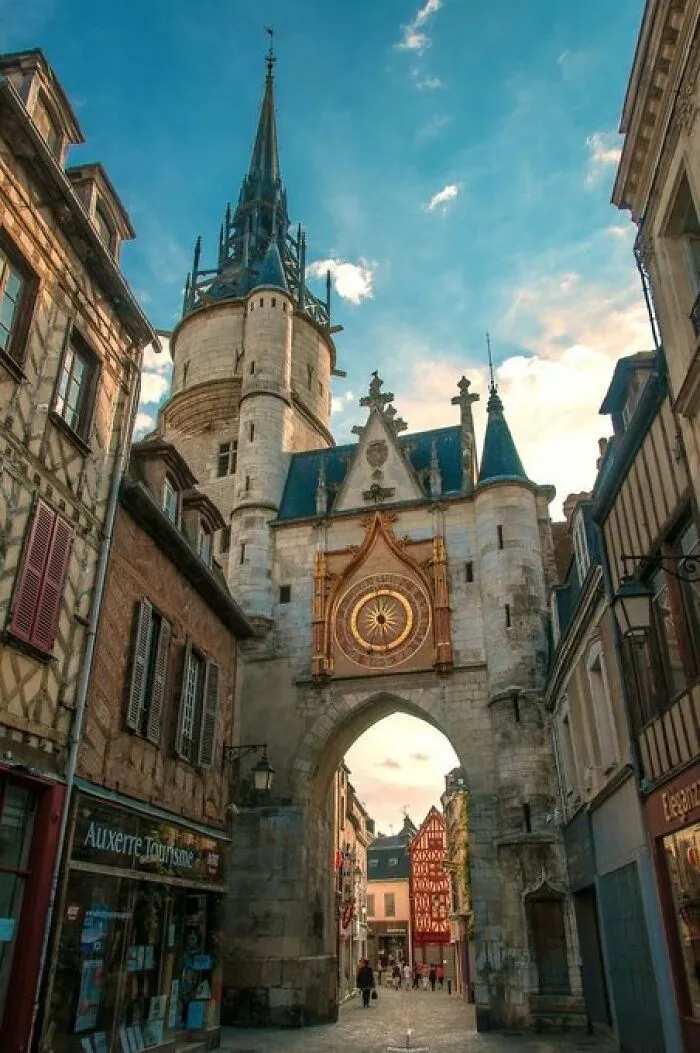
Looking at the buildings in this collection, it’s hard not to notice just how much work went into every little detail. Stone was carved into arches and intricate figures, while wooden doors and ceilings were covered in carefully made patterns.
Even windows could become works of art, with stained glass filling entire walls with color. It’s pretty wild to think that all of this grew from a time when humans were putting together simple homes from rocks and mud.



We don’t actually know exactly when people first started making their own shelters. According to Trimble, the earliest tents and simple huts made from things like sticks and animal hides left very little behind for archaeologists to study.
What we do know is that by the Neolithic era, humans were already putting together more permanent structures for protection.
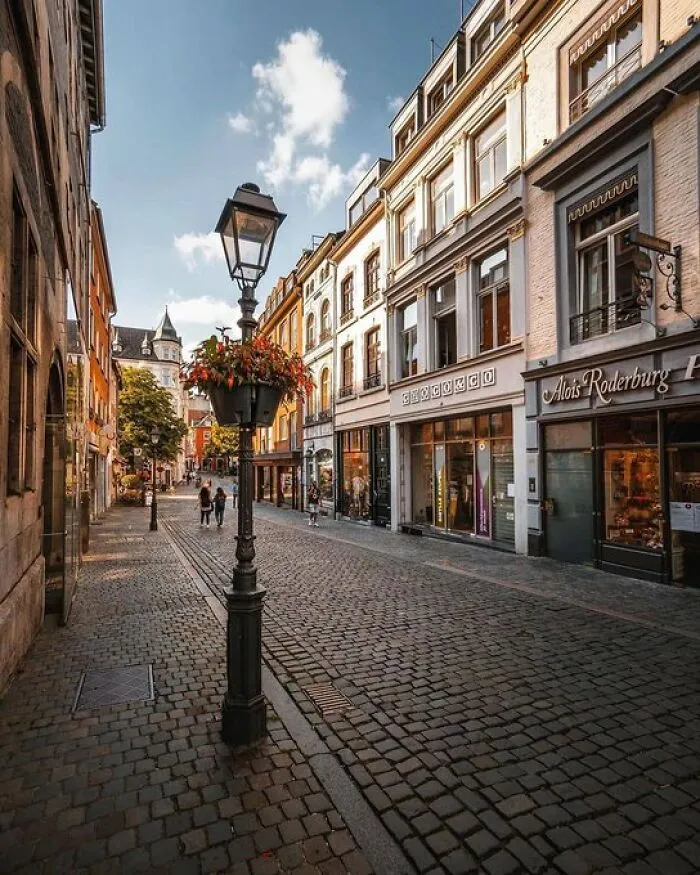
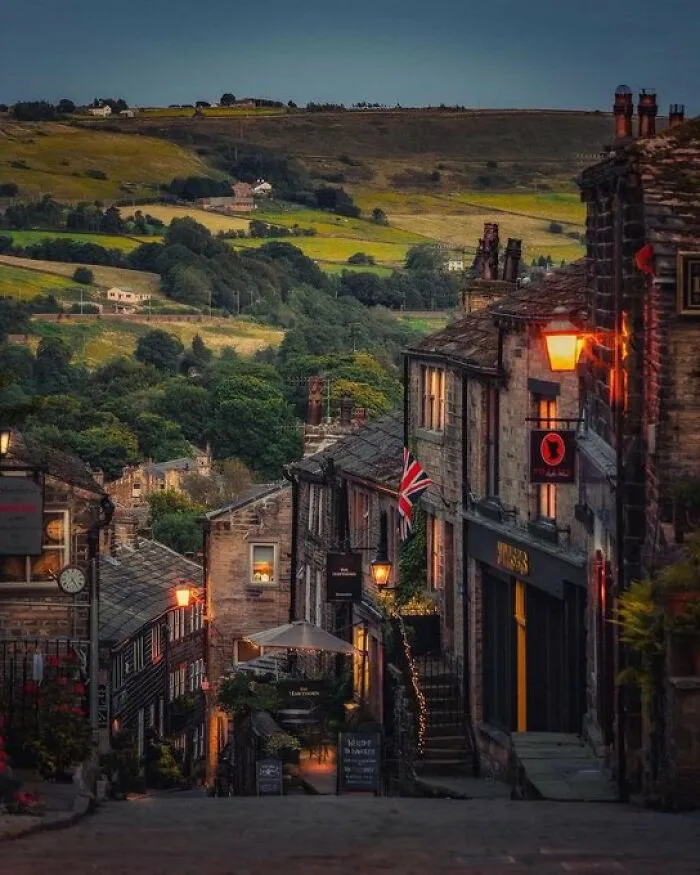
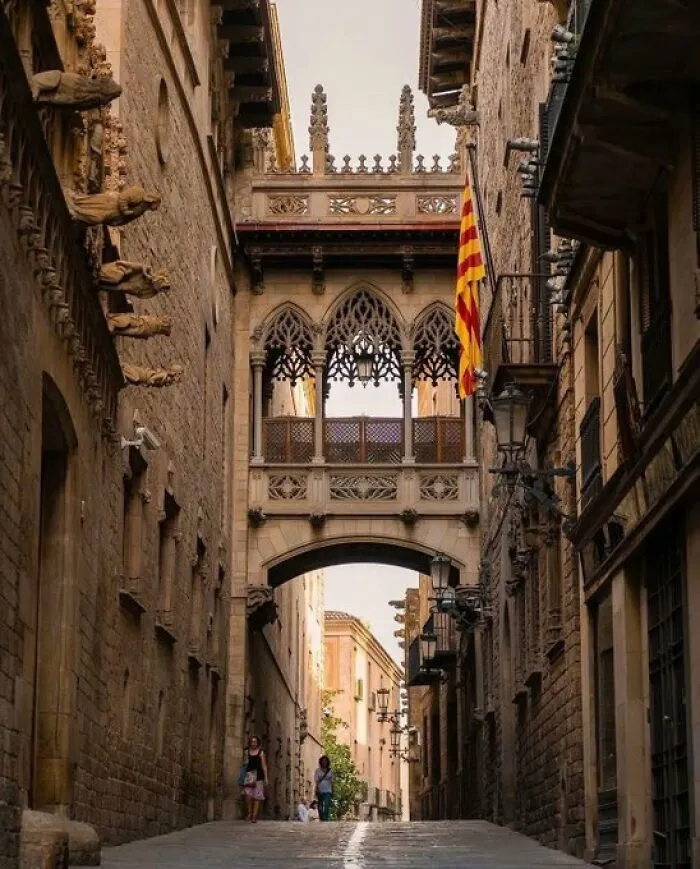
Once people began settling down and farming, what they made became more ambitious too. Communities grew, and eventually the first cities appeared. Trimble notes that this also encouraged people to think about how those cities worked.
Ancient Romans, for example, had aqueducts bringing in fresh water, while Greek cities were being laid out using planned street grids centuries earlier.


Some ancient civilizations were also proving just how much could be achieved with stone. In Egypt, enormous pyramids and temples appeared thousands of years ago.
Many were made from carefully cut blocks of granite and limestone, and the Egyptians managed to fit them together without mortar. The pyramid itself was also a clever engineering solution, since its wide base could support the huge weight above it.

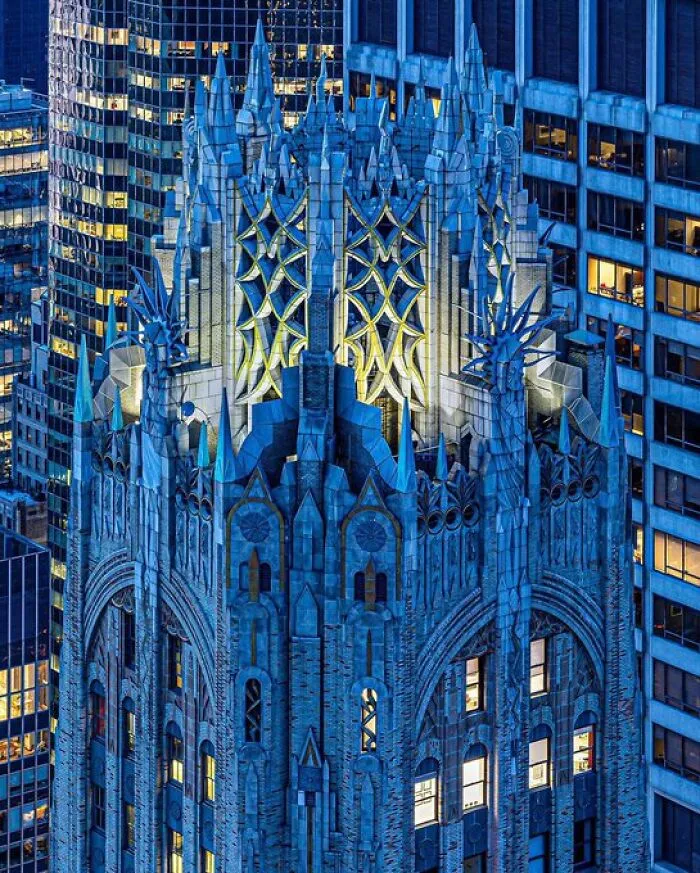

According to ThoughtCo, ancient Greece and Rome had a huge influence on Western architecture for centuries afterward. Greek builders placed a lot of importance on proportion and symmetry, using mathematical principles to decide how temples should look.
The Romans adopted many of those ideas, then combined them with new construction methods. Their use of concrete made it possible to build much larger spaces and impressive domed structures, including the Pantheon.



By the Middle Ages, architecture was reaching some pretty incredible heights. This was especially true for Gothic cathedrals, where new building techniques allowed structures to rise higher and made room for much larger stained-glass windows.
Detailed stone carvings also became a major part of the style. Famous examples such as Chartres Cathedral and Notre Dame in Paris came from this period.


