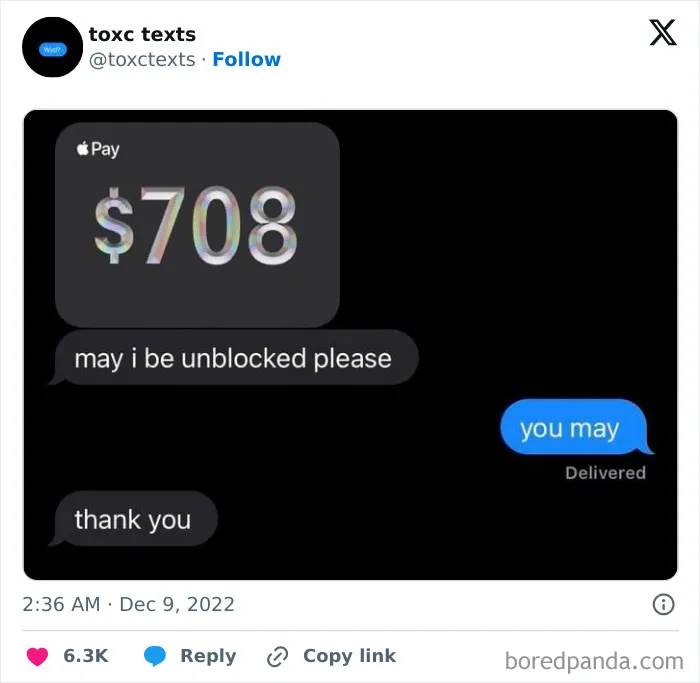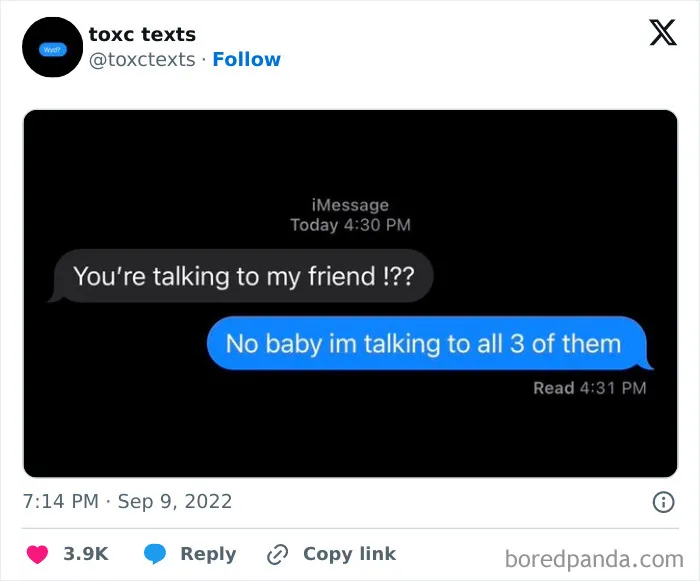

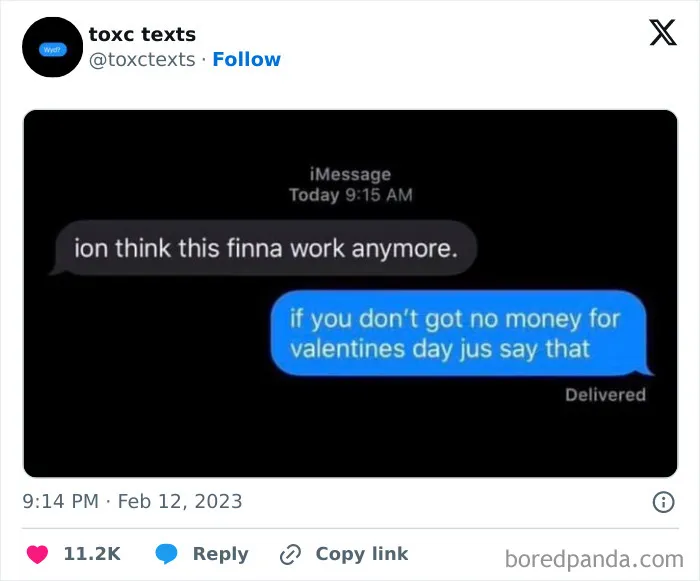
Behavioral psychologist Jo Hemmings notes that research has shown trolls tend to have an inability to build healthy relationships offline, which honestly tracks. If your primary source of entertainment is making strangers feel bad on the internet, that's probably not a sign that your Tuesday night book club is thriving. These folks are motivated by status, and attracting attention or upsetting people gives them a sense of self worth and importance that's likely lacking in their day to day offline lives. It's like being the villain in a video game, except the game is real life and nobody's having fun.
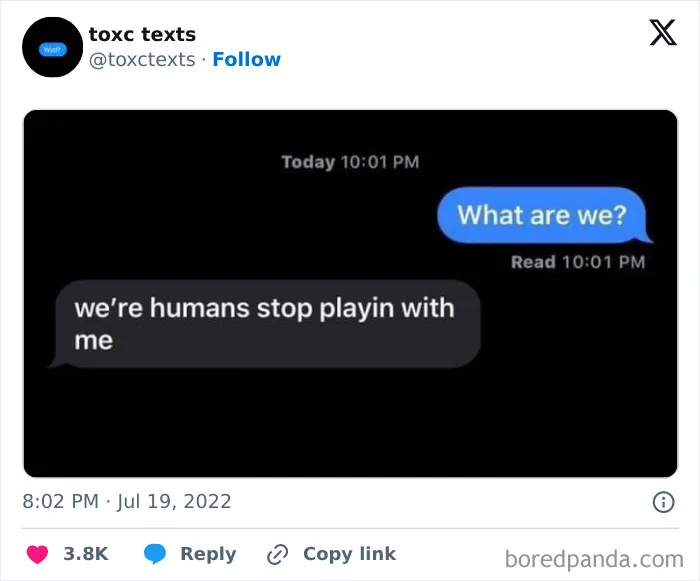
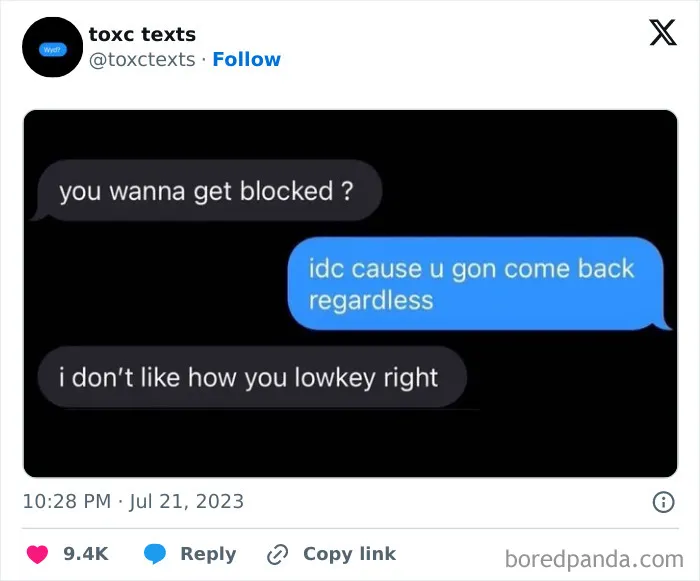
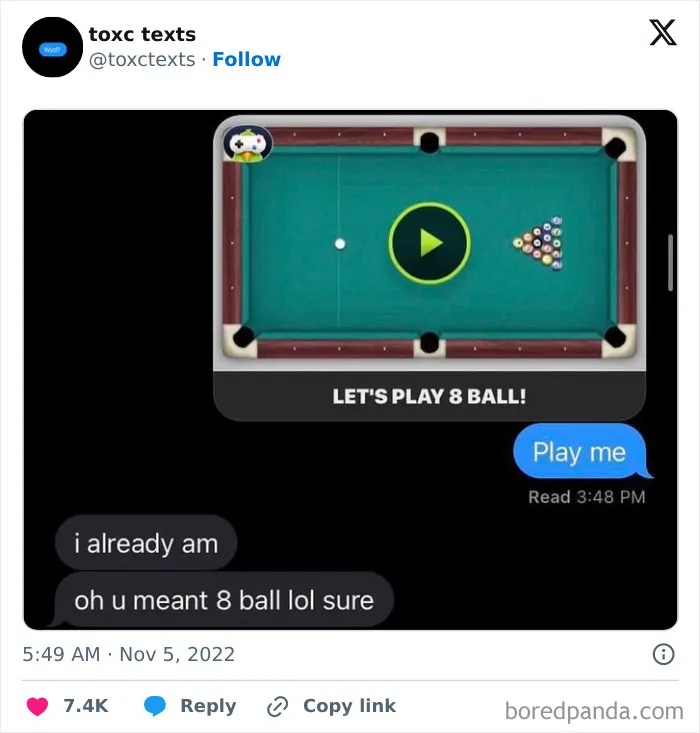
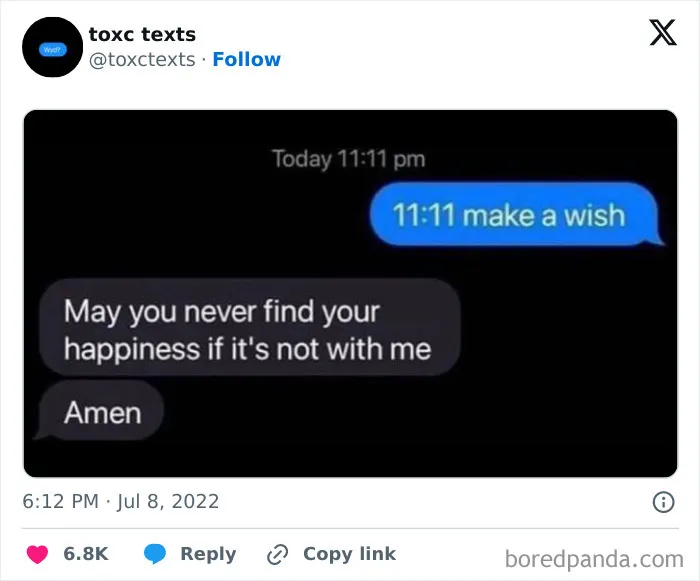
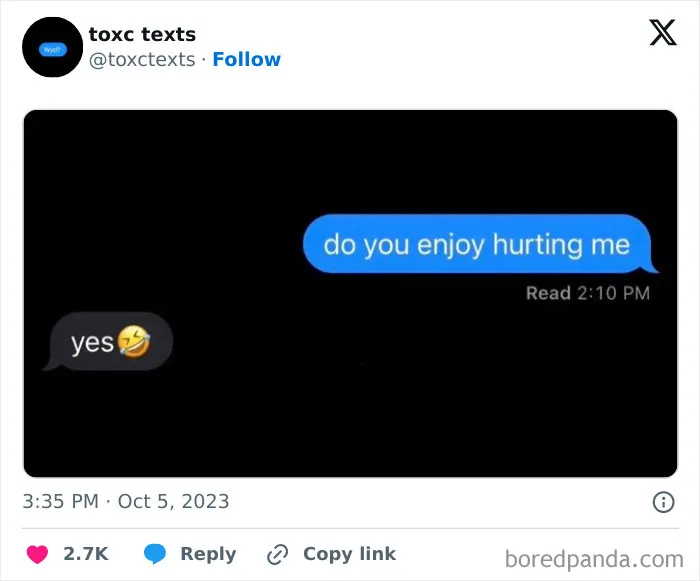
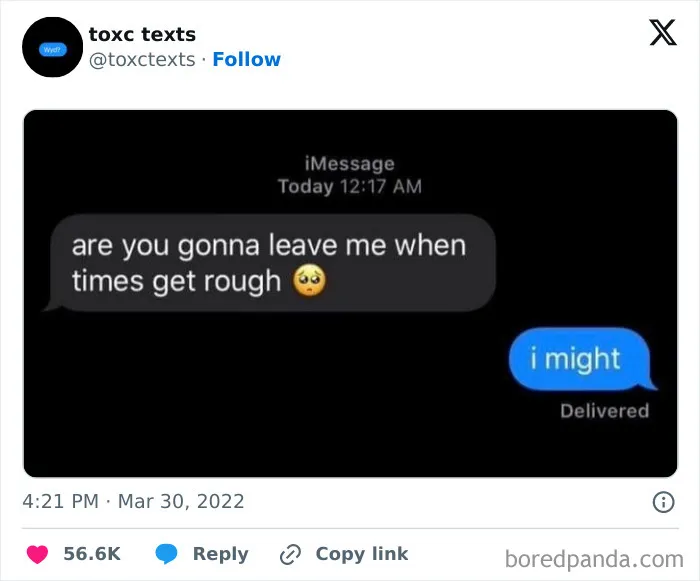
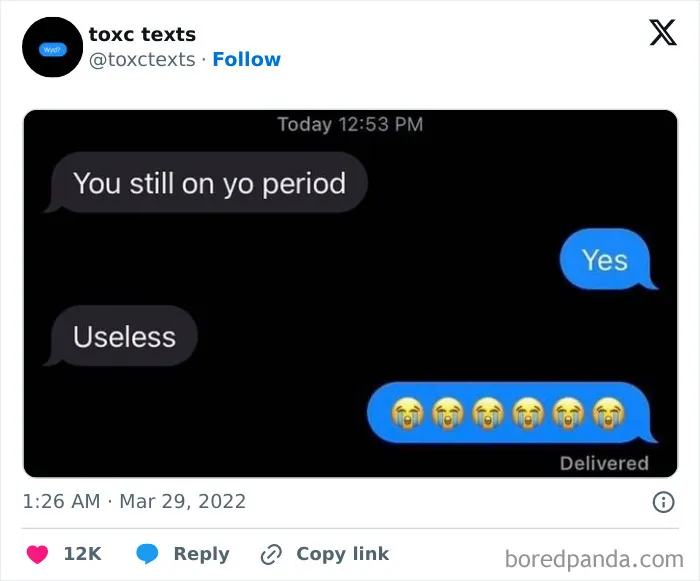
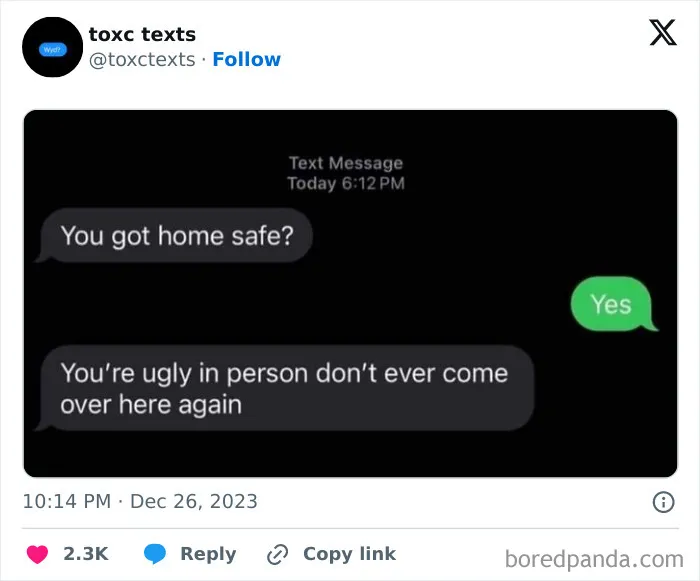
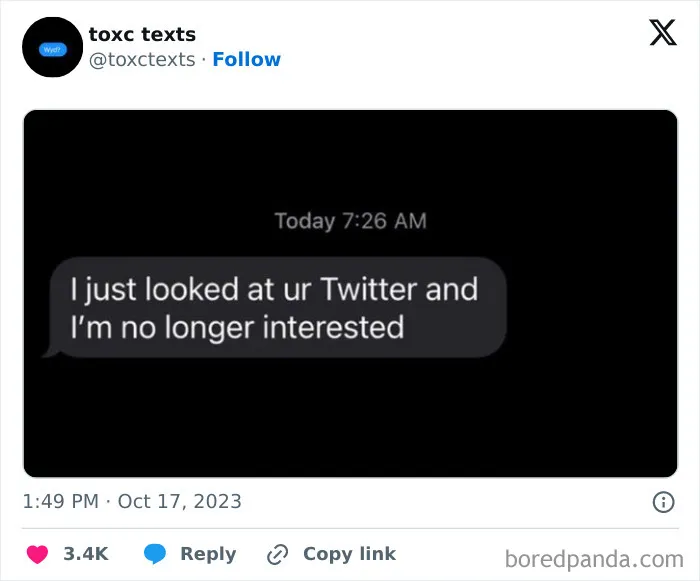
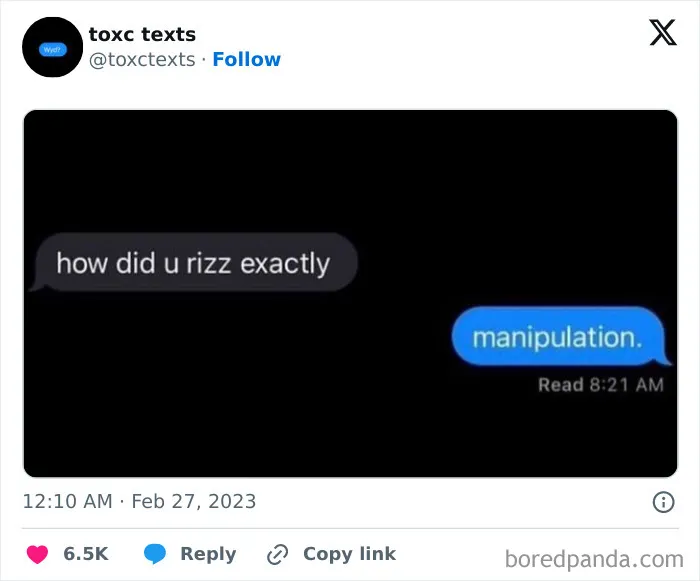
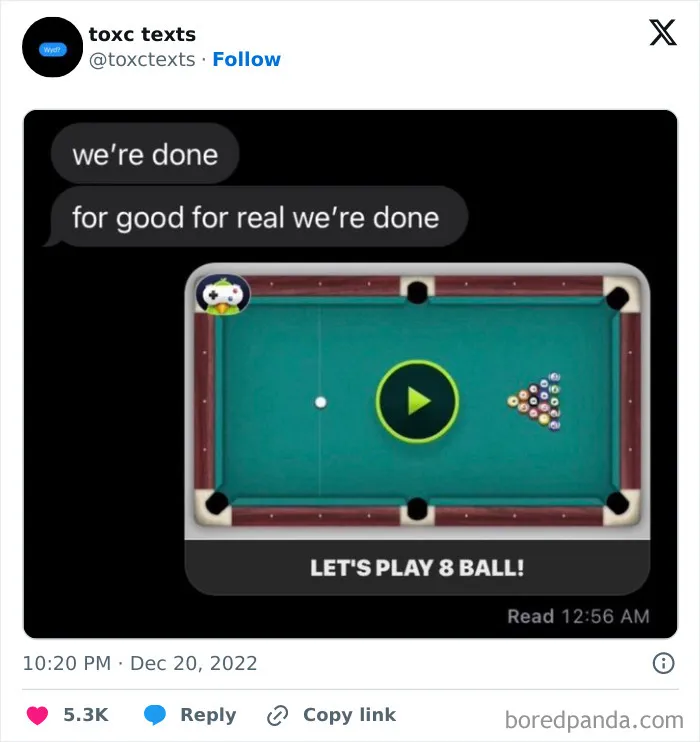
The text message version of this is equally bonkers. Text messages encourage laziness and passive aggressive behavior, creating a higher quantity of interactions but decreasing their quality. It's just too easy to fire off a snippy text when you're mad instead of having an actual conversation where you might have to, heaven forbid, regulate your emotions like a functional adult. Texting and other forms of computer mediated communication can make people more anxious because of the many ways one can interpret a message. That simple text saying "we need to talk" could mean absolutely nothing or it could mean your life is about to implode, and studies show that ambiguous texts are interpreted negatively, triggering bouts of anxiety.
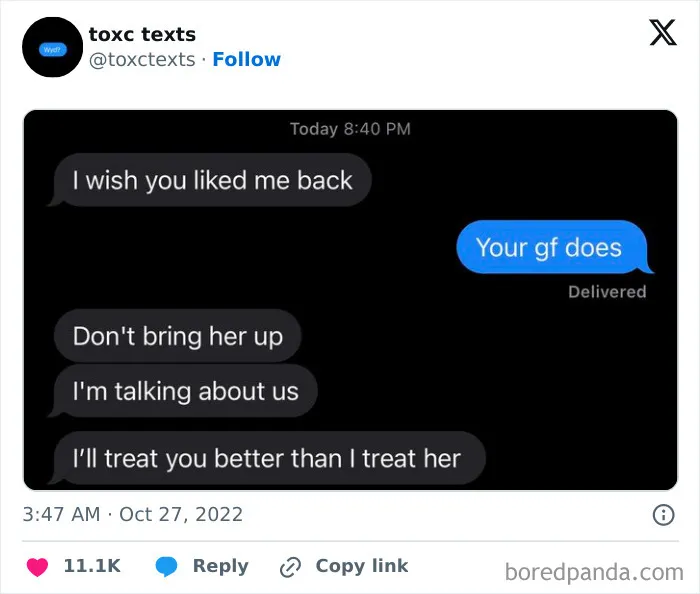
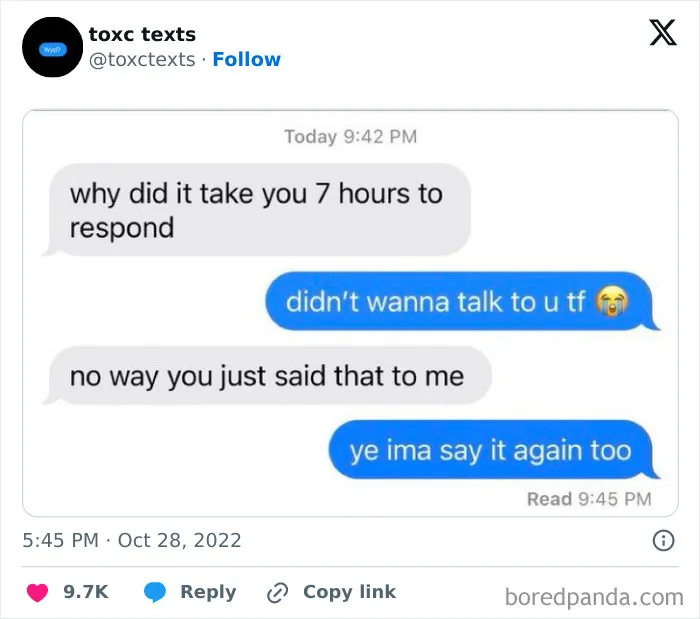
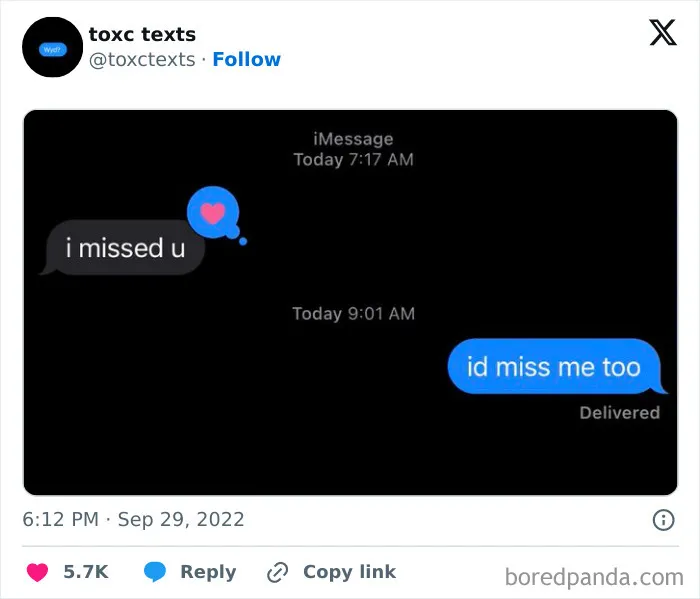
The really wild part is that people tend to attribute voices and imagined characteristics to written text based on their own expectations and not necessarily on the actual intended meaning or tone, which can lead people to act differently than they might in person. You're basically having a conversation with a version of someone you invented in your head, and then getting mad at the real person for what your imaginary version of them said. It's like being angry at someone because of a dream you had, except you're doing it constantly and calling it communication.
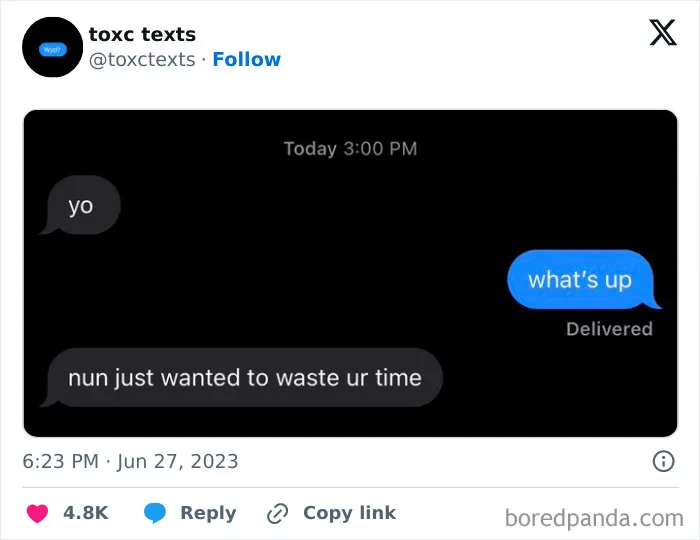
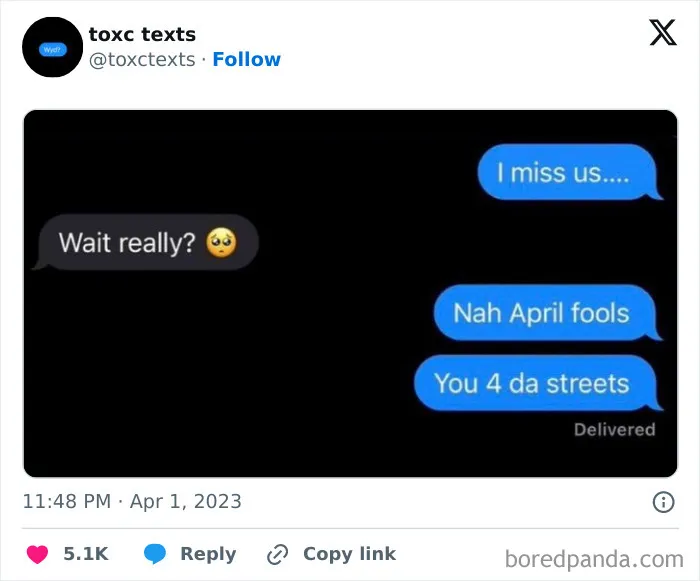
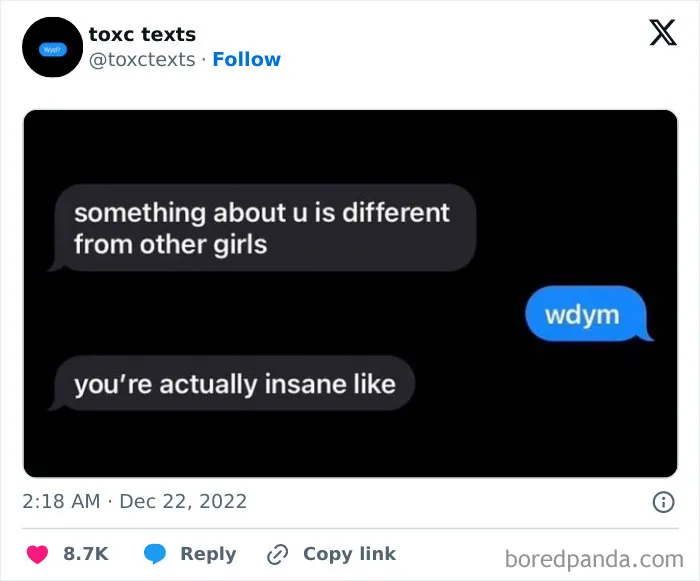
The internet also makes people view online interactions more as a game where real life rules don't necessarily apply. Authority figures aren't as big of a deal online, so people feel and act as equals, which can lead them to act differently than they normally would offline. Nobody's boss is watching them type mean comments on a recipe blog at two in the morning, so suddenly everyone's an expert food critic with a grudge against someone's grandmother's casserole. The tragic irony is that all this technological progress that was supposed to bring us closer together has just given us new and creative ways to be awful to each other from the comfort of our couches. We've got the ability to instantly connect with anyone on the planet, and we're using it to argue about things that don't matter with people we'll never meet while our actual relationships suffer from us being glued to screens. It's like being handed a miracle and using it to throw rocks at strangers.