






It probably doesn’t come as a surprise that most healthy relationships don’t fall to pieces in the blink of an eye. Instead, they gradually unravel through toxic habits you may not even realize are happening. While some of these traits are blatant and too obvious to ignore, others are so subtle that their true harmful nature often goes unnoticed. They show up as a remark that burns, an action that makes you feel unsafe, or even a pattern that leaves you questioning your own sanity. Whatever the form, dealing with these behaviors in a partner can be extremely challenging and emotionally draining. Because most toxic traits are low-key, we’ve compiled a list of 33 sneaky and unhealthy behaviors to watch out for in your relationship.
#21 Insensitivity

Struggling to see things from another person’s perspective is pretty normal sometimes. However, if your partner regularly leaves you feeling unseen, unheard, or like your feelings aren’t valid, it’s a major sign that they may lack empathy. While not always deliberate, this behavior is insensitive and reflects their inability to put themselves in your shoes or care about your inner experience.
Report
12points
#22 Hostile Behavior

Does having a conversation with your partner regularly feel more like an attack than an attempt to solve a problem? This is likely due to your partner’s hostility. Their negative behavior, often rooted in dissatisfaction and miscommunication, presents itself as frequent irritability, resentment, or a tendency to pick fights.
12points
#23 Being Condescending

There’s a fine line between giving someone constructive criticism and belittling them, and sadly, sometimes we get the balance wrong. If you’re constantly feeling put down by a comment your partner makes, they’re probably being condescending. This behavior often presents itself as them making belittling remarks, using patronizing speech, or even brushing off your ideas and feelings.
Report
12points
#24 Being Negative

It probably isn’t surprising that negativity can be extremely damaging to a relationship. If your partner is regularly complaining, teasing, criticizing, or speaking poorly of you, it’s a major sign that they’re overly negative. If repeated over time, this behavior ruins all positive feelings and, more often than not, introduces contempt into the relationship.
Report
11points
#25 Being Lazy

If you’re frequently feeling overlooked or taken for granted by your partner, they may have stepped into lazy territory. Laziness in a relationship often goes deeper than just your partner forgetting to load the dishwasher when it’s their turn; it usually presents itself as a lack of initiative, them making important decisions alone, ignoring special occasions, and even emotionally checking out.
Report
11points
#26 Being Judgmental

While having different opinions is perfectly normal, your partner struggling to accept yours and constantly imposing their standards on you isn’t. This behavior can be interpreted as them being judgmental and often stems from a deep-rooted superiority complex or their response to daily stress and anxiety. Over time, frequent judgment will eventually leave you feeling criticized and unsupported.
Report
11points
#27 Being Impulsive

Spontaneous impulsivity isn’t a bad thing and can actually make a relationship more exciting. But when your partner frequently acts without thinking, especially when it comes to making major decisions, increased conflict and instability in the relationship are likely. Unfortunately, repeated impulsivity doesn’t just affect their decision-making but also negatively impacts their emotional regulation, spending, and even their communication.
Report
10points
#28 Reckless Behavior

If your partner disregards your safety by frequently engaging in risky behavior like unsafe actions, that’s a major sign that they’re reckless. This behavior not only ignores potential negative consequences but also disregards your concerns, leaving you feeling fearful and exposed. One example of such behavior is your partner driving at an unsafe speed with you in the car every time they feel upset.
Report
9points
#29 Being Cynical

It’s probably no shock that cynicism in a relationship can be very toxic. If your partner displays a deep-seated mistrust of you or constantly finds fault with you or your relationship, there’s a good chance that they’re a cynical person. Usually stemming from past hurts or trauma, this behavior will eventually harm intimacy, create more conflict, and possibly push you away from them.
9points
#30 Controlling Behavior

A partner who tries to dictate what you should wear, how you behave, and even how you communicate with others is most likely engaging in controlling behavior. They will often use tactics like manipulation, gaslighting, or constant criticism to gain power over you, leading to you feeling insecure and unsafe.
Report
9points
#31 Being Argumentative

Simply put, argumentativeness describes people who enjoy arguing just for the sake of it. So, if your partner habitually starts fights over the smallest issues and constantly appears defensive, there’s a good chance that they’re argumentative. While engaging in debate can be healthy sometimes, when it becomes a pattern, it can be a tense, frustrating, and even emotionally draining experience.
9points
#32 Alienating Behavior

A controlling partner may deliberately isolate you from your friends and family so they can gain greater power over you and the relationship. To do this, they’ll often dominate decisions, manipulate your emotions, monopolize your time, and ignore your boundaries, leaving you feeling alone and unsafe.
9points
#33 An Excessive Need For Perfection
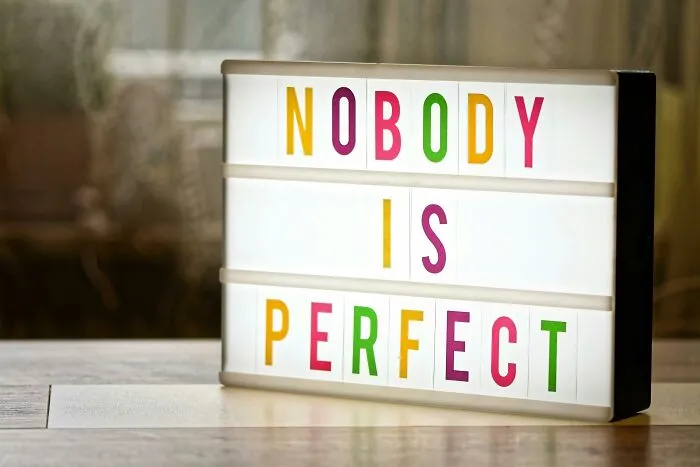
Having standards in a relationship is important and healthy. However, if your partner sets unrealistically high standards for you or your relationship, this is a major sign that they’re a perfectionist. Wanting the best in a relationship isn’t necessarily toxic, but constantly judging or criticizing your behavior will eventually lead to conflict and resentment.
Report
8points