

What actually makes a city great? Not just a good place to visit for a long weekend, but a genuinely compelling place to live, work and build a life. Is it the economy? The culture? The quality of the air you breathe on the way to work? The answer, according to Oxford Economics' 2026 Global Cities Index, is all of it, and then some.
The index ranks 1,000 cities across five categories: economics, human capital, quality of life, environment and governance. It is the most comprehensive city benchmarking tool in the world, and its 2026 results are out. New York, London and Paris hold the top three. But the more interesting story is what is happening everywhere else.
The world's top 1000 cities have been ranked and the top spots remain dominated by some unsurprising names
But if you look past the obvious names, it is clear that Asia will be dominating the list in the near future
Before we get into the bigger picture, here are the cities that came out on top in 2026:
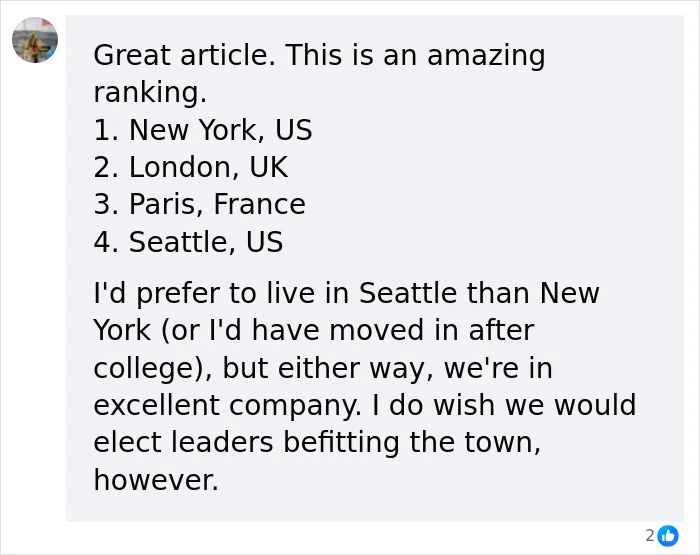
- New York, USA
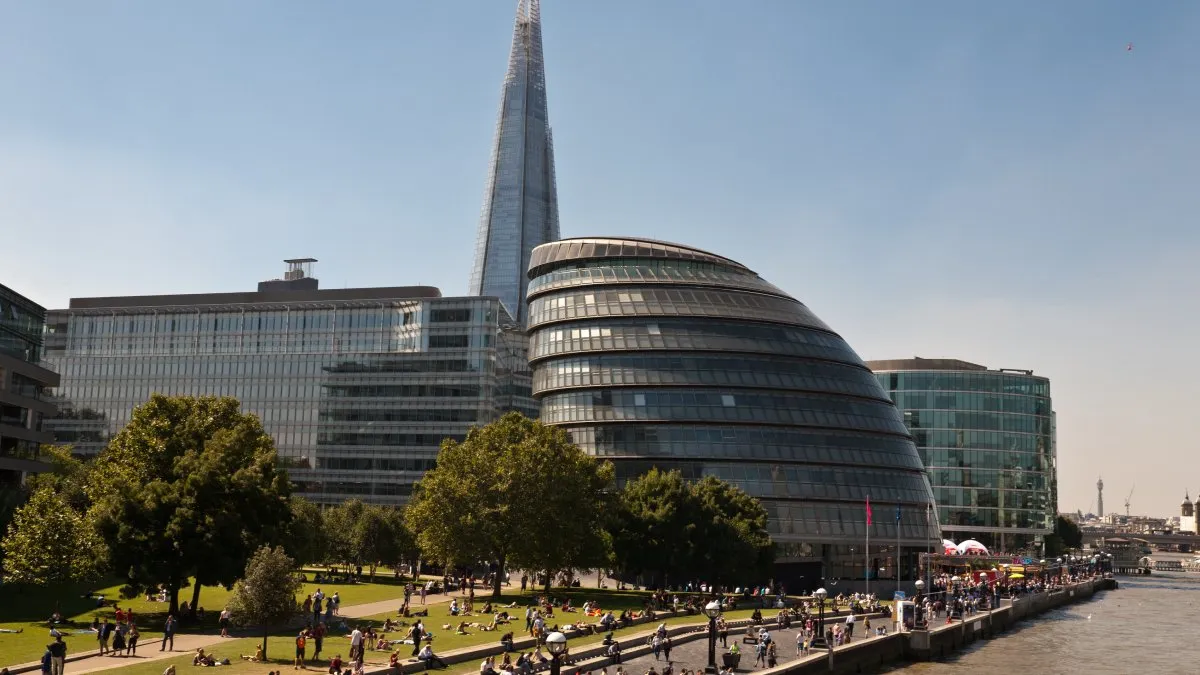
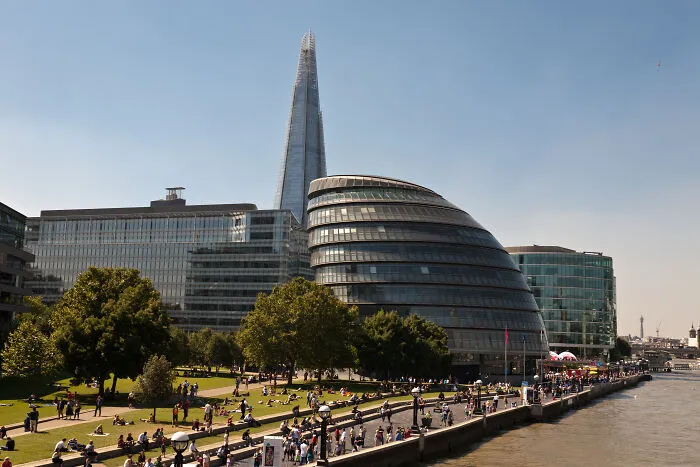
- London, UK
- Paris, France
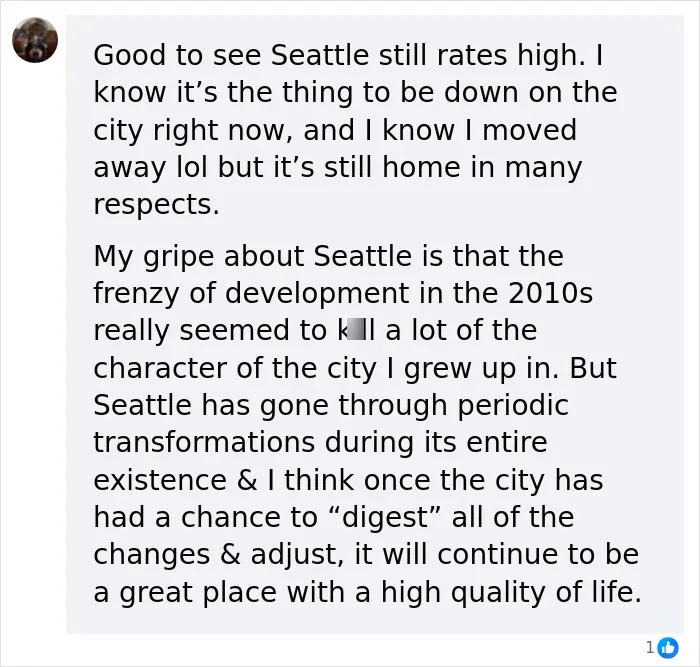
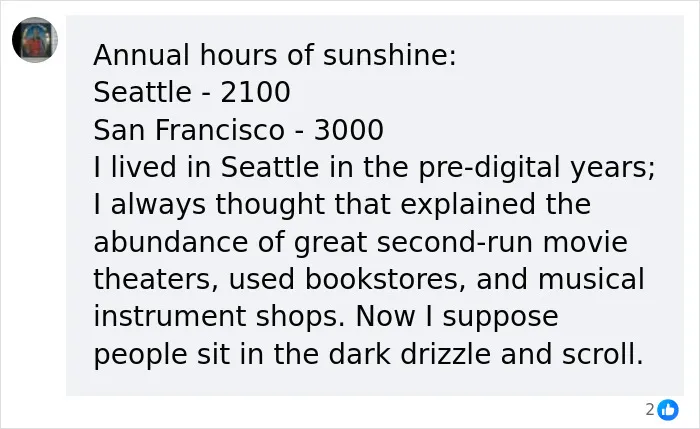
- Seattle, USA
- San Francisco, USA
- Dublin, Ireland
- Boston, USA
- San Jose, USA
- Tokyo, Japan
- Zurich, Switzerland
The US dominates, accounting for five of the top ten spots and 30 of the top 100 cities overall. Europe holds its own, led by London, Paris, Dublin and Zurich, with a particularly strong showing across quality of life, environment and governance categories. Tokyo is the sole Asian representative in the top ten, for now…
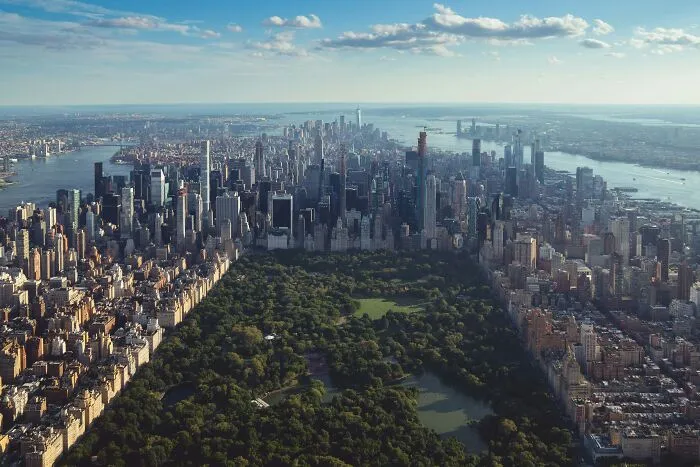
New York topped the list, as it ranks high for its cultural diversity and booming economy, validating what many New Yorkers already thought of their city
Looking across the top performers, four qualities keep showing up that help explain why certain cities remain so compelling year after year. The first is the ability to attract people from everywhere. London ranks first in the entire index for human capital as nearly 40% of its population is foreign-born, and that diversity has transformed everything from its food scene to its financial sector.
Boston, ranked seventh, is powered by one of the most extraordinary concentrations of universities and colleges anywhere in the world, generating a knowledge economy that feeds back into public spaces, institutions and some of the highest average incomes on the planet. Dublin, ranked sixth, has leveraged its skilled workforce to draw in Google, Meta, Microsoft and Accenture, turning former docklands into one of Europe's most dynamic urban corridors.
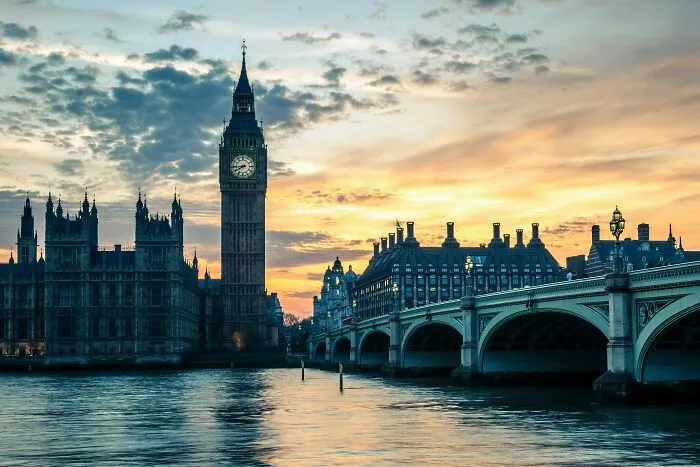
London came in a close second, and its massive non-native population had a lot to do with it
The second quality is cultural investment. Paris, ranked third, has around 130 museums, 11 of which have offered free entry to their permanent collections since 2001, regardless of where you are from.
Seattle, ranked fourth, has its grunge music heritage, the Seattle Art Museum and a brand new 20-acre Waterfront Park built on the site of a demolished motorway. The cities at the top of this index are not just economically powerful; they are places that actively invest in the experience of being there.
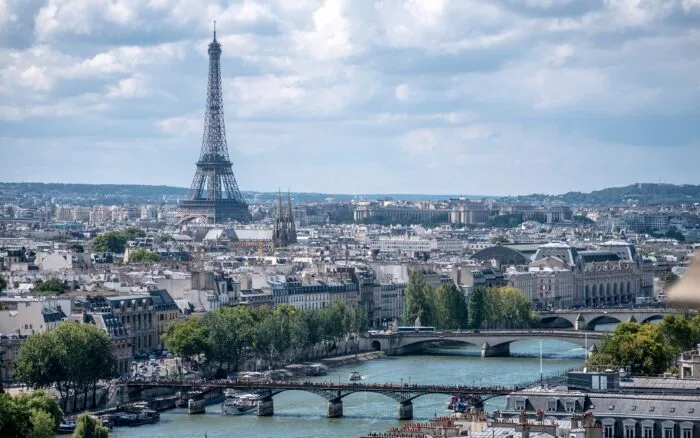
Paris tanked third, and it outperformed all the other cities for its cultural offerings, which comes as no surprise
The third quality is environmental quality and ease of movement. London's congestion charge and Ultra-Low Emission Zone have made its centre less car-dominated than almost any comparable city of its size. San Francisco's transport network keeps residents and visitors off the roads in a way that keeps both emissions and air quality in check. Dublin is targeting climate neutrality by 2050 but wants to at least halve their emissions by 2030.
And the fourth quality is increasingly the most important: the ability to stay ahead of change. San Jose has the highest GDP per person of any city in the entire index, driven by Alphabet, Apple and Nvidia. In San Francisco, driverless cars are already part of everyday life. These cities are not just performing well today. They are building the infrastructure of tomorrow.
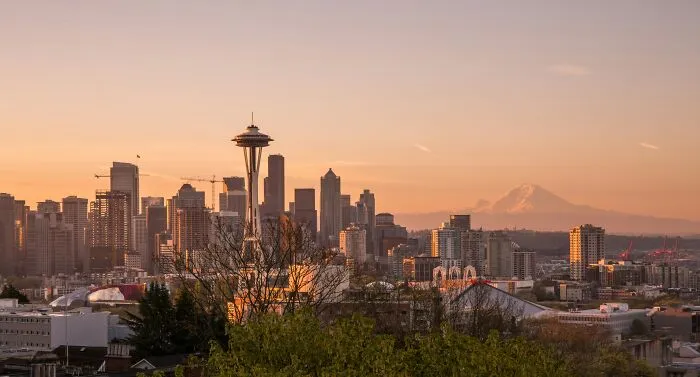
Seattle sat at number 4, and it is particularly favored for its expansion and reinvestment in the quality of life for its residents
While New York, London and Paris remain comfortably at the top, the economic geography of the world is shifting east at a pace that the index describes as impossible to overstate. Cities like Shenzhen, Taipei, Kuala Lumpur and Ho Chi Minh City are climbing the rankings with a momentum that the established Western powerhouses cannot afford to ignore.
The number of high-income households globally is projected to nearly double by 2050. Almost two in five of those households will come from India and China alone. Just five Chinese cities will add more high-income households over the next 25 years than the entirety of Latin America, Africa and the Middle East combined. Tokyo is currently the only Asian city in the top ten. That is almost certainly not going to be the case for much longer.
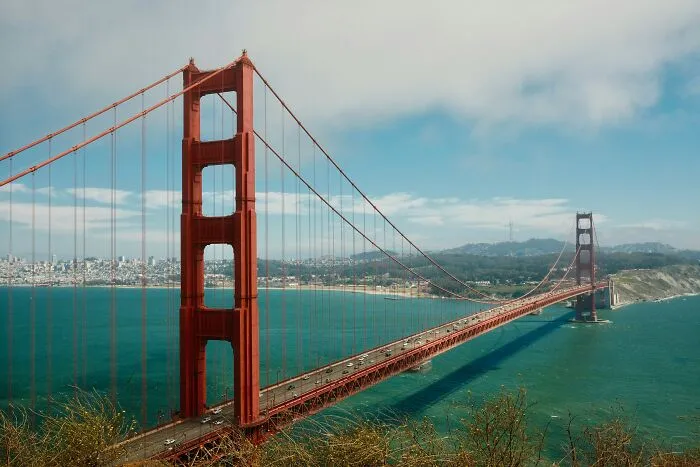
San Francisco stood strong in 5th place, and its tech offerings no doubt made it one of the most future-proof cities on the list
The 2026 index introduces a new Cities to Watch section. It is made up of five picks per region that are generating significant momentum and are expected to climb the rankings in the years ahead. One of the standout names is Tallinn, the capital of Estonia, which has been flagged for its extraordinary rate of AI adoption and its momentum in the tech industry relative to other European capitals.
Elsewhere, Lima and Buenos Aires are climbing in Latin America, leveraging deep skills bases and relatively affordable housing. African cities are also on the move, with population booms and expanding consumer markets creating opportunities that are only just beginning to register on the global radar.
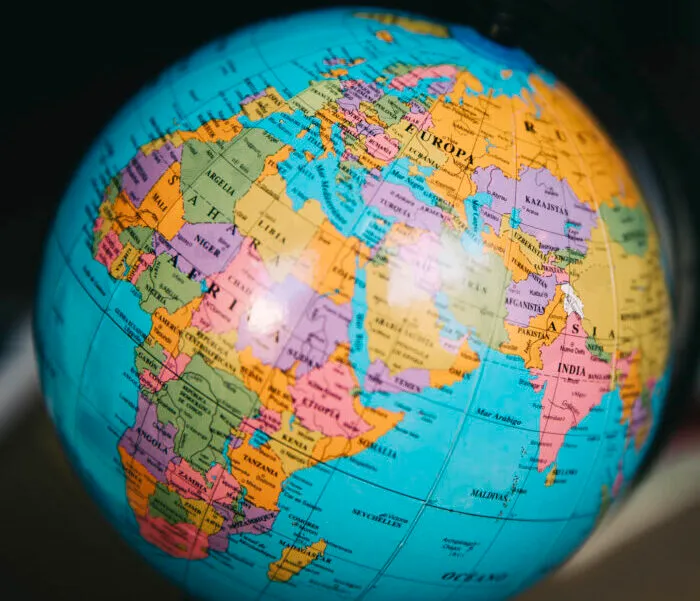
The map of the world's most important cities is not fixed. It is shifting, right now, in real time. And the 2026 Global Cities Index is the best tool available for tracking exactly where it is heading.
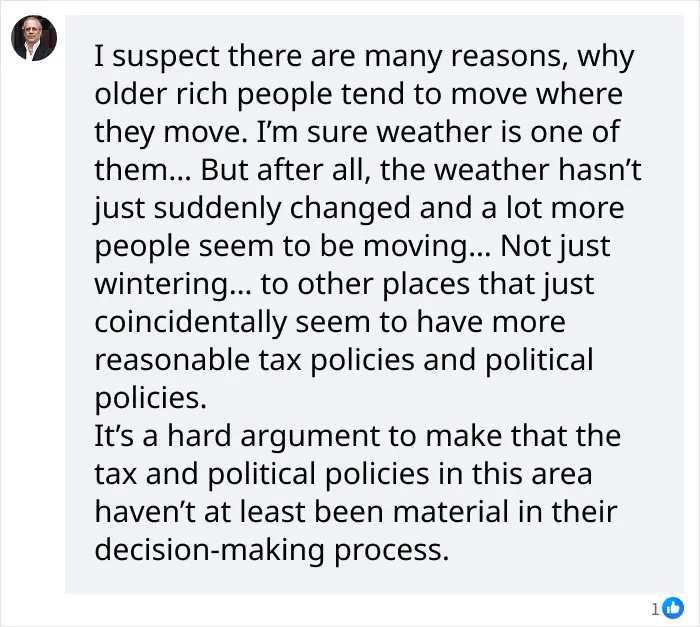
People in the comments seemed to agree with much of the rankings, chiming in with why they love their respective cities so much