


Bored Panda
50 Food History Facts That Are Equal Parts Disgusting And Impossible To Stop Reading

50 Food History Facts That Are Equal Parts Disgusting And Impossible To Stop Reading

42
4
Everything on your plate has a story. Not the "locally sourced, seasonally inspired" story on the menu that costs you an extra eight dollars, a real one. A chaotic, accidental, occasionally disgusting, surprisingly political story that stretches back further than you'd expect and involves more war, desperation, and happy accidents than any food should reasonably be responsible for.
Food history is, in short, one of the most entertaining subjects available to a person, and it has the significant advantage of being relevant to something you do at least three times a day. These facts will not change what you eat. They will absolutely change how you think about it.

#1 Bacon, Peaches, And Sugar Cookies Were The First Foods Eaten On The Moon
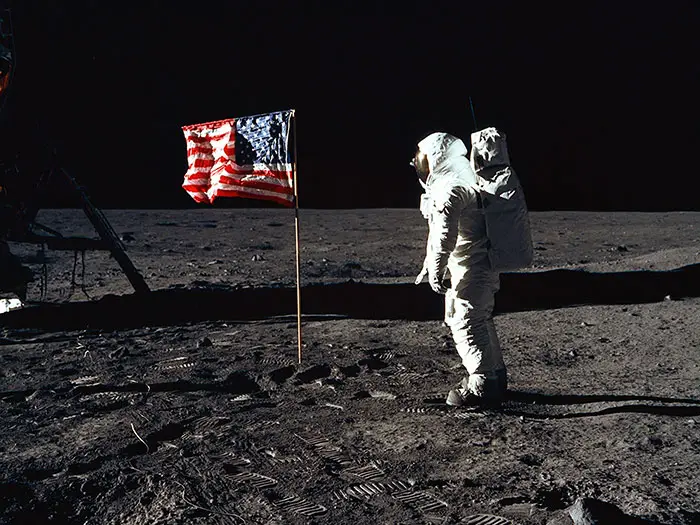
Astronaut on the moon with an American flag, relating to food history facts about space food.
The first meal eaten on the moon was breakfast with peaches, bacon, sugar cookies, and a pineapple grapefruit drink. One giant leap for mankind, fueled by bacon cubes.
28points

#2 Instant Ramen Came About In Post-Wwii Japan
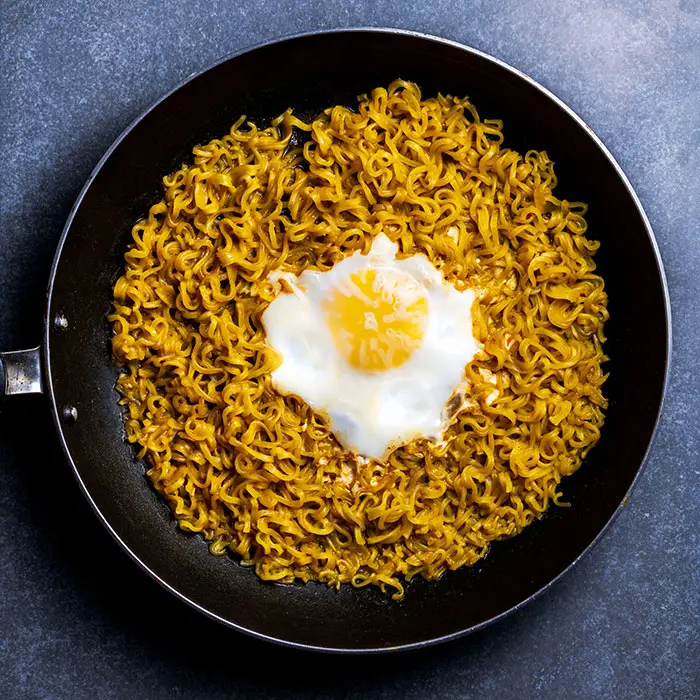
Fried egg on a bed of noodles in a pan, evoking intriguing food history facts about global cuisine.
Momofuku Ando invented instant ramen in post-WWII Japan to feed people cheaply during the country's recovery. By the time he perfected the recipe, the economy had already bounced back, but it turns out people enjoy cheap noodles regardless of economic circumstances.
28points

#3 ‘Epsicles’ Where The Original Name For Popsicles
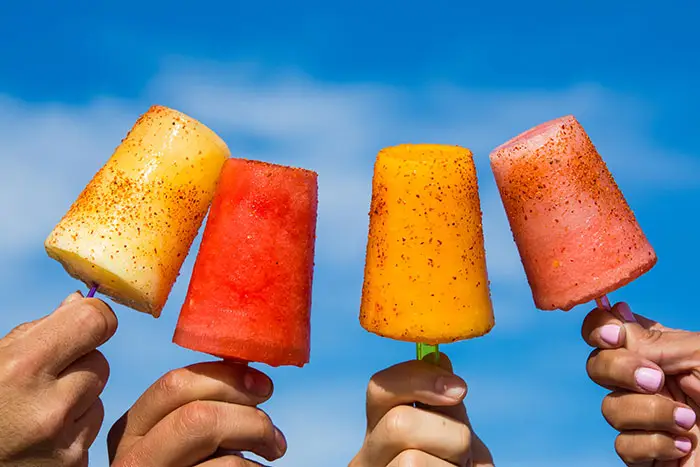
Four hands holding colorful popsicles against a blue sky, showcasing food history facts about sweet treats and what we eat.
The Popsicle was invented in 1905 by an 11-year-old named Frank Epperson who left a cup of soda outside overnight by accident. He called it an Epsicle. His kids later renamed it "Pop's sicle" and the name stuck.
27points

In the early days of Vogue, the magazine published a diet that consisted almost entirely of eggs and wine. Not as a weekend experiment but as a lifestyle recommendation.

A Vice writer, in the name of journalism, attempted the diet and reported back that the experience was most closely comparable to the time she had stomach flu in Vietnam. This is, in the history of food criticism, one of the more vivid and useful reviews ever committed to print. Both Vogue and the writer survived longer than the diet, but the eggs were absolutely not worth it.

#4 Mac'n'cheese Is Hundreds Of Years Old
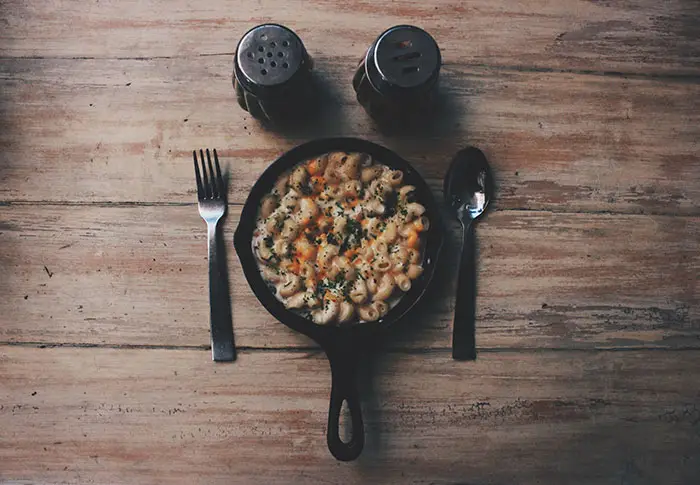
Mac and cheese in a cast iron pan with a fork, spoon, and shakers, highlighting food history.
Mac and cheese has been around since the 14th century, when it showed up in an Italian cookbook. It took another 500 years of refinement to get to the version we know today, which feels like a reasonable amount of time to spend perfecting something that important.
26points

#5 Tomatoes Aren't Italian, Potatoes Aren't Irish, And Chilis Aren't Asian
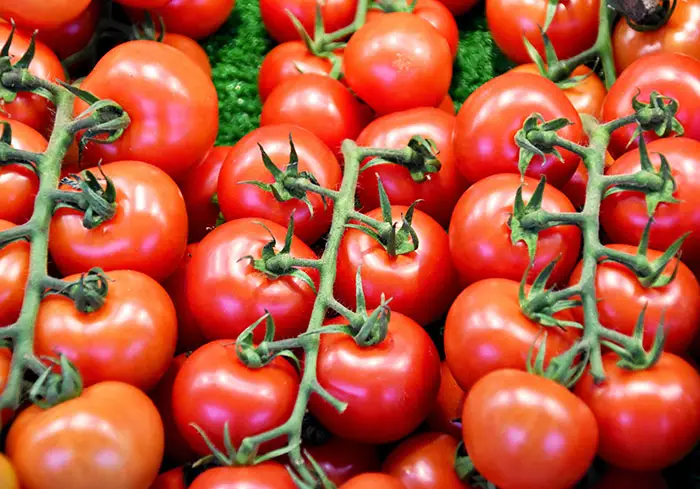
Close-up of ripe red tomatoes on the vine, showcasing the vibrant produce central to food history facts.
All of them came from South America via the Columbian Exchange, which also gave the world corn, cacao, and peanuts. Entire national identities built on imported ingredients.
25points

#6 Your Favorite Condiment, ‘Tomato Ketchup’, Was Once Made Of Fish
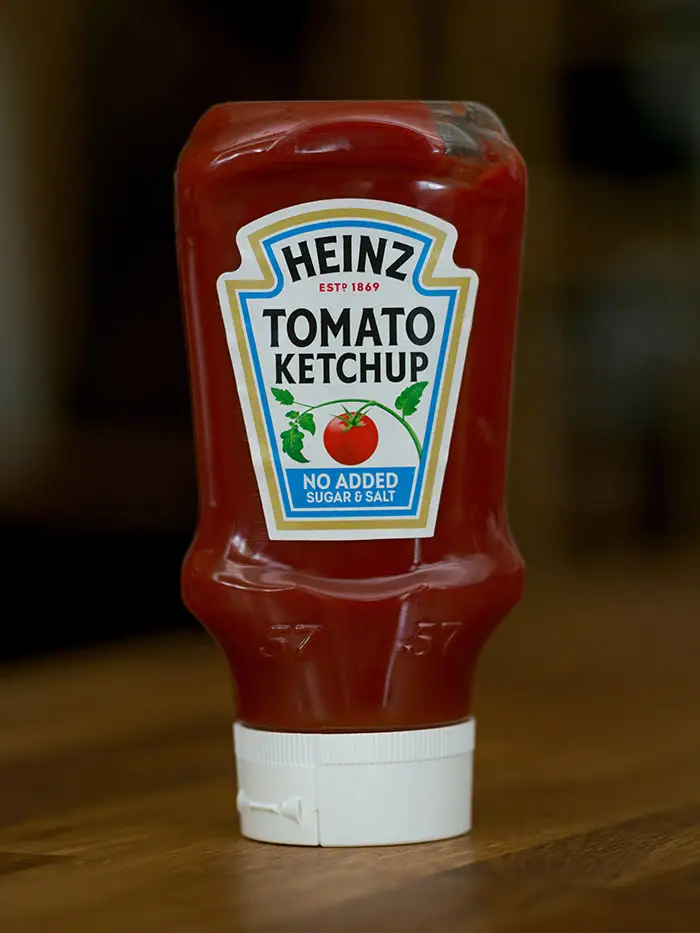
A bottle of Heinz Tomato Ketchup, showcasing a food history fact about condiments.
Ketchup started as a Chinese pickled fish sauce, became a mushroom condiment in colonial America, and didn't contain a single tomato until the 19th century. The ketchup on your burger took a very long journey to get there.
22points

Everything you know about fruit is wrong. Bananas, pumpkins, and avocados are all, by botanical classification, berries, meeting every technical requirement the category demands. Strawberries and raspberries, despite their names and their entire public identity, are not berries in any botanical sense and never have been.

And figs, beloved, ancient, appearing in art and scripture and expensive cheese boards, are not fruits at all. They are inverted flowers. The seeds you eat when you eat a fig are actually tiny individual flowers that bloomed inward rather than outward. Nature did not consult anyone before making these decisions and has shown no interest in explaining itself since.

#7 Canada Gave Us Peanut Butter
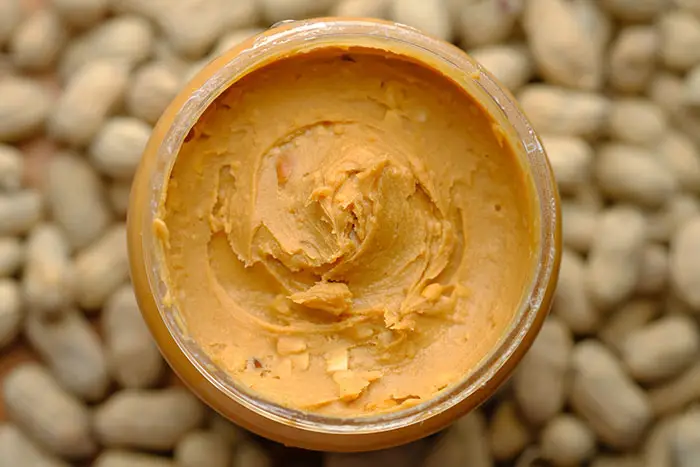
An open jar of peanut butter surrounded by peanuts, revealing food history facts about this popular spread and what we eat.
Peanut butter traces back to the Incas, but the first patent for peanut paste went to a Canadian doctor named Marcellus Edson in 1884. Despite what most people think, George Washington Carver didn't invent it, he just had better PR.
22points

#8 A French Pharmacist Tried To Single-Handedly Make Potatoes Popular
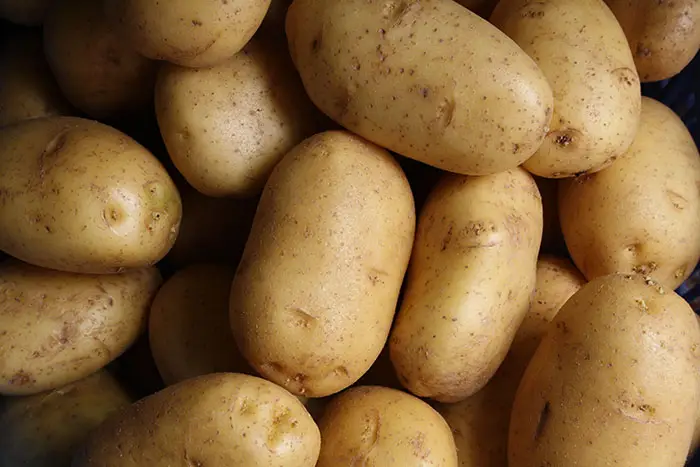
A pile of golden-brown potatoes, emphasizing the humble origins and impact of food history.
An 18th century French pharmacist named Antoine-Augustin Parmentier was so determined to make potatoes popular that he hired guards to protect his potato patch during the day to make them look valuable, then removed the guards at night so people would steal them. He also threw 20-course potato dinners, got King Louis XVI to endorse them, and presented bouquets of potato flowers to royalty. The most committed vegetable marketing campaign in history.
21points

#9 The Oldest Beer Recipe Is Nearly 4,000 Years Old, Found On Sumerian Stone Tablets
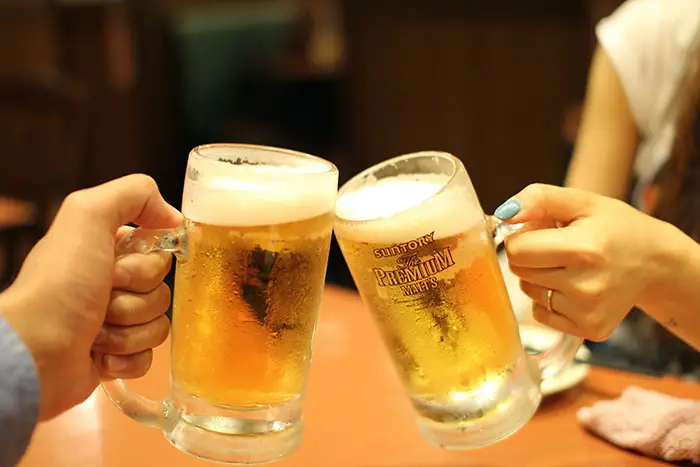
Two people toasting with beer mugs, celebrating food history facts about beverages.
The Sumerians loved beer enough to give it its own goddess. Wine beats beer by about 4,000 years, and both are beaten by a 9,000-year-old rice, honey, and hawthorn fruit mixture that was essentially the world's first alcoholic drink. Humans have always found a way.
21points

For a brief and glorious period in the 1830s, tomato ketchup was not a condiment; it was medicine. Marketed and sold by doctors as a treatment for indigestion and diarrhea, tomato ketchup was prescribed with the full confidence of 19th-century medical authority, which, in fairness, was also the era of arsenic complexion wafers, so the bar was flexible.

The tomato's journey from medicinal tonic to the thing that lives next to the mustard at every barbecue in America is one of the more dramatic image rehabilitations in culinary history, and it deserves significantly more recognition than it receives.

#10 Cleopatra And Alexander The Great Bathed In Saffron
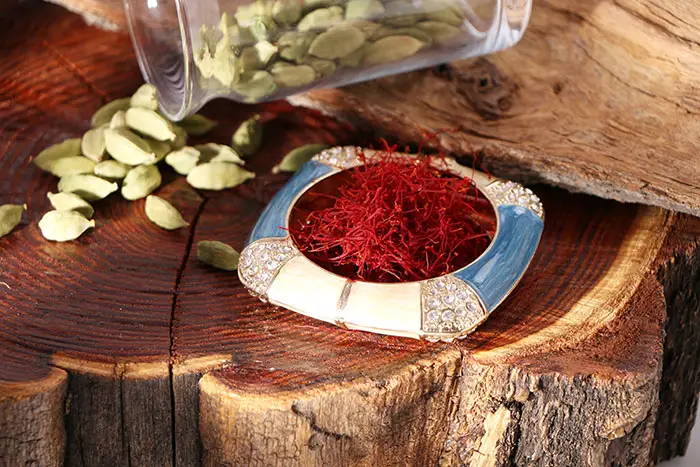
Saffron and green cardamom pods on a wooden surface, highlighting interesting food history facts.
Alexander the Great bathed in saffron to heal wounds, Cleopatra bathed in it for considerably more interesting reasons related to the bedroom, and it's been used in Indian childbirth rituals for thousands of years. Not bad for a spice you can buy at the grocery store.
21points

#11 Popcorn Has Been Around For Millennia
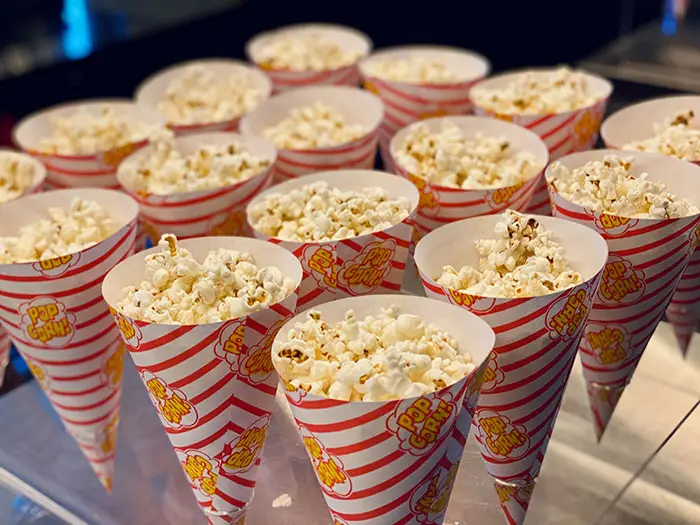
Numerous paper cones filled with popcorn, a popular food with a rich history.
Popcorn has been around for at least 6,700 years, with evidence of ancient Peruvians eating it long before movies existed. They were snacking on it completely unprompted, which honestly shows good instincts.
20points

#12 Pasta Isn't Originally Italian

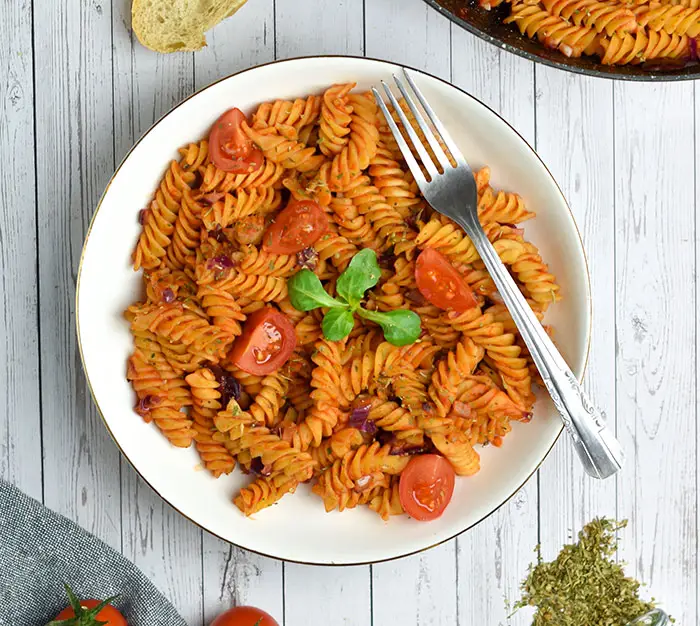
A plate of pasta with tomatoes and herbs, illustrating the rich food history facts of Italian cuisine.
It most likely came from Asia via Arab traders, with Marco Polo getting credit he probably doesn't deserve. The Italians refined it and made it their own, but nearly every culture on earth has its own version of noodles, which suggests pasta is less a national invention and more just something humans inevitably arrive at.
20points

The naming conventions of the food world are, it turns out, almost entirely unreliable. Peanuts are not nuts; they are legumes, belonging to the same botanical family as beans and lentils, which they have been quietly concealing for centuries. Cashews are not nuts either; they are seeds.

Almonds are also not nuts; they are the seeds of a fruit, making them closer relatives of the peach than anything sold in a mixed nut tin. The actual nut, by botanical definition, is a hard-shelled fruit that does not open when ripe. Acorns and chestnuts are technically nuts. Almost nothing being sold as a nut in a supermarket is technically a nut. We are all living a lie, and the food labelling industry is complicit.

#13 The Renaissance Was The Start Of Table Manners

A man holding a tissue to his nose, a surprising health-related food history fact.
Table manners as we know them were basically invented during the Italian Renaissance. A 17th century etiquette guide advised using only three fingers to eat since forks were barely a thing, recommended coughing loudly to cover any unfortunate sounds at the table, and explicitly banned double dipping bread in soup. Some rules are timeless.
20points

#14 Lobsters Were Once Used As Fertilizer In The USA
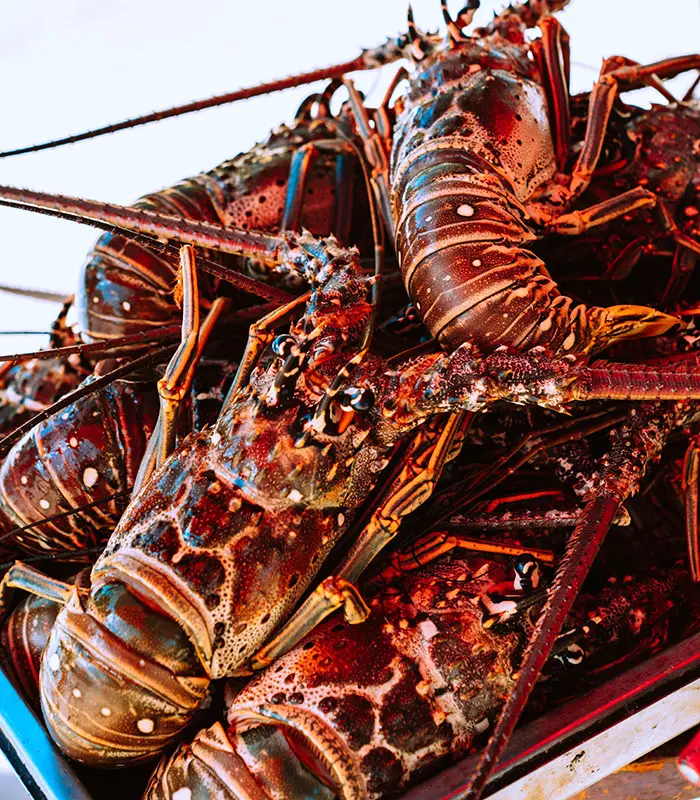
Food history facts: A close-up of several lobsters, illustrating the story behind what we eat and food history.
Lobsters were once so abundant on New England beaches that they piled up two feet high on the shore and were used as fertilizer. Colonial prisoners were fed lobster regularly, and Massachusetts servants negotiated contracts specifically limiting how often they could be made to eat it. The most expensive item on most seafood menus today was once considered poverty food.
19points

#15 Ciabatta Is Less Than 40 Years Old
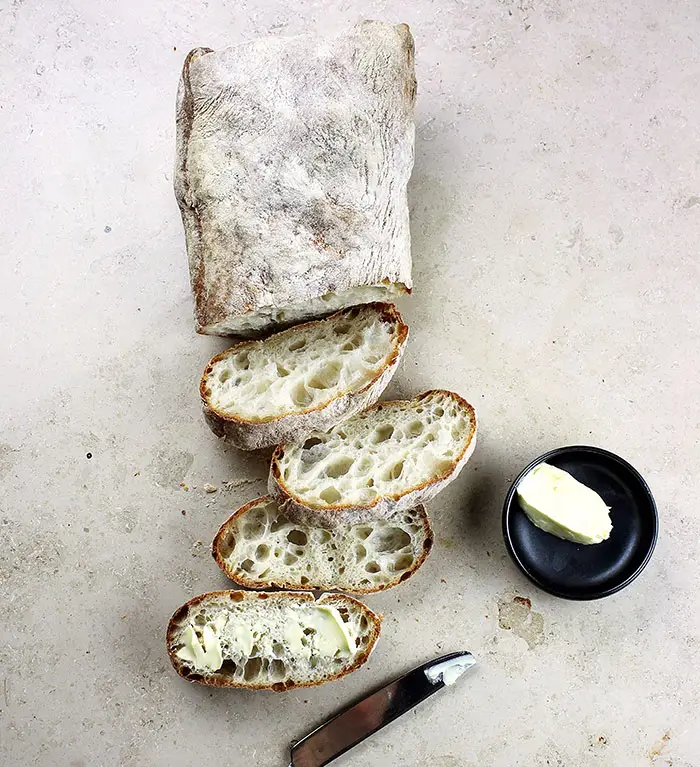
A freshly baked loaf of bread, sliced and buttered, next to a small dish of butter, highlighting food history.
Ciabatta was invented in 1985 by an Italian baker who was annoyed that the French baguette was getting too popular in Italy. One of the most "ancient" feeling breads on the market is younger than the Nintendo.
19points

Swanson had 260 tons of unsold Thanksgiving turkeys and a big problem on their hands. Ten refrigerated railroad cars were going nowhere, and one salesman named Gerry Thomas looked at the problem, proposed packaging the turkey with sides in divided aluminium trays, and accidentally invented the TV dinner.

This is a product so successful it sold 10 million units in its first year and built the entire foundation of the modern frozen food industry. The greatest food innovation of the 20th century was a last-ditch attempt not to lose money on turkey. This is how most great ideas happen.

#16 Aztec Communities Used Cocoa Beans As Currency
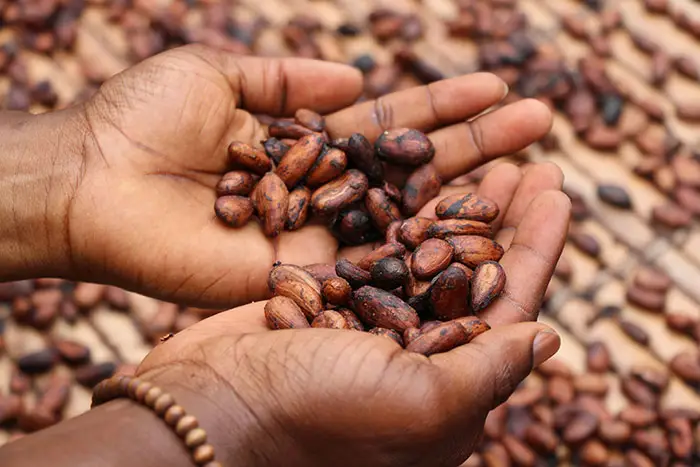
Hands holding a handful of dried cocoa beans, representing food history facts.
One bean bought you a tamale, and a turkey would set you back around 100 beans. The same pods were being fermented into alcohol as far back as 1,400 BC. Chocolate started as money and booze, which explains why we're all so attached to it.
19points

#17 The British Didn't Give Us Fish And Chips
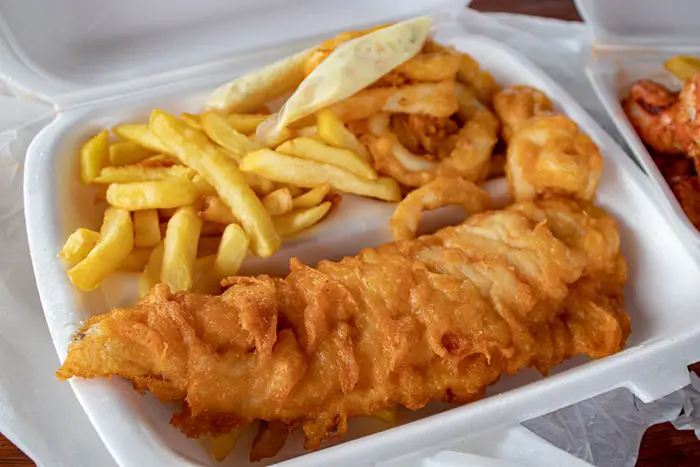
Classic fish and chips in a takeaway container, showcasing fascinating food history facts.
Spanish and Portuguese Jewish immigrants brought fried fish to the UK, where working-class Brits adopted it enthusiastically and eventually claimed it as a national dish.
19points

#18 Sauerkraut Sounded Too German In Wartimes And Got A New Name, ‘Liberty Cabbage’
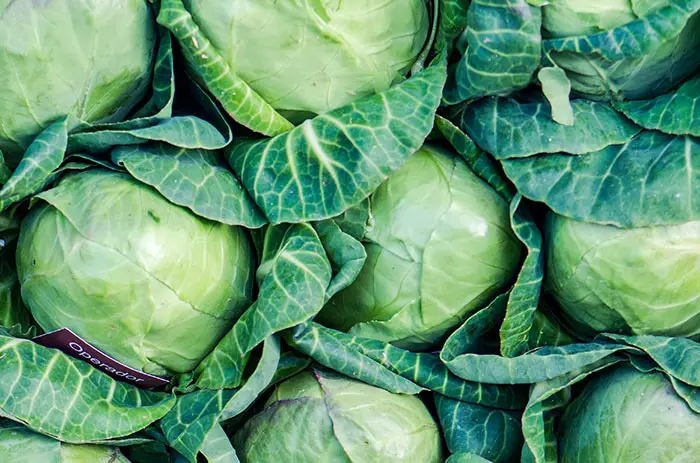
Pile of fresh green cabbages, highlighting interesting food history facts about this vegetable and what we eat.
During WWI, Americans renamed sauerkraut "Liberty Cabbage," frankfurters "Liberty Sausage," hamburgers "Liberty Steak," dachshunds "Liberty Pups," and German measles "Liberty Measles." Renaming a disease out of patriotism is a level of commitment that's hard to argue with.
18points

The best-selling cookie in the history of human commerce is not complicated, not artisanal, and not the product of a Michelin-starred pastry chef's creative vision. It is two chocolate discs with white cream filling, invented by Nabisco in 1912, and it has sold over 500 billion units since its debut.

The Oreo's specific genius is the ritual it inspired: twist, lick, dunk. Three steps. Completely unnecessary. Universally observed. Nabisco did not invent the twist, lick, and dunk, though; consumers did, spontaneously, independently, across generations and cultures, as though the cookie arrived with instructions encoded somewhere in the cream.

#19 Richard Nixon Banned Soup From All White House State Dinners
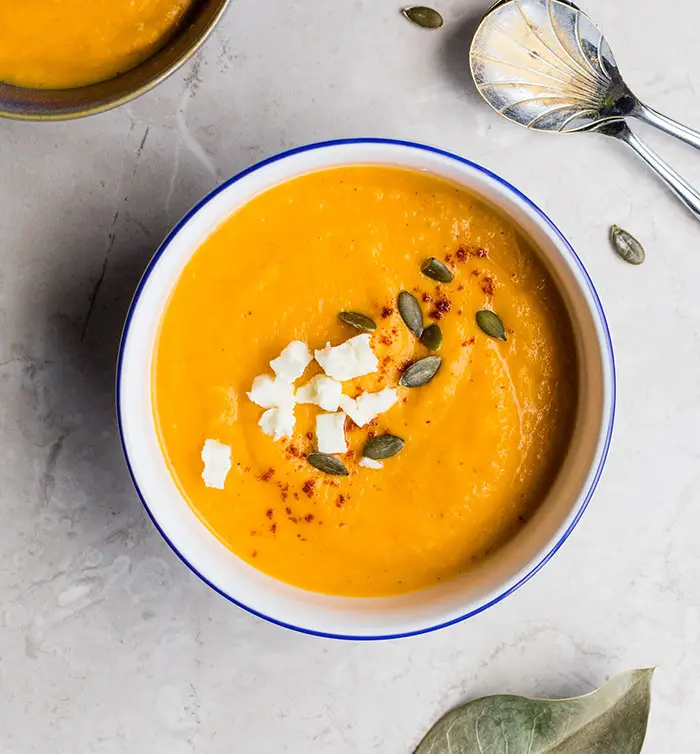
A bowl of delicious orange soup with feta and pumpkin seeds, offering food history facts about what we eat.
He claimed men don't really like soup. His chief of staff suspected otherwise and called Nixon's valet, who confirmed the president had spilled soup down his vest at the previous dinner. The leader of the free world quietly eliminated an entire food course rather than admit he couldn't eat without spilling. Not the most dignified cover-up of his presidency, but arguably the most relatable.
18points

#20 The Ancient Greeks Used Waffle Irons
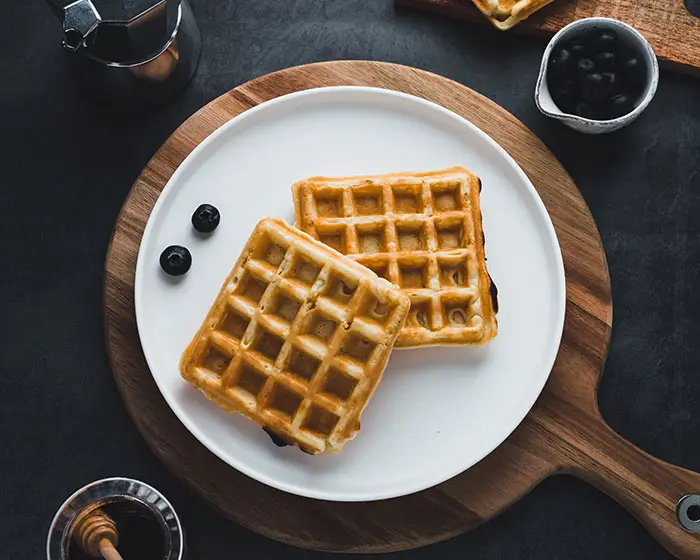
Food history facts: Two waffles on a white plate with blueberries and syrup, emphasizing the story behind what we eat.
Ancient Greeks were making waffles with iron cooking molds over open fires. They were more like flat wafers than the fluffy Belgian version, but the basic concept was there 2,000 years before brunch became a personality trait.
17points
42
4