


The way that people consume news and information has changed very much with the spread of the internet and the rise of social media.
"People consume news from a much broader variety of sources, on a much wider set of platforms. We are awash in information and we are used to seeing it in small chunks," Lisa McLendon, Ph.D., the William Allen White Professor of Journalism and Mass Communications at the University of Kansas, previously explained to Bored Panda.


As a result the format of the news changes, as audiences begin to appreciate brevity more. As a result, some outlets might prioritize engagement over in-depth reporting.
"News outlets know this and have adapted headlines to catch people’s eyes and presentation to keep the audiences engaged. For example, if you look at how news is presented on a platform like Instagram, it’s presented visually in a short video or series of images so people can quickly get the main point. Most of these changes have happened to optimize speed and engagement, not depth," the professor told us via email earlier.



“Depth is crucial for certain types of news stories, ones that aren’t easily summarized in a quick-hit format but nonetheless have great impact on people’s lives. Questions and creativity can help journalists stay motivated to delve deeper on a longer, more time-consuming story," the communications expert told Bored Panda.

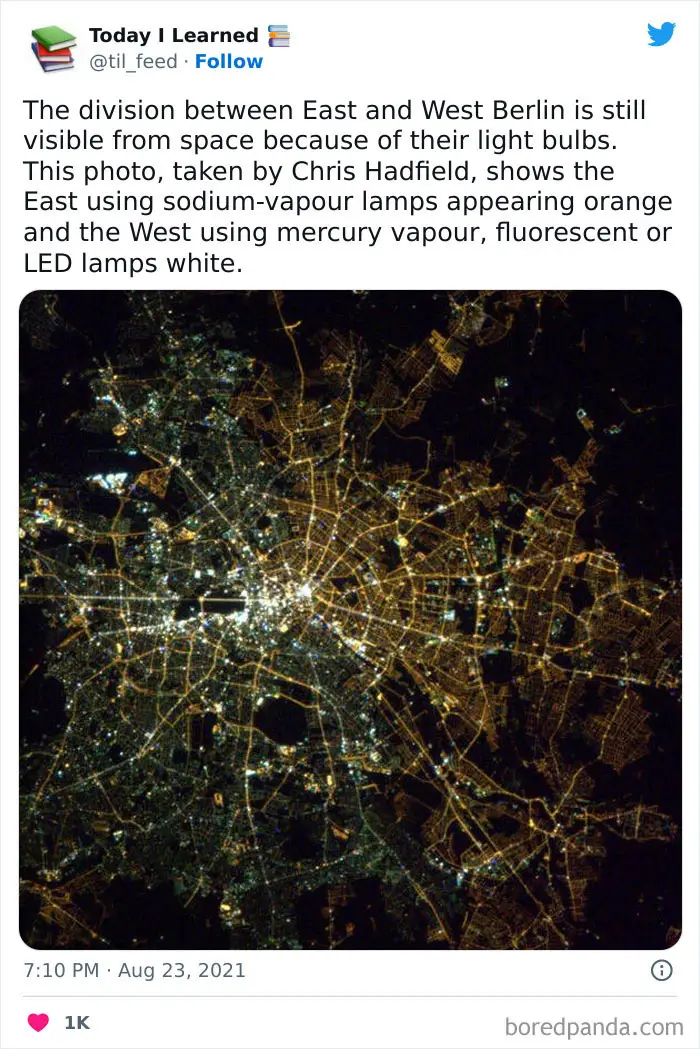

She stressed that how the information or news is presented can drastically affect how engaged the audience is. "Usually this is not one big, long block of text—it may include photos, videos, maps, graphics, even interactive elements like a quiz,” she said that reporters are challenged to find more and more creative ways to present their stories.