







With the waves crashing under its hull and a column of smoke rising high from the chimneys of the ship, the Titanic stands as one of the greatest ships in modern history. But with the release of the movie, some Titanic facts have become murky. For history buffs of the world, it is quite important to know the real facts about the Titanic and be able to educate other people about them. With so many facts about Titanic floating around the internet — why is it important to distinguish real facts and fiction about this grand ship?
For its time, the Titanic was one of the greatest luxury ships that could, theoretically, sail across the Atlantic ocean. With its only voyage, it became not only a reason for increased safety regulations, but also the titular character of the movie Titanic. After all, the Titanic facts you know most likely came from the movie. But with fiction comes the danger that one Titanic fact presented incorrectly can change our thinking about it. After all, sad Titanic facts were a bit dramatized to draw in more of our attention. Reality becomes much more interesting when you find out the real Titanic facts and history.
Looking for facts on the internet is like sailing through an uncharted ocean. It is unclear what is real and what is fictional. But no worries, like the northern star in the sky, the list we compiled below might be the navigational guide you need. Below, you might find some Titanic facts you didn’t know or which were shown in the movie with details changed for the drama. If the fact was able to raise some flags of curiosity, upvote it. If you know a bit more about the presented fact, comment down below and add some of your own information about the journey of that fact. Best of sailing through the facts!
#21
Less than a third of all people aboard the ship survived.
Only 705 passengers and crew members made it back home.
Report
17points
#22
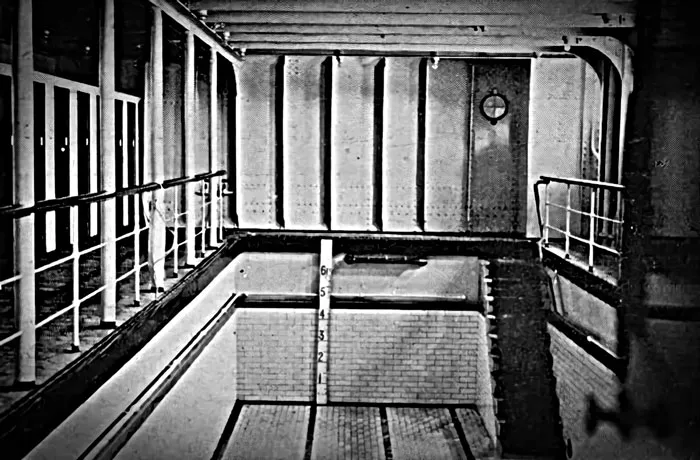
Customers in first class had access to a heated pool.
First-class travelers received exquisite service and numerous luxuries since they could afford the tickets. First-class benefits for the wealthy included reading in the library, playing tennis on a squash court, dining in upscale Parisian cafés, and relaxing in tea gardens.
Report
17points
#23
Six iceberg warnings before collision.
Captain Edward Smith apparently never received the most important iceberg warning due to the absence of the prefix MSG, which stands for Masters' Service Gram. The captain would have had to personally acknowledge receiving the message under this designation. The senior radio operator dismissed the message as unimportant because it lacked the MSG prefix.
Report
17points
#24
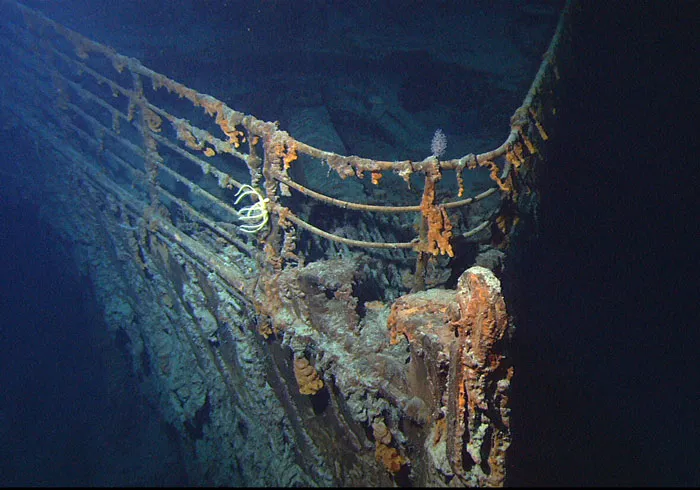
The Titanic lies 12,600 feet underwater.
Nearly 2.5 miles below the ocean's surface, around 370 miles off the Canadian province of Newfoundland, are the remains of the Titanic. The ship split in two, with a 2,000-foot gap in the seabed separating the bow and stern.
en.wikipedia.org, Courtesy of NOAA/Institute for Exploration/University of Rhode Island (NOAA/IFE/URI)
Report16points
#25
The boat's hull sustained a 300-foot gash from the iceberg.
Titanic Captain Edward Smith thought the ship had just skimmed the top of the iceberg, but when the crew examined the scene of the impact, they found that five compartments had already started to flood with water and that the bow was already starting to submerge.
Report
16points
#26
First-class travelers received an 11-course meal for their final dinner.
There were appetizers d'oeuvres like oysters, entrees like filet mignon, and sweets like chocolate and vanilla eclairs on the menu.
Report
16points
#27
Following the crash, just a small number of bodies were recovered.
There were only 306 bodies pulled from the icy water by rescue ships. Halifax, Nova Scotia, received a large number of the deceased.
Report
16points
#28
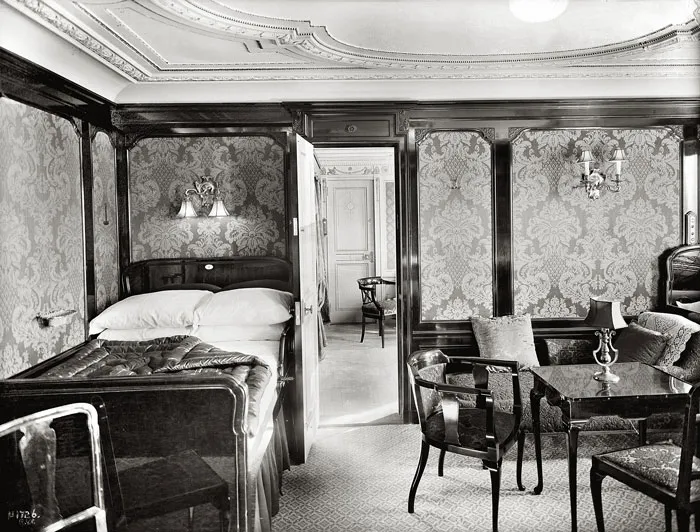
There were 840 staterooms in all, 416 in First Class, 162 in Second Class, and 262 in Third Class.
Report
16points
#29
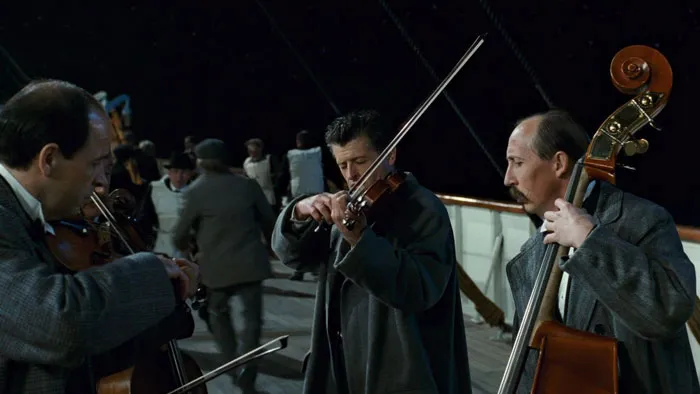
The hymn "Nearer My God To Thee" was reportedly the band's last song, according to both British and American passengers, but this cannot be verified. The hymn was performed to different melodies in the two nations, which increased the uncertainty.
Report
16points
#30
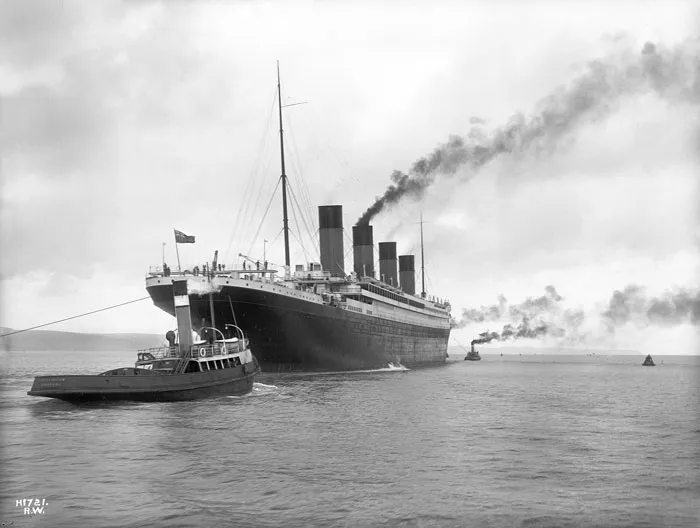
Only three of Titanic's four funnels worked.
Four funnels were present on the sturdy ship, but only three of them actually discharged soot. The other was just employed for ventilation while adding to the ship's regal appearance.
Report
15points
#31
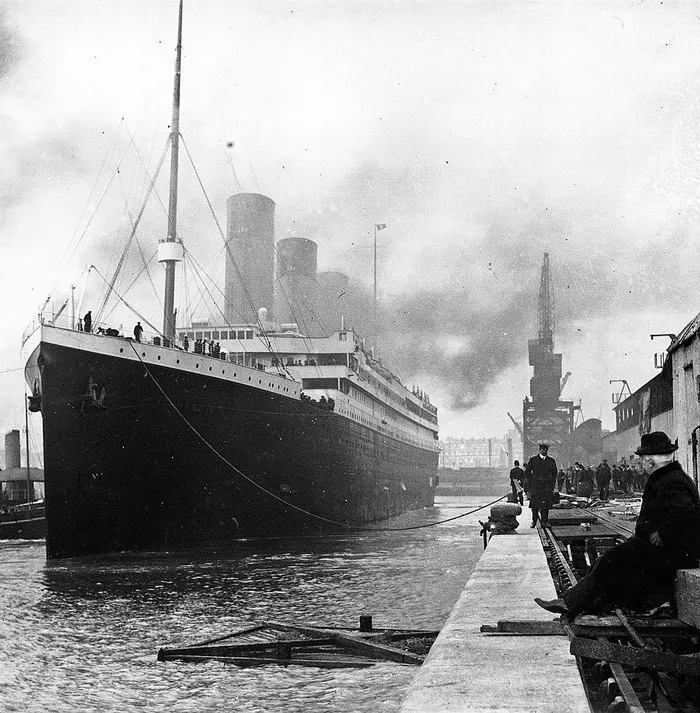
The Titanic cost over $7.5 million to construct ($200 million with inflation).
Early 20th-century estimates for the enormous ship's construction cost were $7.5 million, or $183.4 million in today's value.
Report
15points
#32
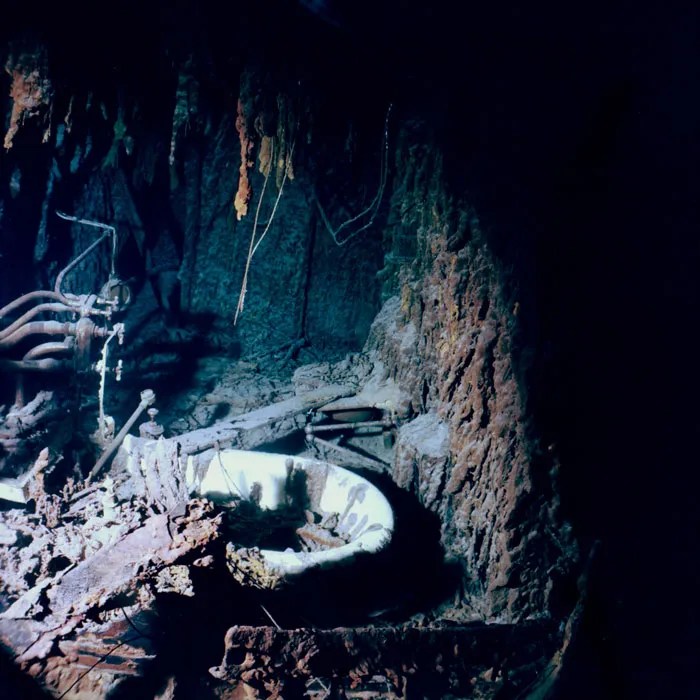
Finding the ship's ruins took more than seven decades. After the Titanic sank, the wreckage wasn't discovered until 1985. With the aid of a robot submarine, the debris was found by Dr. Robert D. Ballard of the Woods Hole Oceanographic Institution in Massachusetts and a group of American and French experts.
Report
15points
#33
There were only two bathtubs available for all third-class passengers.
On the Titanic, there were 706 third-class passengers who paid between 3 and 8 pounds to travel, yet there were only two bathtubs available to them.
Report
15points
#34
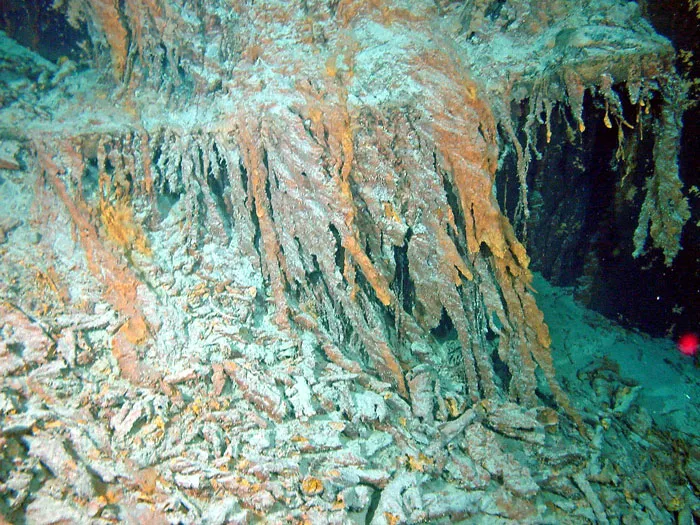
A specific bacteria is slowly consuming the wreckage.
At some point, rust-eating bacteria will completely consume whatever remains of the Titanic at the bottom of the ocean. 'Halomonas titanicae', a type of microbe that can attach to steel surfaces, creates the rusticles visible on the wreckage's hull.
Report
14points
#35
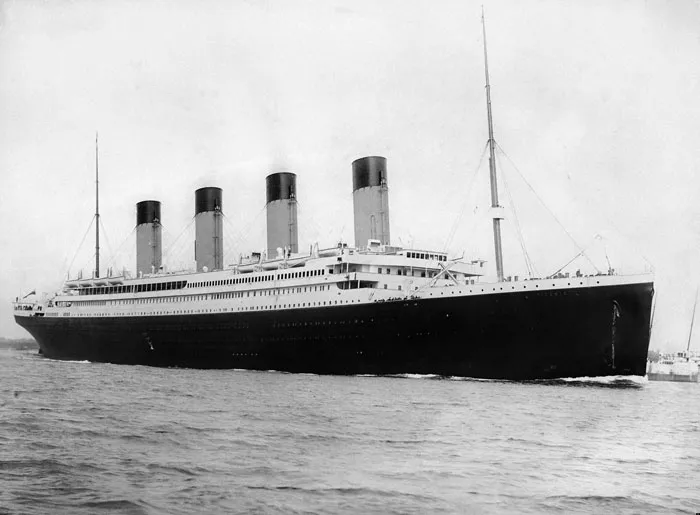
The ship was just under 900 feet long.
The Titanic was the largest ship at the time, measuring 882 feet and 9 inches in length. The Symphony of the Seas from Royal Caribbean, which measures close to 1,200 feet in length, is now the largest cruise ship.
14points
#36
20 horses were needed to transport the main anchor.
More over 30,000 pounds, or 16 tons, were in the main anchor of the ship. Twenty horses were needed to haul the anchor two miles from the Netherton, England, casting site to the Dudley, England, train station in 1911.
Report
14points
#37
There were 40,000 fresh eggs aboard the ship.
To put it another way, there were around 3,333 dozen eggs on the Titanic, the bulk of which are assumed to have perished together with the ship.
Report
14points
#38
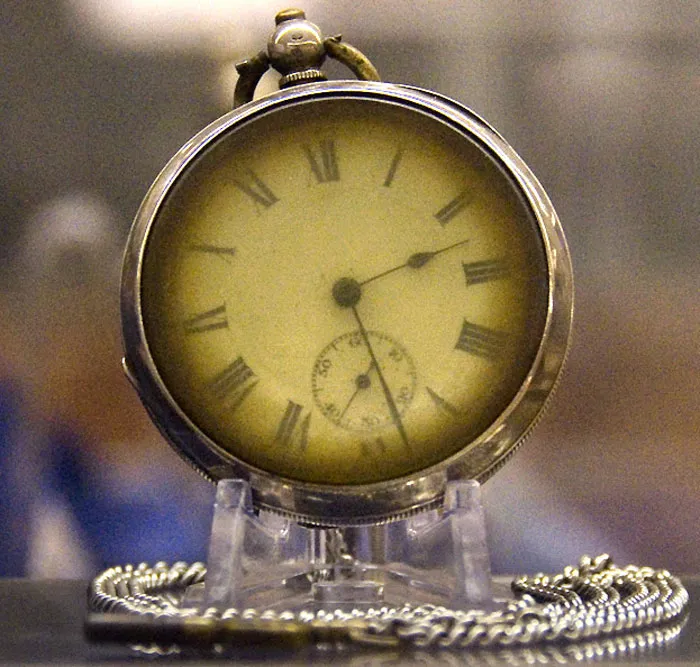
6,000 artifacts were recovered from the wreckage site.
A lot of people are interested in Titanic-era artifacts. A violin that fetched $1.7 million at a UK auction house in 2013 was one among the 6,000 artifacts that were discovered. 2011 saw the $336,000 sale of the Titanic's ship plan.
Report
14points
#39
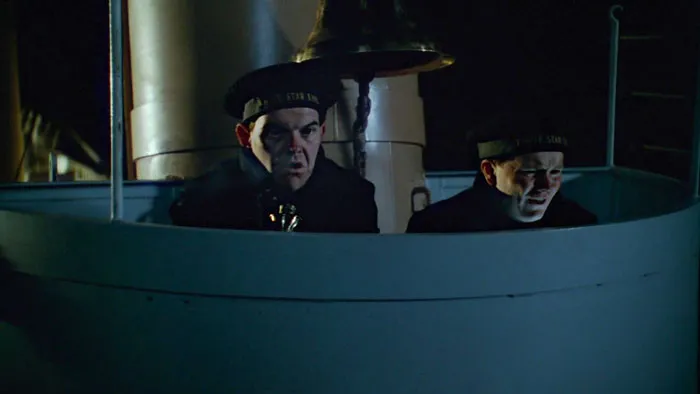
The iceberg was first spotted at 11:30 p.m. on April 14.
The iceberg was discovered by a lookout, who hurriedly rang the alarm bell. To avoid hitting it, the ship quickly turned at a severe angle, but it was already too late.
Report
14points
#40
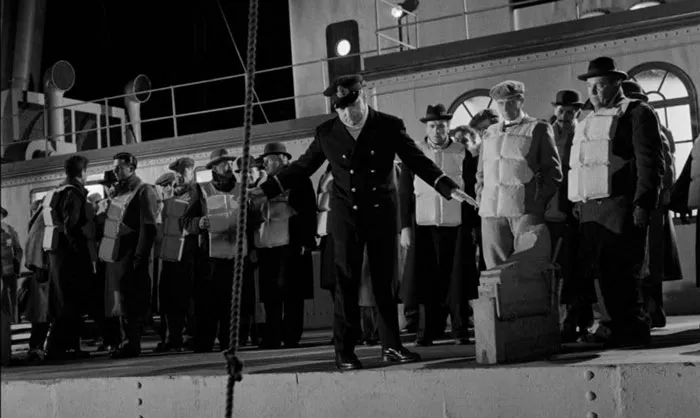
There are a lot of theatrically released documentaries and films about the Titanic. The most notable ones are:
"Titanic" by Jean Negulesco was released in 1953, "A Night to Remember" by Roy Baker in 1958, and "Titanic" by James Cameron in 1997.
Report
14points