





History is full of surprises, and sometimes the most fascinating stories are the ones that are least known. From bizarre events to unexpected twists, the past is a treasure trove of intriguing tales that can leave us speechless. We'll take you on a journey through 35 surprising historical facts that will challenge your perceptions and leave you wondering about the complexities of the human experience. From strange rituals to unexpected inventions, these stories will show you that the past is often more surprising than fiction. So, buckle up and get ready to discover some of the most unbelievable – yet entirely true – historical tidbits you've ever heard!
#21 Madame Tussaud Made Death Masks
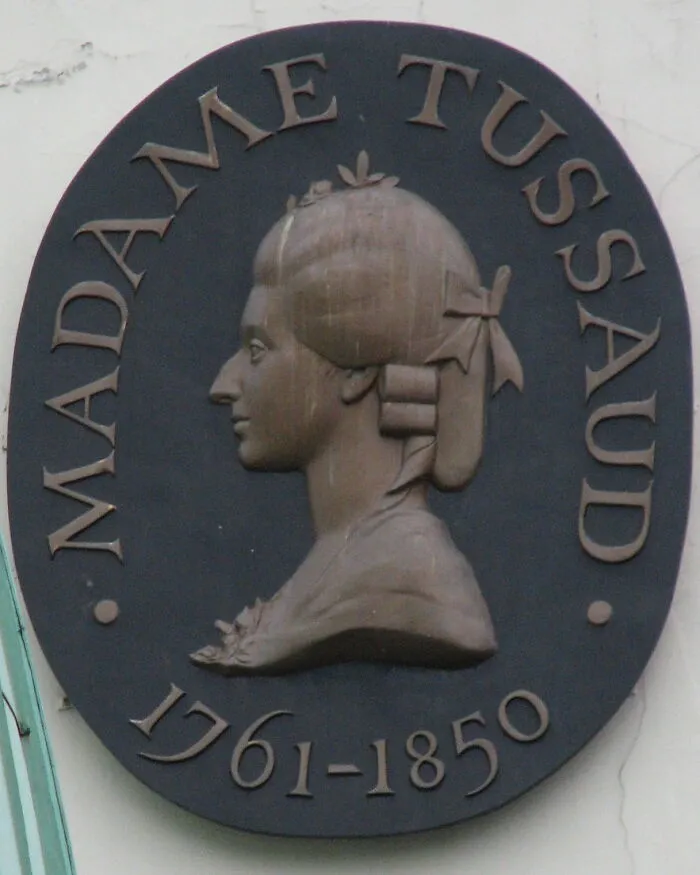
Marie-Anne Chodeleur, better known as Madame Tussaud, created a unique and chilling art form during the French Revolution: death masks. She meticulously crafted these masks using the heads of those executed by the guillotine. Tragically, many of her subjects were personal friends, including her own acquaintances and even her former students, including the King's sister.
9points
#22 Men On Horseback Once Conquered A Naval Fleet
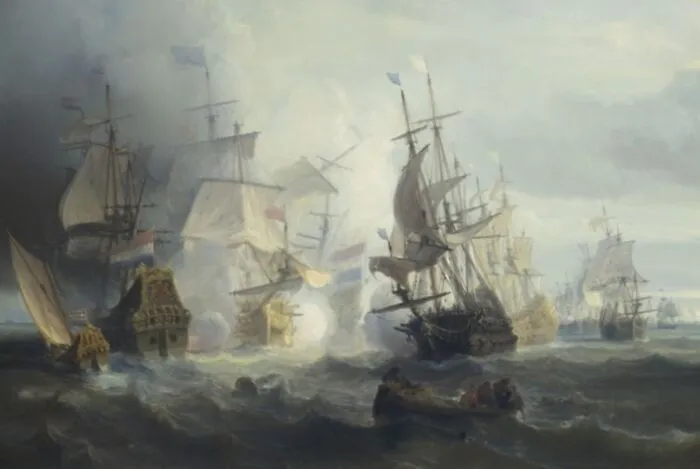
The Battle of Texel in 1795 represents an incredibly unusual event in naval history. A Dutch fleet became trapped in ice near Texel Island, setting the stage for a surprising outcome. The French, seizing the opportunity, dispatched a large force of infantry, cavalry, and artillery to seize the stranded ships. Remarkably, the engagement resulted in no actual fighting. After a five-day standoff, the Dutch captains surrendered, demonstrating the power of well-positioned cavalry to achieve a capture without a single shot fired.
9points
#23 Beethoven's Coffee Was Made From Precisely 60 Beans
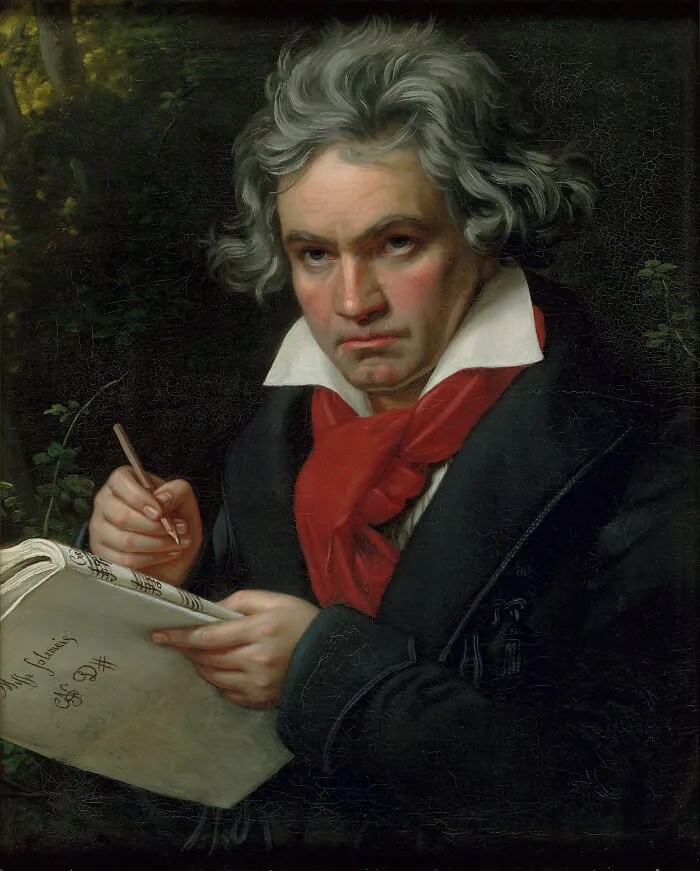
Ludwig van Beethoven was known for his passionate dedication to his craft, and even his coffee ritual was meticulously precise. He insisted on using exactly 60 beans per cup and would meticulously count each bean before brewing.
9points
#24 Lenin Had An Irish Accent
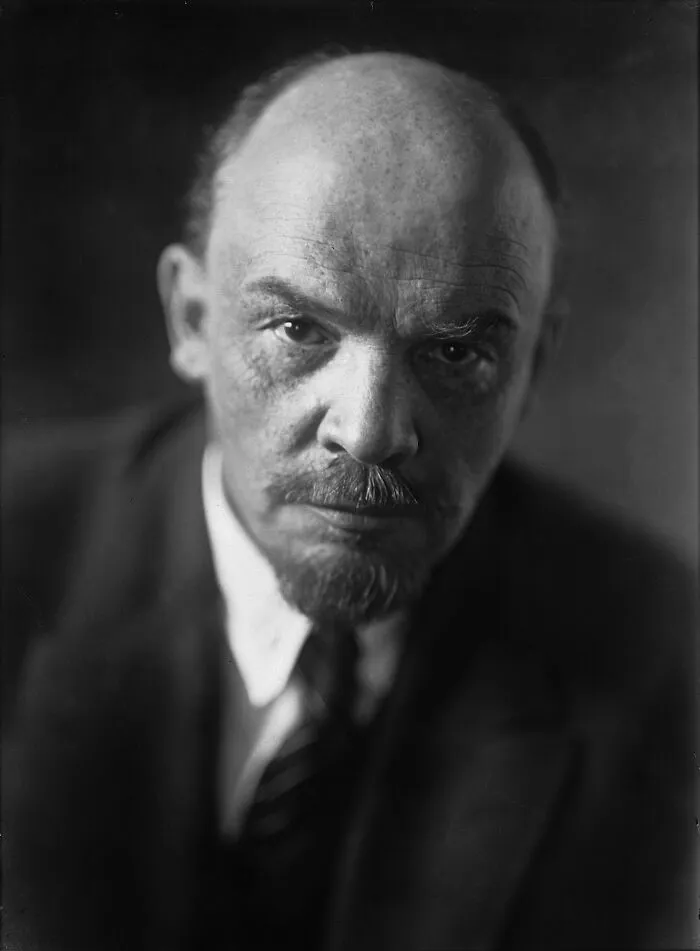
Vladimir Lenin, the Russian revolutionary, surprisingly spoke with a distinct Irish accent! While studying English in London, it’s believed he had an Irish tutor, resulting in a noticeable "Rathmines" accent – hailing from a suburb of Dublin.
Report
9points
#25 Blueberries Have Only Been Farmed For A Century

Until the early 20th century, blueberries were largely a wild fruit, difficult to cultivate due to their specific soil requirements. That changed in 1911 when botanist Frank Coville discovered that blueberries thrive in highly acidic conditions. This breakthrough enabled the development of commercial blueberry cultivation, transforming the fruit from a rare wild treat to a widely available and beloved snack.
9points
#26 A Dead Pope Was On Trial For Crimes
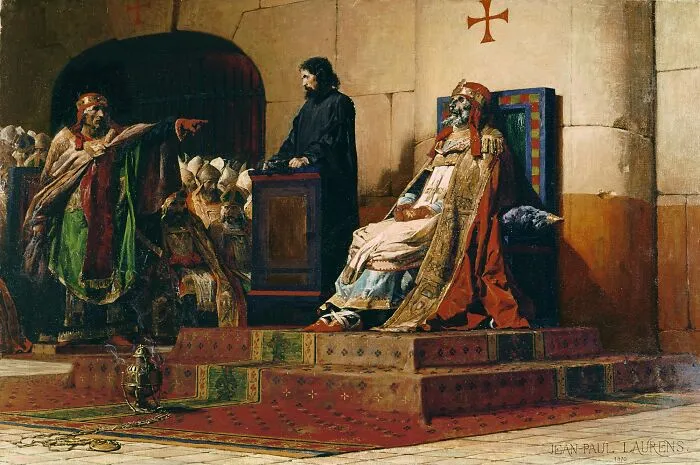
In a bizarre and disturbing episode, Pope Stephen VI put his predecessor, Pope Formosus, on trial. In 897, Stephen had Formosus' corpse exhumed, dressed in papal attire, and brought to the courtroom. The putrid body was subjected to a mock trial, with Stephen berating the deceased pope and accusing him of various crimes.
Report
9points
#27 Tea Bricks Replaced Money In Many Places Untill World War II
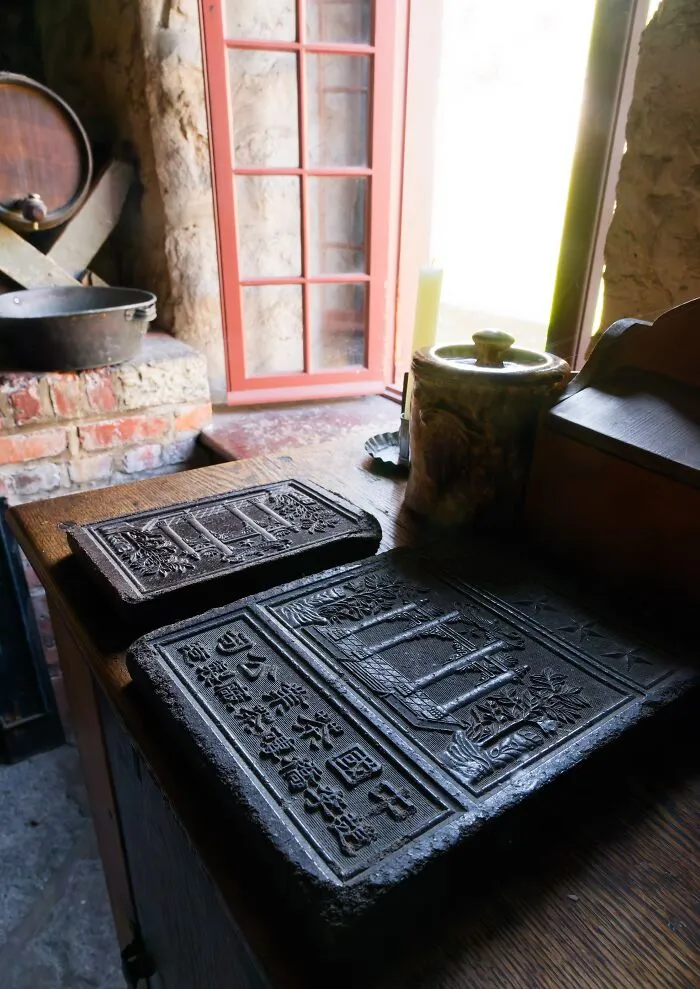
In certain regions, tea bricks served as a practical and valuable form of currency. Notably, in Tibet, tea bricks held a significant place in the economy. Their demand was so high that valuable goods like swords and horses were sometimes priced and exchanged using a calculated number of tea bricks.
Report
9points
#28 The 6th Largest Navy In The World Was Once... Pepsi Co.

During the 1990s, the Soviet Union, facing restrictions on moving rubles outside its borders, struck a deal with Pepsi to exchange goods for naval vessels. In 1990, Pepsi delivered goods worth approximately $3 billion in exchange for a substantial fleet – including submarines, a frigate, a cruiser, and a destroyer.
9points
#29 Cleopatra Wan't A Particularly Beautiful Woman
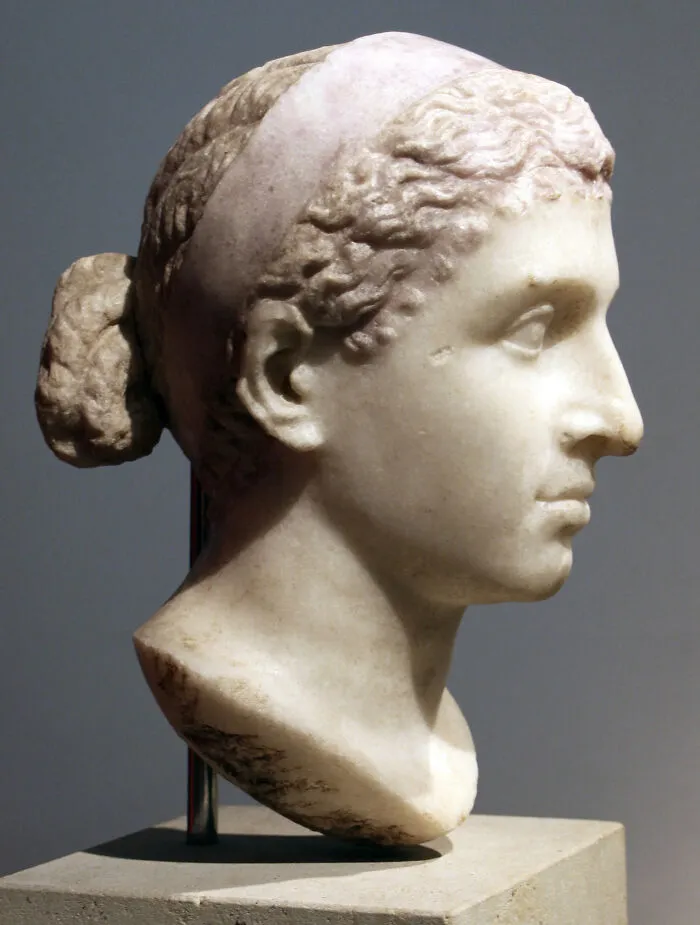
While often portrayed as an irresistible beauty, Cleopatra’s allure stemmed less from conventional looks and more from her intelligence and charisma. She might have been the most beautiful in her inbred family, historical accounts emphasize her sharp intellect and persuasive abilities. Cleopatra used her wit and charm to captivate powerful figures, demonstrating that her true power lay not in physical appearance, but in her commanding presence and diplomatic skill.
Report
9points
#30 Radioactive Foxes Were A War Tactic By The U.S. Against Japan

During World War II, the United States hatched a peculiar plan to psychologically disrupt the Japanese population. "Operation Fantasia" involved capturing foxes, coating them with radium paint to make them glow in the dark, and releasing them in Japanese villages. The intention was to create the illusion of kitsune – mythical fox spirits – and instill fear among the local population. However, thanks to a lone voice of reason at a key meeting, the operation was ultimately scrapped, sparing Japan from this unusual and potentially hazardous tactic.
8points
#31 Greedy Governor Was Responsible For The Loss Of The World's Biggest Bell

The Portuguese warlord Filipe de Brito e Nicote orchestrated the downfall of a revered treasure. After being granted a governorship, de Brito declared independence and attempted to plunder the Shwedagon Pagoda's massive 23-ton bell to melt it down into cannons. However, his plan backfired – literally – as the bell was dropped into a river during the attempted removal. De Brito's greed ultimately led to his own downfall, as he was later executed at the stake.
8points
#32 Spiral Staircases Were Invented To Keep Horses Out Of The Fire Department
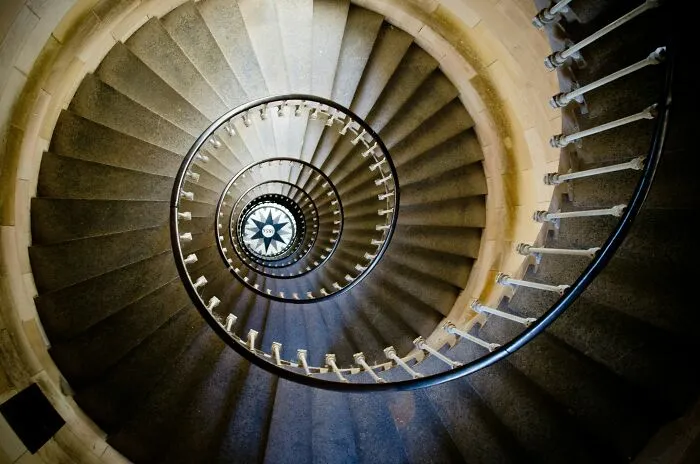
The evolution of firehouse design includes a surprising detail: the introduction of spiral staircases in the 1850s. This wasn't about aesthetics, but practicality! The horses that pulled the fire engines had a habit of climbing the stairs whenever they detected the aroma of food. Spiral staircases offered a compact and efficient way to access the upper levels, effectively preventing those hungry steeds from disrupting firefighting efforts.
Report
7points
#33 The Same Person Invented Pop Rocks, Tang, And Cool Whip

Dr. William A. Mitchell was a renowned food scientist who left an indelible mark on the world of culinary delights. With a career spanning multiple decades at General Foods, Mitchell is credited with inventing some of the most iconic treats of the 20th century, including Pop Rocks, Tang, and Cool Whip. His innovative work not only revolutionized the food industry but also brought joy to countless consumers.
Report
7points
#34 Pirates Thought Earrings Helped Them See Better
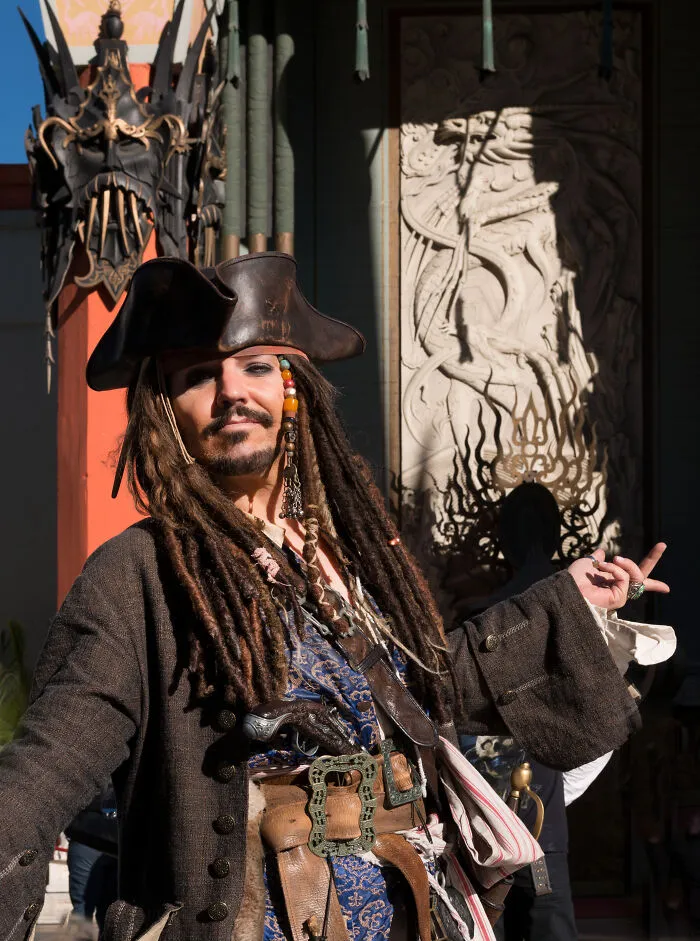
Some swashbucklers thought that wearing earrings, particularly those made from precious metals like gold, could enhance or even cure poor vision. This notion likely stemmed from superstition or old wives' tales, attributing magical healing properties to these metals.
Report
6points
#35 Ohio And Michigan Were Once At War Over Toledo
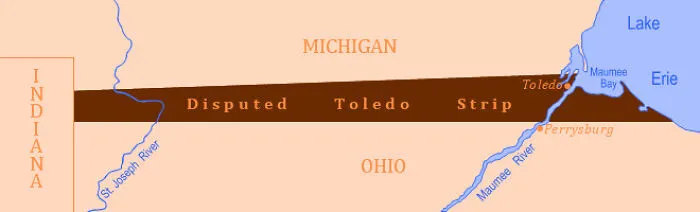
In the mid-19th century, a heated border dispute between Ohio and Michigan escalated into a brief, yet intense, conflict known as the Toledo War. The controversy centered on a relatively small strip of land, with both states claiming sovereignty. The situation became increasingly tense, culminating in a confrontation that resulted in a single, albeit minor, casualty – a man stabbed with a penknife.
5points