



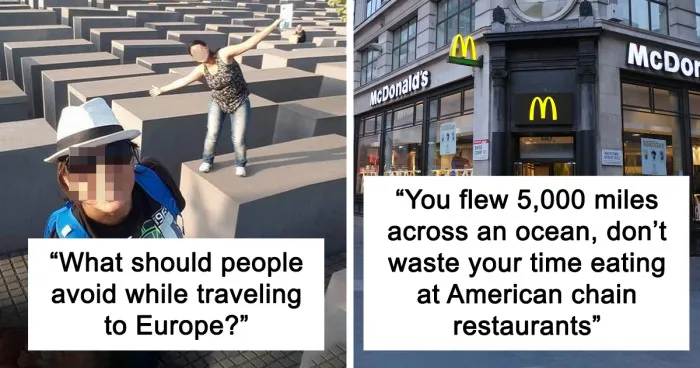


Europe is the global leader in tourism, accounting for roughly two-thirds of international arrivals worldwide. The growth rate of this share accelerated in the 2010s, with the continent reporting a peak of 745 million international visitors in 2019.
With the onset of the coronavirus pandemic in 2020, the volume dropped dramatically, as lockdowns and emergency measures were implemented, but in 2021, things started to get better again, with travel and tourism amounting to 1,450 billion U.S. dollars of the European GDP; this figure remains way below pre-pandemic levels, but the industry is clearly rebounding.
So in an attempt to help everyone planning to explore this corner of the world, let's take a look at a Reddit post that asked its users, "What should people avoid while traveling to Europe?" From getting around and eating out to keeping safe and interacting with locals, continue scrolling to check out the biggest mistakes to avoid!
#21
Let go of expectations, bin the lonely planet book, go find a local who speaks English when you get there and ask them what to do. Do that. Get lost, go on an adventure, don't rate a single thing on tripadvisor.
As a Scotsman I had one of the best weekends of my life in New York City and I did it by not seeing a single tourist attraction but instead just going full immersion. "Nice to meet you. You're going where? F**k it I'll come along...." 14 hours later on a rooftop in Brooklyn. Far better view than a postcard. I suggest this approach to travel.
Report
63points
#22

Avoid any restaurant that tries to strong arm you into entering.
Report
62points
#23
Complaining that something isn’t how it is in the US (or whatever your home country is)
Report
61points
#24
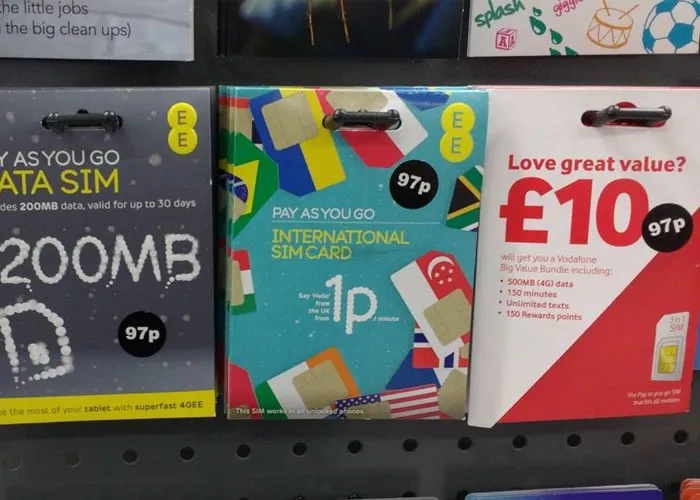
If you're from the US don't sign up for the bull s**t $10 per day international service with Verizon or other service providers. Nearly any airport you arrive in will have a place where you can buy an sim card to put in your phone at fraction of the price. For instance, I once got a sim card in Seville, Spain for something like 12 Euros and it came with a month of service and 9 GB of data.
Report
55points
#25
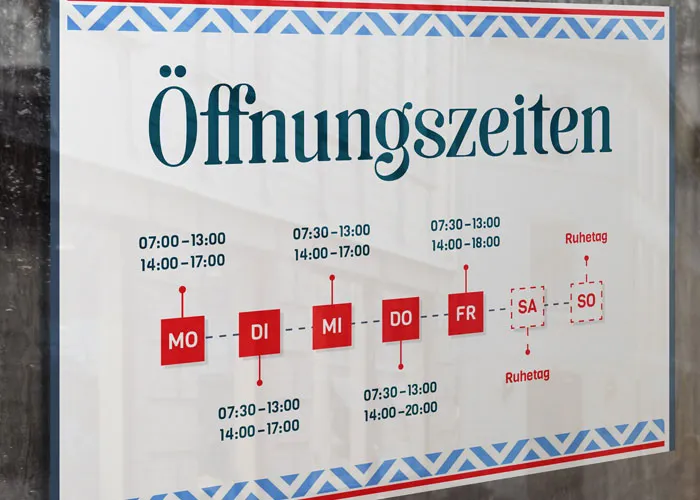
Don't assume that everything will be open during the hours you'd expect in your home country--this is true no matter where you're going. It varies by country and region, but in my experience, grocery stores, banks, post offices, etc., had much more restricted hours than they do in the US. In the US, it's rare for a grocery store to close before 9 PM, if it's not open 24 hours. In Europe, it's normal for grocery stores to close quite early, and for things to be closed on weekends, though this varies by country.
Also, mind your manners. In America, you can often skip over the formalities without being seen as rude. In Europe, this is much harder. Be more direct about what you want, and more polite about requesting it. Part of what perpetuates the unfortunate "rude American" stereotype is that Americans tend to find European manners blunt, and Europeans tend to find American manners invasive.
Report
54points
#26
If someone asks you if you dropped your wallet, don't reach for where you keep it. You're telling them exactly where you keep your valuables.
Report
52points
#27
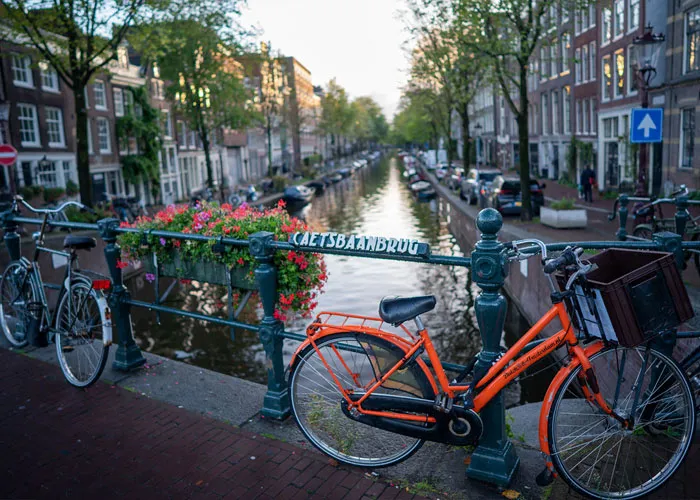
Falling in canals and walking on bicycle paths if they come to the Netherlands
Report
50points
#28
I’d avoid social media and watching TV in the month before your trip and spend that time on Duolingo instead. Not sure where exactly you’re going in Europe but it’ll help you to know a couple of phrases in the language.
Report
48points
#29
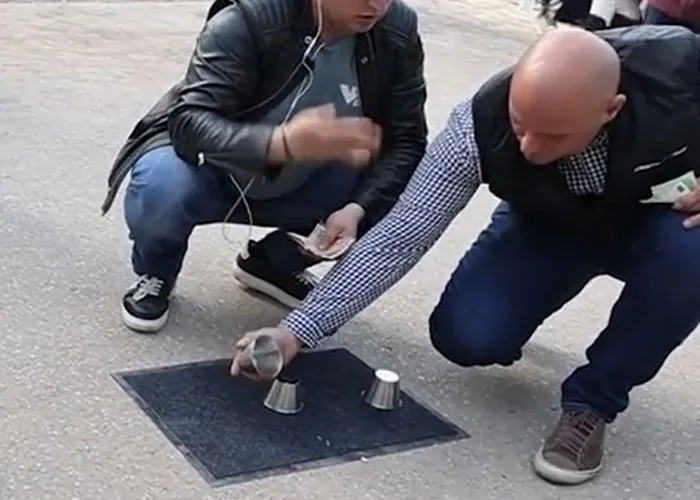
Street scammers in Paris, anywhere really, I just mostly see it in Paris.
Report
39points
#30
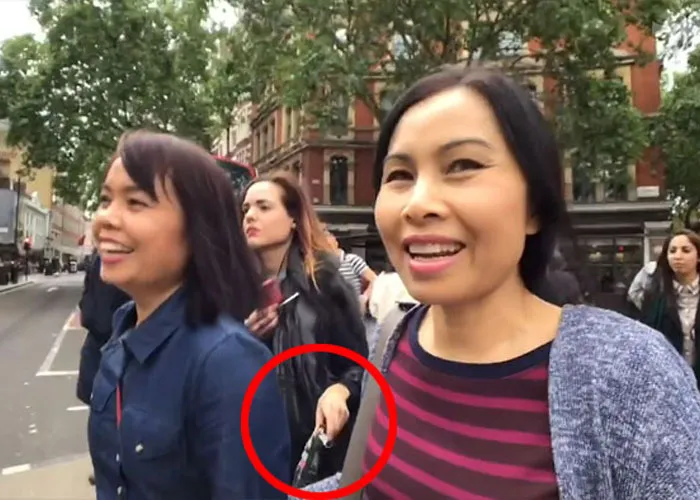
carry your wallet in your front pocket, if carrying a bag or purse, towards the front. It's a comment for all tourist areas, Europe just has a lot of them.
Report
34points