

"For instance, it takes almost two years to develop and produce a computer chip and get it to market for a phone, and five years to get something into a new kind of car. So if we want to have a sense for what, for instance, the gadgets in our cars will look like in 2026, we just need to look at what the car manufacturers are asking their suppliers to design today,” he told us that investors aim to recoup the money they’d put in.

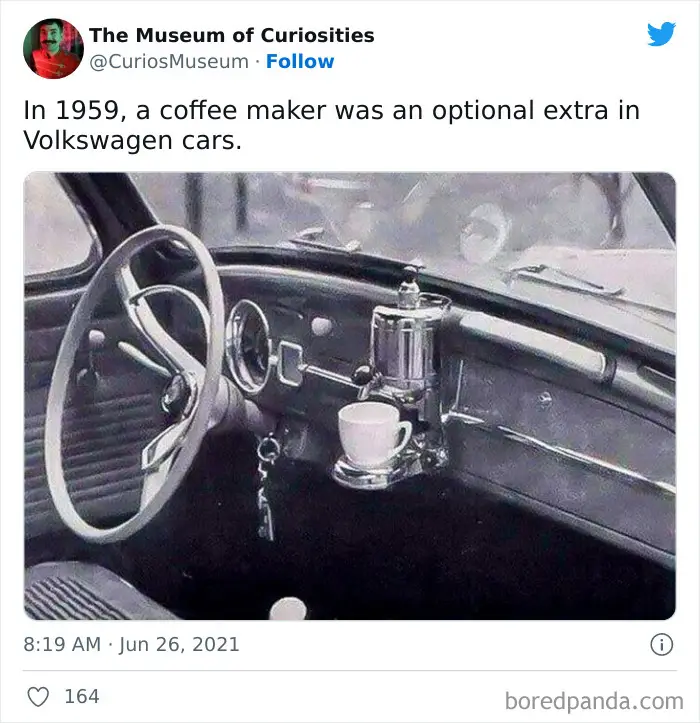

For Ramona Pringle, from the Creative Innovation Studio at Ryerson University, the future, no matter what shape it takes, is bound to hold a few unchanging things. “We love stories, and we love to be part of something bigger than ourselves. Be it oral storytelling, books, blogs, movies, or video games, we’ve never lost our love of narrative,” she said that these elements are very likely to be present in the way that the technology of the future is used.
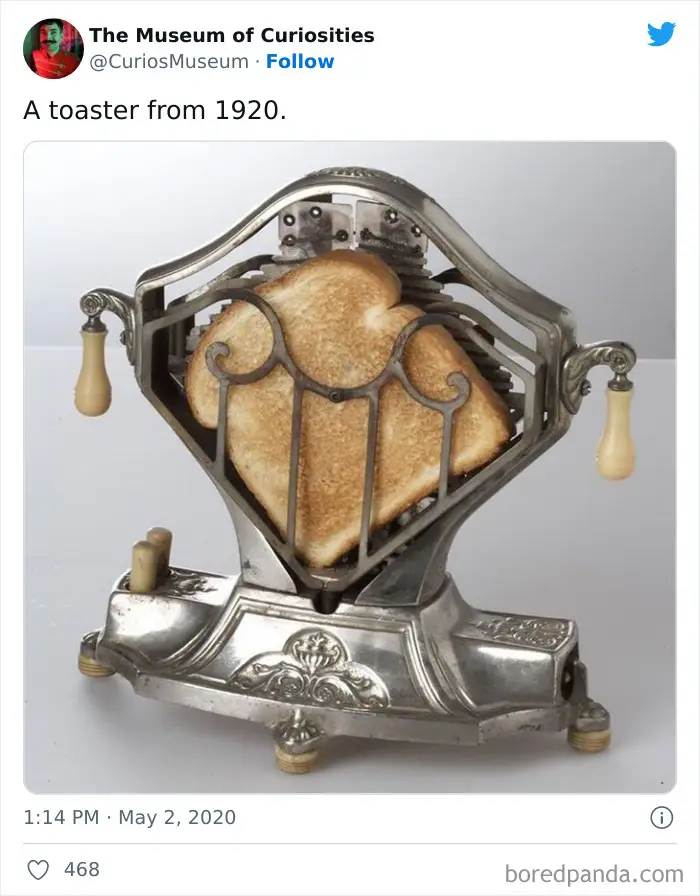

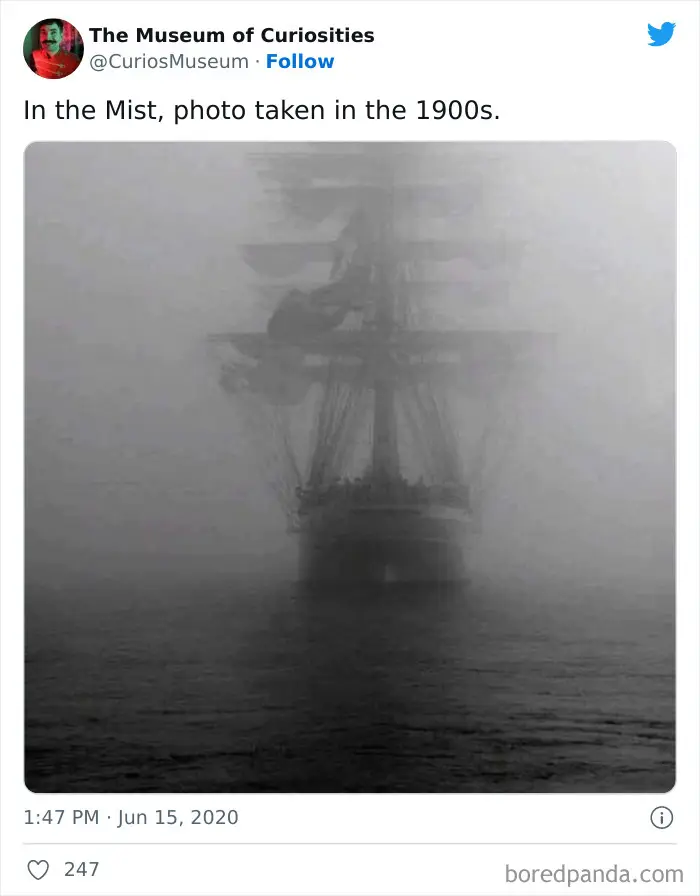
“For the last decade, we’ve leaned into virtual reality because of how it enables both of these. We can step inside a world and have influence over it, and the story or experience that unfolds. I think one of the things we can expect moving forward is, in a sense, the opposite of virtual reality. Instead, more of an enhanced reality or fictional reality, wherein the entertainment isn’t in a headset, but instead, all around us,” Pringle told Bored Panda.

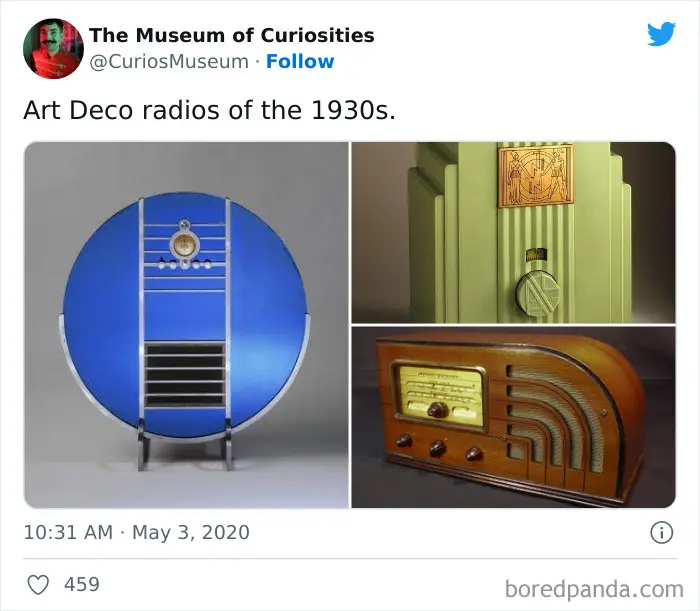
“A decade ago, we didn’t talk to robots. Today, many of us do. Siri and Alexa are some of the more common bots, but we already interface with non-human characters regularly. As technology advances, including augmented reality and mixed reality, I think we can expect that entertainment will be something we can engage with off of the screen, but out in the world, with characters and stories we can engage with throughout the day, or throughout our houses.”