



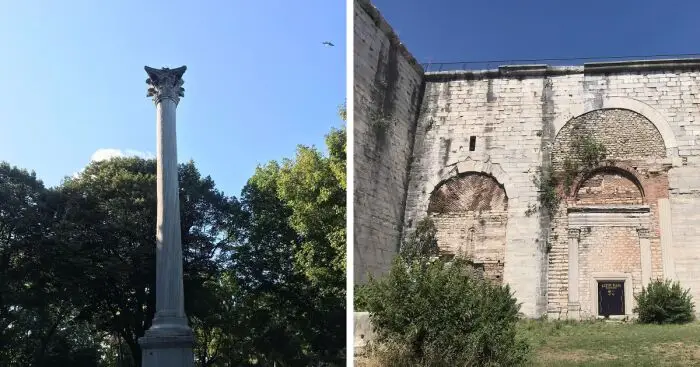
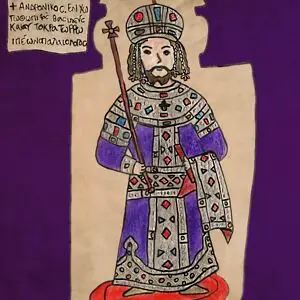

Istanbul, Turkey is perhaps one of the world's most visited cities featuring some of the world's most renowned historical sites such as the Hagia Sophia, the land walls, Topkapi Palace, and countless Ottoman-era mosques. However, Istanbul which was once the Byzantine imperial capital Constantinople (330-1453 AD) has layer after layer of history beneath it, and there are a large number of landmarks or just remnants of what was once part of magnificent historical buildings standing right there.
For all you know, a ruin of an ancient column or just a run-down brick wall you would come across randomly when walking around Istanbul may be something of great historical significance! In this post, I will be showing random historical remnants in today's Istanbul- mostly dating back to Byzantine Constantinople- which all have a long story behind them whether they were once Byzantine churches, public squares, or simply pieces of curiosity within famous landmarks like the Hagia Sophia or Topkapi Palace. So don't just judge these structures by their run-down looks!
More info: Facebook
#21 The Ramp Tower
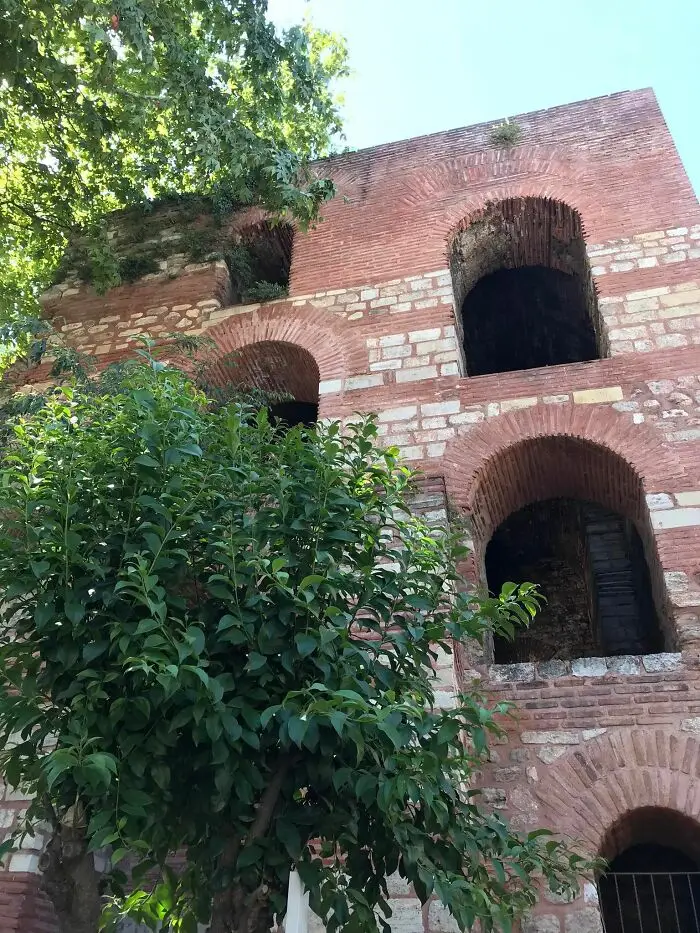
Just next to these restaurants which have access to the halls of what was once the imperial palace, along the road you will happen to chance upon an ancient looking structure. This brick structure which is known as the "Ramp Tower" was apparently part of Byzantine Constantinople's Great Palace Complex too and dates back to the 6th century.
1point
#22 The Bloody Church
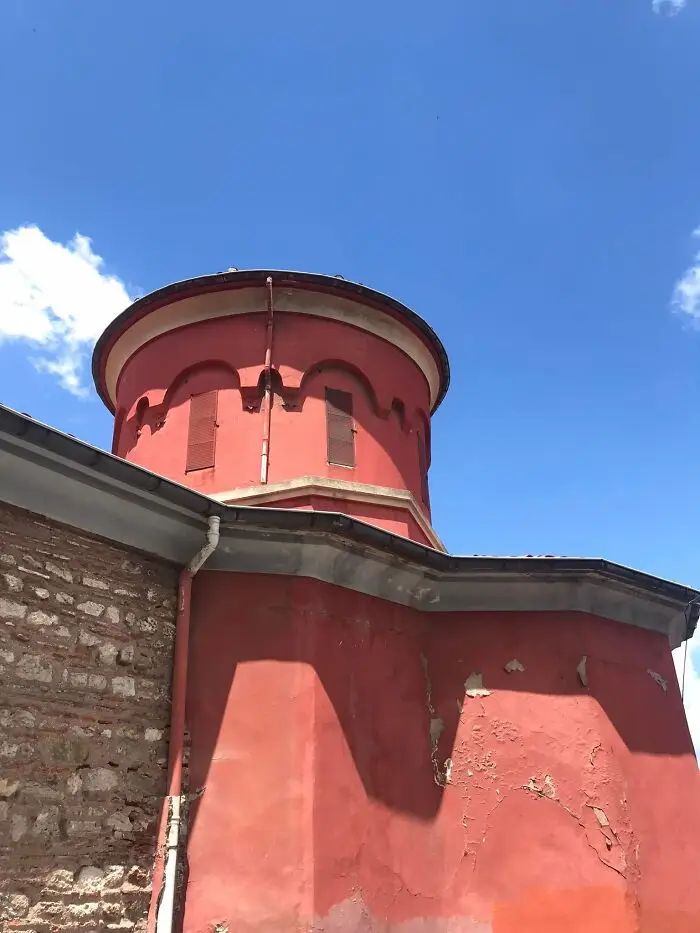
Perhaps one of the most unique sites in Istanbul is a small red Orthodox church in the Fener neighborhood right next to the massive and imposing red Phanar Greek Orthodox College, thus there is a great contrast if these two buildings are put side by side with each other. This red church commonly known as the "Bloody Church" for its red exterior is also known as the "Church of St. Mary of the Mongols". This church structure dates back to the 13th century and it happens to be the only remaining church from Byzantine era Constantinople that still remains as a functioning church today as all other Byzantine era churches in the city were converted into mosques following the Ottoman conquest of 1453.
1point
#23 Underground Tunnels Of The Bloody Church
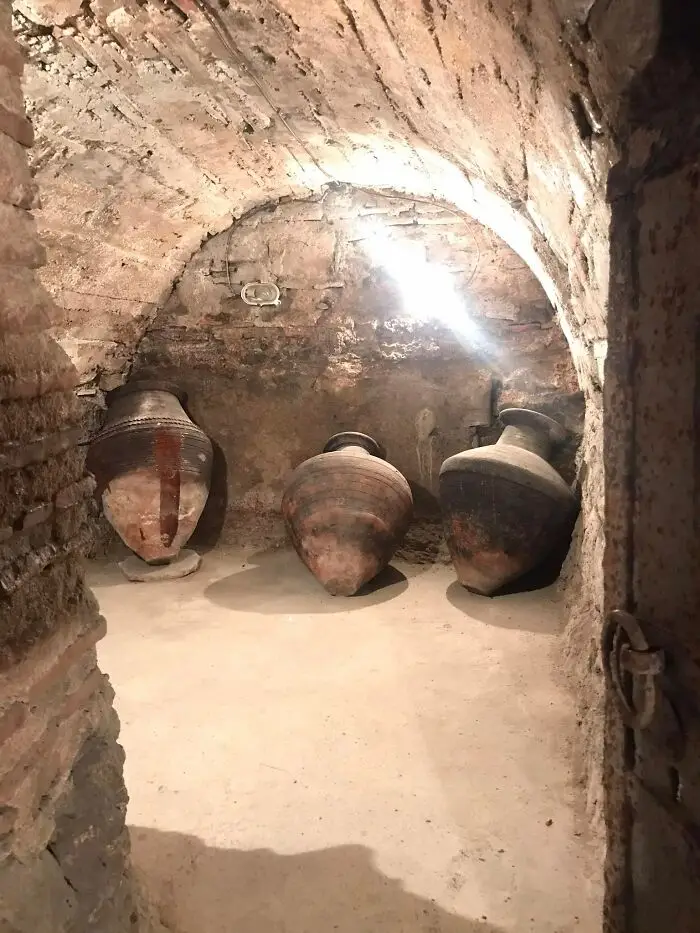
Apparently, the red exterior isn't the only unique feature of the Bloody Church in the Fener neighborhood. Apart from that, it has access to a network of medieval tunnels which are now lit up, and luckily if you can access them, you can get a feeling of what it was like to be in the Byzantine era! These underground passages that can be accessed from the Bloody Church is said to go all the way to the Hagia Sophia despite the long distance between them.
1point
#24 A House Built Within A Byzantine Church
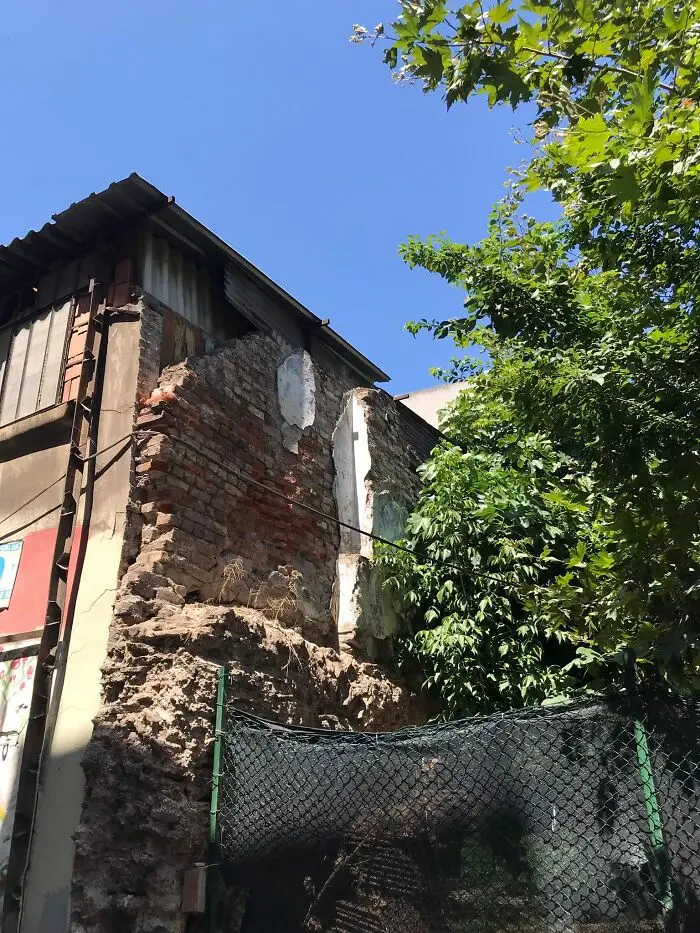
Another piece of curiosity near the Gul Mosque as well happens to be the remains of a brick wall with some houses built into it. Apparently this brick wall is a remnant of a Byzantine church that dated back to the year 1200.
1point
#25 More Hidden Monograms!
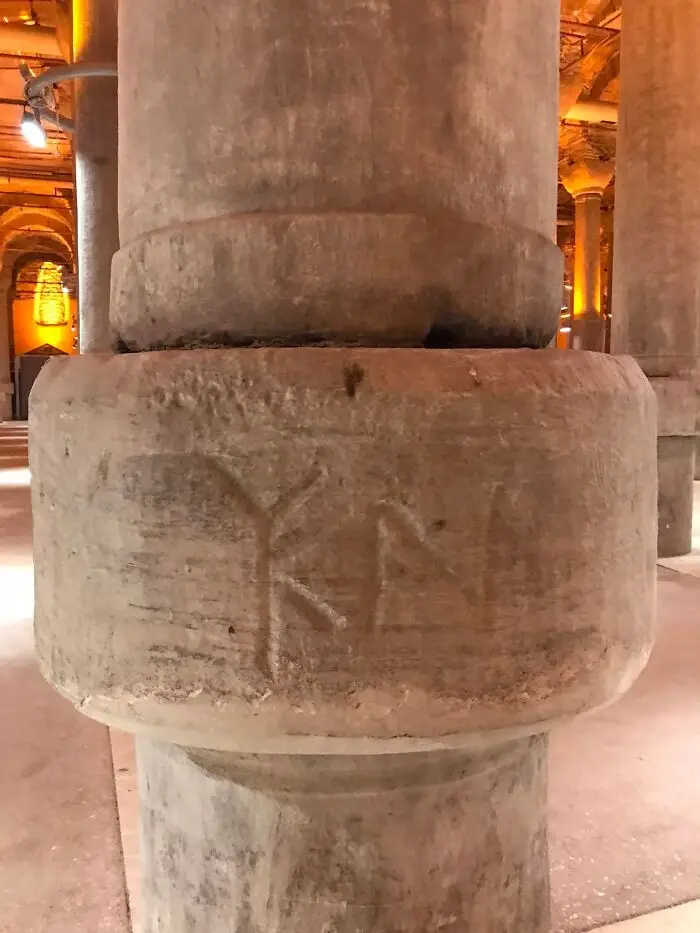
A lesser known tourist attraction in Central Istanbul near the Hagia Sophia and Blue Mosque is a spacious Byzantine cistern, not as well visited as the famous Basilica Cistern (Yerebatan Saray). This less visited one is known in Turkish as the Binbirdirek Cistern which means "Cistern of 1,001 Columns" due to the large number of columns it has, and in Greek it is known as the "Cistern of Philoxenos". In some of its columns, you may spot carved letters, these were apparently the initials of the masons that built these columns fused into monograms.
1point
#26 Hidden Mosaic Of A Byzantine Emperor
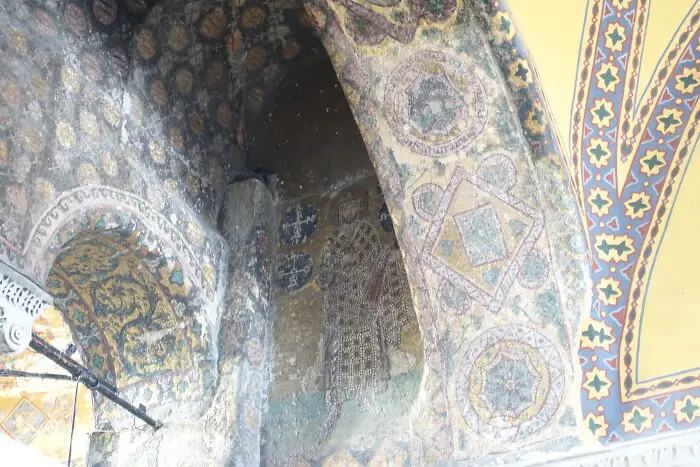
Another hidden treasure in the upper floor of what is now the Hagia Sophia Mosque is an impressive mosaic of a Byzantine emperor tucked in a hidden corner, so it may not be very easy to spot! This mosaic is of the 10th century Byzantine emperor Alexander who only reigned for a year (912-913). Despite having such a short reign, he still commissioned a very ornate mosaic of himself looking like an all-powerful emperor.
1point
#27 Buttresses In The Hagia Sophia
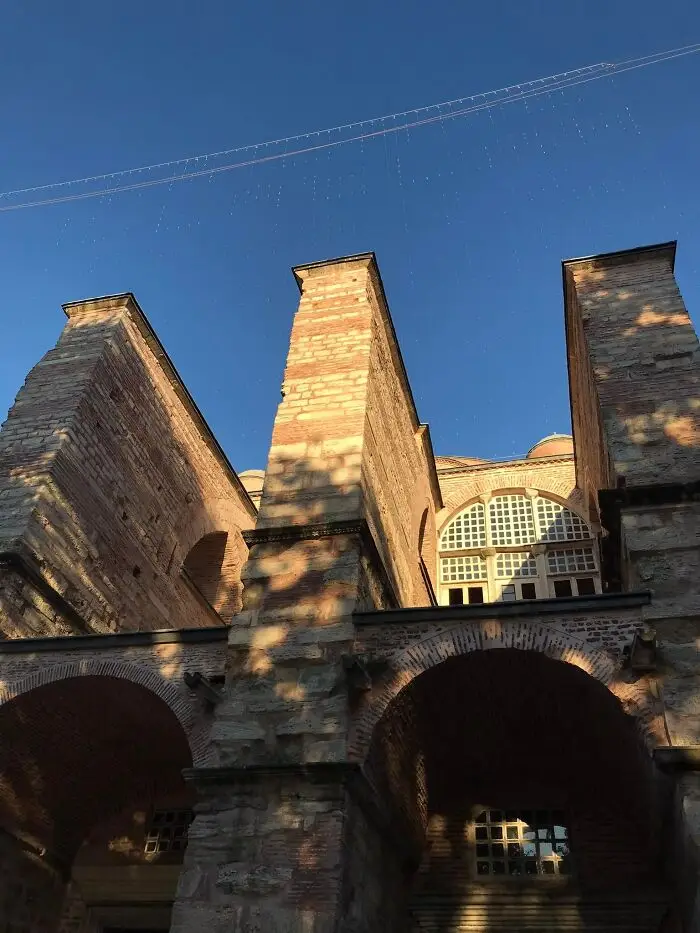
Now buttresses aren't a very common feature in Byzantine architecture, and yet the most famous piece of Byzantine architecture being the Hagia Sophia has them! When being built in the 6th century, the Hagia Sophia did not feature any buttresses, however due to the passing of time, to further support this great structure from occasional earthquakes and from eroding, buttresses had to be added to it. On the west side of the Hagia Sophia, you can spot 4 brick buttresses, and these were added by the Crusaders during the time they occupied Byzantine Constantinople (1204-1261). On the opposite side of them, you will also spot additional stone buttresses, and these were added in the 14th century when the Byzantines had already taken back Constantinople from the Crusaders. In the 16th century with Constantinople under the Ottomans, the architect Mimar Sinan added additional buttresses to further support the Hagia Sophia which became a mosque.
1point
#28 A Hidden Spring In Blachernae Church
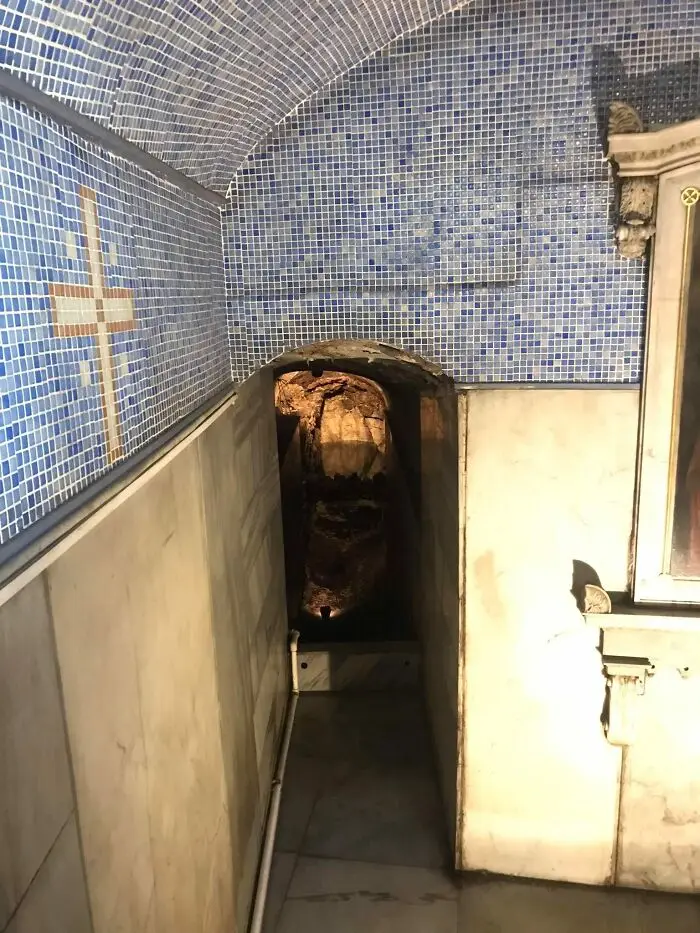
Although the structure of the Orthodox church of St. Mary of Blachernae near the land walls of the city only dates back to the 19th century, it was built over a church that dates all the way back to the 5th century. Back in the 5th century, this church was built over a spring which contained holy water. Today, when visiting the Blachernae church, you can still see this spring which contained holy water, and up to now it still does have water!
1point
#29 A Greek Church With Byzantine Art In Galata
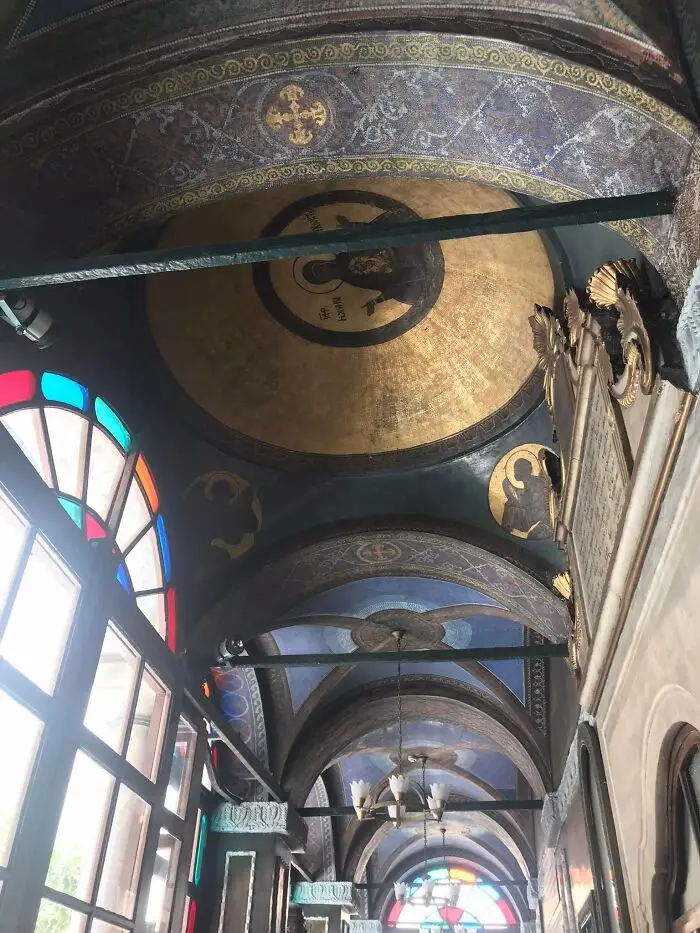
Near the busy street of Istiklal in the Galata District of Istanbul, you may come across the impressive Greek Orthodox church known as "Panayia Isodion Kilisesi" with Byzantine style art including mosaics. Now, this church and the art as well is not from the Byzantine era but only dates back to the 19th century. However this church with its art is still definitely a great replica of a Byzantine era church!
1point
#30 The Lion Sculpture From A Palace
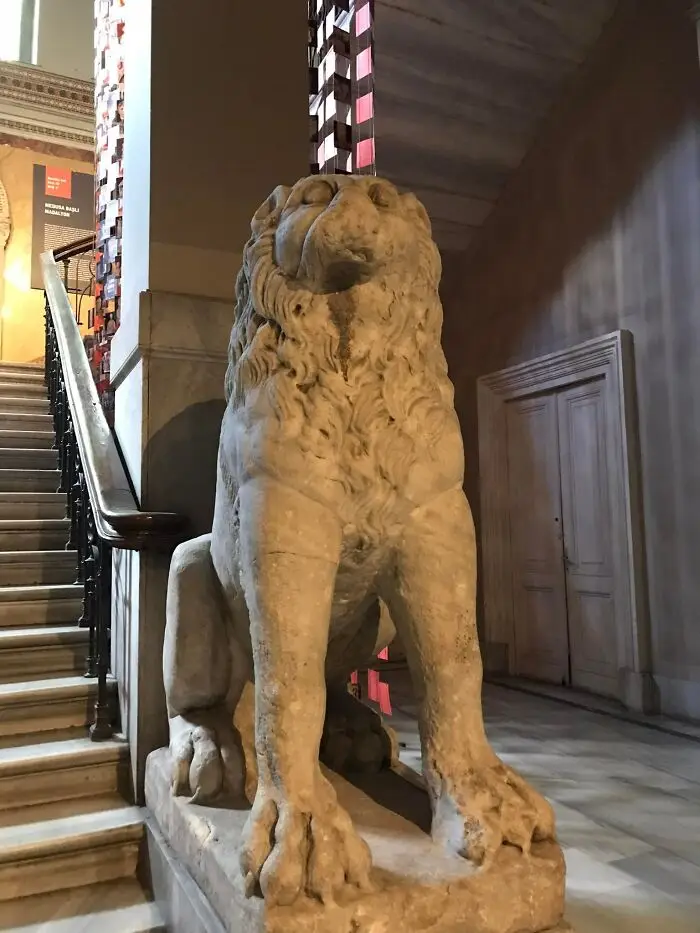
One of the treasures found in the Istanbul Archaeological Museum is a mostly intact sculpture of a lion which is centuries old. This lion statue apparently came from the same seaside Boukoleon Palace within the city, and true enough part of that palace's name comes from this lion statue as the palace's name comes from the combination of "bull" and "lion" as there was a statue of a bull and lion outside the palace's entrance, hence its name "Boukoleon".
1point
