



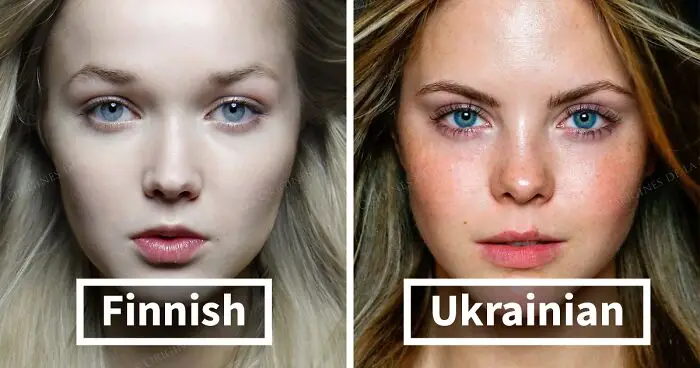


Beauty has no nationality or race—and although our world is slowly moving towards a place where this statement is accepted by all people, a part of our society needs a little reminder of that. This is exactly the mission of "The Ethnic Origins of Beauty," a project that highlights the ethnic diversity of mankind through gorgeous portraits of women of different ethnic groups across the world.
This non-profit art and documentary project started in 2012 by Paris-based Russian photographer, producer, and documentary filmmaker Natalia Ivanova, and is still going strong. To prove that we live in a rich, beautiful, and diverse world, and it's never going to change, she has chosen a universal language of beauty. The project seeks to contribute to the harmonization and strengthening of tolerance in inter-ethnic relations through searching for beauty in every people, through equal attention to every ethnicity, respect, and positive interest for the particularities of each other.
"The objective of this project is to show the real scale of ethnocultural diversity in a full, systematic and creative way; to illustrate each and every distinctive ethnicity," Ivanova writes on her website. Each ethnic group is represented in the project by beautiful, talented, and charismatic young women who speak about their people, their culture, and their traditions through the experience and impressions of their own life.
Up to date, the team of the project has captured more than 250 photo and video portraits representing over 110 ethnic groups from around the world and we decided to share their best photographs!
From February 2021, the photo portraits of the project “The Ethnic Origins of Beauty” project became a part of a permanent exhibition at the National Museum of Science and Technology of India, in a pavilion dedicated to the human genome and ethnic diversity.
What is your ethnicity? Let us know in the comments!
#21 Georgian
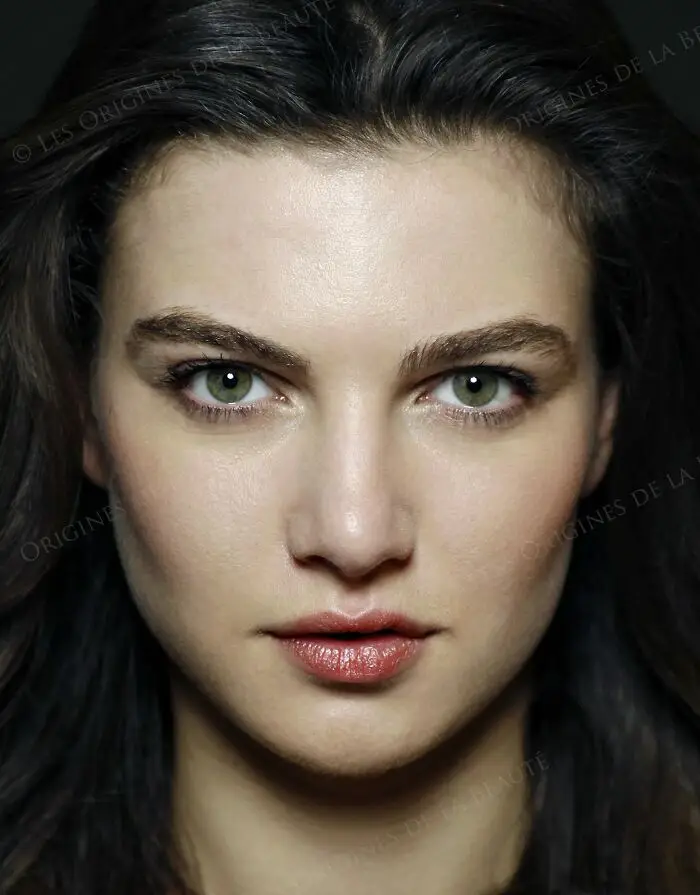
The Georgians (Georgian: ქართველები, kartvelebi) are an ethnic group that originated in Georgia (sovereign state in the Caucasus region of Eurasia), where they constitute a majority of the population. Large Georgian communities are also present throughout Russia, European Union, United States, and South America.
The majority of Georgians are Eastern Orthodox Christian and most follow the national autocephalous Georgian Orthodox Church, which originated in the 4th century. There are also Georgian Catholic and Muslim communities in Tbilisi and Adjara.
Total population — 6 million.
69points
#22 Karelian
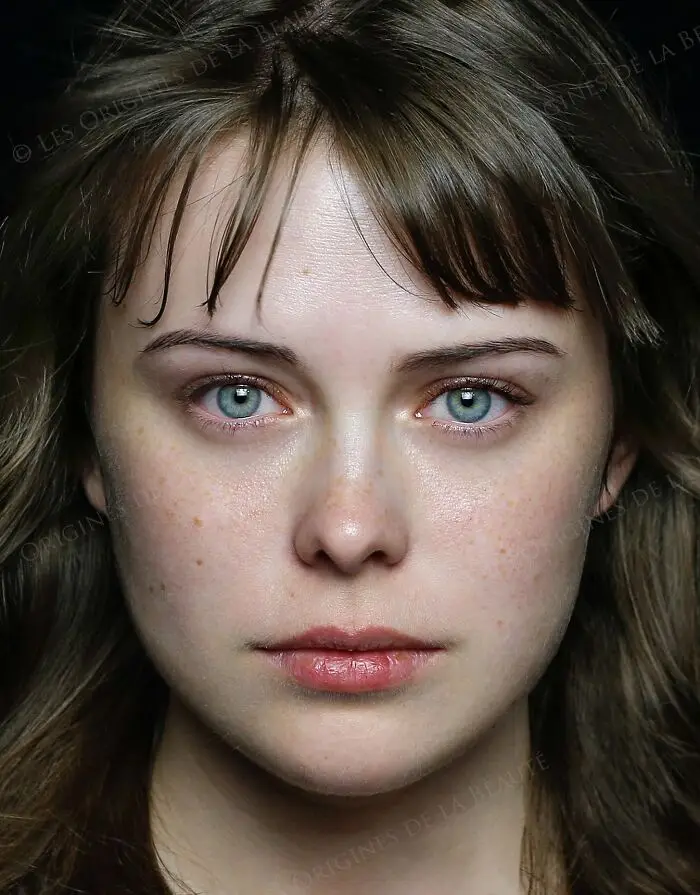
Karelians (Karelian: karjalaižet) are a Baltic-Finnic ethnic group who are native to the Northern European historical region of Karelia, which is today split between Finland and Russia.
In Russia, Karelians mostly live in the Republic of Karelia, where they are the designated ethnic group, and in other adjacent north-western parts of the country. In Finland, Karelians traditionally live in the regions of Savonia and Northern and Southern Karelia.
The Karelian language is closely related to the Finnish language.
The majority of Russian Karelians are Eastern Orthodox Christians. The majority of Finnish Karelians are Lutherans.
Total population: about 90,000.
69points
#23 Tigray
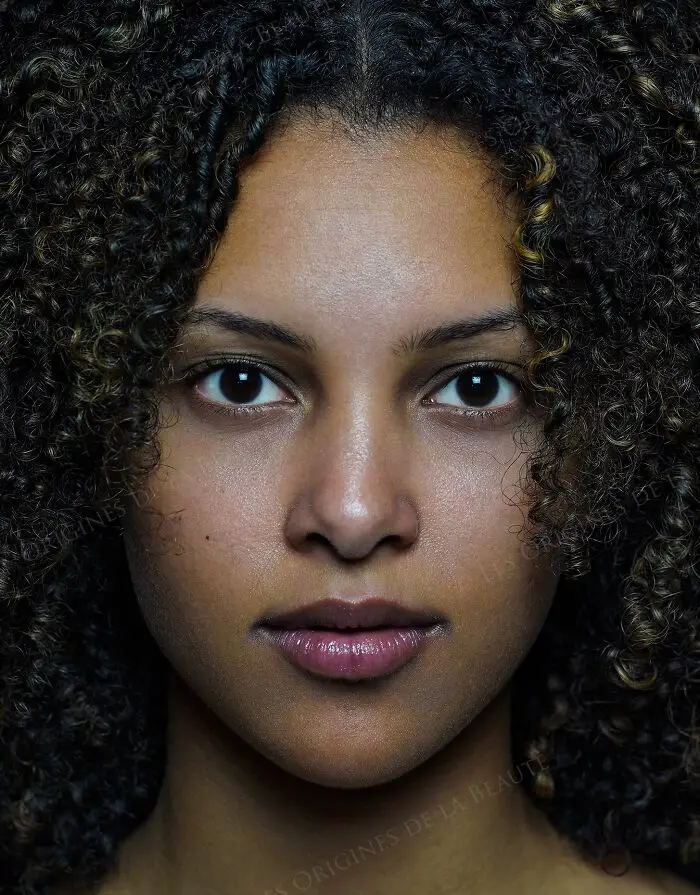
The Tigrinya are an ethnic group living in Ethiopia and Eritrea in the northern highlands of Abyssinia. In Ethiopia today they are called "Tigray," while in Eritrea, they are called "Tigrinya." They mainly inhabit the highlands of Eritrea and the Tigray Region of northern Ethiopia, with diaspora communities in many countries. In Eritrea, they comprise about 55% of the population, i.e. above three million people (and additionally half a million in the diaspora), and in Ethiopia, there are about 4.5 million Tigrayans, according to the 2007 census, most of them in the Tigray Region. Over 90% of Tigray/Tigrinya are Christians. The great majority are Ethiopian Orthodox Christian and Eritrean Orthodox Christian.
Total population: 8 million.
67points
#24 Belarusian
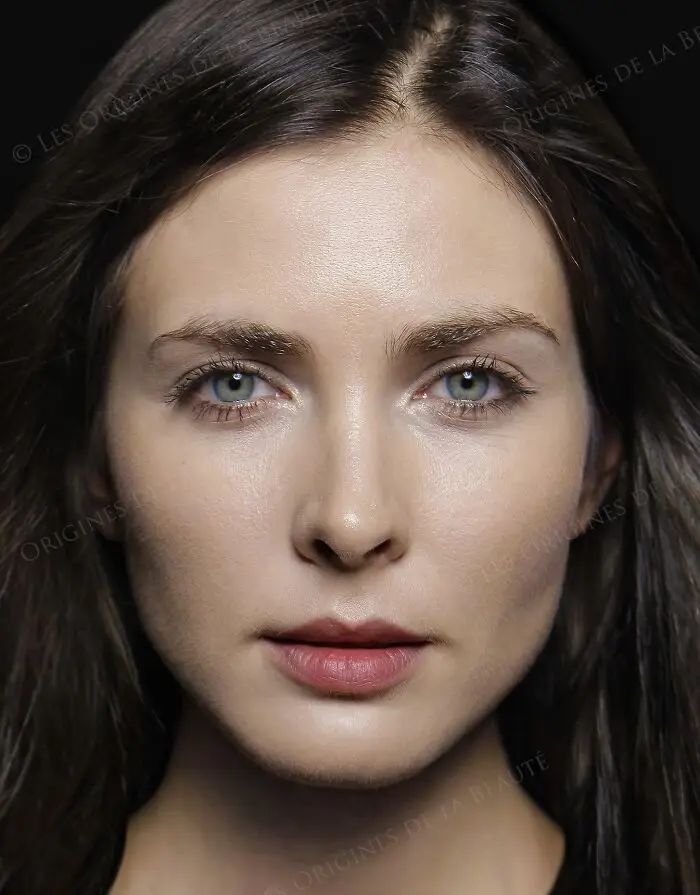
Belarusians (Belarusian: беларусы biełarusy, Russian: белорусы byelorusy) are an East Slavic ethnic group who populate the majority of the Republic of Belarus.
The two official languages in Belarus are Belarusian and Russian. Russian is the most spoken language, principally by 72% of the population, while Belarusian is only used by 11.9% in everyday life.
Total population: over 9.5 million people.
65points
#25 Breton
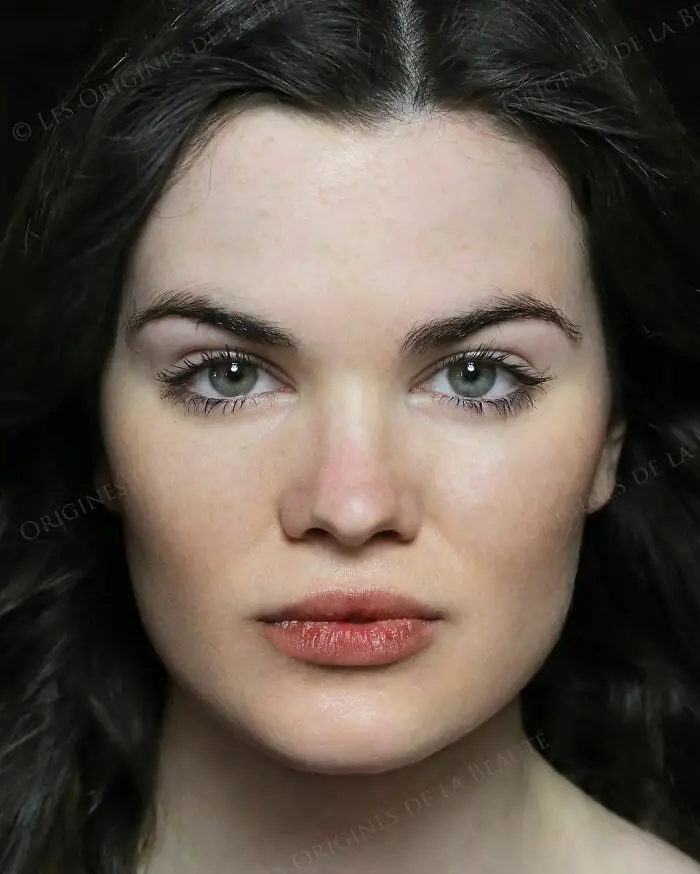
The Bretons are an ethnic group located in the region of Brittany in France. They trace much of their heritage to groups of Brythonic speakers who emigrated from southwestern Great Britain, including Cornwall, in waves from the 3rd to 9th century into the Armorican peninsula, which was subsequently named Brittany after them Brittany and its people are counted as one of the six Celtic nations. Ethnically, along with the Cornish and Welsh, the Bretons are the last vestiges of the ancient Britons. The actual number of ethnic Bretons in Brittany and France as a whole is difficult to assess as the French government does not collect statistics on ethnic identity.
A strong historical emigration has created a Breton diaspora within the French borders and in the overseas departments and territories of France; it is mainly established in the Paris area, where more than 1 million people claim Breton heritage. Many Breton families have also emigrated to the Americas, predominantly to Canada and the United States. The first French settlers of the French Antilles were from Brittany.
Total population: 4,365,500.
63points
#26 Abkhazian

Abkhazians or the Abkhaz (Abkhaz: Аҧсуа, Apswa; Georgian: აფხაზები [ɑpʰxɑzɛbi]) are a Caucasian ethnic group mainly living in Abkhazia, a disputed region on the Black Sea coast. Abkhazia is a partially recognized state in the South Caucasus, recognized by most countries as part of Georgia, which views the region as an autonomous republic.
A large Abkhaz diaspora population resides in Turkey, the origins of which lie in the emigration from the Caucasus in the late 19th century known as muhajirism. Many Abkhaz also live in other parts of the former Soviet Union, particularly in Russia and Ukraine.
The Abkhaz language belongs to the isolate Northwest Caucasian language family, also known as Abkhaz–Adyghe or North Pontic family, which groups the dialectic continuum spoken by the Abaza–Abkhaz (Abazgi) and Adyghe ("Circassians" in English). Abkhaz is closely ethnically related to Circassian.
The Abkhaz people are principally divided into Abkhazian Orthodox Christian and Sunni Muslim (Hanafi) communities (prevalent in Abkhazia and Turkey respectively) but the indigenous non-Abrahamic beliefs have always been strong.
Total population: about 200,000.
62points
#27 Anglo-Australian
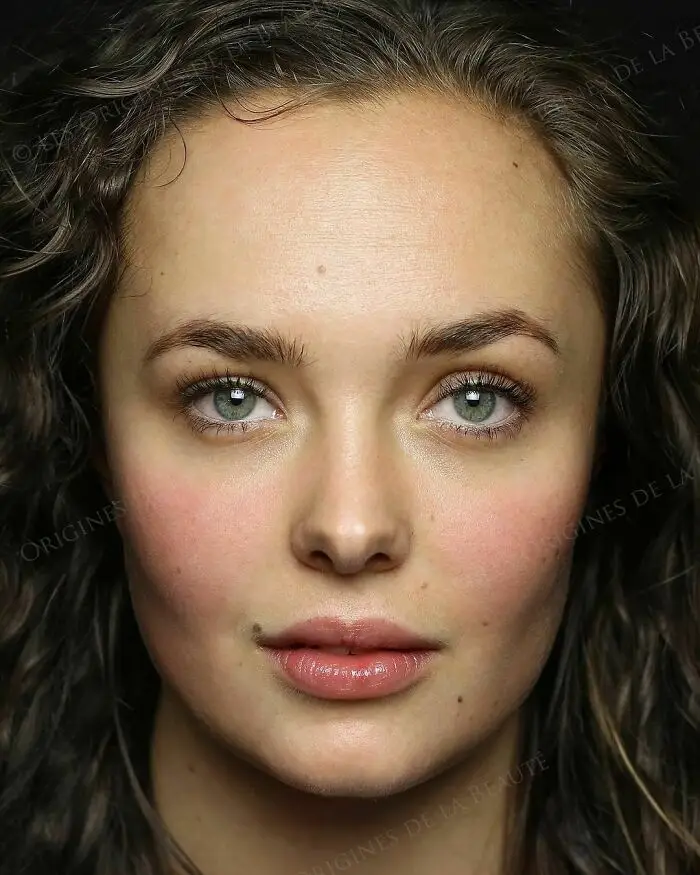
The Anglo-Australians (English Australians) are the people making up the main population of Australia. They also live in UK, USA, New Zealand, Papua New Guinea, and other countries.
The ancestors of the Anglo-Australians were emigrants from England, Ireland, and Scotland. Also, Italian, German, Dutch immigrants contributed to the ethnogenesis of the people. The settlement of Australia from the British Isles began in 1788.
According to religion, Anglo-Australians are Christian Anglicans, Methodists, Presbyterians (descendants of the Scots) and Catholics (descendants of the Irish) are found.
The language is English (a special variant known as Australian English). Total population: about 12 million.
62points
#28 Cossack
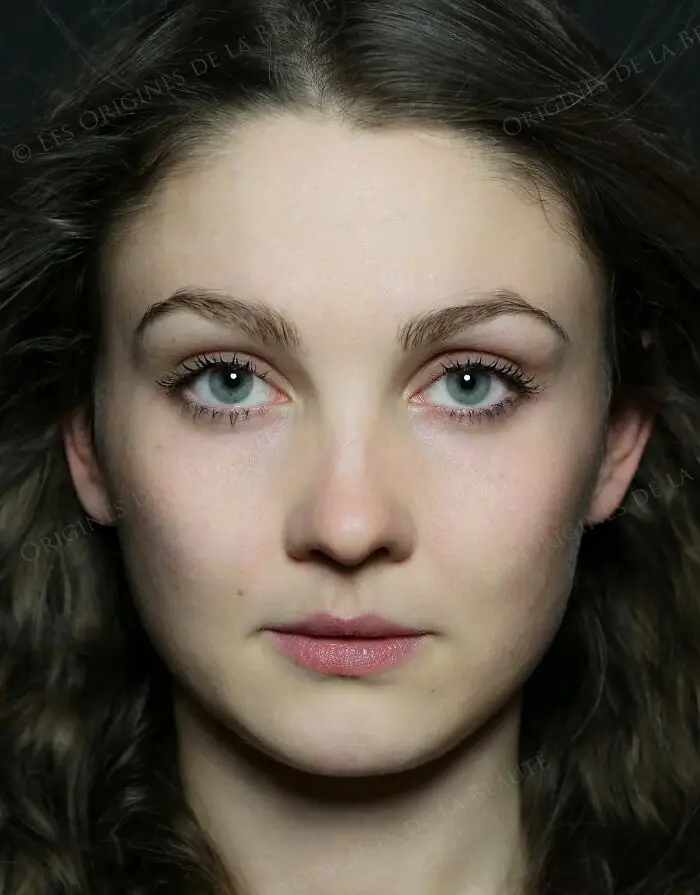
Cossacks are one of the peoples of the Northern Black Sea area, the Don, and the North Caucasus.
The number in Russia: about 140 thousand people
The Cossacks were considered a separate Slavic ethnic group before official registration in Russian as an estate in 1834.
Nowadays, the Cossacks consider themselves differently: some, like a sub-ethnic group of Russian people, others - as a separate ethnic group.
60points
#29 Abkhazian
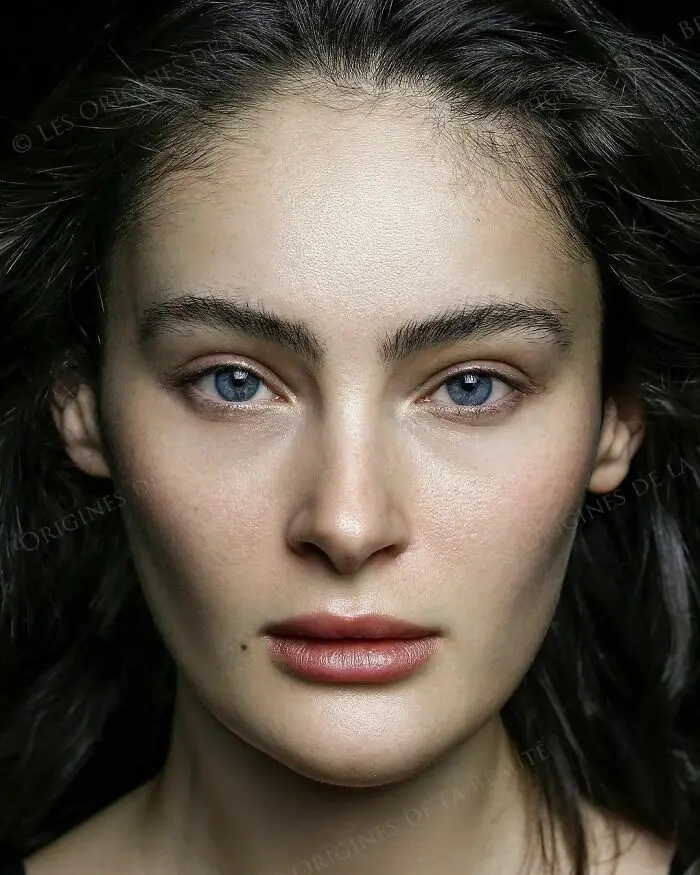
Abkhazians or the Abkhaz (Abkhaz: Аҧсуа, Apswa; Georgian: აფხაზები [ɑpʰxɑzɛbi]) are a Caucasian ethnic group mainly living in Abkhazia, a disputed region on the Black Sea coast. Abkhazia is a partially recognized state in the South Caucasus, recognized by most countries as part of Georgia, which views the region as an autonomous republic.
A large Abkhaz diaspora population resides in Turkey, the origins of which lie in the emigration from the Caucasus in the late 19th century known as muhajirism. Many Abkhaz also live in other parts of the former Soviet Union, particularly in Russia and Ukraine.
The Abkhaz language belongs to the isolate Northwest Caucasian language family, also known as Abkhaz–Adyghe or North Pontic family, which groups the dialectic continuum spoken by the Abaza–Abkhaz (Abazgi) and Adyghe ("Circassians" in English). Abkhaz is closely ethnically related to Circassian.
The Abkhaz people are principally divided into Abkhazian Orthodox Christian and Sunni Muslim (Hanafi) communities (prevalent in Abkhazia and Turkey respectively) but the indigenous non-Abrahamic beliefs have always been strong.
Total population: about 200,000.
59points
#30 Chechen
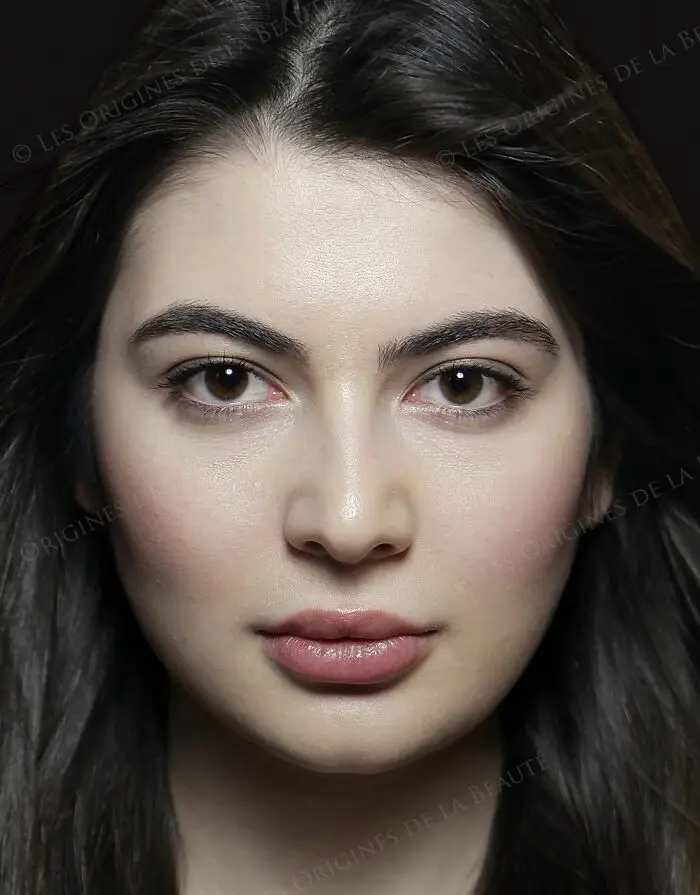
Chechens (English pronunciation: /tʃʼɛtʃɛn/, Chechen: Hохчий Noxçiy) constitute a native Northeast Caucasian ethnic group of the Nakh peoples originating in the North Caucasus region of Eastern Europe. The majority of Chechens today live in the Chechen Republic, a subdivision of the Russian Federation. Chechen society has traditionally been egalitarian and organized around many autonomous local clans, called teips.
The main language of the Chechen people is Chechen. Chechen belongs to the family of Nakh languages (Northeast Caucasian languages).
Chechnya is predominantly Muslim. Chechens are overwhelmingly adherents to the Shafi'i Madhhab of Sunni Islam, the republic having converted to Islam between the 16th and the 19th centuries.
Total population: 1.7 million.
59points


