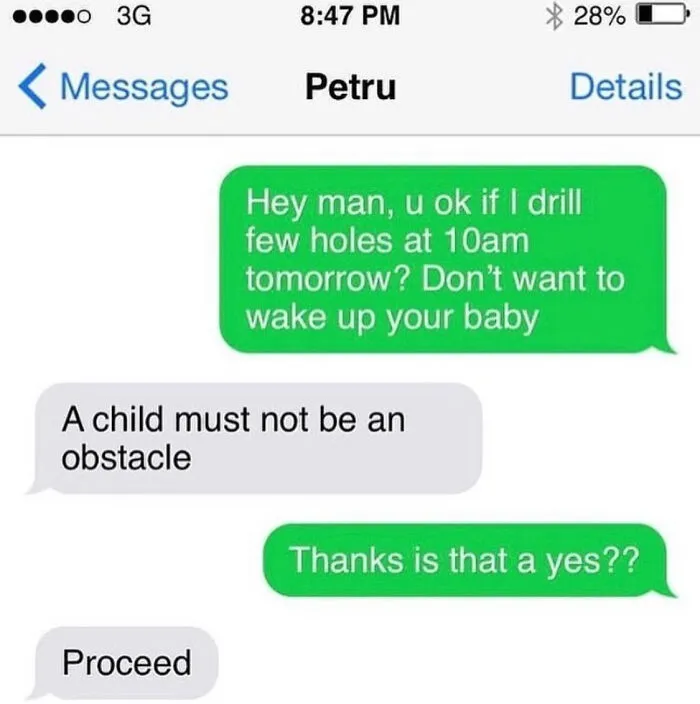


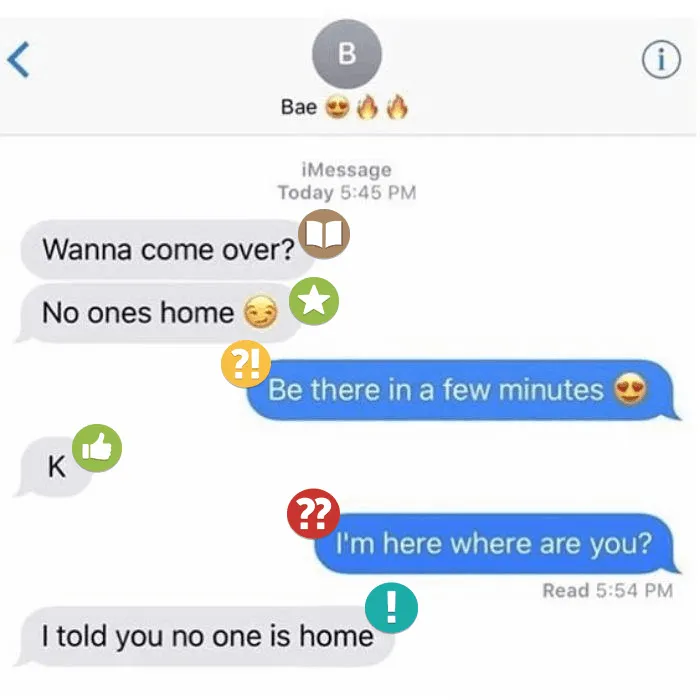
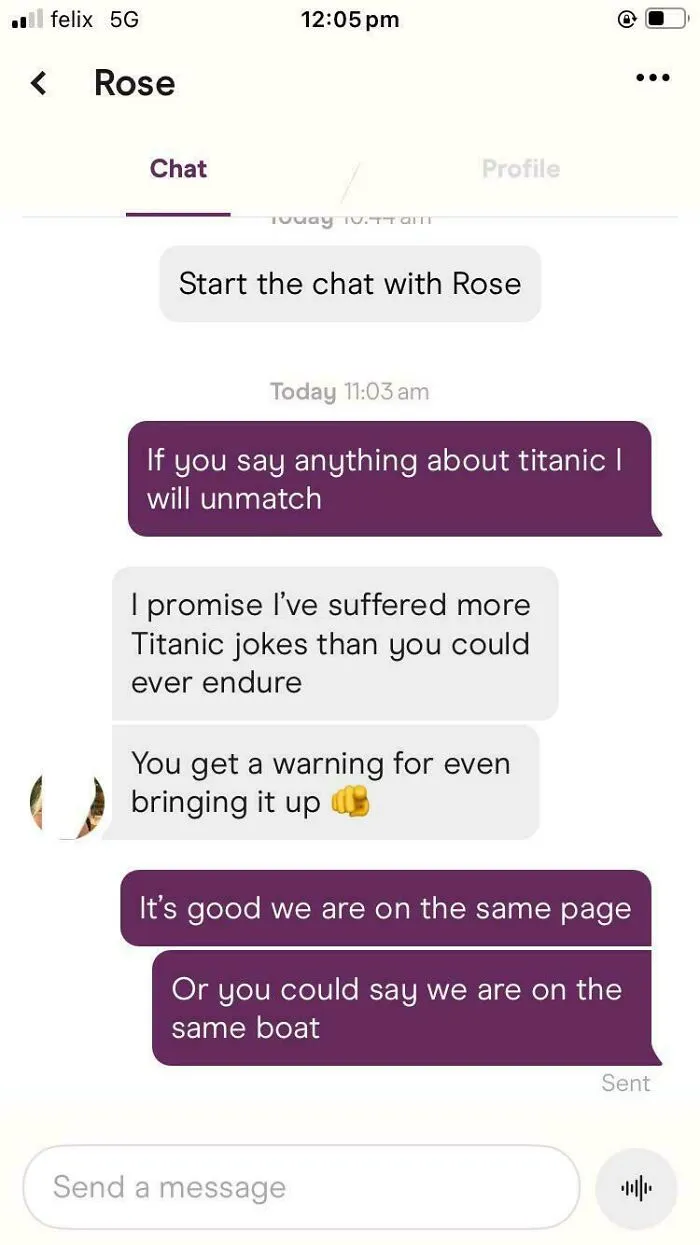
There were also concerns about what texting was doing to social skills, particularly for younger generations who were growing up with it. The worry was that teenagers would lose their ability to hold face-to-face conversations if so much of their interaction happened through a screen.
It’s hard to say how much of that fear came true in a dramatic way, but it’s also hard to ignore that plenty of adults today would rather order food through an app than speak to another human being on the phone. Texting didn’t ruin socializing exactly, but it did give a lot of people a very comfortable exit from it.


The darker side of texting’s rise came on the road. A 2009 Car and Driver study found that drivers were more distracted when texting than when driving drunk, and a Pew Research survey that same year found that 26 percent of American teenagers had texted behind the wheel. By 2024, cell phone use was linked to 12.1 percent of fatal car crashes among teen drivers.
Washington became the first state in the U.S. to ban texting while driving back in 2007, and by 2015, 44 states along with several U.S. territories had similar laws in place. It turned out that the same technology making it easier than ever to stay connected was also making one of the most dangerous things people do every day even more dangerous.
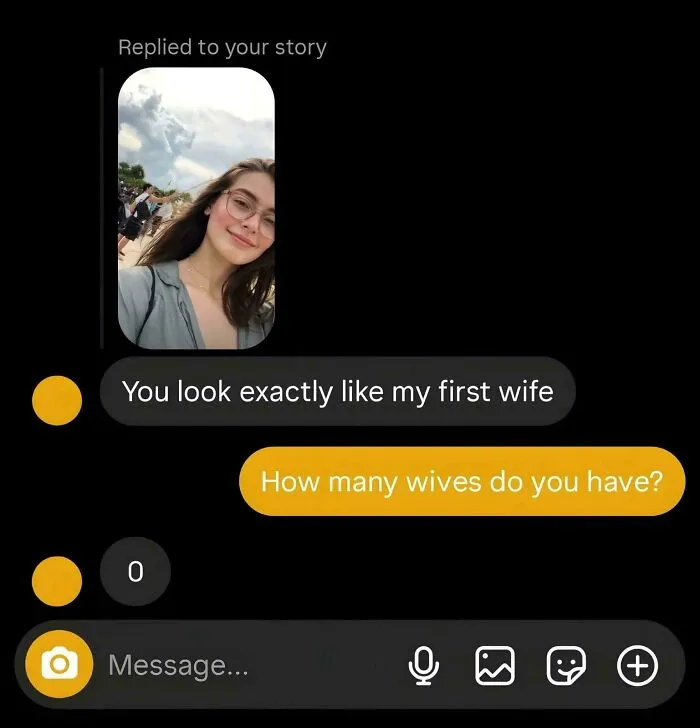
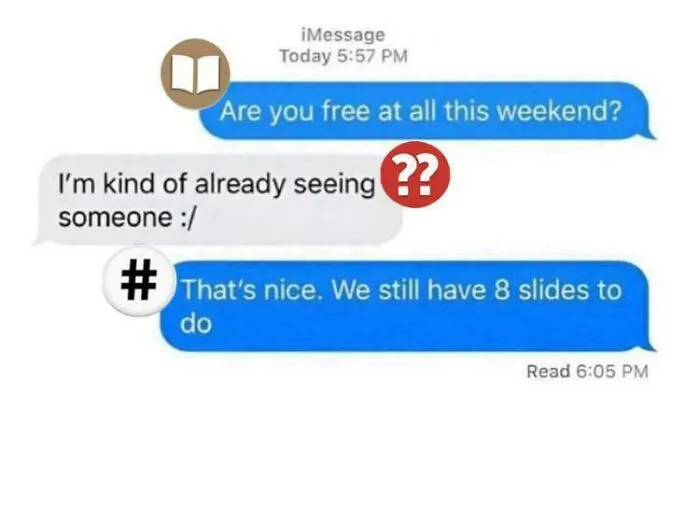

It’s clear that texting has come a long way. What started as an idea that popped into the head of one person sitting at a typewriter in the 1980s is now the dominant way we communicate with each other.
But as with anything that spreads that fast and that far, the benefits have come with real dangers attached. Whether the whole thing reads as progress or a cautionary tale is entirely up to you.