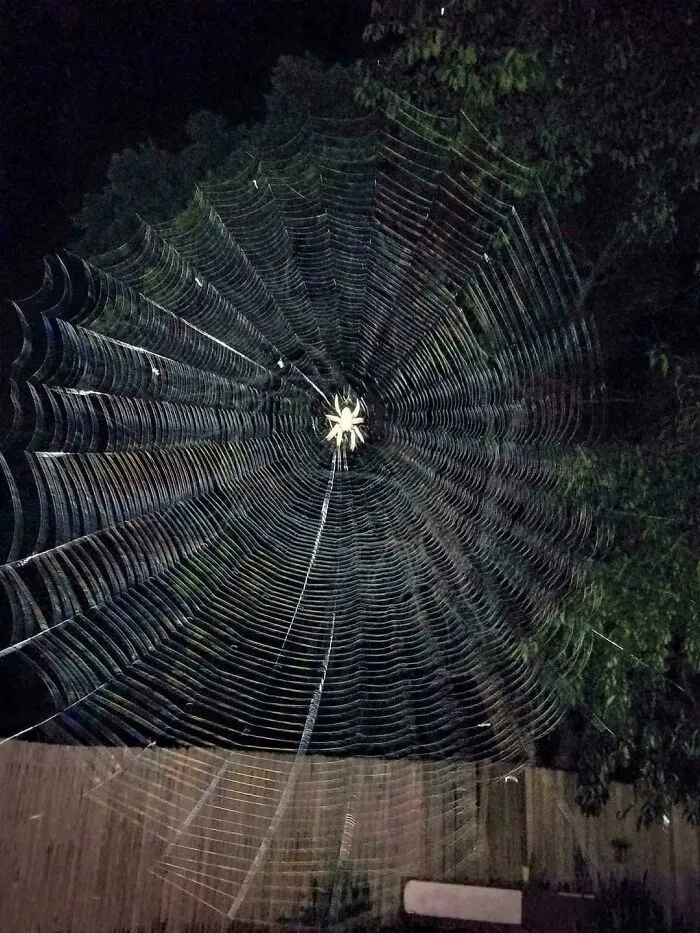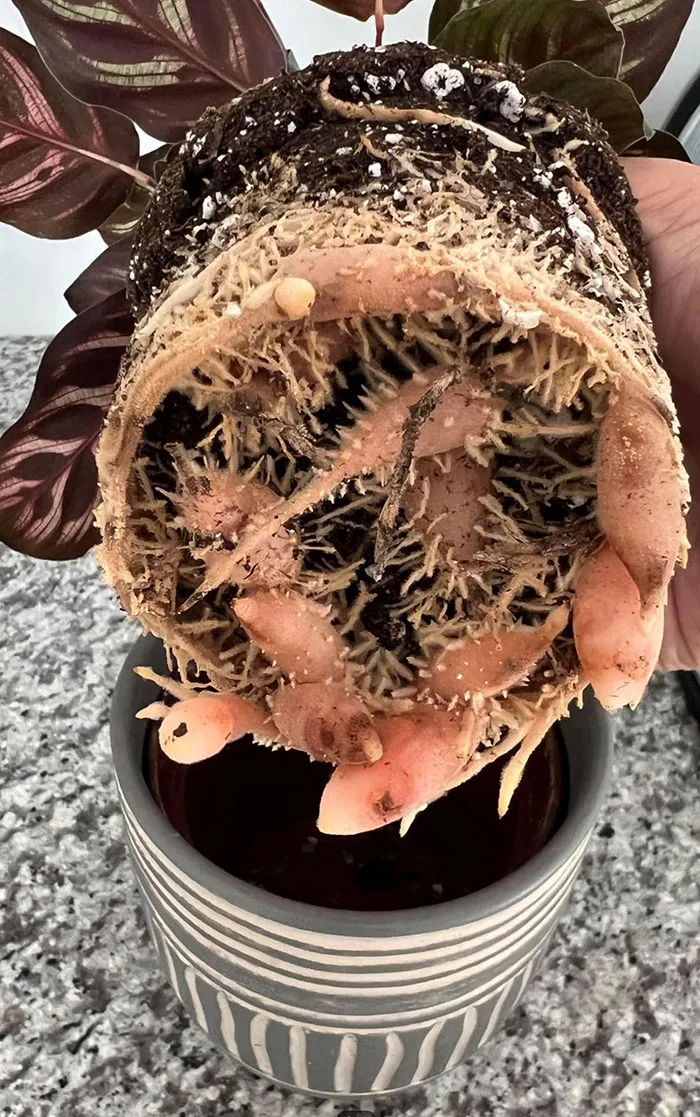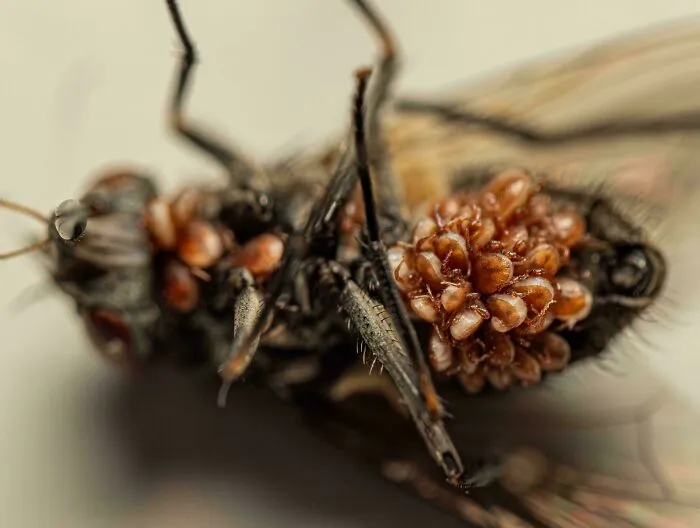



One way to reverse or avoid biophobia is education, researchers say. Studies have shown that exposure of young children to nature in a safe environment, such as with a schoolteacher or parents, has a great effect on their attitudes. Museums and parks can boost people’s knowledge about nature. In places where nature is not easily accessible, naturalist-guided walks or gardening can provide positive interactions with nature.
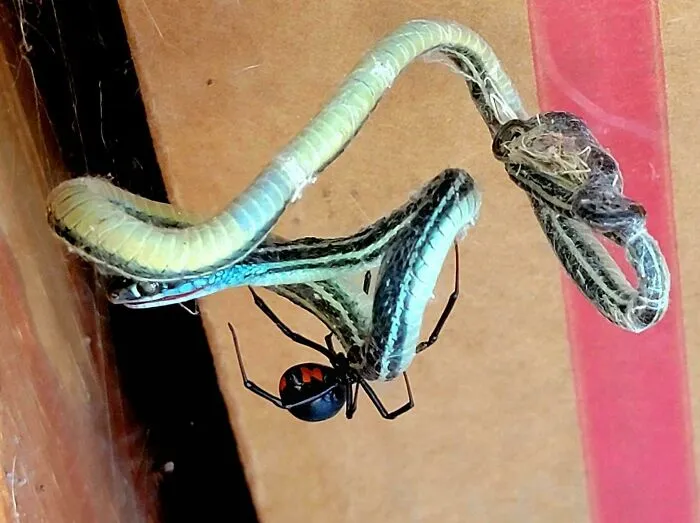
#23 This Pomegranate

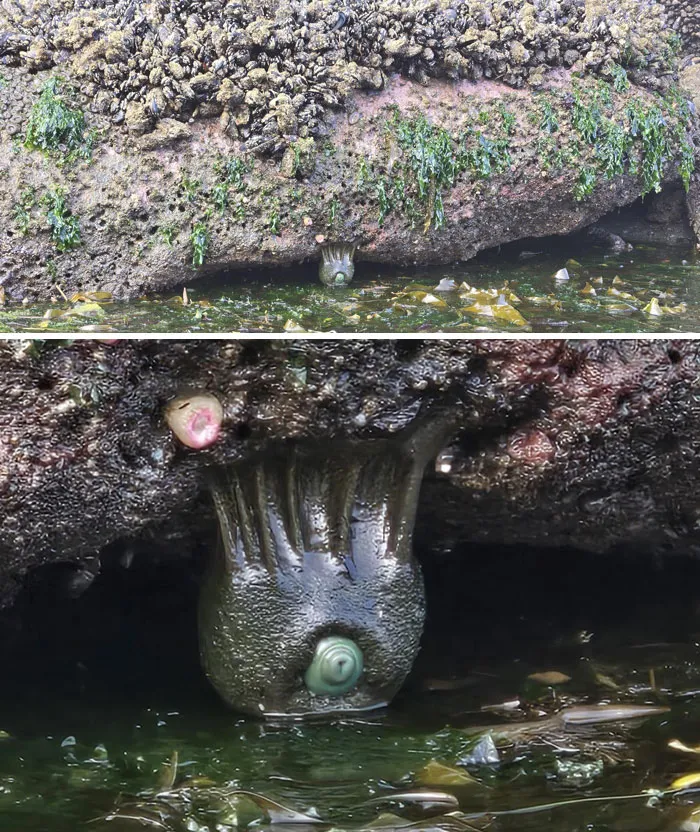
#24 Just Spotted Gwar Member At The Beach
It’s crucial that people have these positive interactions and attitudes with nature, as indifference to nature can negatively impact people’s attention spans, physical activity levels, resilience to stress, and pose a threat to our environment and other organisms.
To avoid this, all it takes is to step outside, interact with nature, and educate ourselves about it. The fear of rattlesnakes won’t be as intense or all-consuming if a person knows that fewer than 0.0025% of people in the US are bitten by them each year, and only 5-6 are fatal. With more research, they might even find out that there are no rattlesnakes in their area and they have nothing to worry about.

All of this plays a huge part in maintaining our well-being and protecting the organisms that are crucial to our environment.
“If you don’t care about something, you’re not going to take that next step to protect it,” says Linda Powers Tomasso, an environmental health researcher. “We only protect and care for what we know, what we love. If we don’t have an opportunity to get to know something, we will never develop that sense of love.”
#29 This Pattern On The Tree That Look Like Eyes

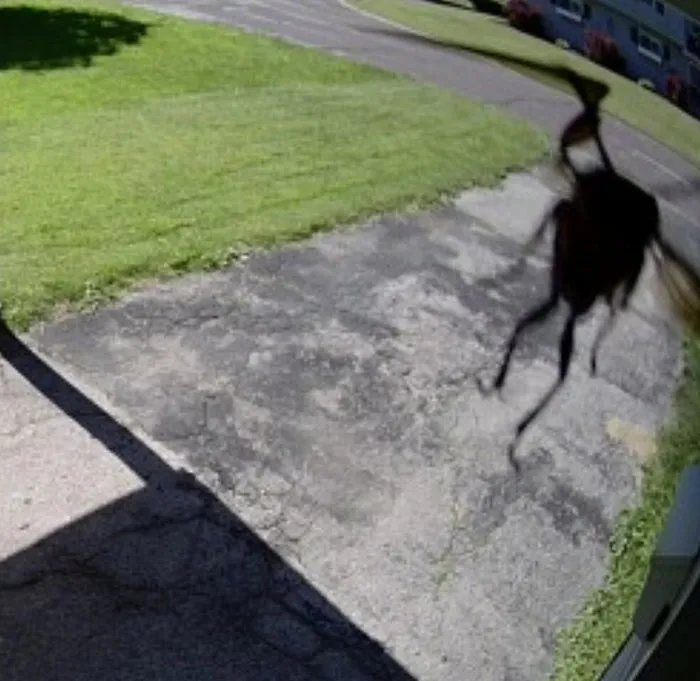
#35 Got A Notification From My Motion Activated Security And Clicked To Look And Jumpscared Myself
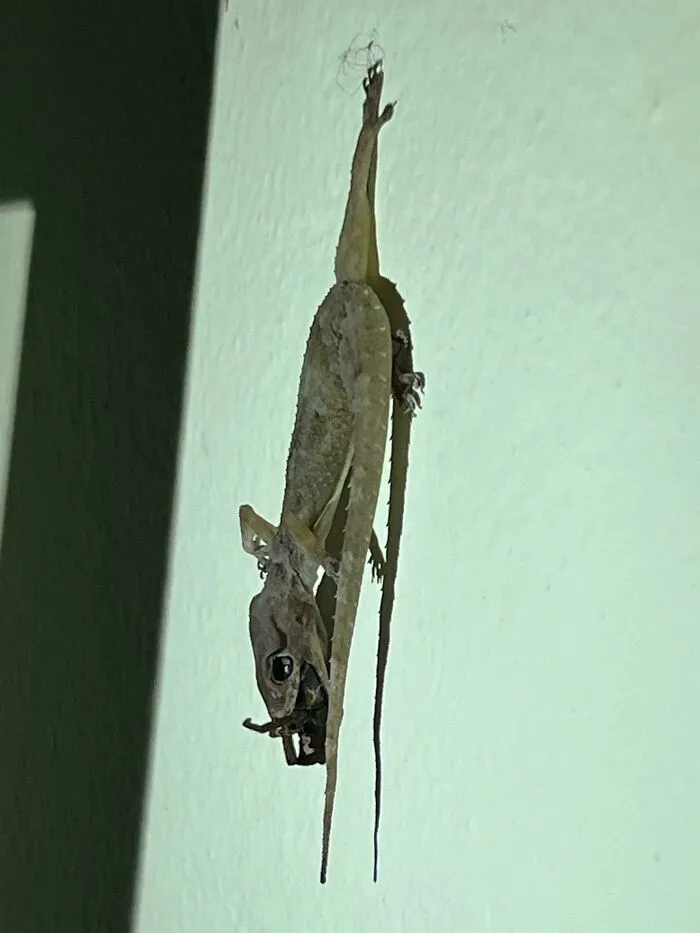
#36 A Gecko Tries To Eat A Venomous Spider. The Spider Injects Its Venom As It’s Being Chewed And Both Meet Their End On The Spot
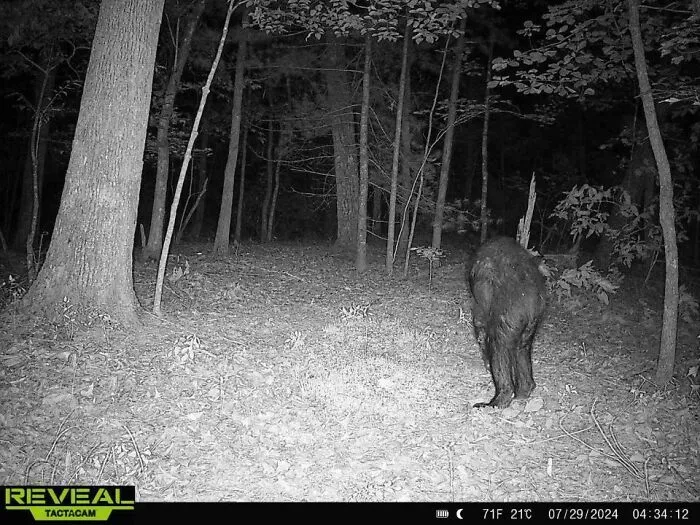
#38 Almost Walked Into This In My Backyard. It Wasn't There 2hrs Ago