


Now look, when it comes to absolutely terrible creative ideas, I have no room to talk. I was once a young Fine Art student with more than my fair share of them. In some cases, my peers and lecturers could intervene before things got truly irredeemable, but looking back on some of the projects I completed is a whole other level of cringe. Granted, in art school, sometimes being weird, freaky, or a little “subversive” seemed like the whole point, but unlike the creators on this list, I wasn’t equipped with a whole bunch of technical skill to carry me through. I was still learning the craft myself, so there was no silver lining of impeccable execution to fall back on.
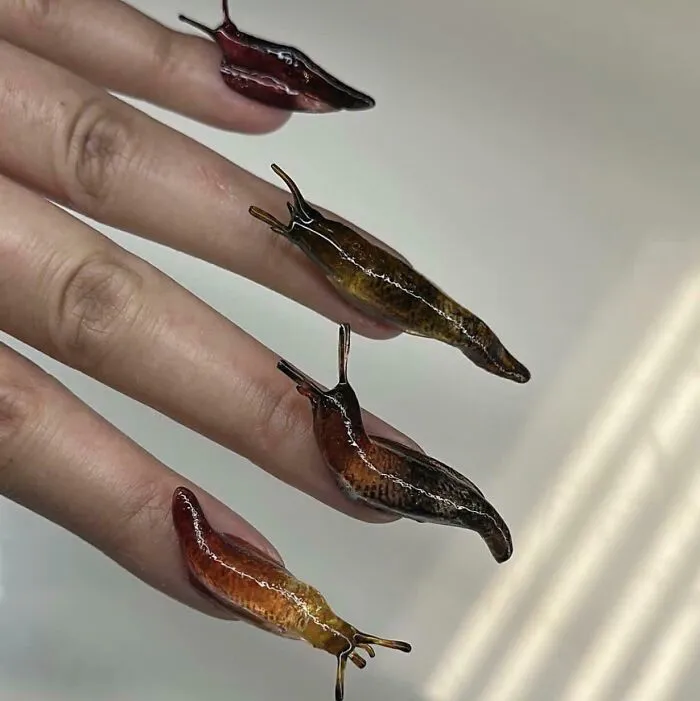

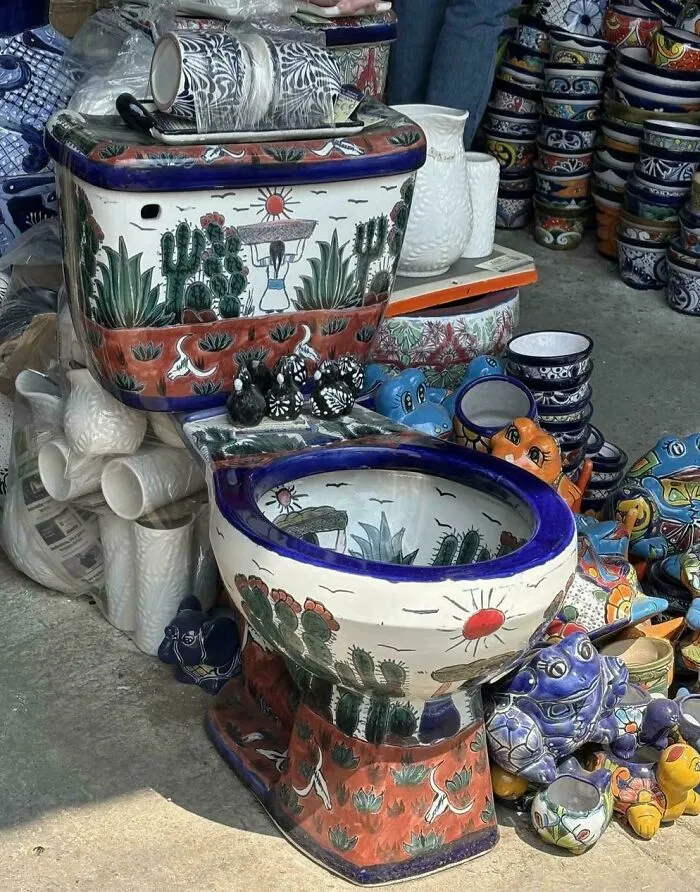
#6 I Really Wanted This To Work For This Kid's Sake. But Like, Why???

What I did learn in those years, and arguably more so in the years I spent tutoring other students, is that, as Loredana Crisan, Chief Design Officer at Figma, puts it, “becoming an expert isn’t just acquiring new skills or techniques; it’s curating a unique way of seeing.” This “unique way of seeing” is where taste comes into play—and taste can sometimes be a whole lot harder to pin down and cultivate than the mechanics of your craft.
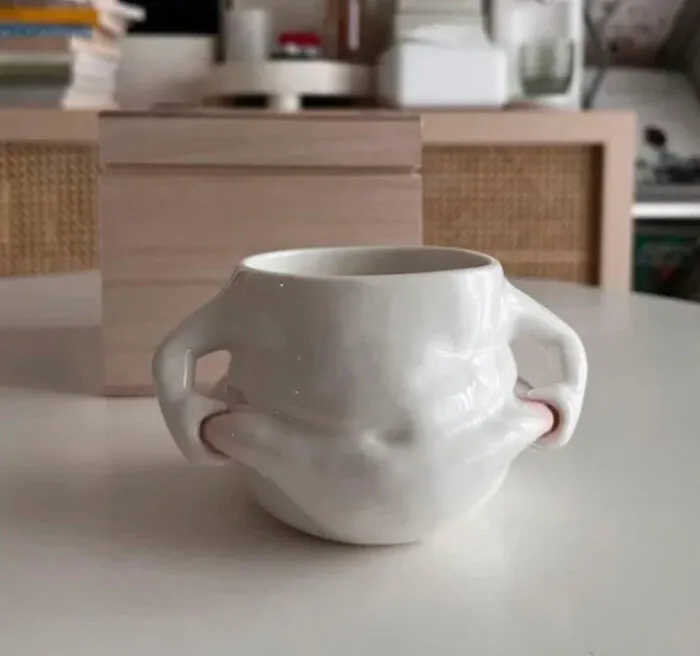
#7 Someone Literally Took A Picture Of Me And Designed This Cup After It


In my training as a printmaker, in particular, there were very specific, methodical steps—even rules—to follow, and by interacting with your tools and materials, you got a pretty good idea of how each of them behaved and what outcomes could be achieved. Taste, on the other hand, is far more elusive. It’s subjective, sometimes problematic, ever-changing, hard to teach, and often easier to recognize than to explain. Sometimes you only really know it when you see it—or, ahem, when it’s sorely missing.

Taste itself, as Debora Deva writes for The Drum, “often resists simple definition,” with philosophers debating what we mean by it for hundreds of years (yes, really). Still, Deva offers a useful starting point: “In a creative context, it refers to a refined sense of judgment, an instinct for quality, coherence, and style that shapes every aesthetic choice.”
More simply, and perhaps even more helpful for our list today, she cites former Harvard dean Nitin Nohria, who describes taste as “the instinct that tells us not just what can be done, but what should be done.”
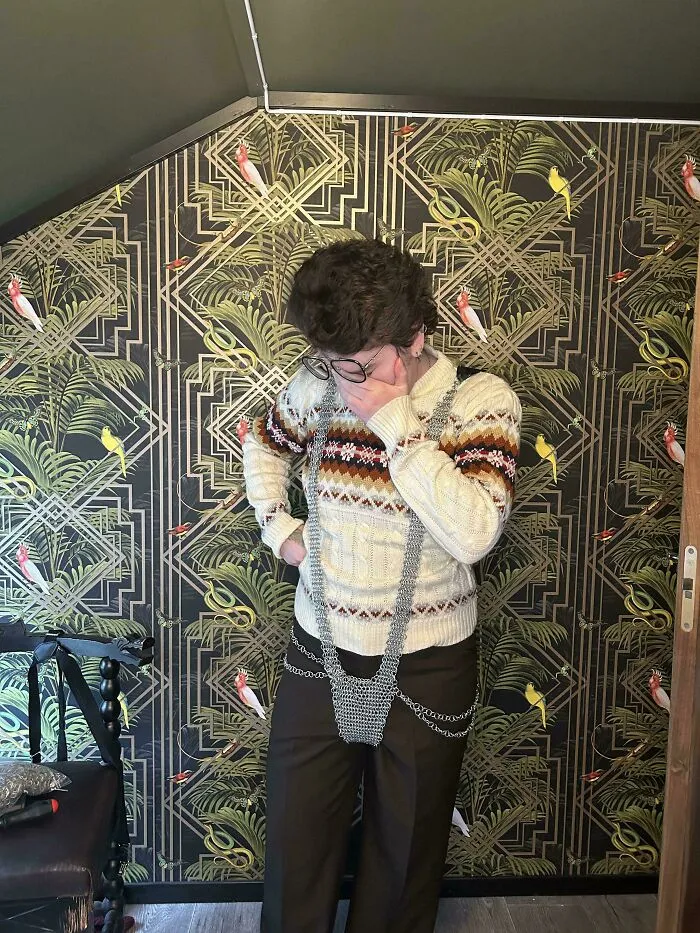
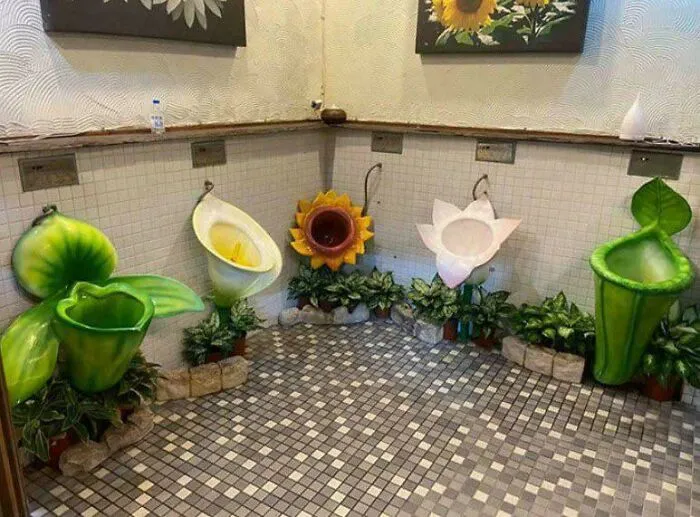

That distinction between what can be done and what should be done is rather important here. As Tony Wang, founder of Office of Applied Strategy (OAS), a think tank and consulting firm that’s worked with the likes of Prada, Chanel, and Cartier, told Vogue Business, “Taste is conviction. It’s a broad way of describing judgment, discernment, and context—not just what you know, but how you apply it.”
In simpler terms, as Khoshnaz Kazemian puts it, “Taste decides where to go. Craft determines how well you get there.” And perhaps that’s the simplest way to understand what we’re looking at here: these people clearly knew how to get somewhere—and brilliantly, at that. It’s just that their sense of where they should be going appears to have been somewhat less, shall we say, reliable.



Of course, having taste—and the skill to execute your vision—doesn’t mean everyone will love your work. Taste, as Crisan explains, is particular, and two designers can have completely different sensibilities while both demonstrating it. What their works share, she argues, is “care and intentionality behind every decision”—what they’ve chosen to add or leave out, which details they’ve invested in, and which compromises they’ve refused to make. That, she says, is where “taste lives.”