


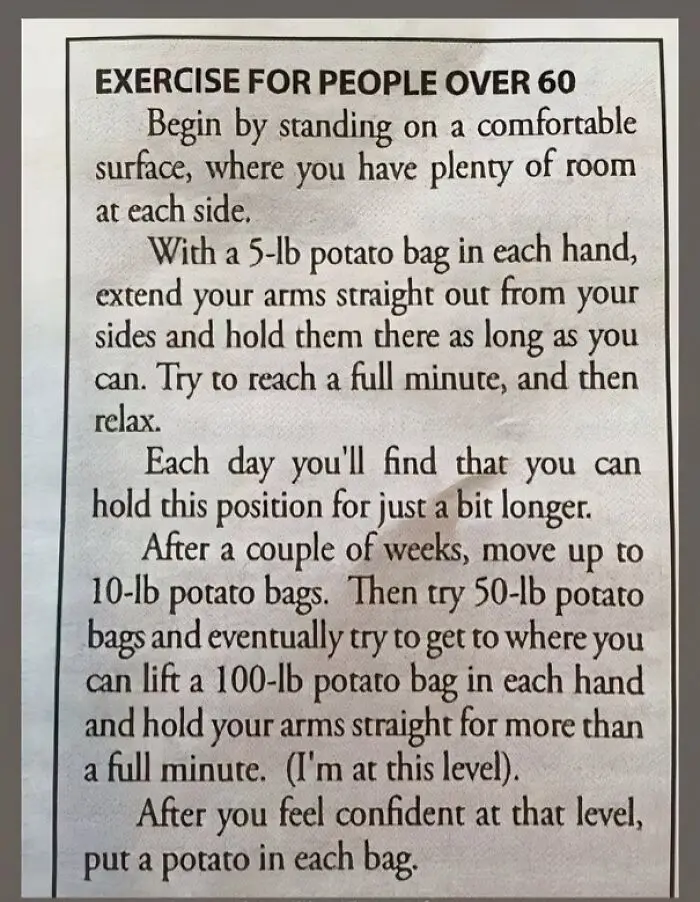


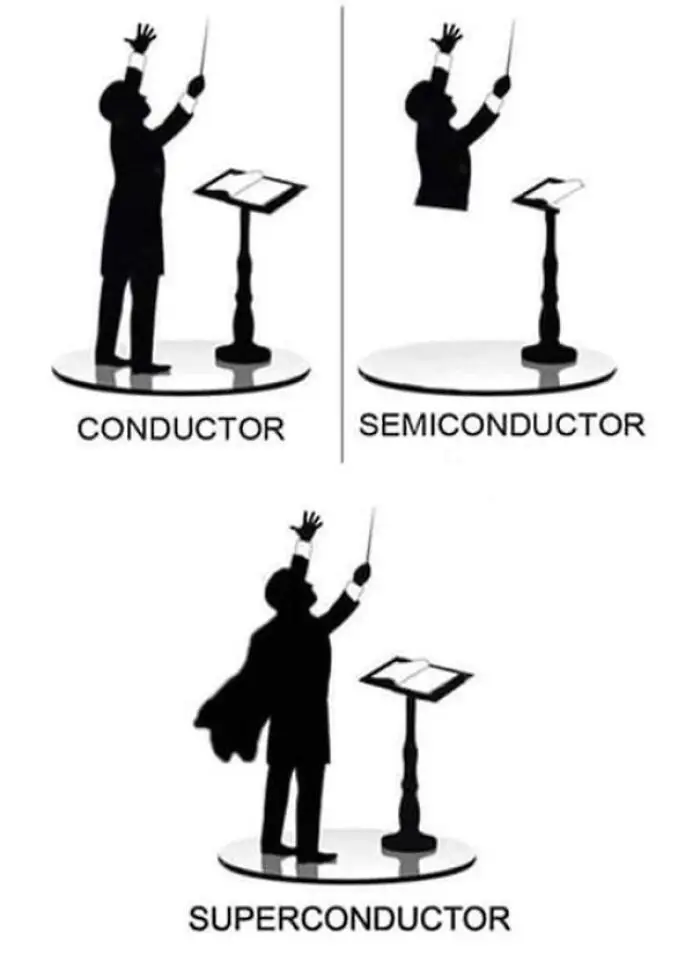
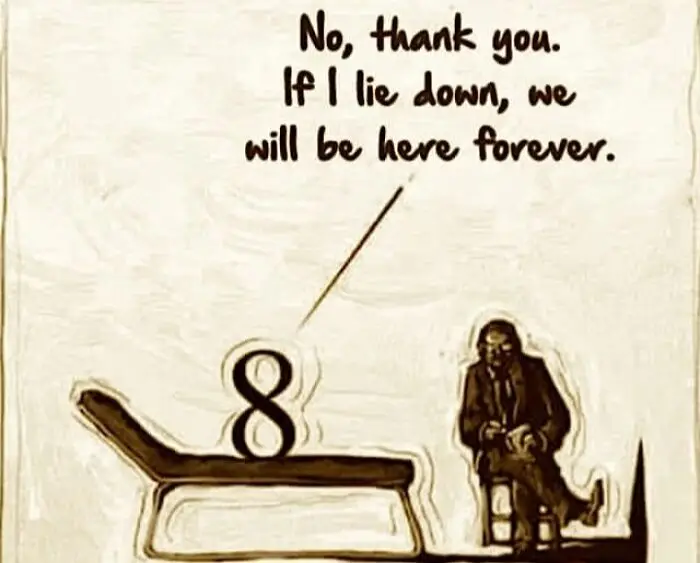
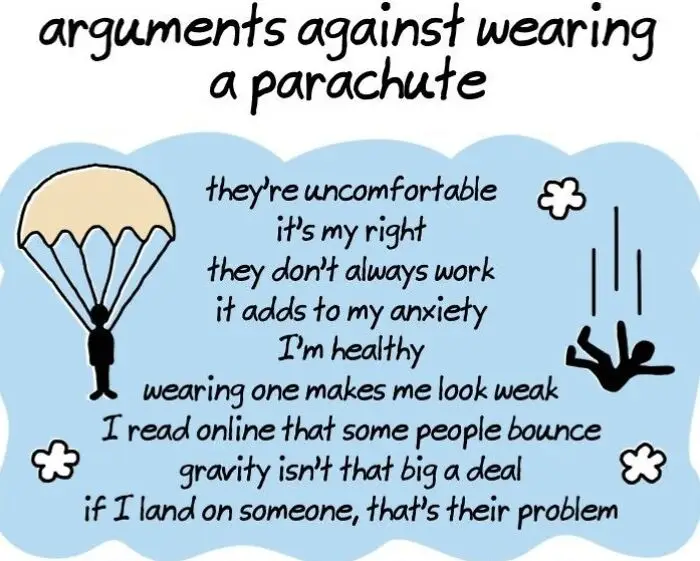
English is a very easy language to exploit, because nobody planned it. The word "set" holds the record in the Oxford English Dictionary with around 430 separate senses, and that's one three-letter word. Add homophones like "flour" and "flower," and almost every sentence has a trapdoor in it. Most of us step around them without noticing. The people in this subreddit go looking for them.

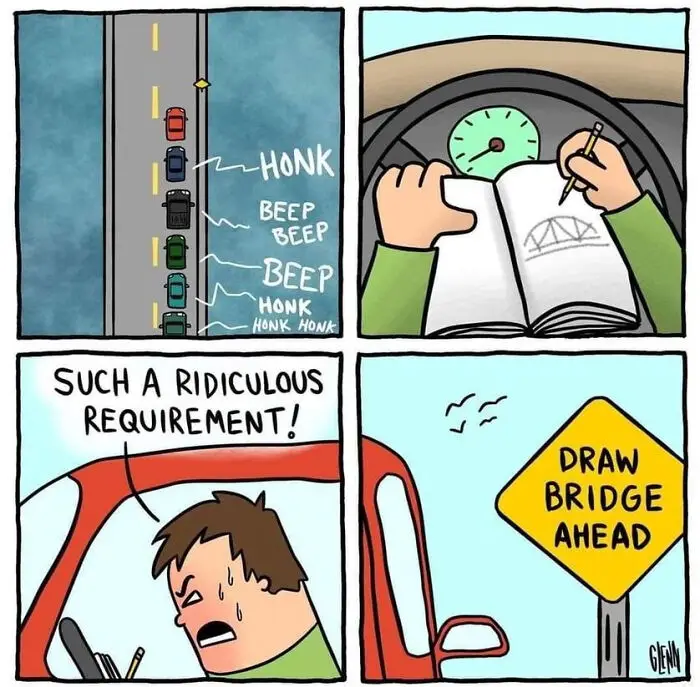
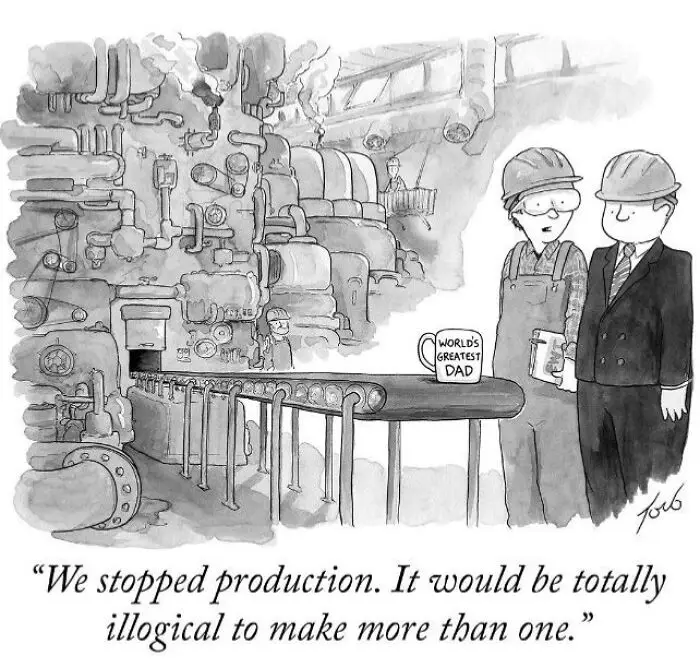
Puns are the oldest version of this game, and people have been groaning at them for centuries. Shakespeare was a huge fan. In Romeo and Juliet, as Mercutio comes to his end, he jokes, "Ask for me tomorrow, and you shall find me a grave man," with a fresh stab wound as his punchline. The poet John Dryden later called punning the lowest and most groveling kind of wit. Shakespeare is still on every school reading list, so the pun won that round.
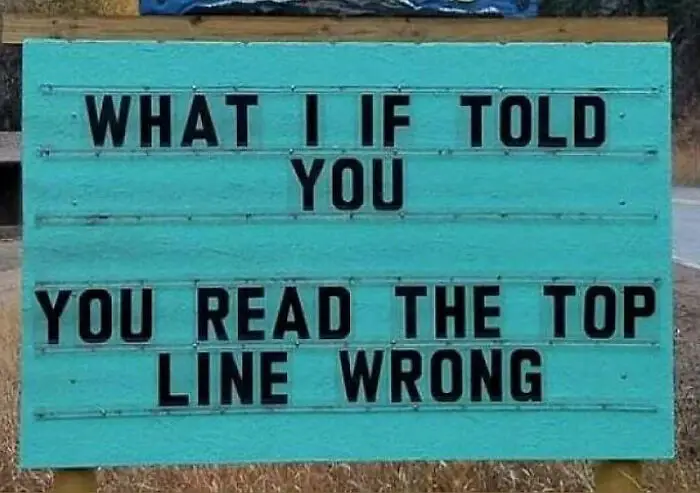

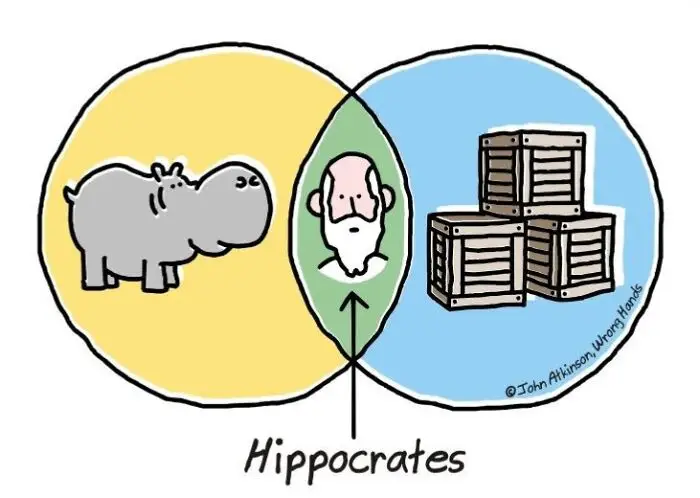
Kids have been learning about literal-mindedness since 1963, when Peggy Parish published Amelia Bedelia. Amelia is a housemaid who follows every instruction to the letter. Told to "dress the chicken," she puts clothes on it. Told to "draw the drapes," she gets out a pencil and sketches them. Teachers still use the books to explain idioms. These memes are Amelia Bedelia for adults, except the modern versions know exactly what they're doing.
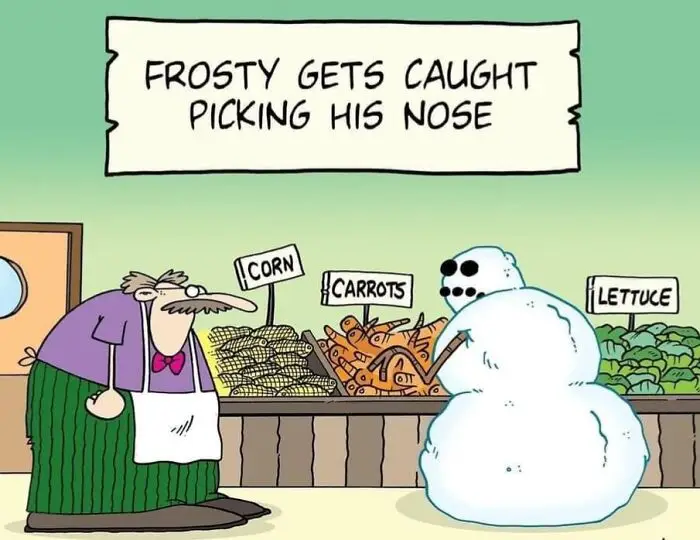
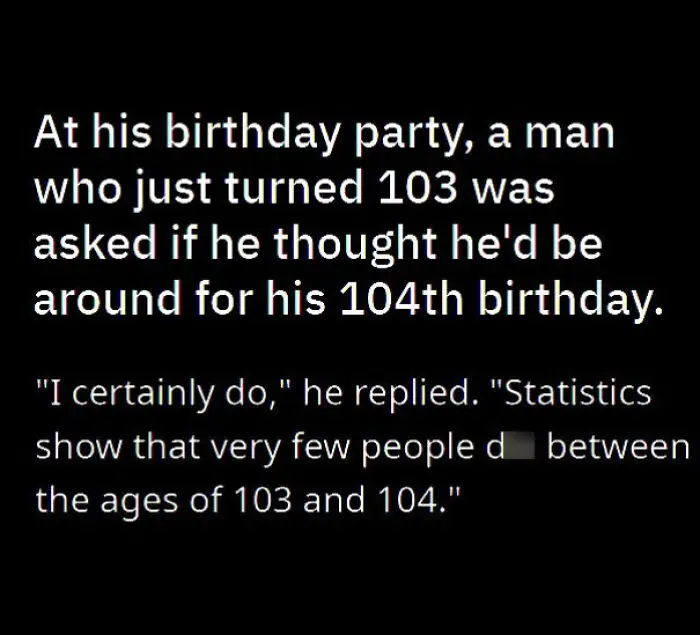

The darkest ancestor of the technicality is a 1902 short story by W.W. Jacobs called "The Monkey's Paw." A couple uses a cursed paw to wish for £200. The next day, a representative from their son's factory arrives to tell them he perished in the machinery and that the company is offering £200 in compensation. The wish was granted perfectly and nobody was happy about it. Genie jokes still run on that logic, just with lower stakes and more grapes.


Sometimes the technicality is a legal defense. In 1973, the US Supreme Court heard Bronston v. United States. Peter Bronston, a film producer, was asked in a bankruptcy hearing whether he had any Swiss bank accounts. He answered, "The company had an account there for about six months, in Zurich." He had held a personal account in Switzerland for years. He was convicted of perjury, but the Supreme Court unanimously overturned it. The justices ruled that a literally true answer isn't perjury, even when it's misleading, and that the burden is on the questioner to ask a better question.
The most famous technicality of the modern era came in 1998, when Bill Clinton was asked about a statement his lawyer made during a deposition that there was no intimacy of any kind between him and Monica Lewinsky. Clinton told the grand jury, "It depends upon what the meaning of the word 'is' is." His argument was that "is" meant the present tense, and nothing was going on at the moment the statement was made. Nobody was convinced, but the line is still quoted in law schools, and in comment sections whenever someone dodges a question.