
#21

Another vital part of organizing school trips is communication. I'll repeat that so we're crystal clear: communication. You gotta do it. It's always better to overcommunicate and irritate the heck out of someone than to not communicate enough. Why? Because someone will always misinterpret what you said. So you gotta repeat everything a hundred times (sometimes, that's not hyperbole) cuz that's how people learn.
Something else that teachers should be aware of is their students' medical requirements. Maybe Jane has a peanut allergy. Perhaps Robert has asthma and needs to remember to pack his inhaler. This is where a teacher's personal connection with their students plays a pivotal role. If you're aware of what could go wrong, you can stop disaster from striking.
#22
#23

#24
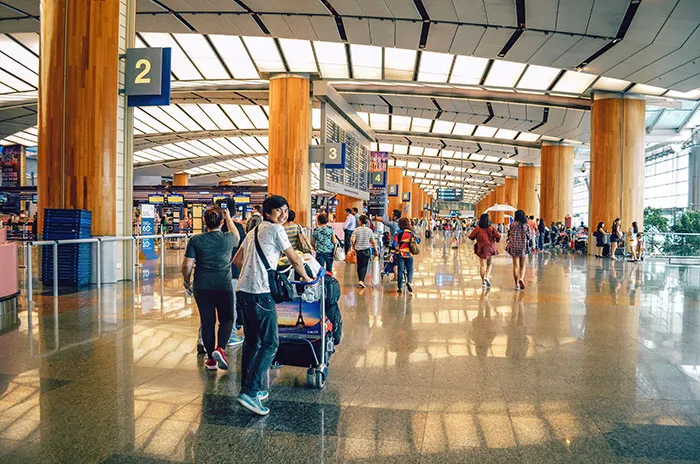
Of course, a school trip isn't just about fun. It's supposed to be educational, too. So it's incredibly important that your students understand why you're on the trip in the first place. Sure, it's fun to get out of the school building, but we're going to the art museum for a reason, not just to muck about.
#25
#26
#27

You could also pack some game or sports equipment with you in case there's an hour or two free when you all have nothing to do. You should also consider avoiding planning trips for Mondays because parents tend to forget things over the weekend. And then you can end up with a situation that you'll be describing in an awful lot of detail on Reddit about how the trip went wrong quicker than kids get up from their desks when the lunch bell rings.
#28

#29

#30
#31

#32