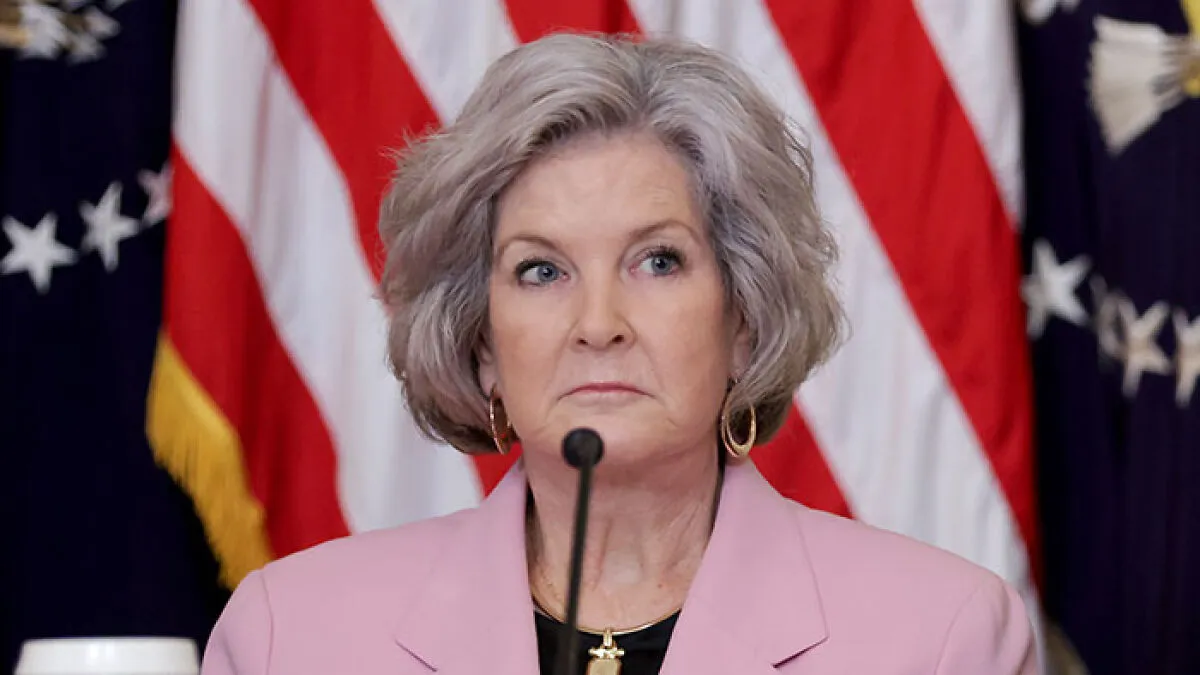


President Donald Trump has removed Susie Wiles as White House chief of staff following the Republican Party's devastating defeat in the November 3 midterm elections, replacing her with one of his most controversial advisers.
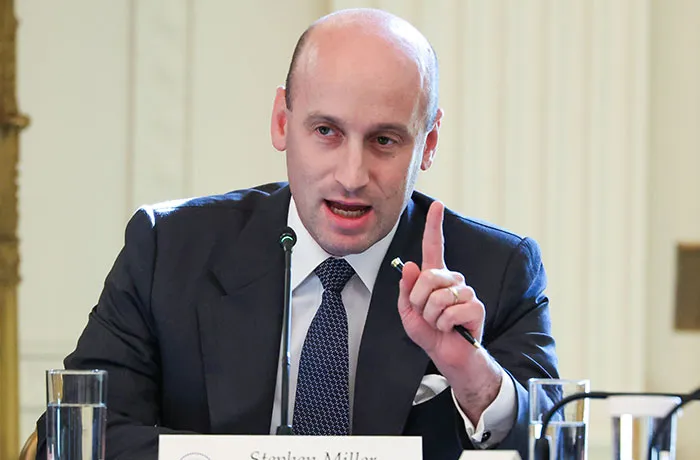
The president announced today (November 6) that none other than Stephen Miller would take over the position beginning Monday, November 9.
Highlights
- Susie Wiles, the first woman to serve as White House chief of staff, has been replaced following the midterm elections.
- Wiles reportedly offered her resignation after Trump became furious over the results.
- Stephen Miller, a central figure behind Trump's immigration policies, will take over on November 9.
- Analysts believe Trump’s choice is a clear sign that he’s “preparing to fight” an increasingly hostile congress.
The 69-year-old had served as Trump's chief of staff since his return to the White House in January 2025, becoming the first woman to hold the position and earning a reputation as one of the few advisers capable of keeping the administration under control.
“I wanted to make a change,” Trump told reporters after the announcement.
“I think Susie's done a very good job, great job, but I just wanted to make a — Stephen's been great. And we've got to make moves.”
Donald Trump just replaced Susie Wiles as White House chief of staff
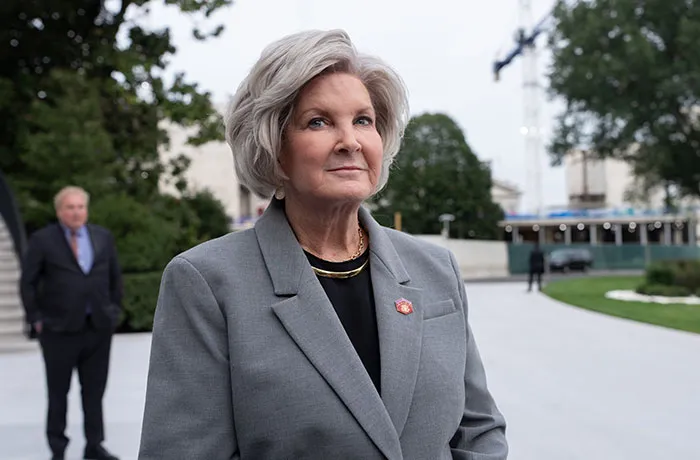
Long before she became the first female White House chief of staff, Wiles had established herself as a seasoned Republican political strategist.
The daughter of former NFL player and broadcaster Pat Summerall, she began her career in Washington as a scheduler during Ronald Reagan's presidency.
She later became involved in Florida politics, helping manage Rick Scott's successful 2010 gubernatorial campaign and Ron DeSantis' 2018 victory.
Her relationship with Trump began during his first presidential campaign in 2016, when she helped oversee his operations in Florida. She returned to work with him in 2020 before taking charge of his successful 2024 presidential campaign.

Wiles' ability to manage Trump's political organization earned her the nickname “Ice Maiden.”
Unlike many of the president's more outspoken advisers, she generally avoided public attention and preferred working behind the scenes.
For instance, at Trump's election-night celebration in November 2024, she declined to address supporters when the president encouraged her to take the microphone.
Wiles ultimately remained in the position for approximately 21 months, longer than any of her predecessors under Trump.
However, her relationship with the administration was not without controversy.
Wiles made headlines after describing Trump’s personality in less than flattering terms
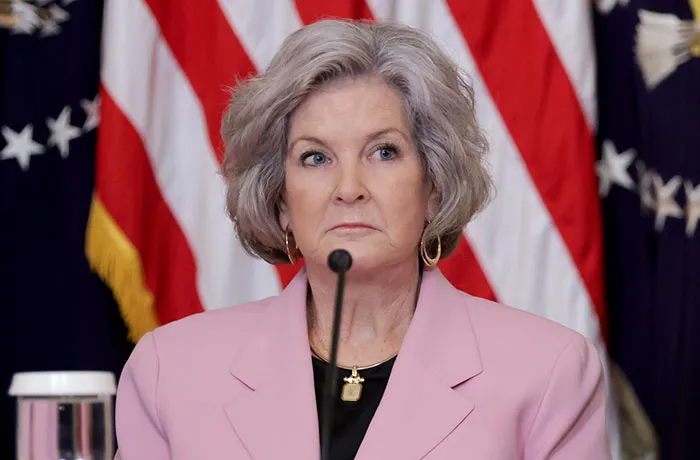
In December 2025, Wiles drew considerable attention after participating in a series of unusually candid interviews with Vanity Fair.
Speaking with author Chris Whipple, she described Trump as having an “alc*holic's personality,” and compared it to traumatic memories of her childhood under her father.
Wiles also criticized several senior administration figures, saying then-Attorney General Pam Bondi had “whiffed” in her handling of the Jeffrey Epstein files.
She also described Vice President JD Vance as having been a “conspiracy theorist for about a decade.”
Even though the interviews generated considerable attention, Trump publicly defended her.
Wiles subsequently accused Vanity Fair of publishing a “disingenuously framed hit piece,” arguing that her comments had been taken out of context.
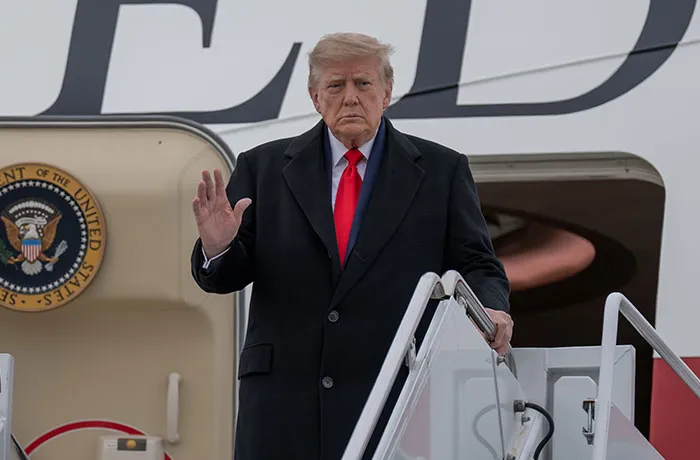
Still, she had previously explained that managing the president required knowing when to intervene.
“I try to be thoughtful about what I even engage in,” she said. “I guess time will tell whether I've been effective.”
Her position became even more demanding in March 2026, when she announced that she had been diagnosed with breast cancer.
Wiles continued working while undergoing approximately six months of treatment.
On September 16, she announced that her latest medical results showed no remaining evidence of the disease.
“I am cancer free,” she wrote, thanking her doctors and family while also expressing gratitude for Trump's support who, in turn, praised her resilience.
“She's tough,” Trump said during an October White House event. “She's a tremendous fighter.”
Trump's anger over the midterm defeat reportedly led Wiles to submit her resignation
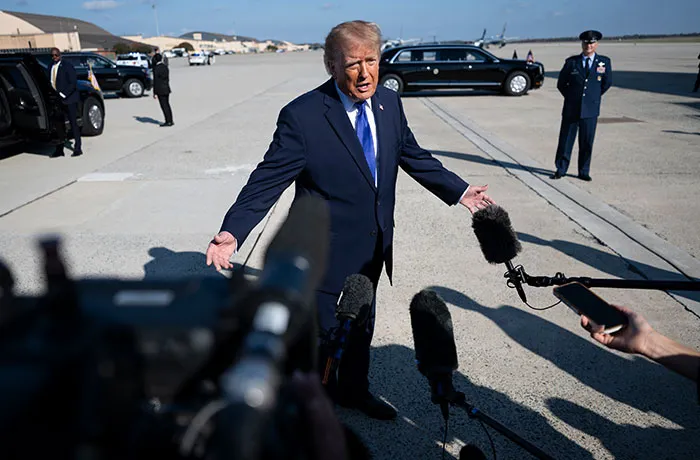
The November 3 midterms delivered a serious blow to the Republican Party.
Democrats gained control of both the House of Representatives and the Senate, reversing the political advantage Trump had enjoyed since returning to office.
The results also raised questions about the popularity of several administration policies, particularly the president's immigration crackdown and the ongoing conflict with Iran.
According to Reuters, Trump had already been dissatisfied with his political and communications operation in the weeks leading up to the vote.
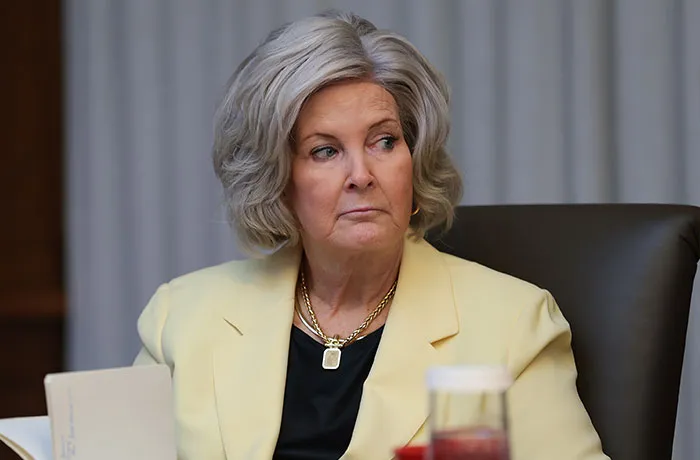
His frustration reportedly intensified after the election results.
According to CNN's Kaitlan Collins, Trump had been “angry” with Wiles following the Republican losses.
White House correspondent Kristen Holmes followed that up by stating that several Trump advisers and allies had urged the president to overhaul his senior staff after the defeat.
According to the report, it was Wiles herself who offered her resignation Thursday evening in response to Trump's anger.
Trump announced Stephen Miller would replace her, calling him one of his “most trusted advisors”
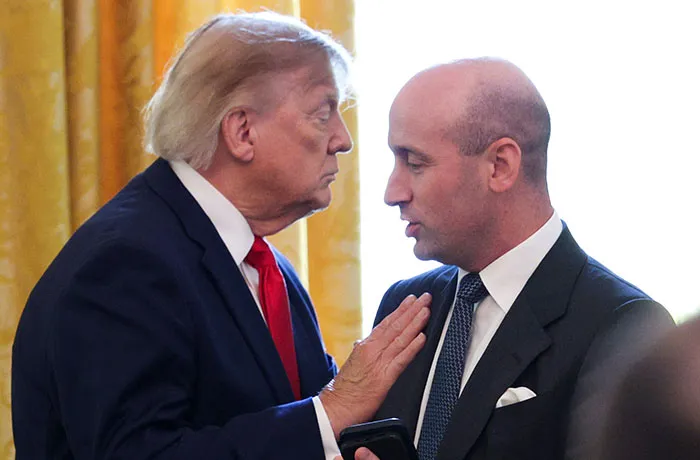
Trump confirmed the leadership change through a Truth Social post on November 6.
“I am pleased to announce that Mr. Stephen Miller, the current Deputy Chief of Staff of the Trump Administration, and one of my most trusted advisors, will become the Chief of Staff starting Monday, November 9, 2026,” he wrote.
The president also thanked Wiles and announced that she would be transferred to his political operation.
“Susie Wiles, who has done an outstanding job, will be moving over to the Trump Political Operation,” Trump continued.
“I want to thank her for her service as Chief of Staff — She has done a great job!”
The precise responsibilities of Wiles' new role have not yet been detailed.
She responded with a statement thanking the president and describing her time in the White House as an extraordinary privilege.
“Serving President Trump in the White House has been the honor of a lifetime,” she wrote.
“I'm so proud to have been a part of what we've accomplished together from securing our border and cutting taxes to strengthening our economy and putting America First.”
Wiles also thanked the people she had worked alongside.
“While my role may be changing, my commitment to the President and the mission never will,” she added.
Stephen Miller is the architect of some of Trump's most controversial immigration policies
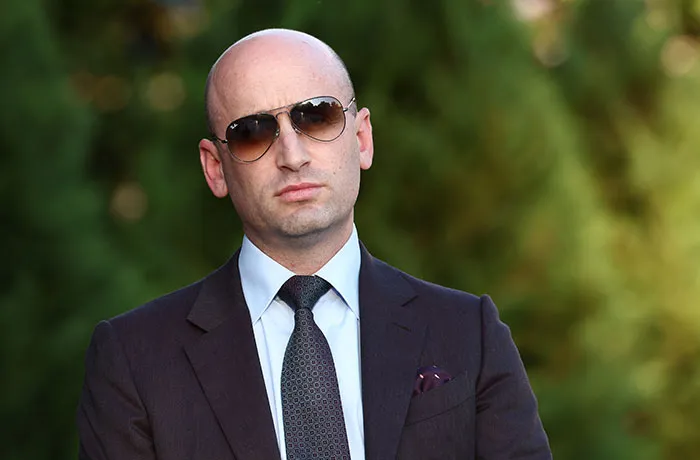
Miller has been a fixture in Trump's political circle since joining his 2016 presidential campaign as a speechwriter.
Before that, he worked for former Alabama Senator Jeff Sessions, who later became Trump's first attorney general.
During Trump's first presidency, Miller played a central role in developing restrictive immigration policies, including the travel ban affecting several Muslim-majority countries and the controversial separation of migrant families at the southern border.
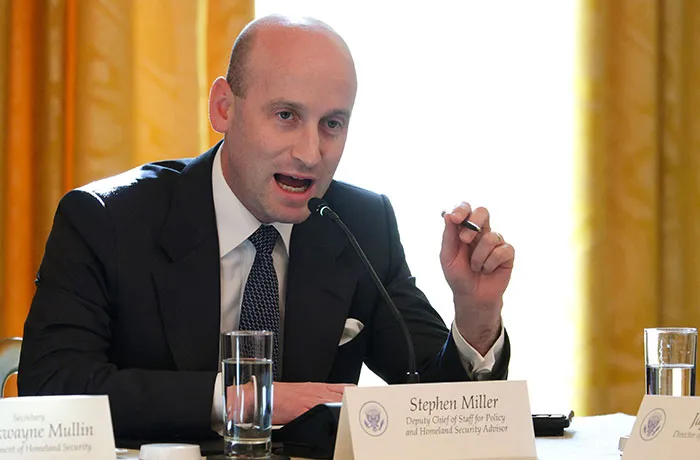
He returned to the White House in January 2025 as deputy chief of staff for policy and homeland security adviser.
Since then, he has helped oversee Trump's mass deportation campaign, pushing for thousands of immigration arrests per day.
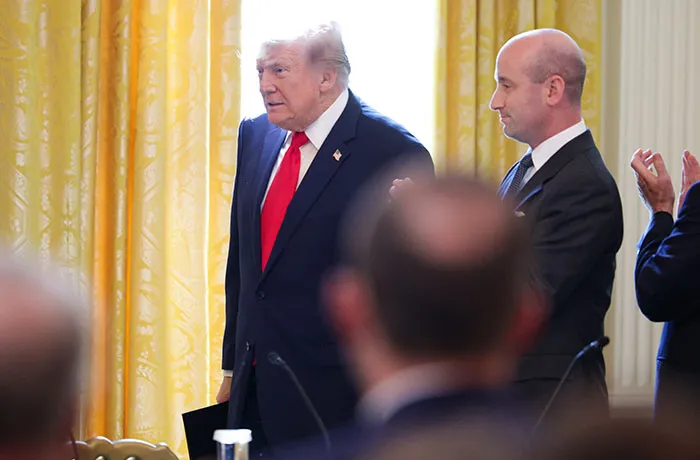
Miller's responsibilities have also extended beyond immigration, including involvement in federal anti-fraud initiatives and the administration's release of previously classified UFO-related documents.
Miller has become one of the president's most visible defenders, frequently appearing on television to argue for his policies.
His wife, Katie Miller, has also worked in both Trump administrations.
At a White House event on October 21, Miller praised the president's efforts to combat what he described as foreign exploitation of American resources.
“You've put the American people's safety first,” he told Trump.
“What you're saying is America is not a pile of treasure for other countries and other people and other scammers all around the world to loot for themselves.”
Democrats reacted furiously to Miller's promotion as Trump prepares for a hostile Congress
While Trump allies celebrated the appointment, Democrats responded with sharp criticism.
The decision was particularly notable because immigration had been a major issue during the midterm elections.
An Associated Press voter survey found that approximately six in ten voters believed Trump's immigration enforcement policies had gone too far and, rather than appointing a more moderate adviser following the losses, Trump selected one of the officials most closely associated with those policies.
Senate Democratic leader Chuck Schumer condemned the choice.
“Donald Trump learned nothing from his historic defeat,” he wrote. “Trump couldn't have made a worse choice. Our Democratic majorities will fight him every step of the way.”
Representative Robert Garcia, who is expected to chair the House Oversight Committee when Democrats take control in January, also warned that Miller would face scrutiny.
“Stephen Miller should lawyer up,” Garcia said.
Political strategist David Axelrod similarly suggested the appointment left little room for hopes of cooperation between Trump and the incoming Congress.
“The appointment of Miller is a bucket of ICE cold water,” he wrote.
Wiles' departure comes amid a broader shake-up following the Republican defeat
Wiles is not the only senior official to leave the administration following the midterm elections.
Harmeet Dhillon, who led the Justice Department's Civil Rights Division, resigned on Thursday.
On Friday, the departures of John Eisenberg, head of the Justice Department's National Security Division, and Jason Reding Quiñones, the US attorney overseeing investigations into past criminal cases involving Trump, were also confirmed.
The resignations have left vacancies in several important areas of the Justice Department as Democrats prepare to exercise greater congressional oversight.
And further changes could follow.
According to CBS News, Trump has been asking advisers whether Defense Secretary Pete Hegseth should remain in his position following the election defeat.
Other officials whose positions have attracted scrutiny include Admiral Brad Cooper, commander of US Central Command, and General Dan Caine, chairman of the Joint Chiefs of Staff, over their involvement in the Iran war.
No decision to remove those officials has been announced.
Miller will take on his new role starting next Monday, November 9.
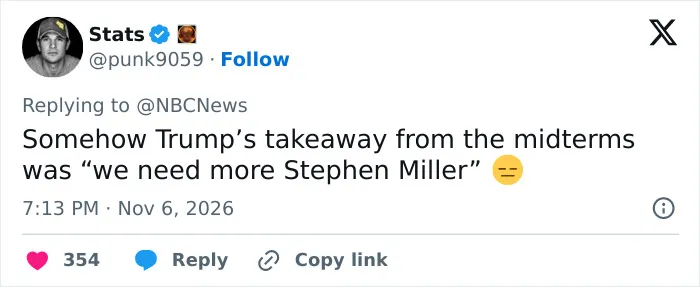
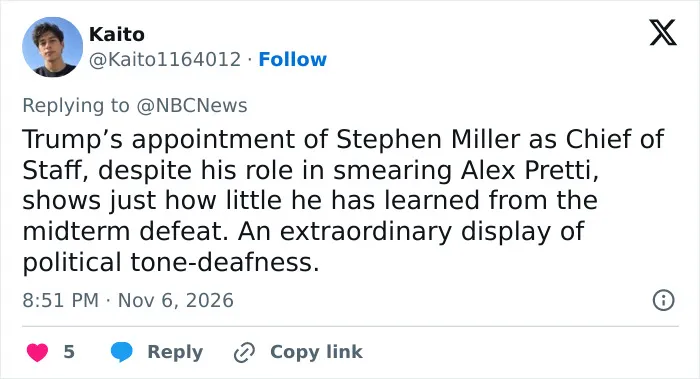
"This will end badly." Readers debated Trump's decision on social media