


#1

#2
The conversation around these “body cheat codes” is fascinating because the idea behind some of them has a name: reflexology.
Hand reflexology focuses on specific points in the hands and fingers, which practitioners connect with different areas of the body. The TikToker’s thumb-and-index-finger trick fits right into that tradition.
#3
#4
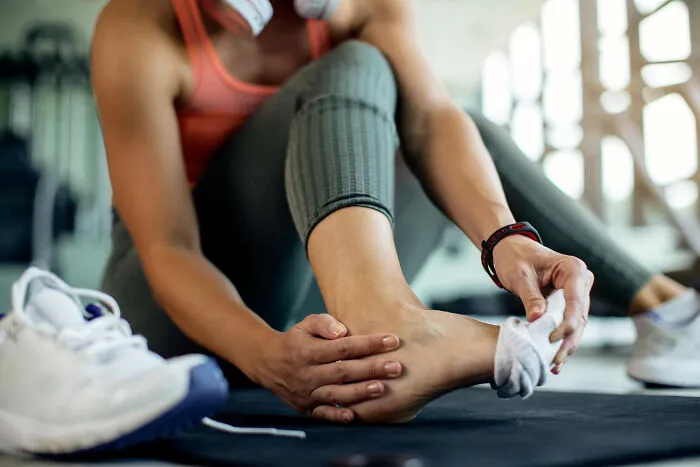
Hands aren’t the only place reflexology looks for these connections. Foot reflexology focuses on points across the feet, linking different areas to parts of the body. Researchers have studied the practice for decades, and publications on foot reflexology have steadily increased since the 1990s.
#5

#6
Reflexology generally involves applying pressure or massage to specific points on the hands or feet. These techniques work as complementary care, often with relaxation and well-being in mind. Research continues to examine where reflexology might help and how much of its reported effects come from the treatment itself.
#7
#8
#9

The human body has plenty of other traditions built around these kinds of connections. The most famous is probably Acupuncture, which originated in traditional Chinese medicine, using fine needles at specific points on the body to trigger a reaction.
The National Center for Complementary and Integrative Health points out that researchers suggest acupuncture may affect the nervous system and can help with several types of pain, including back, neck, and knee pain.
#10

#11
#12

People also increasingly turn to complementary approaches when managing discomfort. Data shows that among people using complementary health approaches, the share who reported using them for pain management rose from 42.3% in 2002 to 49.2% in 2022.

#14
#15
The TikTok comments also point toward another surprisingly accessible tool called cyclic sighing, a technique that uses two inhales followed by a long, slow exhale. Stanford researchers found that five minutes of daily practice reduced anxiety and improved mood in a randomized study of healthy adults.
#16
#17
#18

Neuroscientist Daya Grant, PhD, explains why breathing can influence more than just the lungs. The brainstem controls breathing automatically, but people can consciously change their breathing.
Grant also notes that attention to the breath can reduce amygdala activation, linking breathing with systems involved in fear and emotional responses.
#19
#20