







Kings, queens, princes, princesses—and everyone in between—the lives of royals have always fascinated us, whether from centuries past or today’s headlines. But that fascination doesn’t always mean we know all the strange, surprising, or downright interesting facts about them.
And there’s no shortage to discover. Like Marie Antoinette’s final words, Henry VIII’s blood type, or which European monarch doesn’t wear a crown. You’ll find these and more in the list below.
Let us know which ones caught you off guard and which ones you already had in your royal trivia bank.
#21 Charles II Wasn’t Bald
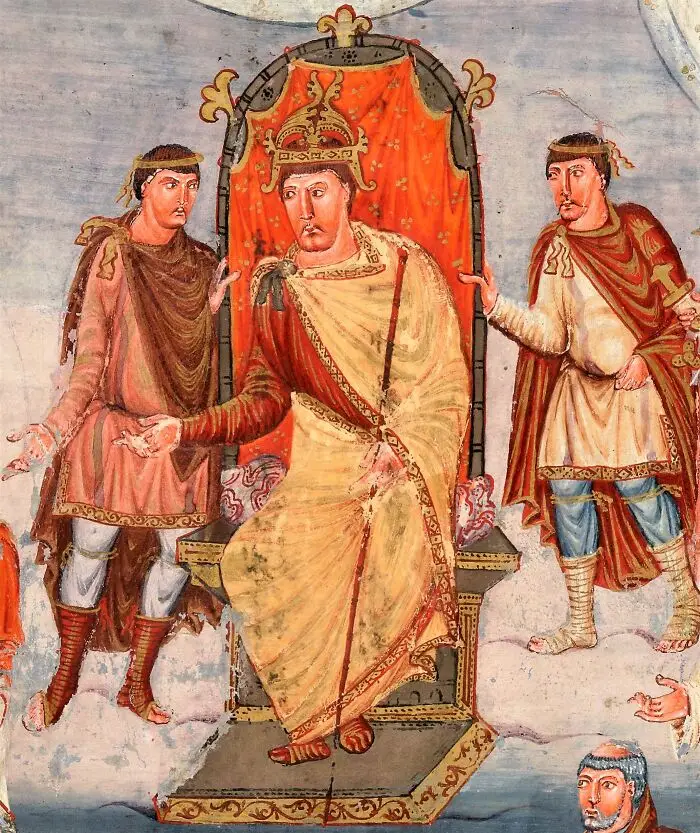
Charles II was a 9th-century king and emperor, best known by his nickname Charles the Bald. However, the nickname wasn’t meant to be taken literally, as the monarch was not bald at all. In fact, he had a lush head of hair. Another theory suggests he got the nickname “bald” because of his sense of humor.
Report
35points
#22 The Bertoleoni Family Rules The World’s Smallest Kingdom

The Kingdom of Tavolara, a 5-square-kilometer island that’s a part of Italy, is best known for being the smallest kingdom in the world. Although the monarchy isn’t officially acknowledged, the Bertoleoni family has the most influence over the island, which is now mostly a tourist attraction. The current king, Antonio Bertoleoni, and the crown princess, Maddalena, run the island’s two restaurants. Antonio also spends most of his time fishing, selling souvenirs, and gardening.
Report
34points
#23 King Henry VIII Had A Rare Blood Type
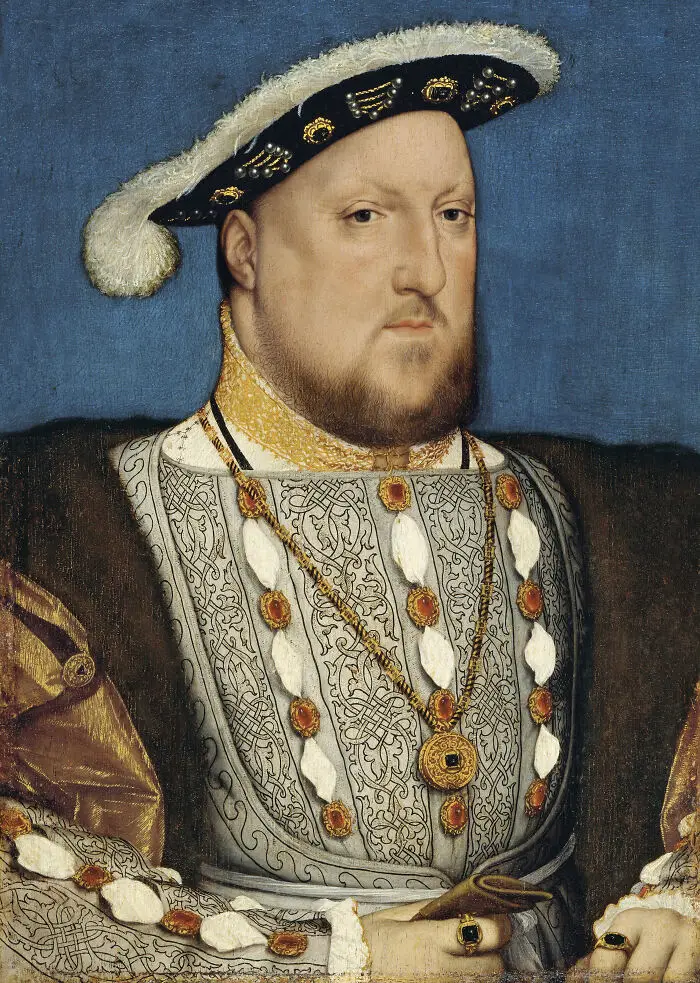
According to a new study by bioarcheologist Catrina Banks Whitley and anthropologist Kyra Kramer, King Henry VIII’s mental and physical decline in his midlife, as well as his wives’ and mistresses’ failed pregnancies, may have been caused by his Kell-positive blood type. They believe King Henry inherited the gene from his maternal great-grandmother, Jacquetta of Luxembourg. In addition, McLeod syndrome, common only in individuals with Kell-positive blood, could be the reason why the King also suffered from severe leg pain.
33points
#24 The Tudor Dynasty Started With Welsh Landowners
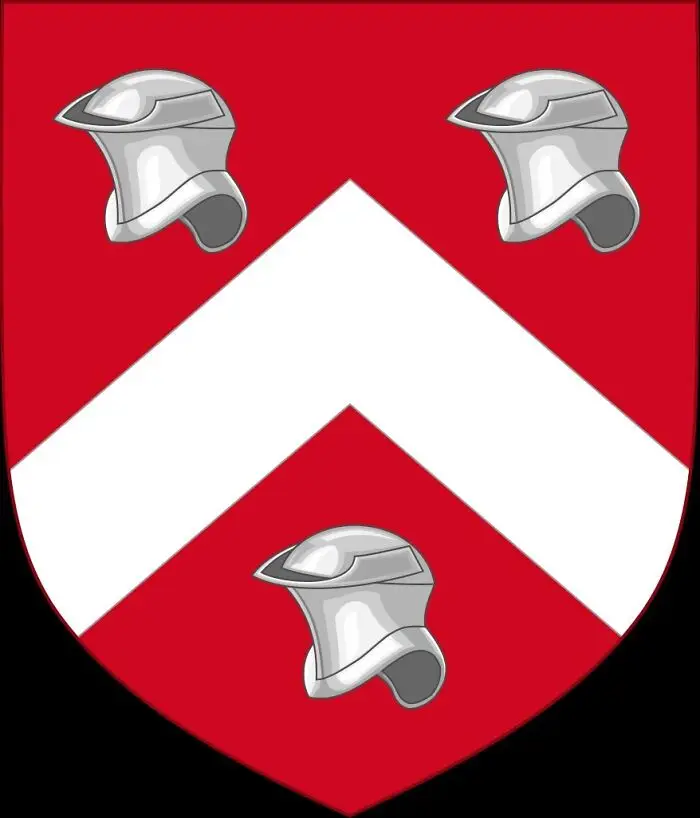
King Henry VI’s mother, Catherine of Valois, became a widow after her husband, Henry V, passed away. Instead of spending the rest of her life single, she began an affair with Welsh Nobleman, Owain ap Maredudd ap Tudur. Even though she was prohibited from remarrying without the parliament's or king’s consent, she married Owain anyway. Owain eventually changed his name to Owen Tudor and had five children with Catherine. That is when the Tudor dynasty was born.
Report
32points
#25 Richard The Lionheart Spent More Time Outside Of England Than In It
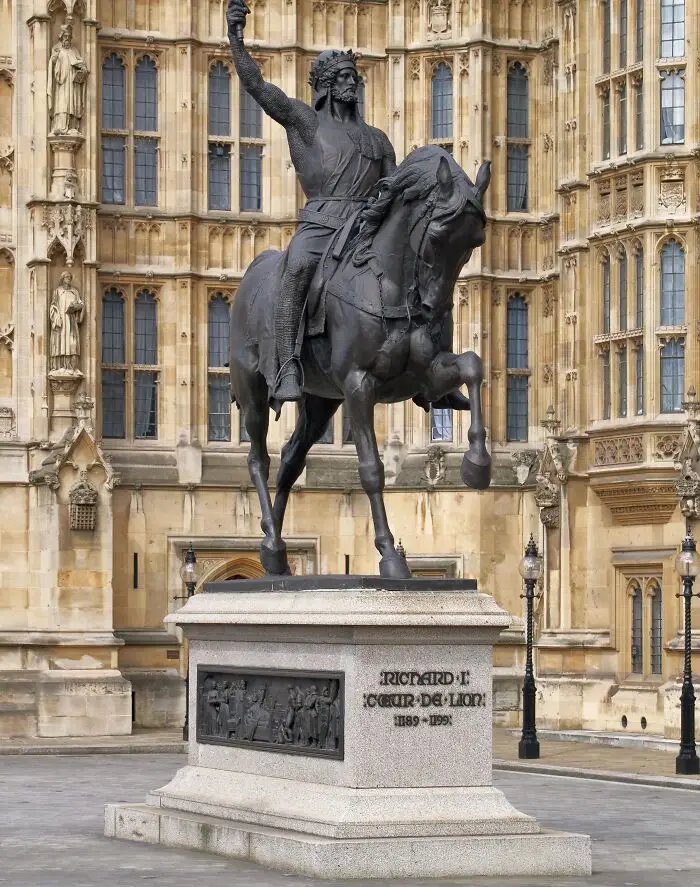
Richard I, also known as Richard the Lionheart, was king of England from 1189 to 1199. Although he was born in England, he spent most of his adult life in the southwest of France. He was a committed crusader and remained one even after becoming king. If he wasn’t on crusade, he was in captivity or defending the French parts of the Angevin Empire. Consequently, he spent as little as six months in England during his 10-year reign.
32points
#26 Stephen Of Blois Avoided A Disaster And Became A King
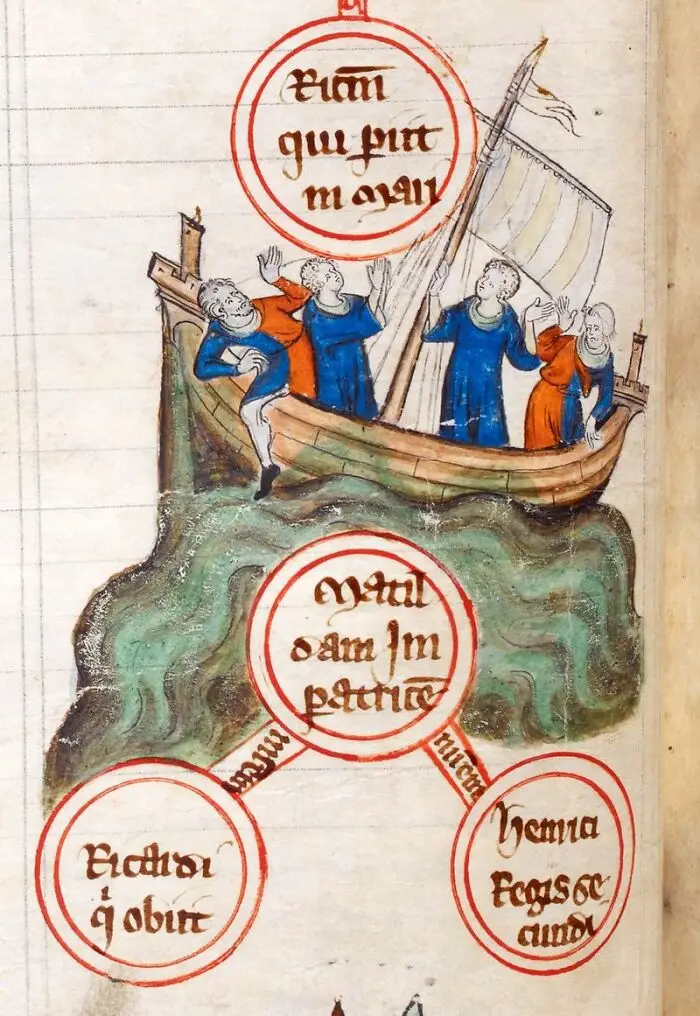
Stephen of Blois was King of England from 1135 to 1154. In 1120, before he became king, Stephen was meant to sail on the ill-fated White Ship with the heir to the throne, William Adelin. On the day the White Ship set sail, Stephen chose to board another vessel instead, either due to a bad case of diarrhoea or concerns about overcrowding on board. The ship sank en route, resulting in the tragic loss of Adelin and all but one passenger.
Report
30points
#27 Edward IV Contributed To The Decline Of The Medici Bank
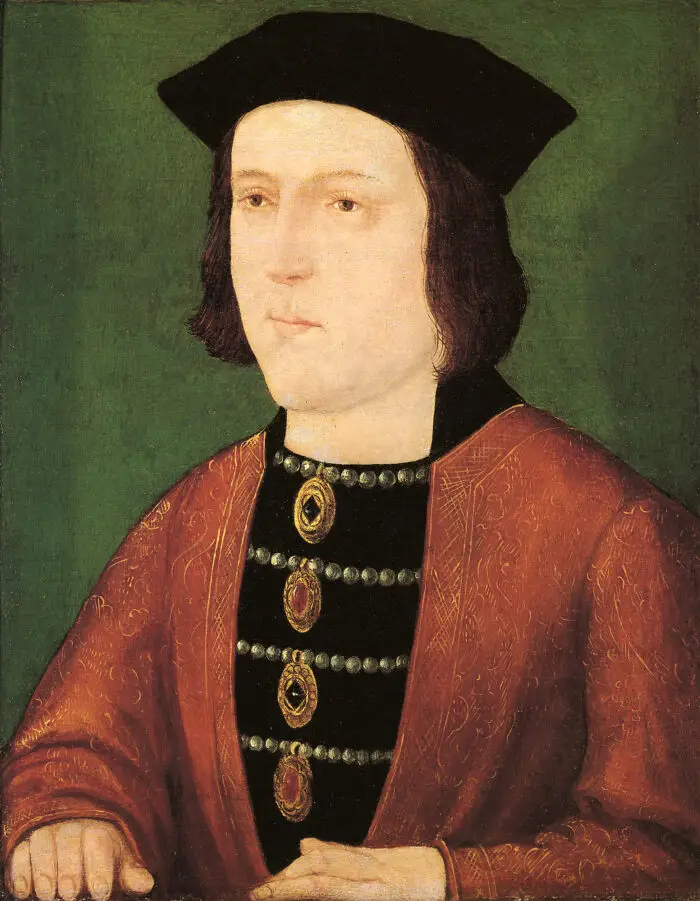
In the 15th century, the Medici Bank was the largest and only bank in Europe that lent money to other states and governments. During the Wars of the Roses, Edward IV was one of the bank’s clients. He proved to be a costly liability to them since he never actually paid back any of the money he borrowed in cash. These bad debts and other factors ultimately led to the bank’s decline.
29points
#28 King Louis IX Was A Saint
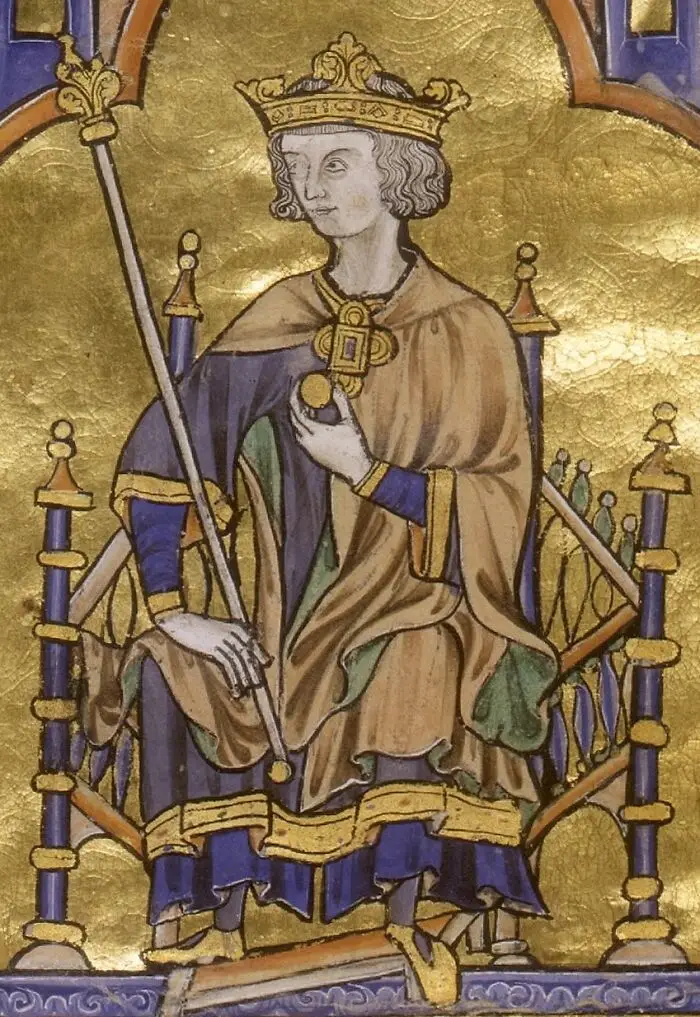
King Louis IX, also known as Saint Louis, was king of France from 1226 to 1270. He was well-respected in the Christian community and revered as a fair and judicious leader. In addition, he was extremely pious and strictly enforced Catholic orthodoxy. This is why two decades after his passing, he was officially recognized as a saint by Pope Boniface VIII. He remains the only French monarch to have been canonized.
27points
#29 George I Was An Unlikely King Of Great Britain
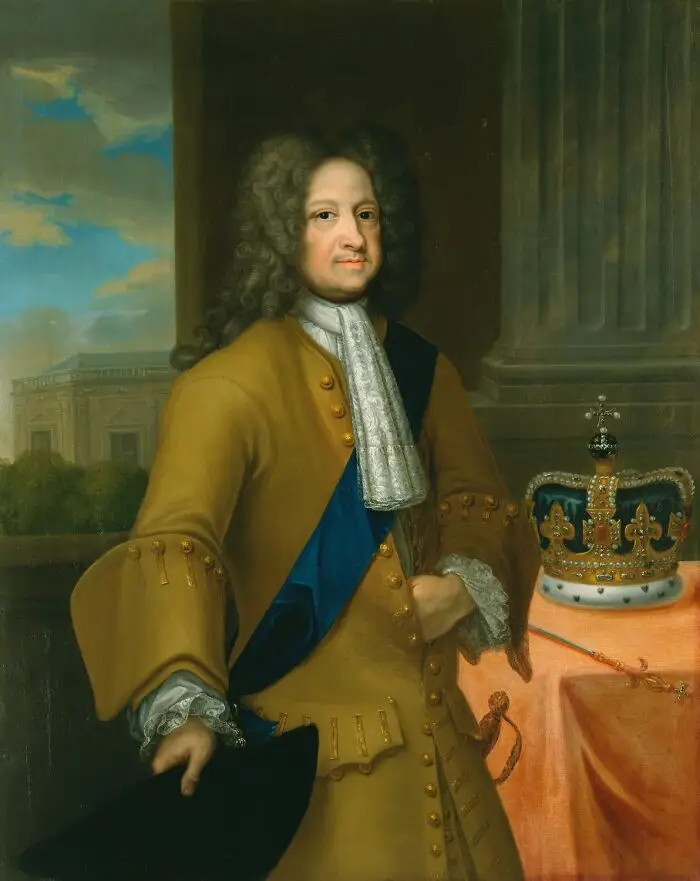
When Queen Anne of Great Britain passed away without children, a succession dilemma began due to the Parliament’s Act of Settlement. The law prohibited Roman Catholics from inheriting the throne, leaving over 50 claimants ineligible. George I went from being a distant claimant to being third in line for the throne, and in 1714, he became the first British king from Hanover.
26points
#30 Many Believed A Monarch's Touch Could Cure Disease
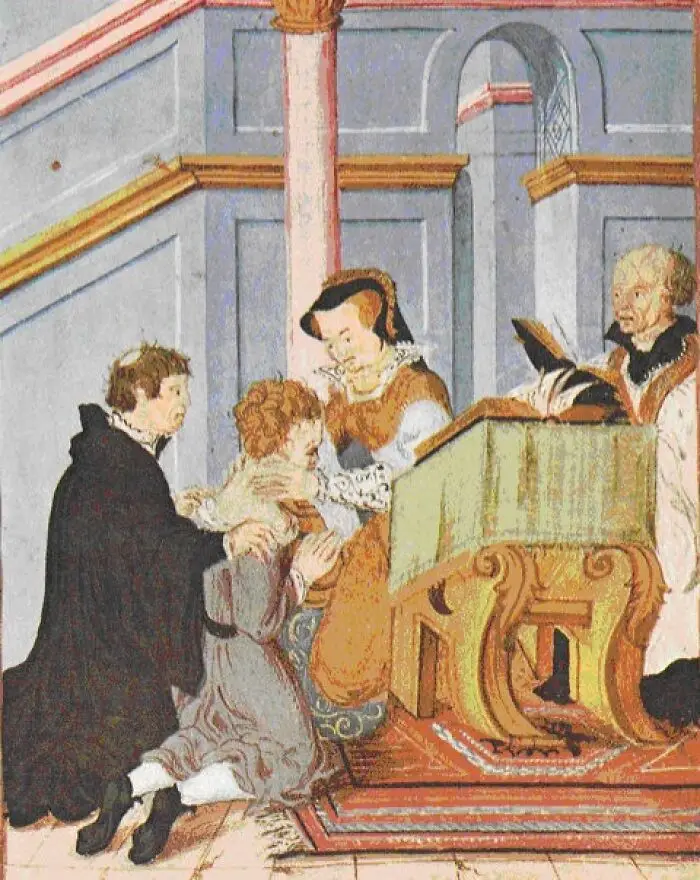
In medieval and early modern times, Europeans thought that the monarchs had a divine touch that could cure them of disease. One such disease was scrofula, also known as “the King’s Evil,” which rarely caused any fatalities. Many actually believed the king’s touch was behind all the recoveries. Monarchs exploited this ‘healing power’ using it to solidify their reigns and dynasties.
Report
23points