





It takes time to know a person. After all, first impressions only scratch the surface, and we are far more complex than five minutes could ever reveal. But if you’re observant, you might pick up on certain cues that offer insight into what someone is really like.
To give you a clearer picture of what to look for when gauging intelligence, we searched the internet and compiled a list of subtle, tell-tale signs others swear by. From how they speak to how they handle adversity, here’s what to watch for if you want a better sense of those around you.
#41
The sensitivity to detect people's subtle emotions when they say nothing or just compromise.
Report
4points
#42
The willingness to answer an oddball question on its own terms, without converting it into something they feel more comfortable responding to.
First noticed the (lack of) this trait in my own mother when I was nine or ten years old. I was curious about why north was always at the top of maps and asked her whether this was just a custom, or whether north-ness was inherently different from south-ness in some way.
She began by explaining that this was a custom.
Yes, I knew this was customary. Restated that to ask why it was a custom.
She proceeded to explain that there weren't any east or west magnetic poles.
Yes, I knew about magnetic poles. Restated that again to re-emphasize that the question was about north as opposed to south. (The other cardinal directions had been left out of the question for that reason).
She went off on another irrelevant tangent.
This was the first time I realized:
1. She had no idea how to answer the actual question.
2. She would rather change the subject and make herself seem authoritative than admit a gap in her understanding.
Started watching people's responses afterward and discovered that a startling number of people will subtly "convert" a question that's slightly outside their comfort zone into a different question where they can recite an answer by rote. The rare person who does grapple with an oddball question on its own terms seems more to do so as a matter of open-mindedness than education.
3points

#46
I see a lot of people saying individuals who can say idk. I agree 100%. However on the otherside of the coin i believe people who actually know a large number of random facts and information is proof of a great intelligence. That one individual that always seems to have relevant input to a topic. Most IQ tests will question you randomly about history, geography, etc.
Report
0points
#47
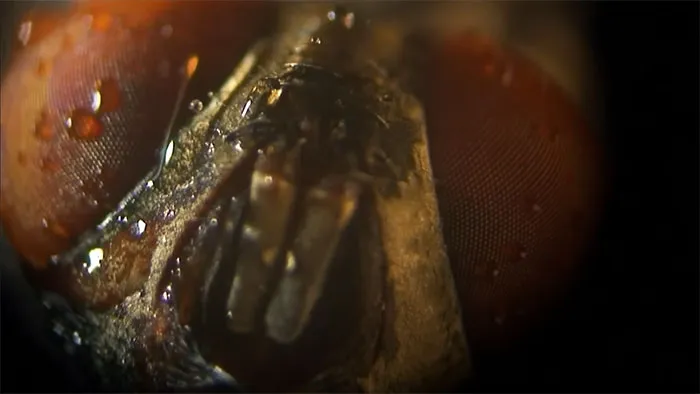
When someone doesn't make fun of the fly episode of Breaking Bad. It's trendy to make fun of it, but in reality there's a lot going on there that most people don't even see (symbolism) and if I see someone else who gets that and is brave enough to say it, I immediately assume they're extremely intelligent and probably an independent thinker too.
Report
-3points
