




Buckle up, folks, because we're about to dive deep into the scientific facts behind why sometimes we can be complete idiots and make the most ridiculous decisions. And as it turns out, our brains, of course, might have something to do with it.
People don’t always weigh every option before making a decision. Instead, our brains use mental shortcuts to process things faster, especially when situations seem complicated. While these shortcuts save time, they can also steer us wrong. Sometimes we miss important details or jump to conclusions without checking the facts.
For example, confirmation bias leads people to prefer information that matches what they already believe. Availability bias also shapes our judgment by making recent or memorable events seem more common than they really are. These habits can influence anything from financial choices to work decisions, even when people think they’re being careful.

#4 I Had To Teach A Historical Geology Class Because The Geologist Who Was Supposed To Teach Is Was A Young Earth Creationist

These mental shortcuts can also influence how people see their own knowledge. Some people truly think they know a subject much better than they actually do, even if they have trouble with simple questions. This is related to the Dunning-Kruger effect, which looks at why people with limited skills often do not notice their own weaknesses.
In four experiments on humor, grammar, and logical reasoning, people who scored in the lowest 25% thought they were around the 62nd percentile. In reality, they were in the 12th percentile. They had trouble seeing their mistakes because they did not have the skills to judge their own performance well.


When people overestimate their abilities, they may find it especially hard to admit a mistake. Another reason is cognitive dissonance, which happens when their decisions conflict with their beliefs. This uncomfortable feeling can lead them to justify a questionable choice instead of admitting they were wrong.
Sometimes, people tell themselves they never really wanted the option they turned down. This is called rationalization, and it helps them feel better about tough decisions. Rather than rethink their choice, they change how they see the other options, making their original decision look better and easier to justify.
#7 It's Almost As If People Don't Have Enough Money To Survive, Let Alone Have A Child

But not every mistake happens because we’re too confident or can’t admit we’re wrong. Sometimes, we just don’t notice what’s right in front of us. Our attention is limited, so when we focus on one thing, we might miss something obvious around us.
Psychologists call this inattentional blindness. It happens when someone misses something unexpected because they’re focused on something else. Change blindness is similar: people don’t notice a clear change in their surroundings. Both show how we can miss obvious details.


When people miss important details, they can make mistakes. Even when they see the risks, they might still act without thinking. This is where impulse control matters. People often struggle between what feels good right now and what will help them later. A sudden temptation can quickly pull them away from their original plans.
Self-control relies on how impulsive reactions, thoughtful decisions, and the situation all work together. For example, someone who wants to eat healthier might still grab a tasty snack if they feel hungry or tempted. Their long-term goal is still there, but the quick reward suddenly seems much more appealing.


#15 The Way She Cluelessly Takes The Picture LOL

When someone else makes a ridiculous mistake, we might not feel frustrated or sympathetic. Sometimes, we just laugh. A theory explains this by saying that something can be funny if it breaks a social rule or expectation but doesn't actually feel threatening. In these cases, the situation seems wrong, but still safe enough to find amusing.
Three things can make these moments funny: seeing the situation in a different way, not caring much about the rule that was broken, and feeling some distance from what happened. That’s why we might laugh at a stranger’s embarrassing mistake, but feel upset if the same thing happens to someone we care about.


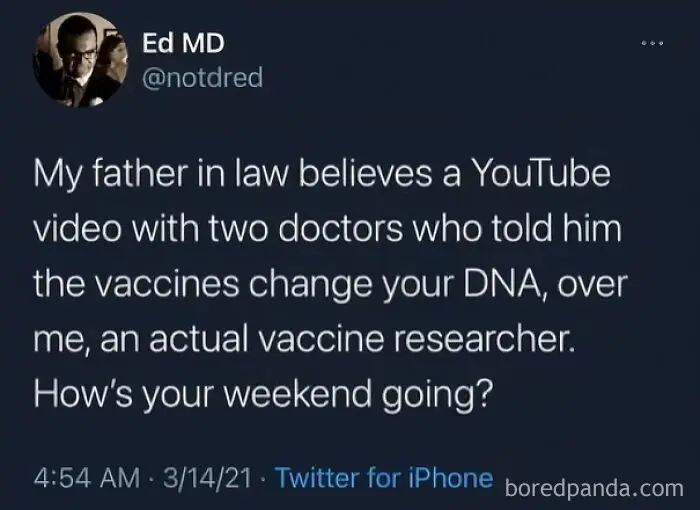
When we laugh at someone else's mistakes, we might forget how easily we can misjudge ourselves. People often don't see their abilities clearly, and self-esteem can shape how they judge their own performance. Sometimes, a person may think they are very talented even if their results don't show it.
Not everyone is affected by this in the same way. Studies with people from Hong Kong and the United States found that those with higher self-esteem often rated their abilities more positively, no matter how well they actually did. How hard a task seemed also changed these judgments, sometimes making people less accurate about their own skills.
So, maybe there's more science behind our silly decisions than we think. Which of these examples made you shake your head the hardest? Share your thoughts in the comments below!