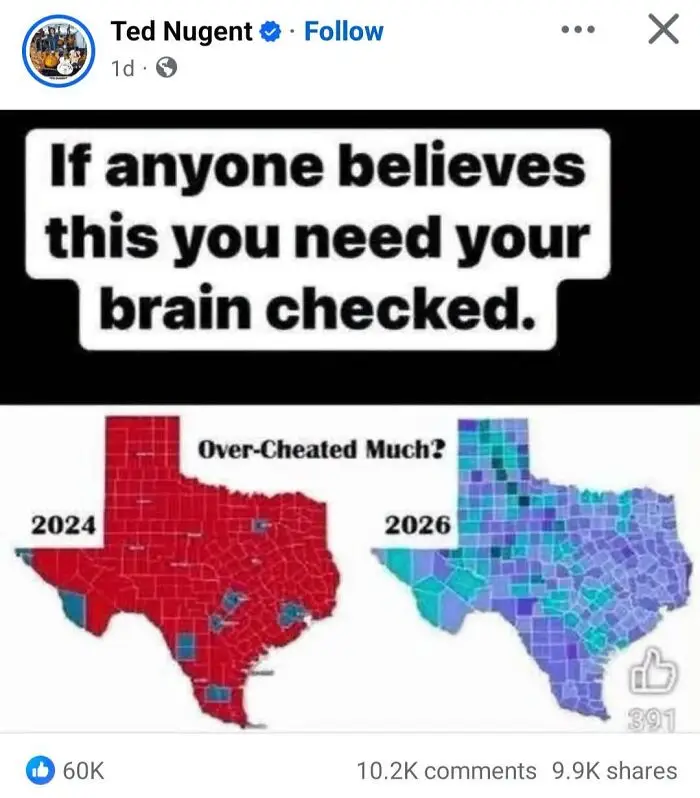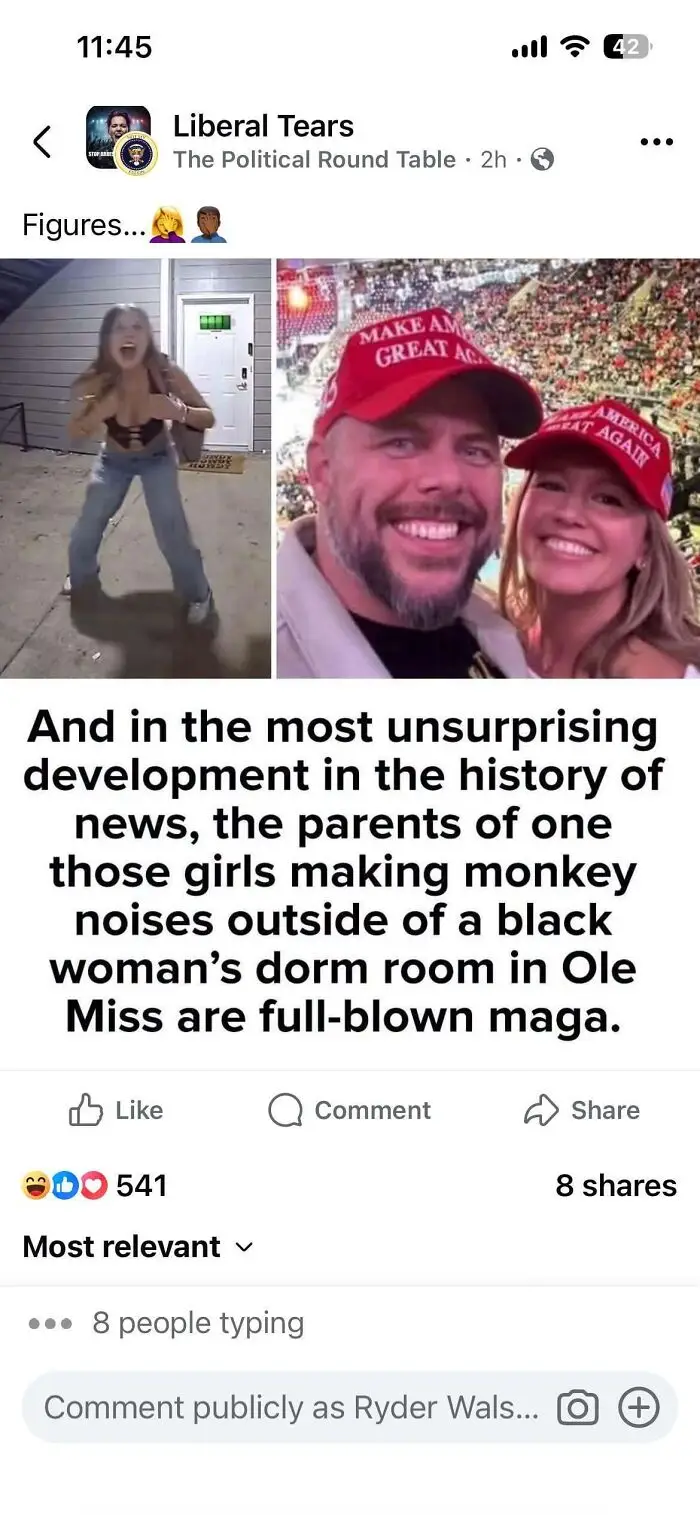




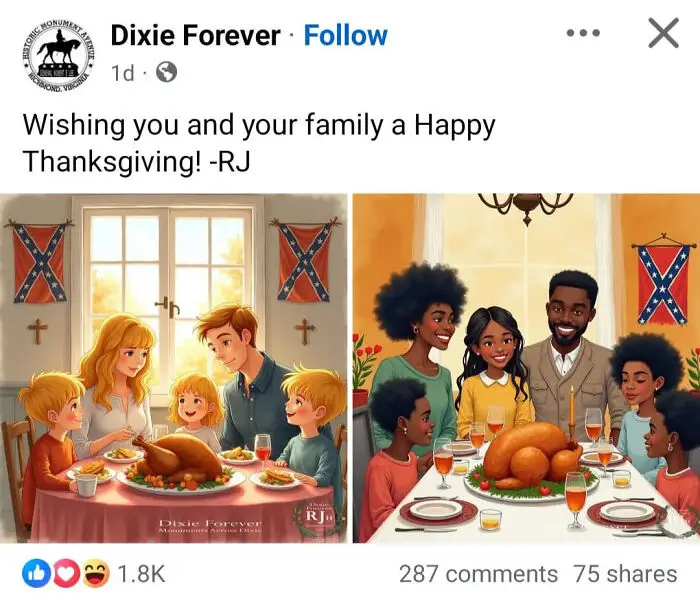
The Constitution has a Twenty-second Amendment, and it says no person shall be elected to the office of President more than twice. It was ratified in 1951, a few years after Franklin D. Roosevelt won four elections in a row and was sent to his grave while in office. Until then, the two-term limit was just a habit. George Washington walked away after two terms in 1796 because he wanted to, and everyone copied him for about 150 years. Then Congress decided that relying on good manners had run its course.
Social media politicians love to explain how the limit can be dodged between House and Senate votes, impeachments, and other loopholes. Someone discovers a phrase in the amendment, ignores the rest, and announces that the experts have missed it, and they, humble couch conspirators, figured it out.
The most popular theory is that a two-term president could run as vice president and take over when the president steps aside. The Twelfth Amendment closes that door. It says anyone constitutionally ineligible to be president is also ineligible to be vice president. The loophole didn't exist, but the confident posts about it certainly did.

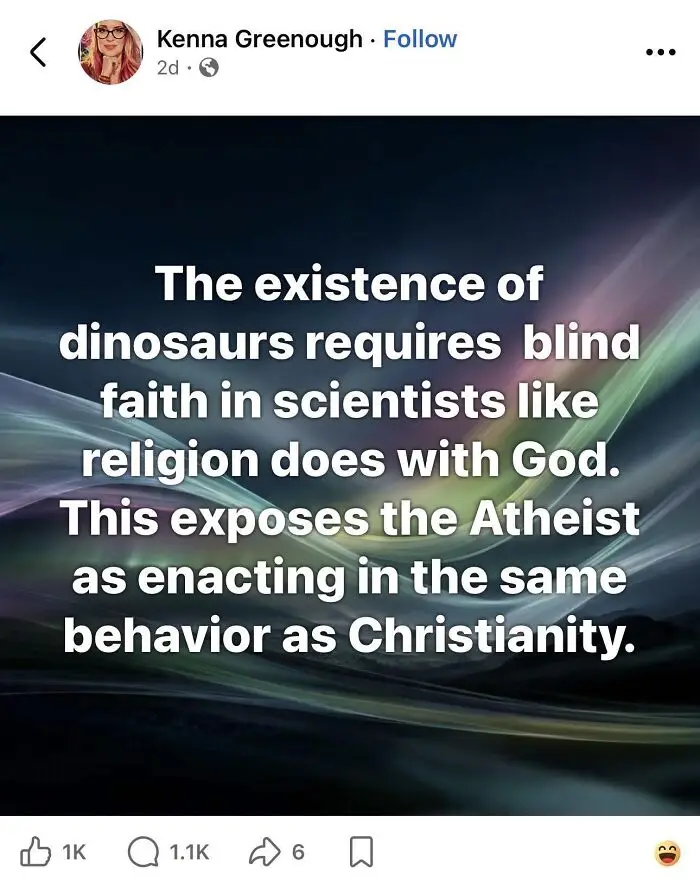

The "you won, now fix everything overnight" crowd has a different problem, which is a calendar. Elections happen in November, and the winners don't take their seats until January. Members of Congress are sworn in around January 3, and a new president takes the oath on January 20. The date used to be March 4 until the Twentieth Amendment shortened the gap in 1933.
So a party that wins an election on Tuesday and is expected to fix the economy by Wednesday has been handed a task that is simply impossible. The whole vibe is "toddler that lost an arguement," but as long as people continue to make a political party their whole identity, this toxic tradition will live on.
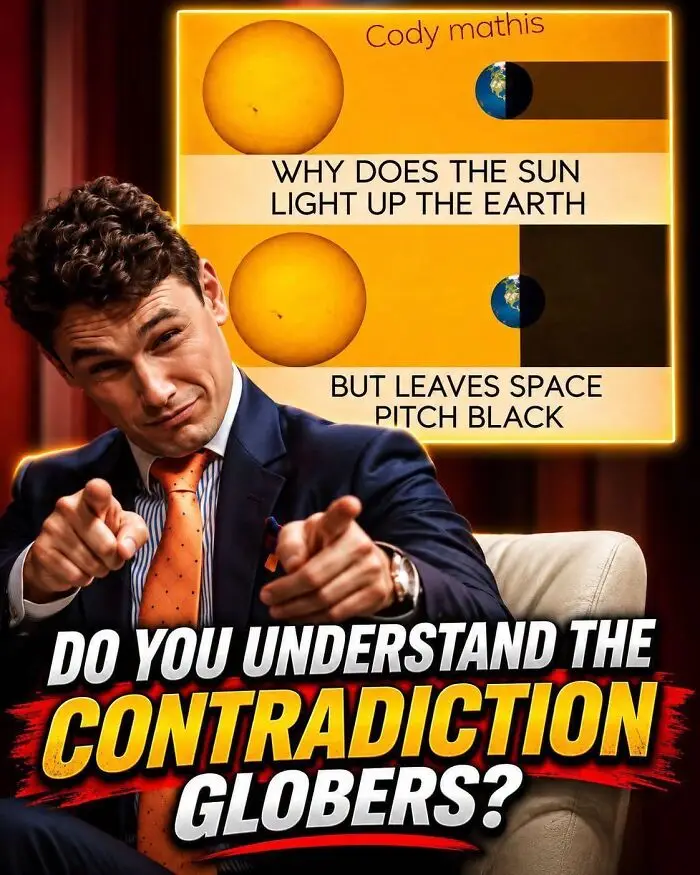
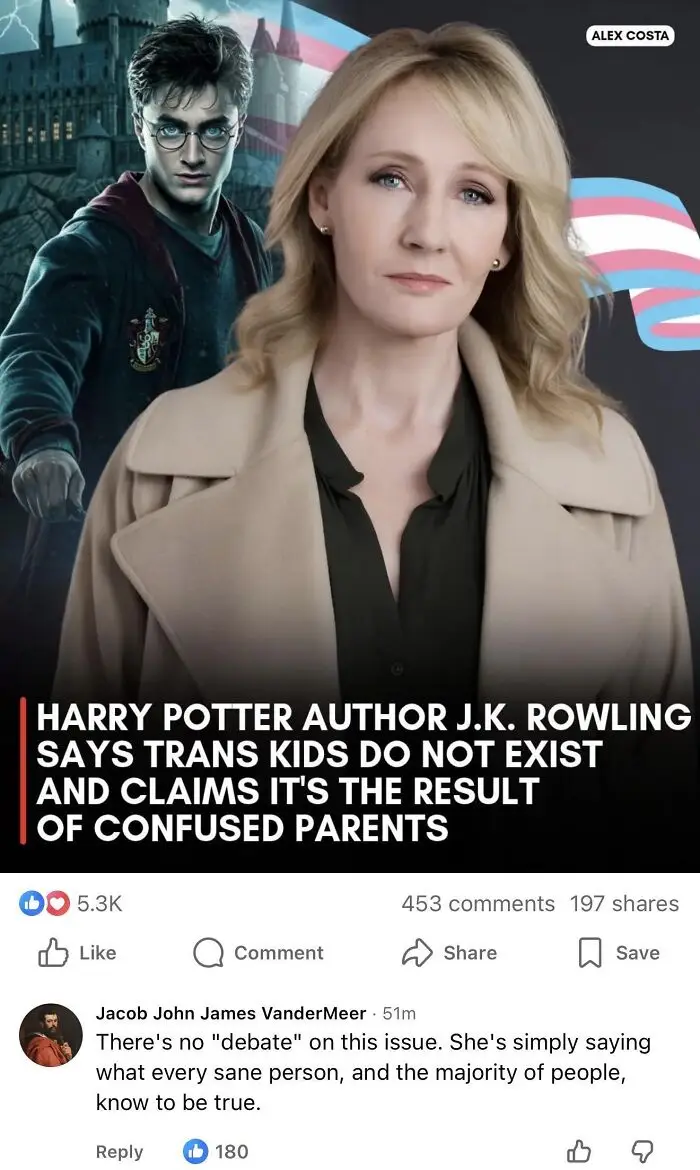
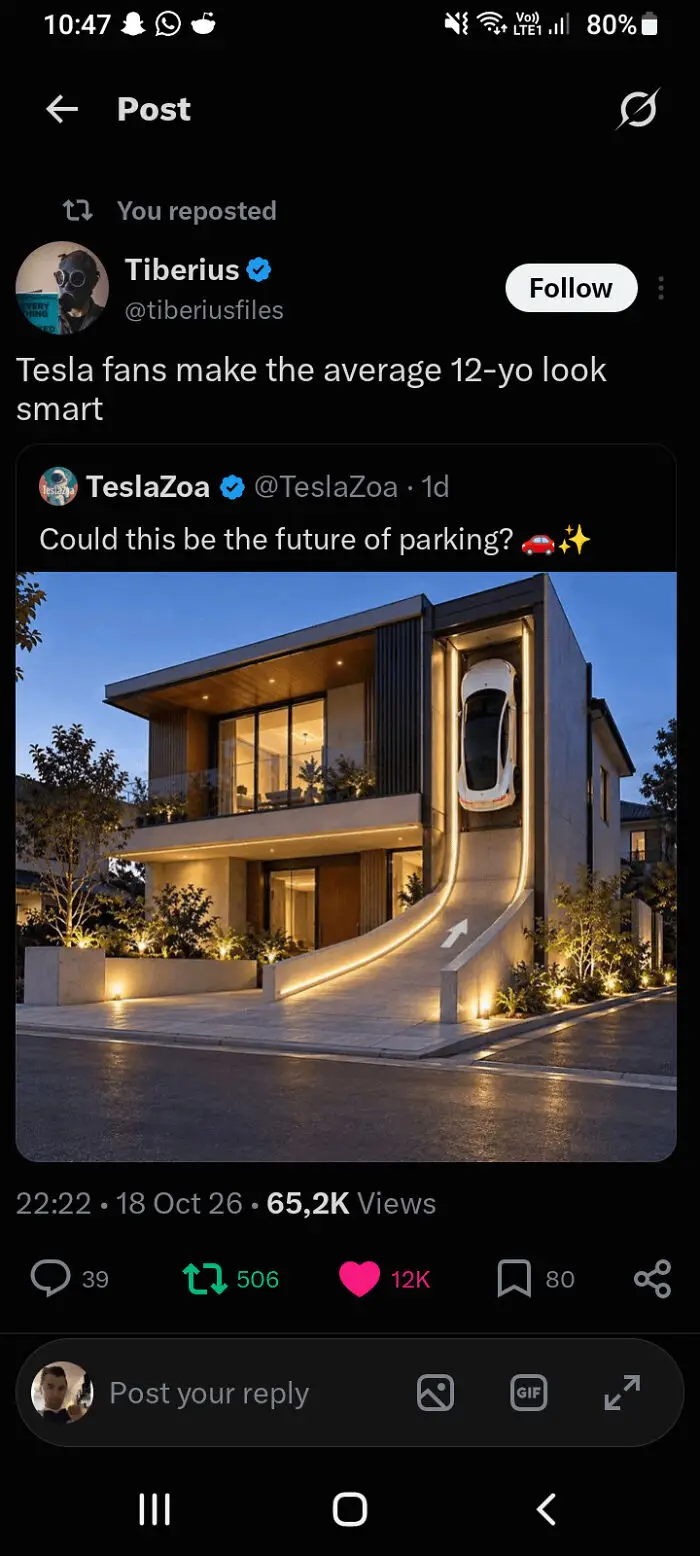
Midterm explainers are another favorite, usually written by someone convinced this year's result is unlike anything in history. It's mostly the opposite. Since 1934, the president's party has lost House seats in every midterm except 1934, 1998, and 2002. The average loss since World War II has been roughly two dozen seats.
Political scientists have a theory that voters behave like a thermostat, wanting less of whatever the government has been doing and turning the dial the other way. People are never happy with the ruling party, and unhappy people are more likely to vote, simple as that. Whatever you think of that theory, "the party in power lost" has the same explanation most years, and it doesn't need a conspiracy.

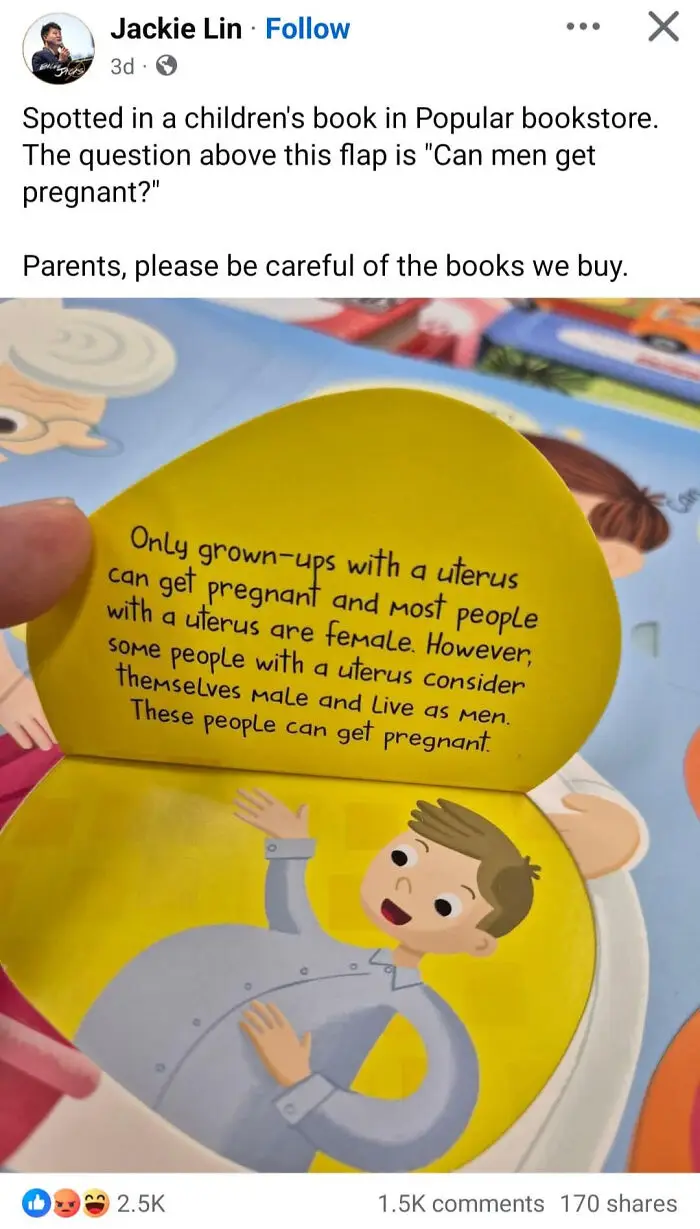
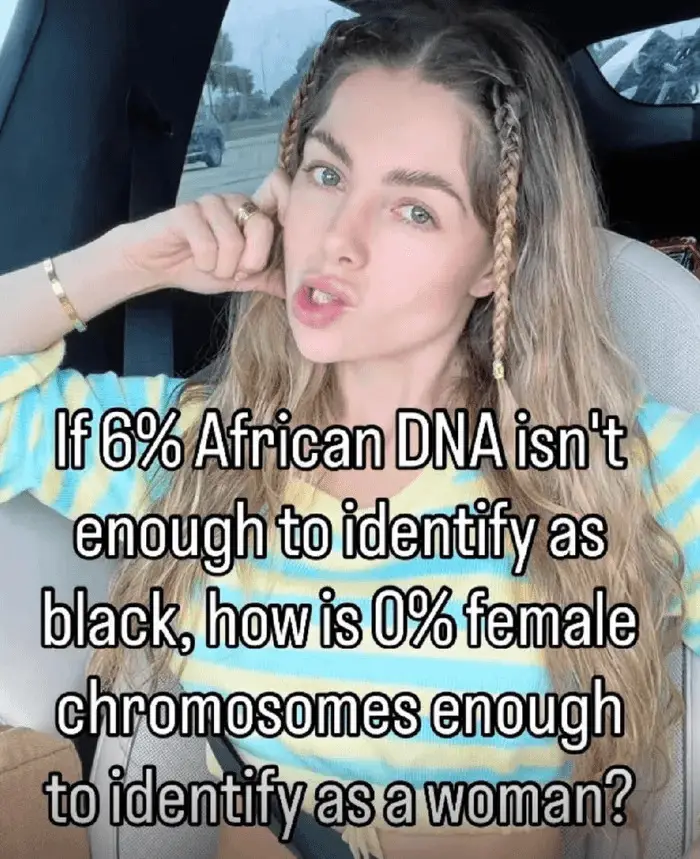
The reason people argue so confidently about things they haven't studied, according to psychologists Leonid Rozenblit and Frank Keil, is called the illusion of explanatory depth. People rate how well they understand something like a zipper or a flush toilet, then try to explain it step by step, and their confidence crashes.
Philip Fernbach and his colleagues tried the same trick with politics in 2013. When people were asked to explain how a policy would work, their opinions got less extreme. Asked only to give reasons for their position, they stayed exactly as angry as before.

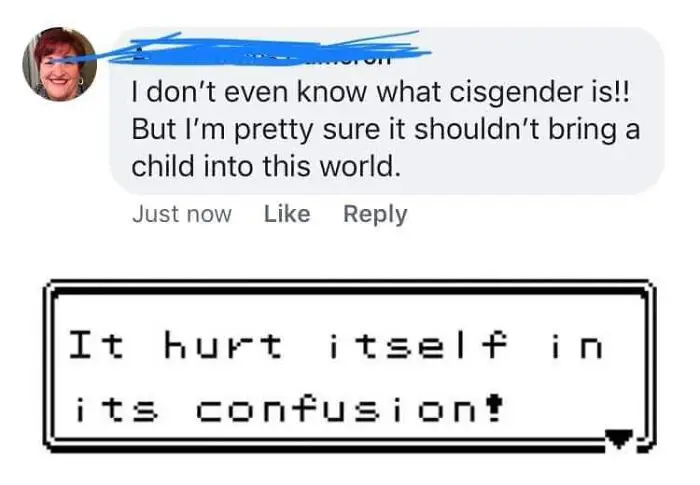
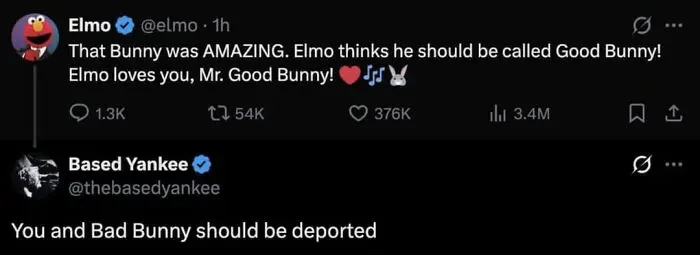
Sharing is where it all goes wrong, because the sharing happens before the thinking. A 2016 study by researchers at Columbia University and the French research institute INRIA found that 59% of links shared on social media were never clicked. People pass things along based on the headline alone, and that's if there's a headline.
MIT researchers analyzing Twitter in 2018 found that false stories were 70% more likely to be retweeted than true ones, and true stories took about six times as long to reach 1,500 people. The good news is that a 2021 study led by Gordon Pennycook found that simply nudging people to think about accuracy before sharing made them post better information.
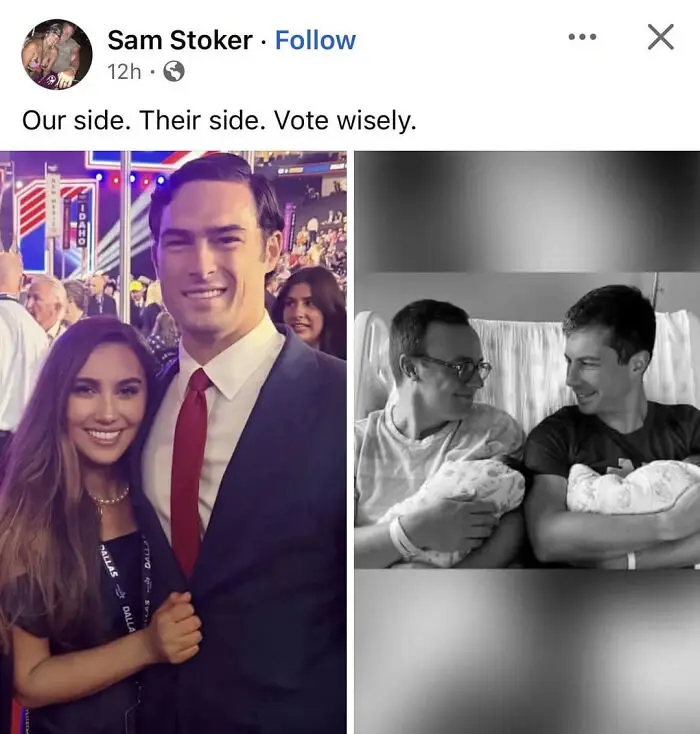
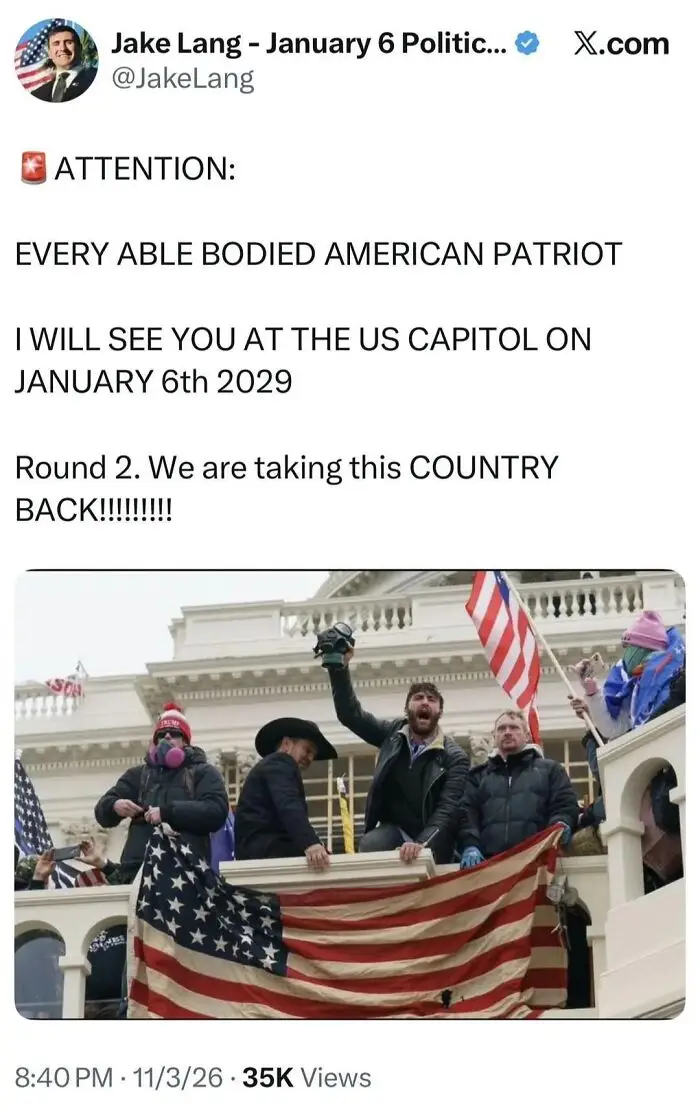
#17 These Same Guys Will Call Liberals "Crybabies", Yet Can't Take A Electoral Defeat
AI has made this worse by supplying the evidence on demand. In March 2023, a picture of the Pope in a white puffer jacket went around the world. It was made with Midjourney by a construction worker in Chicago, and plenty of people believed it. That same month, the journalist Eliot Higgins posted AI-generated images of Donald Trump being arrested, and those were also taken seriously by at least some viewers.
In January 2024, a fake Joe Biden voice told New Hampshire voters in a robocall to skip the primary. The FCC proposed a $6 million fine against the political consultant behind it. Every one of these started as a joke or an experiment, and a comment section somewhere decided it was news.