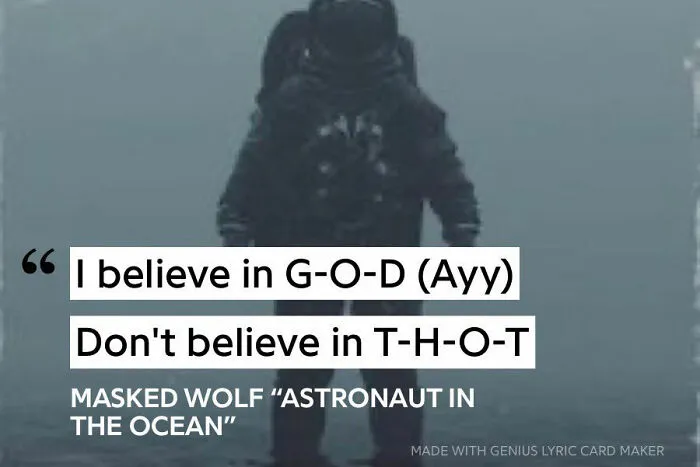
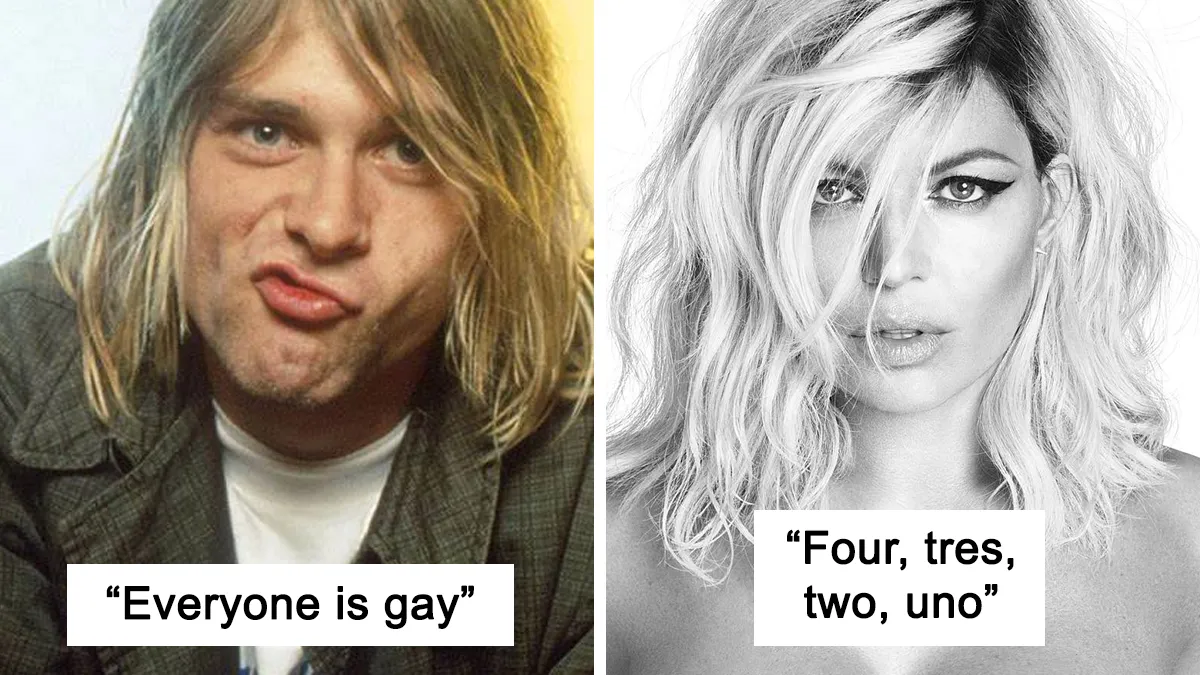



Plus, there are also the things that accompany the words. “Elements of sound and music like pitch, melody, harmony, timbre, and amplitude have an affective, emotional, psychological, cognitive, and even physical impact on listeners. Music adds so much meaning and dimension to texts through a complex of these avenues,” Decenteceo said.
What all these things do, said Decenteceo, citing the book The Sound of Nonsense by Richard Elliott, is liberate the words. “Song frees the voice from any burden of saying anything meaningful.”
In other words, elements in music like scale and melody combine with the plain sound of the lyrics to create meaning independent of the words’ dictionary meanings.



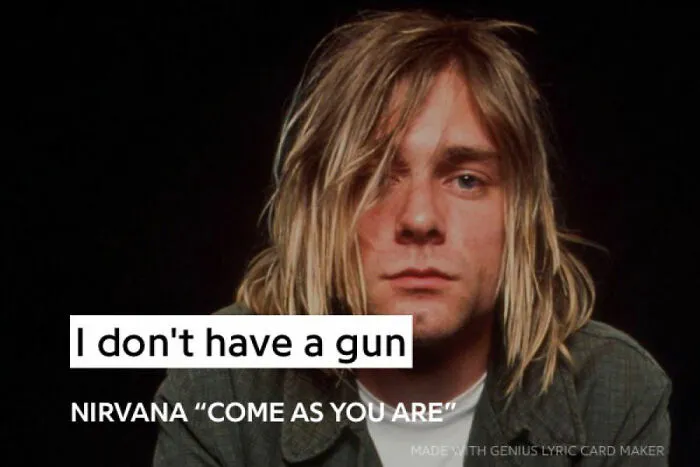
Therefore, it's important to understand music as a discourse between musical elements.
“The interrelationship of those musical aspects—there’s melody, there’s pitch—the combination of all those things coming together,” Decenteceo said. “There’s something to be said about not just the text, but how the text maps onto that.”
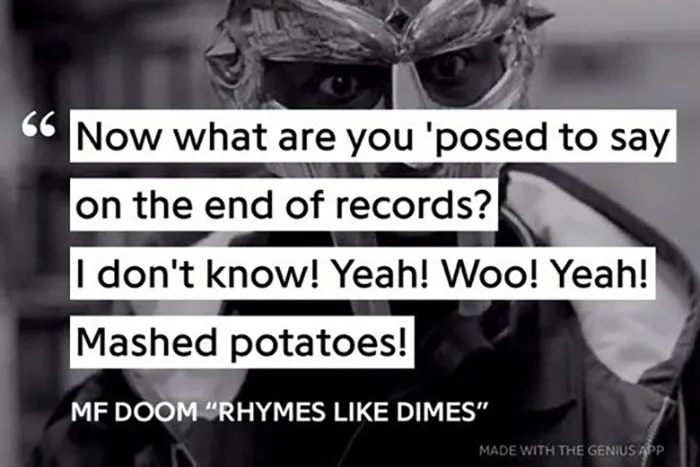

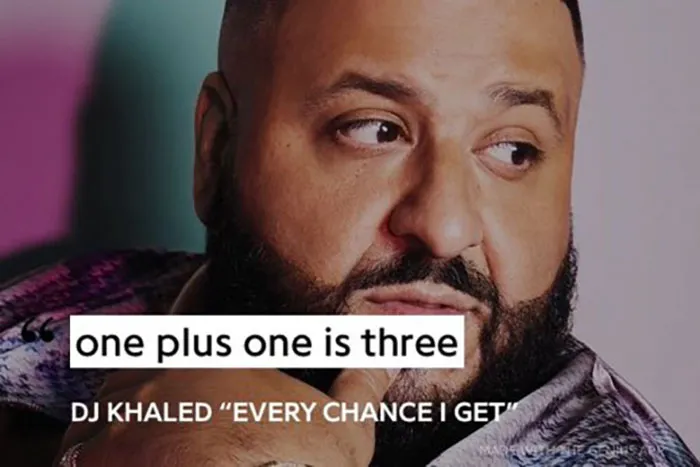
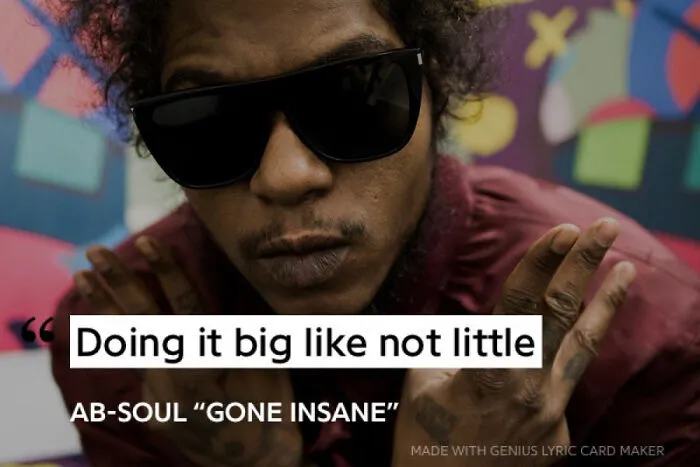
Of course, this isn’t to downplay the importance of the lyrics' linguistic meaning. Tolentino explained that, in music therapy, lyrics are powerful tools for helping people recognize, articulate, and reflect on their emotions.
And Decenteceo added that it's still important to look out for any wrongful or problematic messages in song lyrics.
Now if only we had a place to start... Something that highlights all the questionable things artists say in their tracks...