




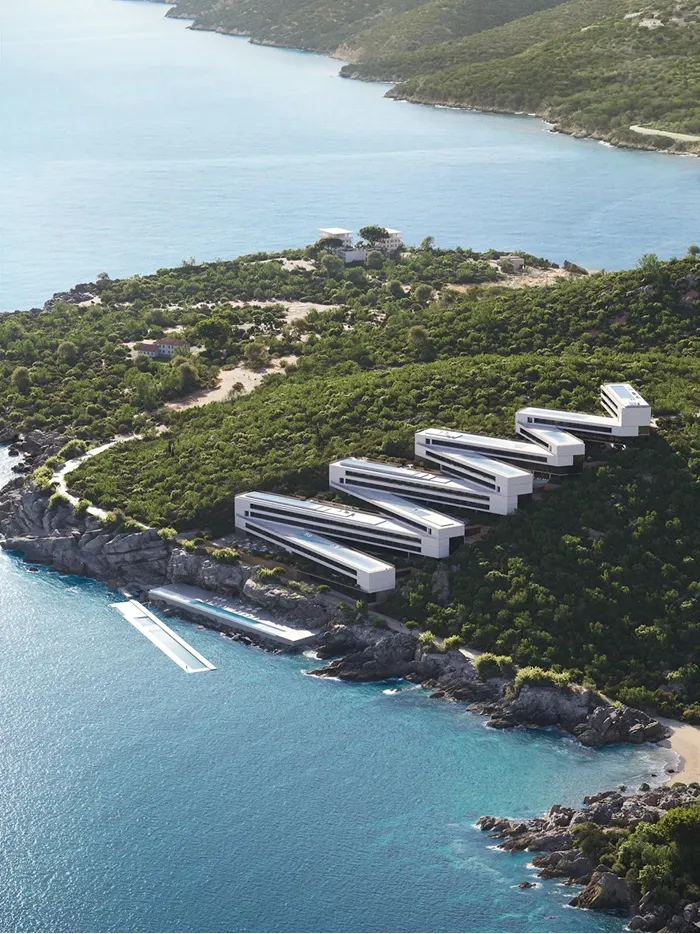
#3 Zig Zag Hotel In Himare, Albania Designed By Ja Joubert Architecture
If you’re not an expert on architecture and don’t know exactly what falls under the umbrella of “modern architecture,” don’t worry. We’ve got you covered. According to Maverick Frame Studio, this actually refers to styles that hit their stride in the early 20th Century and had a major impact on architecture of various forms through the 1960s.
The word “modern” in this case doesn’t exclusively mean current, but “it’s connected to modernism, industrialization, social change, and a clear break from the ornate styles of the past,” Maverick Frame Studio explains. And this style came about initially as a philosophical and practical response to how rapidly cities were changing. Architects wanted to reflect modern times, rather than imitate the past.

#6 Monument To The Soviet Space Program In Moscow, Completed In 1964, The 107-Meter-Tall Titanium Structure Depicts A Rocket Rising On A Plume Of Smoke
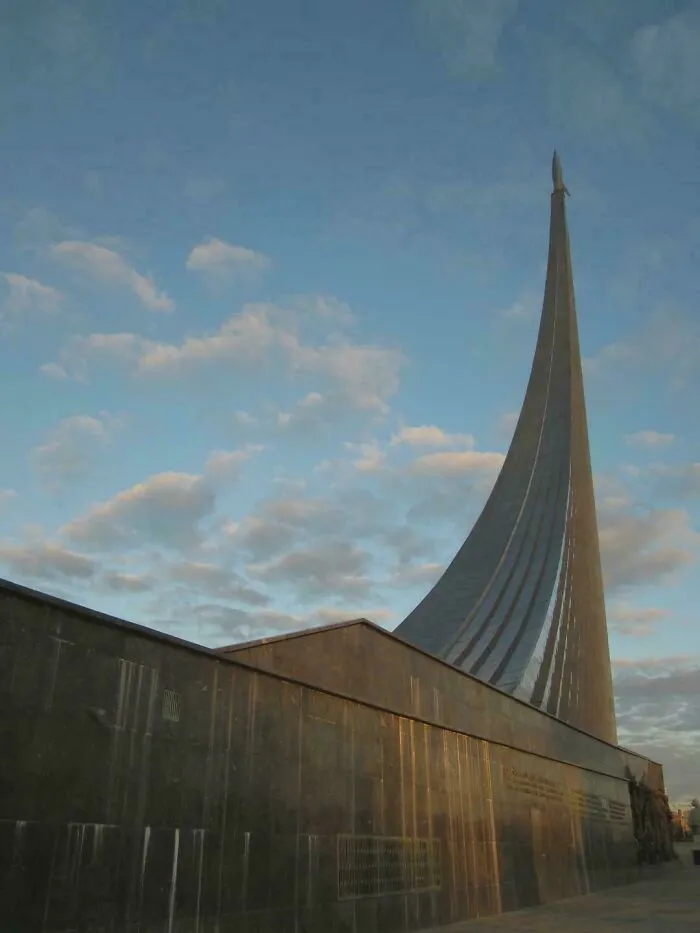
Because the world has changed so rapidly since the end of the 19th Century, architects knew that they would have to adapt with the times. They wanted to create structures and spaces that were better suited to our modern, industrial lives. No longer did they only think about how a building looked; they also considered layout, light, circulation, and how the space was designed.
Some key figures who are absolute legends in the world of modern architecture are Louis Sullivan and Frank Lloyd Wright. Sullivan was a huge proponent of the idea that form should follow function, and Wright popularized open floor plans and creating a strong connection between a building and its environment.
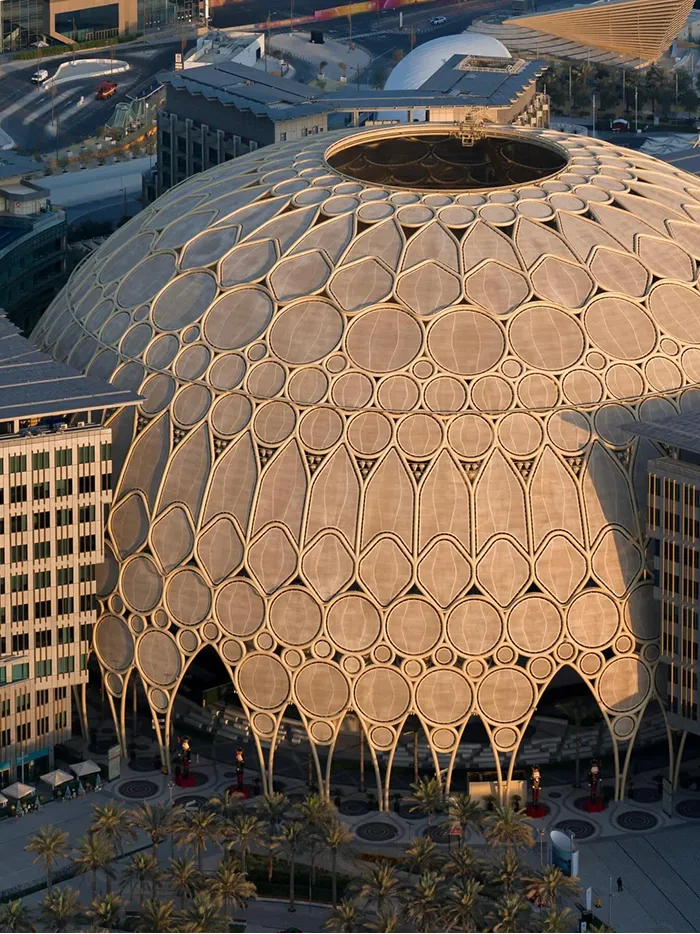
#9 Grand World Phu Quoc Welcome Center (2021) By Vtn Architects (Vo Trong Nghia)

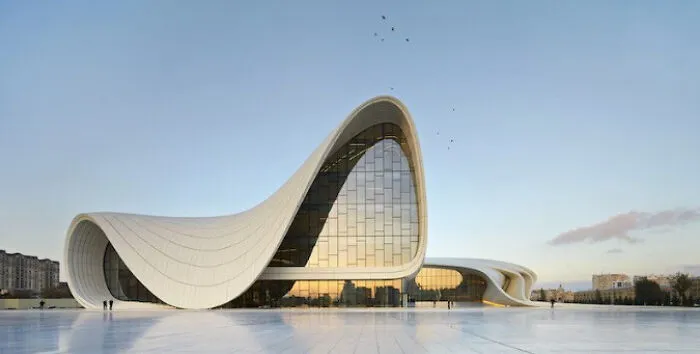
Aside from form following function, there are several other core principles of modern architecture. First, the embracing of new materials and structural freedom. Steel, reinforced concrete, and large-scale glass became extremely popular with modern architecture. And buildings no longer had to look a certain way. Architects became extremely creative with the shapes of buildings, and we began to see bolder-looking structures emerge.
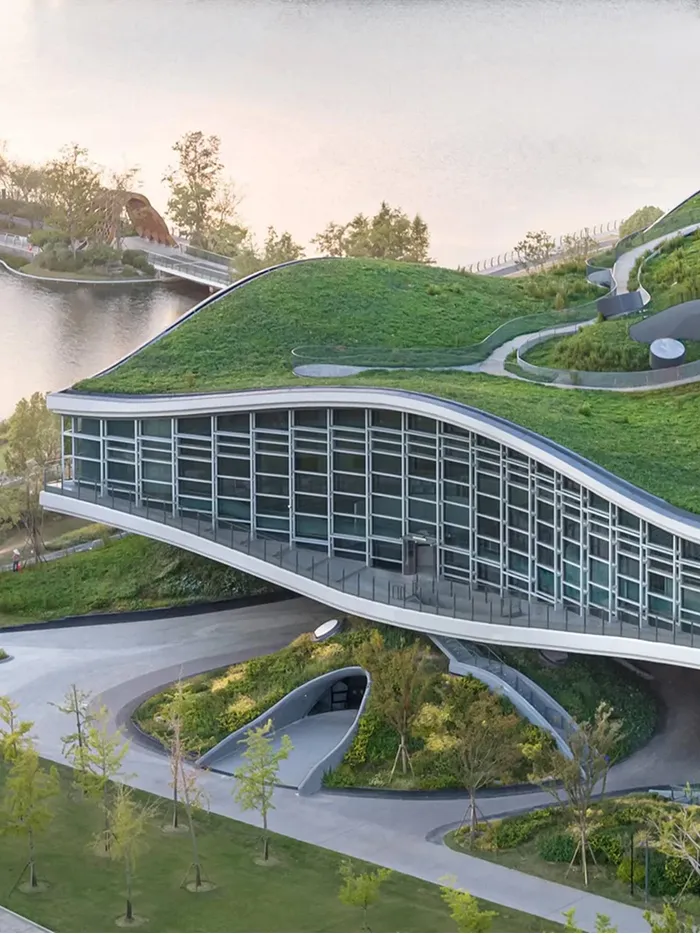
#10 Florida Polytechnic University Science And Technology Building (2014) By Santiago Calatrava
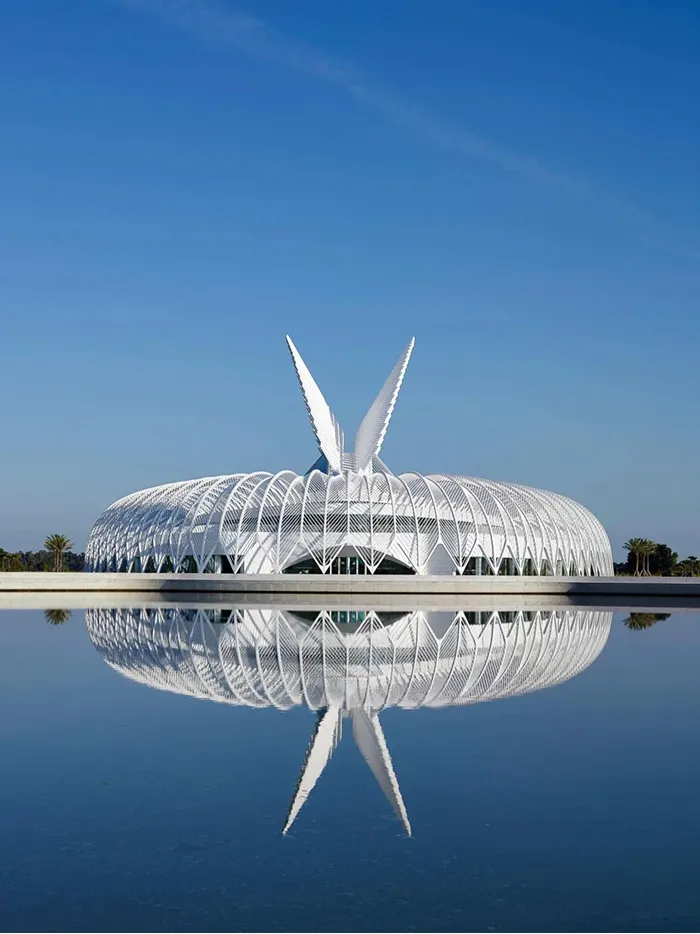

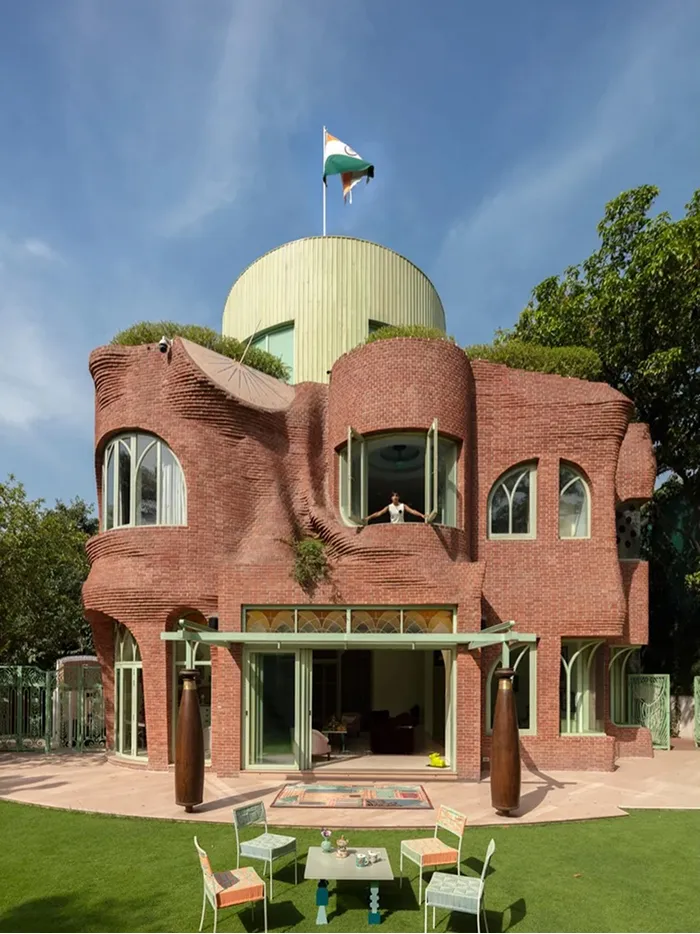
Space, light, and human use were also important factors that modern architects kept in mind. The idea that people could move through a space more fluidly was a new concept, but it became incredibly popular, and it still is today. Rooms didn’t have to be tight boxes anymore; several rooms could flow into one another. Meanwhile, architects really began to take into consideration how much lighting, particularly natural light, can impact a space.
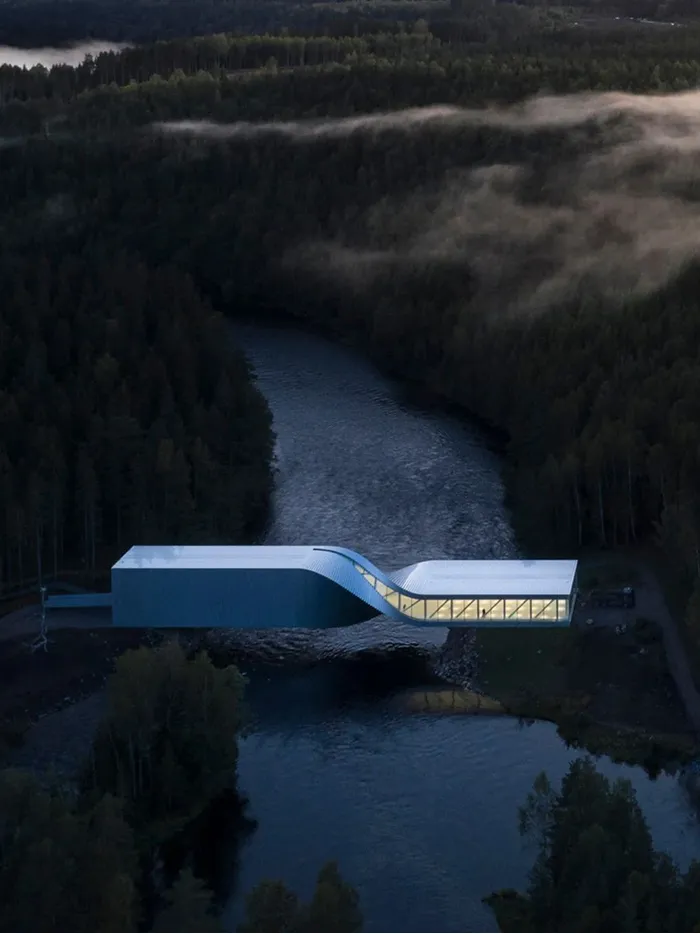
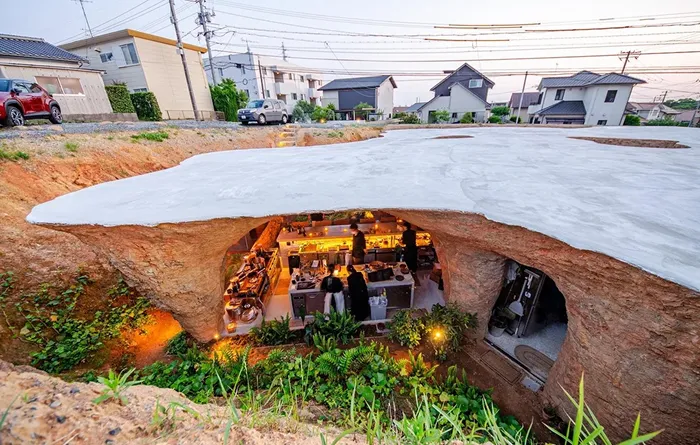
#14 House&restaurant By Junya Ishigami That Cannot Be Seen From The Street
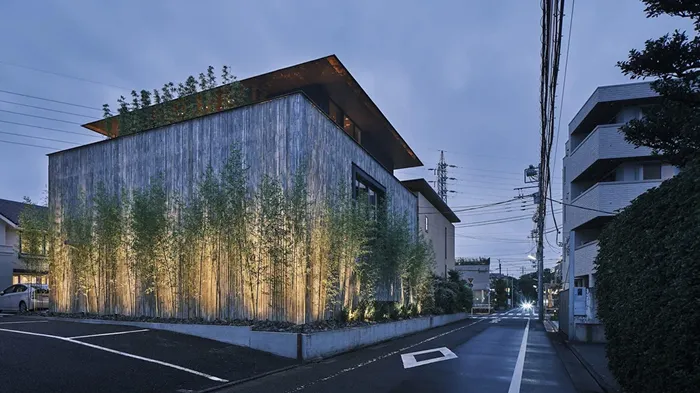
Some classic features that you might spot in a lot of modern buildings are clean lines and geometric forms, flat or low-pitched roofs, open floor plans, large windows, ribbon windows, curtain walls, minimal ornamentation, visible use of glass, steel, and concrete, strong horizontal or vertical emphasis, and integration with light, air, and the surrounding landscape. The goal is not to be minimalist for the sake of being so, but to create a space that feels ordered and intentional.
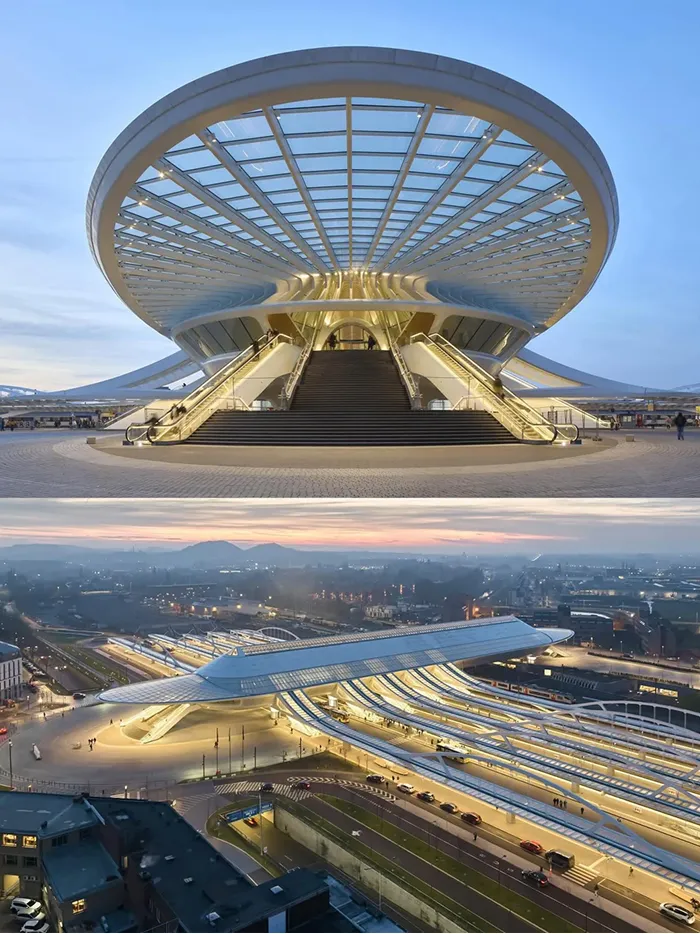
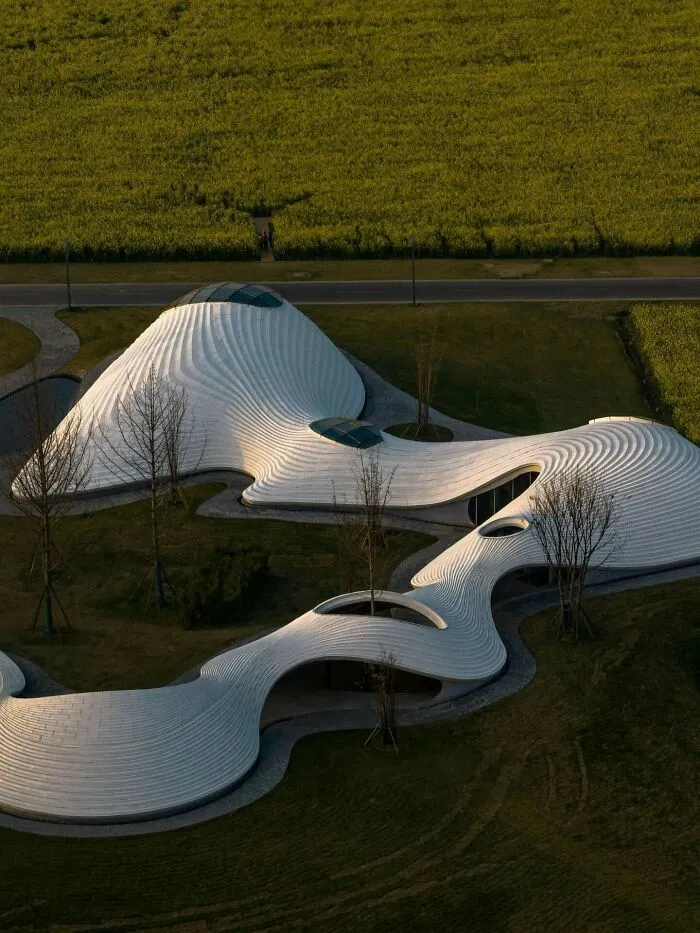

When it comes to why people love modern architecture so much, Brightman Clarke Architects notes on their site that there are several benefits that can come from this style. First, it often utilizes environmentally friendly materials. A modern home can reduce your carbon footprint, keep your bills lower, and reduce your energy consumption. Plus, this style of architecture often includes plants, which can make your home much more serene.