


Even the best sources and journalists make mistakes from time to time. One goal is to minimize the number and frequency of these errors. But another goal is to take responsibility for them and be open and honest about them.
A huge green flag for a source is that it not only fixes an error but also adds an edit explaining what information has been changed and why.


Furthermore, reliable news sources also link to the information they reference. That way, you can read up on the topic yourself and evaluate the sources they’re relying on for yourself. This sort of openness is vitally important to prevent people from making things up to fit their agenda or presenting their opinions and predictions as established proven facts.
#26
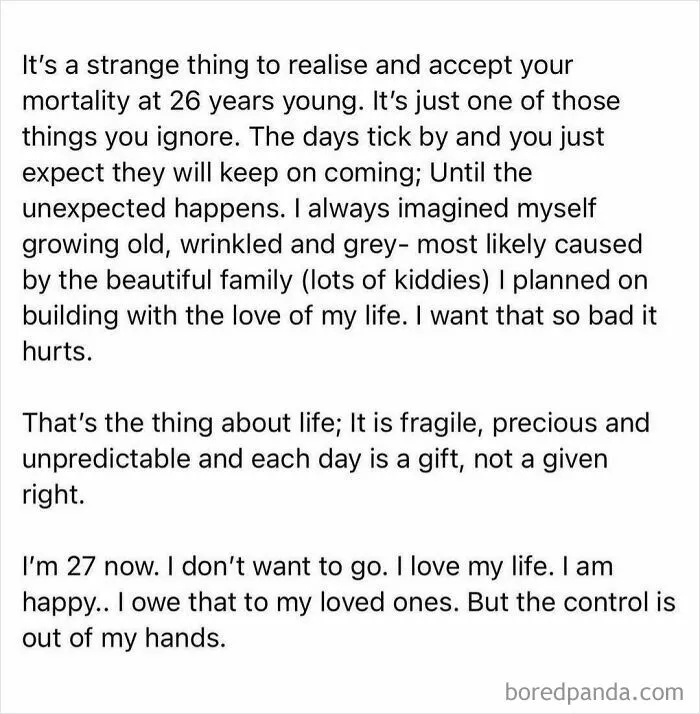
At 27, Holly had a rare form of bone cancer, forcing her to consider her fate at an age far too f*****g young. The least we can do is listen & live by Hollys words.
Hope you’re resting, angel 🤍🤍
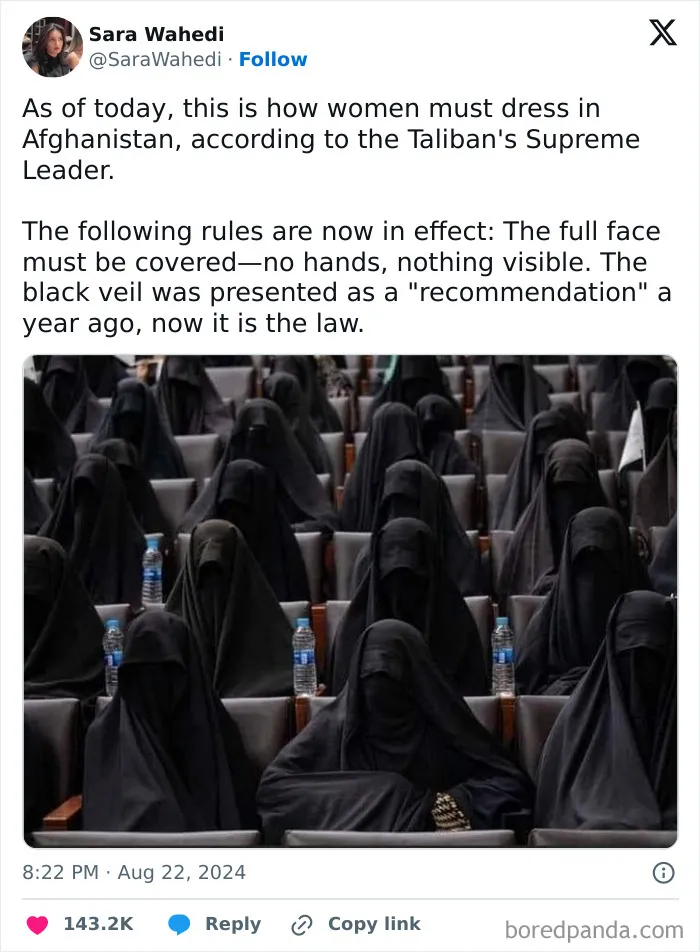
A good rule of thumb is to consider how a piece of news makes you think and feel. If you find yourself eagerly agreeing with the headline (whatever your political beliefs), then it’s likely that it’s quite biased.
On the flip side, if a claim sounds outrageous or too good or bad to be true, then it’s also very likely that you’ll need to do some additional digging to get to the bottom of things. If you can’t find multiple reliable sources reporting the same piece of info, it’s possible that the initial claim you read was either strongly exaggerated or made up.

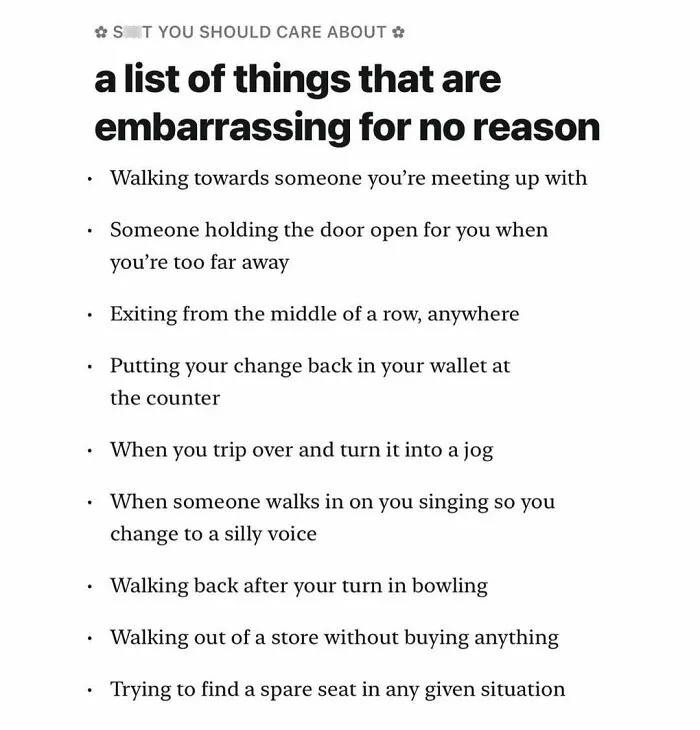
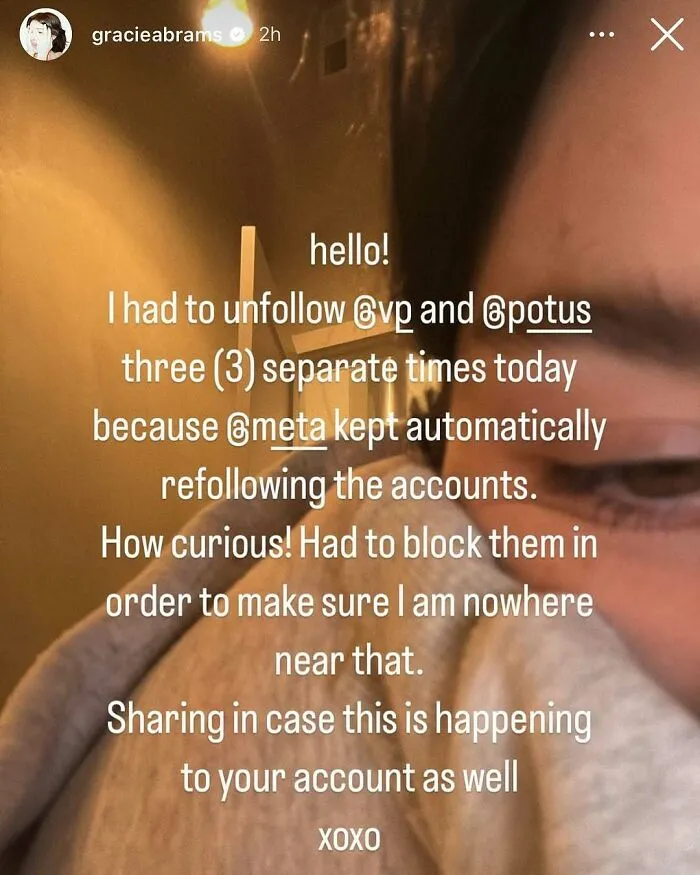
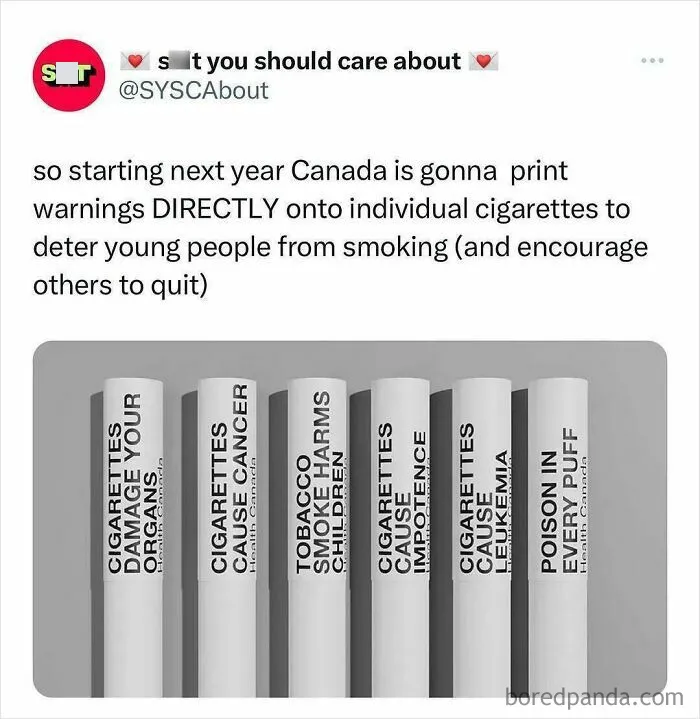
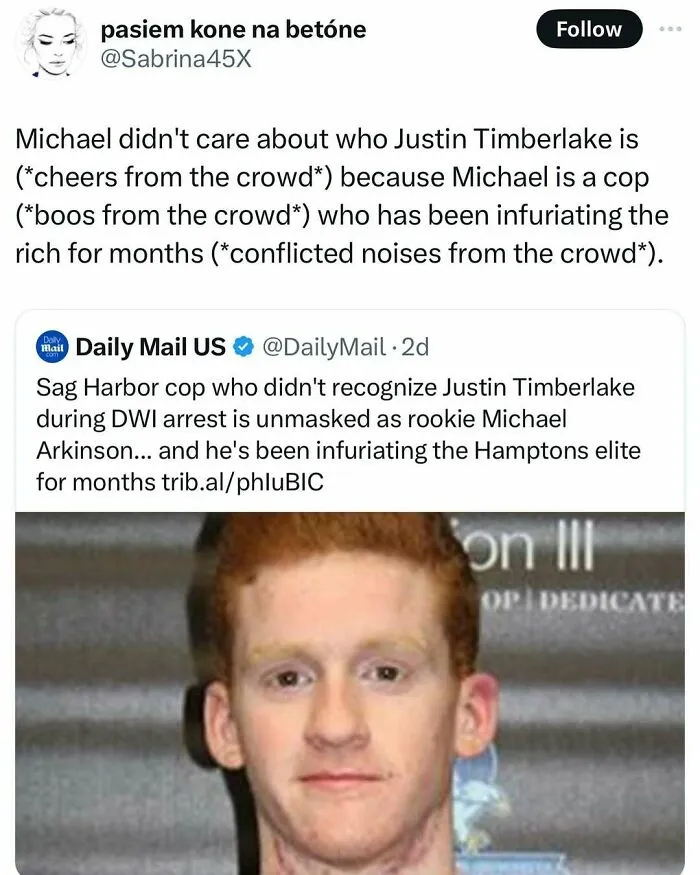
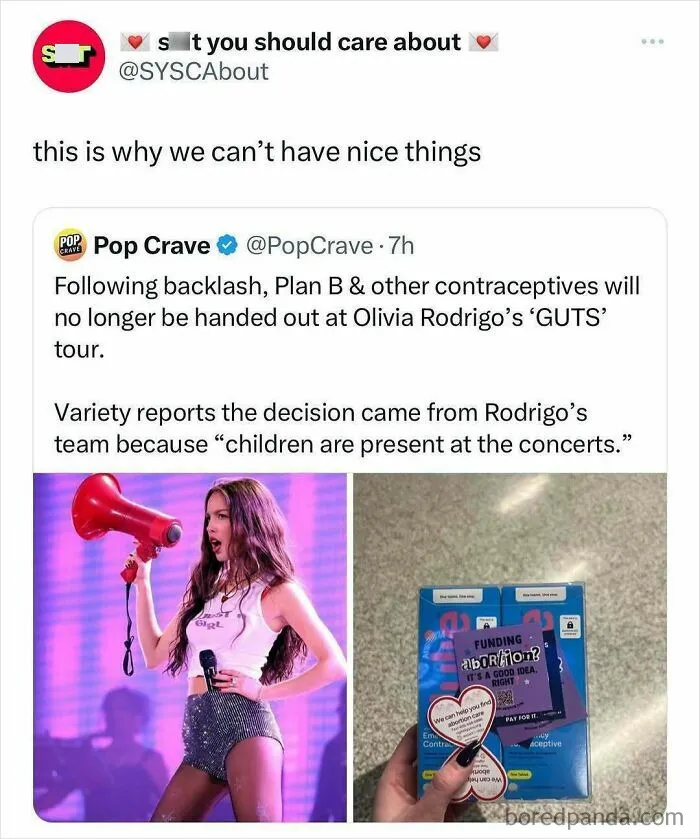
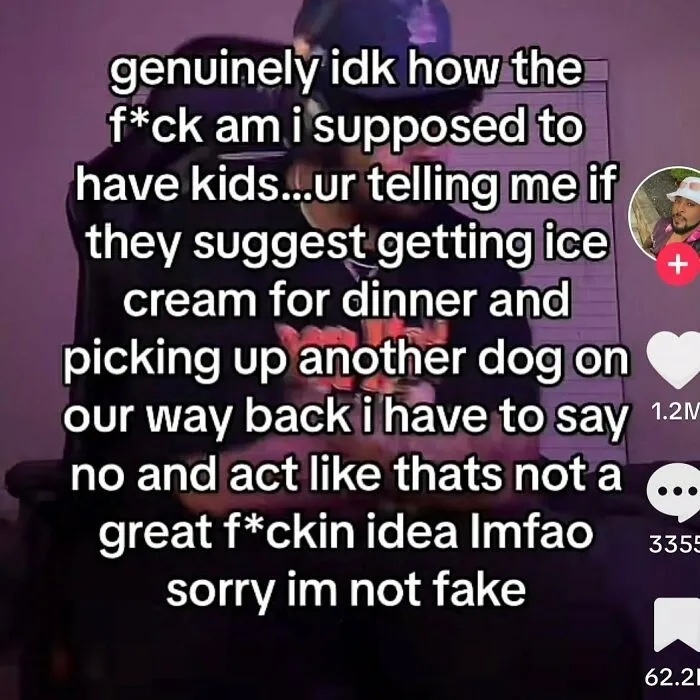
Which of these pieces of news, as shared by SYSCA, caught your attention the most? Were you aware of all of these events or were there any that came as a complete shock to you?
What news sources do you personally rely on the most? How much time do you spend reading the news each day? We’d love to hear your insights about everything. Feel free to share yours in the comments below.