





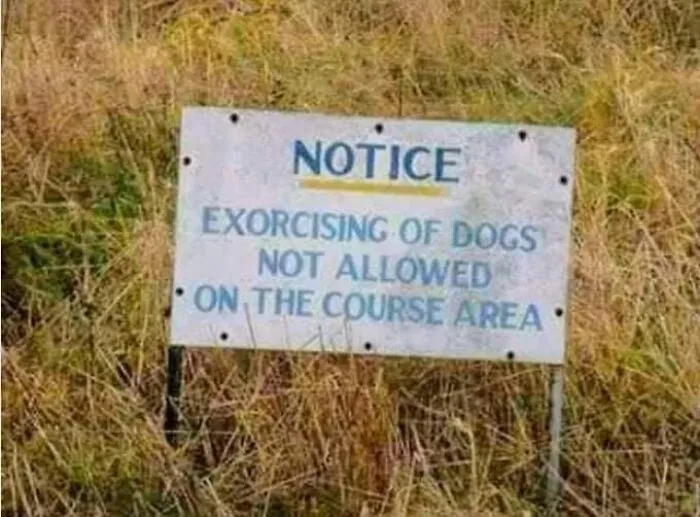
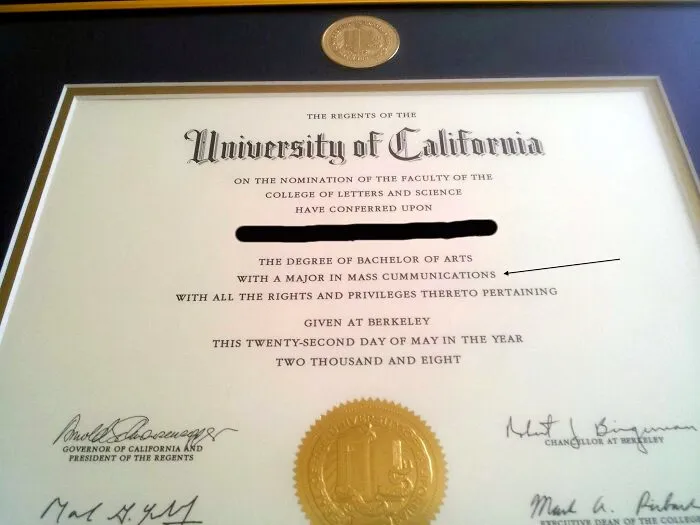
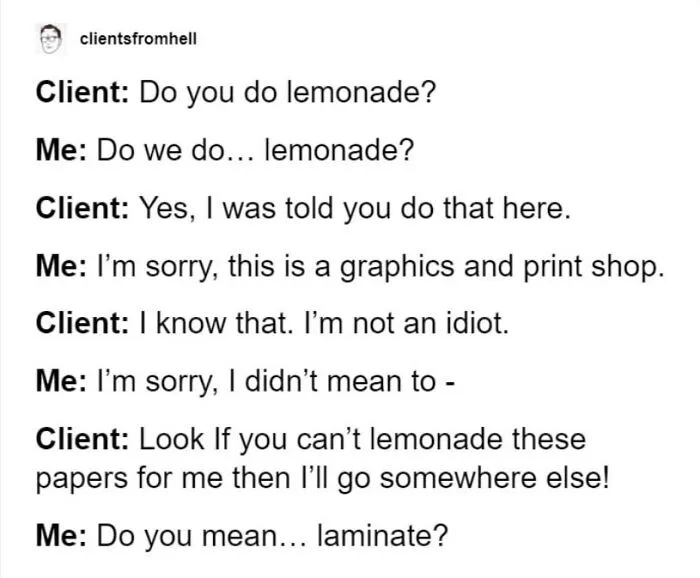
Before blaming the authors of these masterpieces, it helps to know that English spelling has been a bit of a mess since long before the internet arrived. The short version is that spelling got locked in place right when pronunciation was in the middle of a makeover.
William Caxton brought the printing press to England in 1476, just as the Great Vowel Shift was changing how everyone said their long vowels, so printers froze the old spellings while mouths kept moving. For example, Canada’s Language Portal walks through the whole saga, including why treat and great look like cousins but sound like strangers.



Then the Renaissance arrived and some scholars decided English words should look more like their Latin ancestors, so they sprinkled in extra letters like confetti. Debt grew a silent b to resemble the Latin debitum, and island picked up an s because people wrongly believed it was related to the Latin insula.

#9 The Hot Chocolate Machine At My Dinning Hall Has Lost Its Innocence

Its actual roots are Old English, which makes that s a mistake that got promoted to a rule. Babbel’s guide to the history of English spelling has more of these, including the receipt that used to be a perfectly sensible receit. Calendar troublemakers have their own excuses. Wednesday means Woden’s day, named for an old Germanic god, and the d survived in writing even though speakers dropped it ages ago.



February is in the same club because plenty of people skip its first r when talking, and How Stuff Works has a neat explainer on silent letters like these. Meanwhile rhythm looks like someone sat on a keyboard, but it comes from Greek, where a leading rh and a y doing the job of a vowel are perfectly normal.


Ghost carries a silent h that is often credited to Caxton, who spent years working in Flanders and may have borrowed the Flemish spelling. Colonel sounds like kernel because the word wandered through French, Italian and Spanish, and the spelling and pronunciation ended up following different versions.


Then there is the villain of proofreaders everywhere, supersede. Plenty of words such as precede and recede end in cede, while exceed, proceed and succeed end in ceed, and supersede stands alone as the only common word ending in sede. Grammarphobia digs into the history and traces it to a Latin verb meaning to sit on top of, which is a rather dignified origin for a word people constantly botch. Since supercede follows the more common pattern, it looks right to a lot of brains, and that is exactly the trap.