




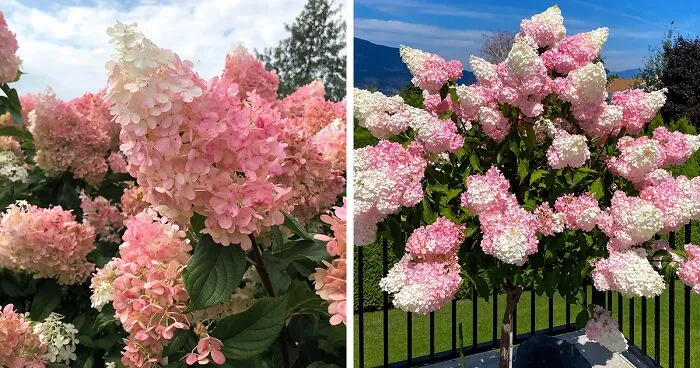


If you’re looking to add a little wonder to your garden, then vanilla strawberry hydrangea is a choice that really can’t fail you. In this guide, we’ll show you how simple and rewarding it is to grow and care for these delightful plants, ensuring they thrive and brighten up your outdoor space year after year.
This charming plant gets everyone’s attention with flowers that change from creamy white to a lovely pink as the season unfolds. Vanilla strawberry hydrangeas start their blooming in mid-summer and keep your garden vibrant through early fall.
Highlights
- Flowers turn from white to pink over the season.
- Blooms mid-summer to early fall; long-lasting.
- Thrives in moist, well-drained soil and partial shade.
- Cannot legally propagate due to trademark.
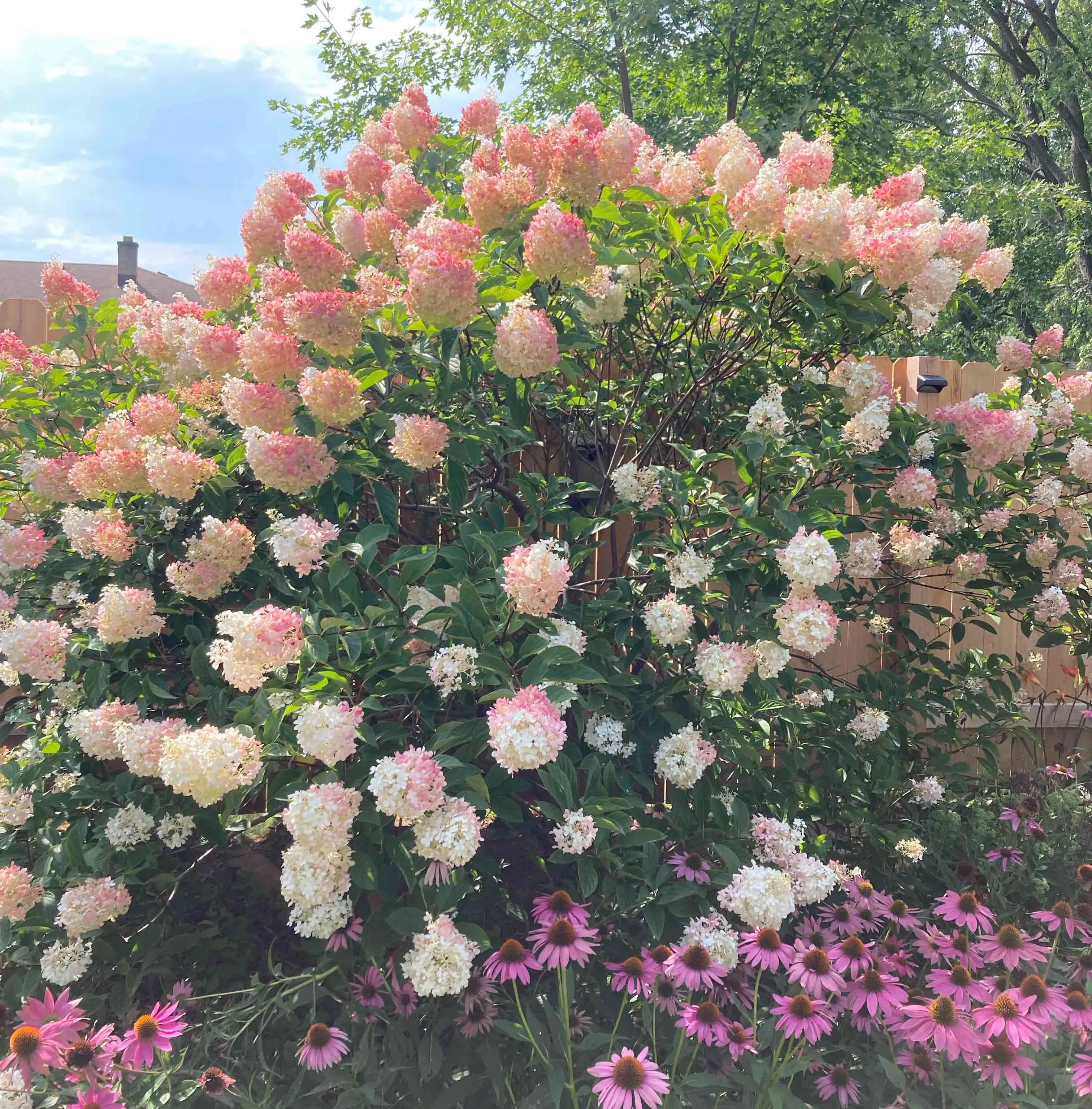
Image credits: paszkisr
And here’s the best part: with just a bit of love and care, hydrangeas can be a part of your garden for quite a long time!
- Botanical name: Hydrangea paniculata ‘Renhy’
- Plant type: Deciduous shrub
- Bloom time: Mid to late summer
- Sun exposure: Full sun to partial shade
- Soil type: Moist, well-drained
- Soil pH: Slightly acidic to neutral
- Hardiness zones: 3–8 (USDA)
RELATED: In This Online Group, People Share Examples Of Botanical Wonders And It’s Soul-Refreshing (50 Pics)
How to Grow and Care for a Vanilla Strawberry Hydrangea
Soil

The best place to plant your vanilla strawberry hydrangea is in well-drained soil that keeps moisture just right. Slightly acidic to neutral soil is what this plant craves. A spot where the water doesn't sit stagnant will ensure that your hydrangea doesn't get “wet feet,” which can lead to root rot.
Water
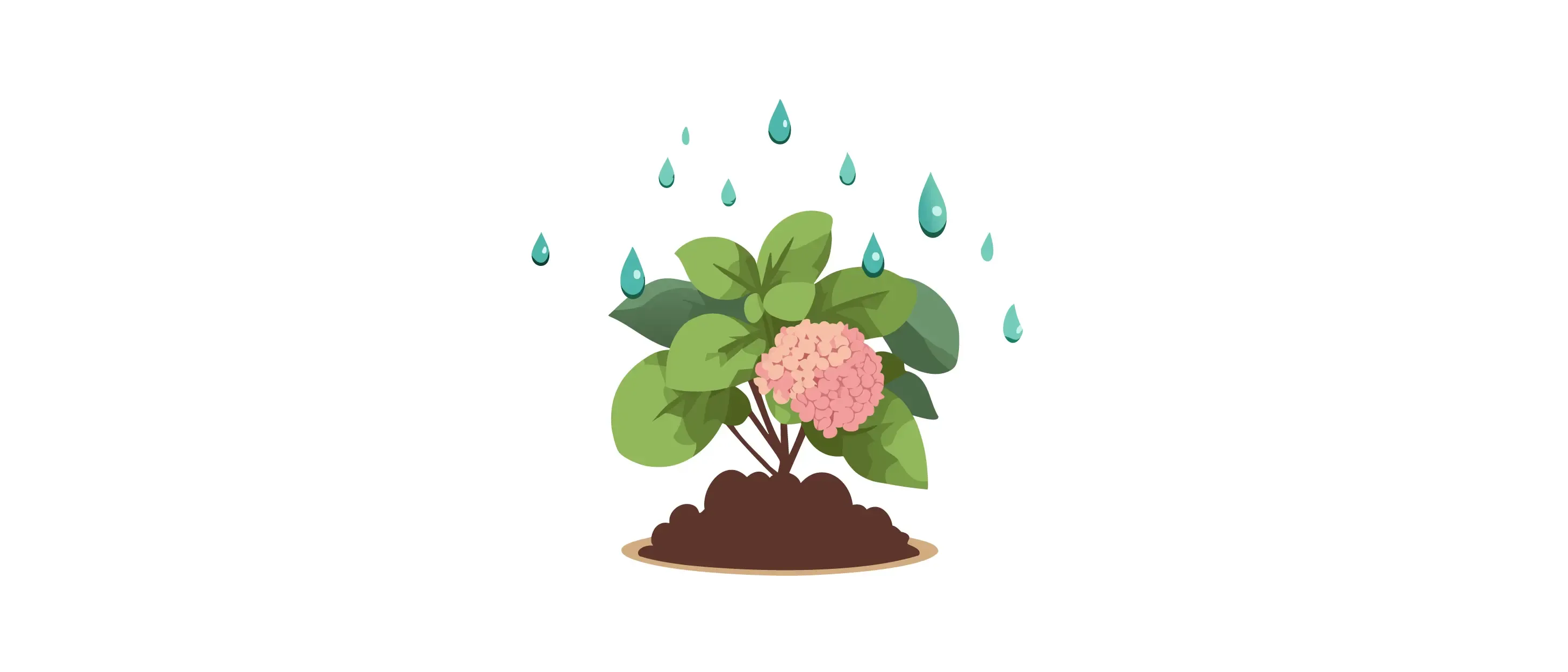
Regular watering keeps vanilla strawberry hydrangeas happy, especially during dry spells. Aim for consistent moisture, but don't overdo it. The key is to keep the soil moist but not soggy.
Humidity

These hydrangeas are not too fussy about humidity. Average garden conditions usually provide just the right amount. If you’re in a particularly dry area, a layer of mulch can help retain soil moisture and keep humidity levels stable.
Light
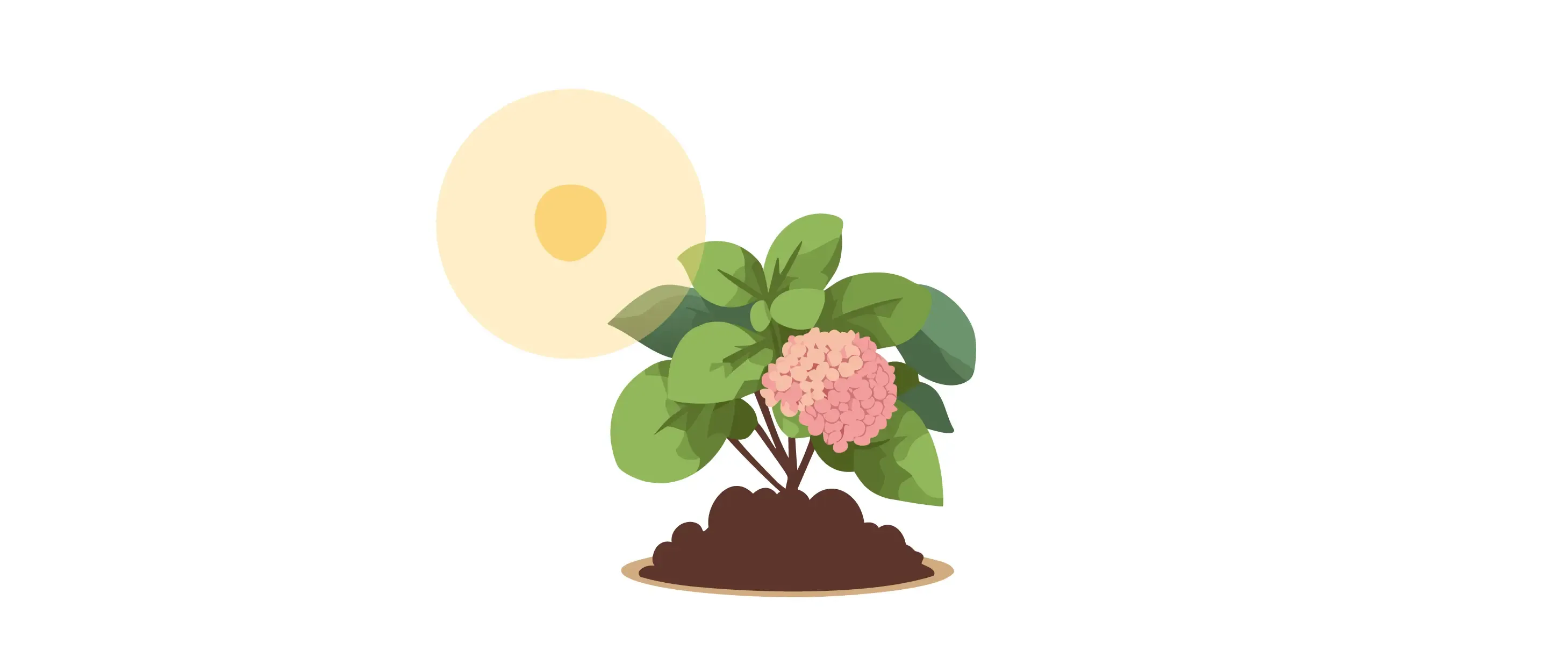
Sunlight with afternoon shade is the sweet spot for vanilla strawberry hydrangeas. They can take full sun (6–8 hours a day), but in particularly hot climates, afternoon shade protects them from scorching.
Temperature
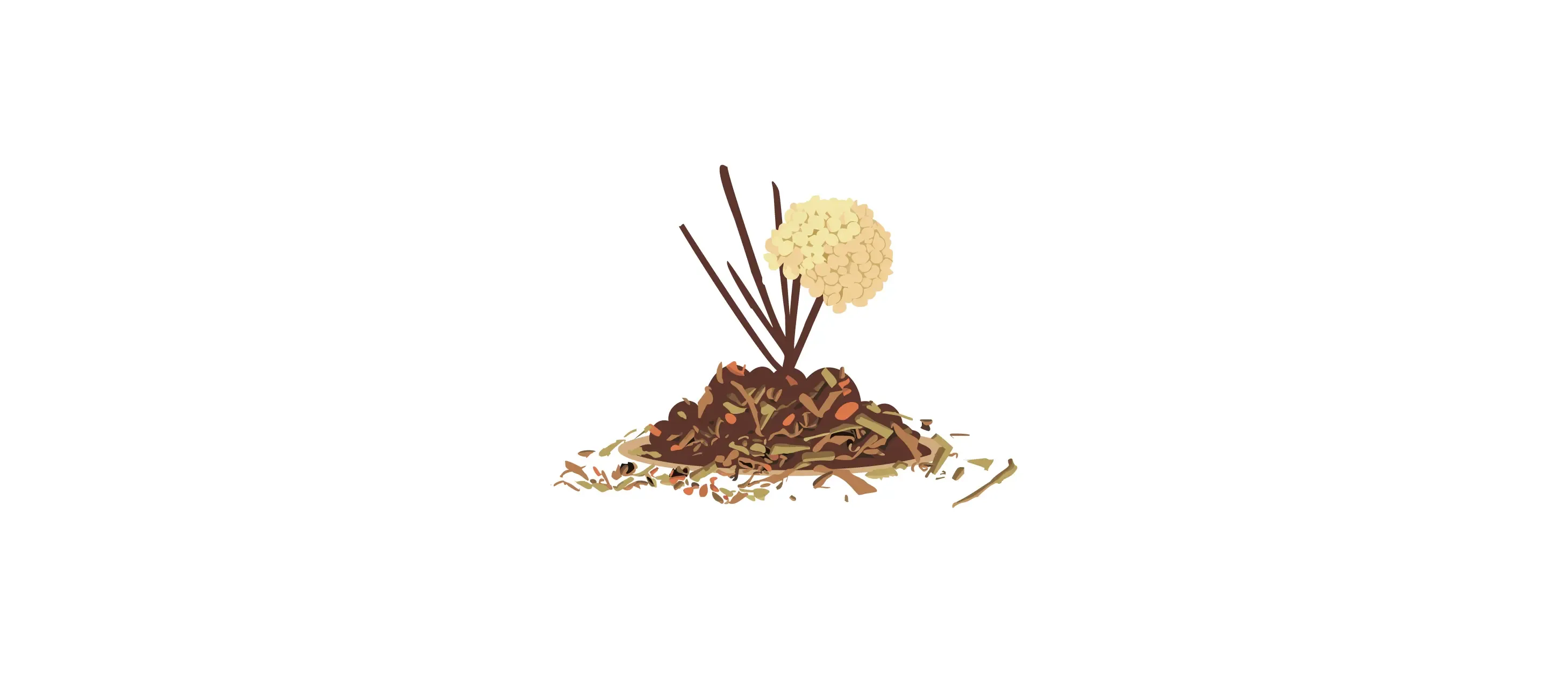
Vanilla strawberry hydrangeas are pretty adaptable but prefer moderate temperatures. They’re hardy in zones 3–8, so they can handle even freezing winters. Just remember, extreme heat or cold can still stress them out, so provide some protection in case of severe weather.
Fertilizer
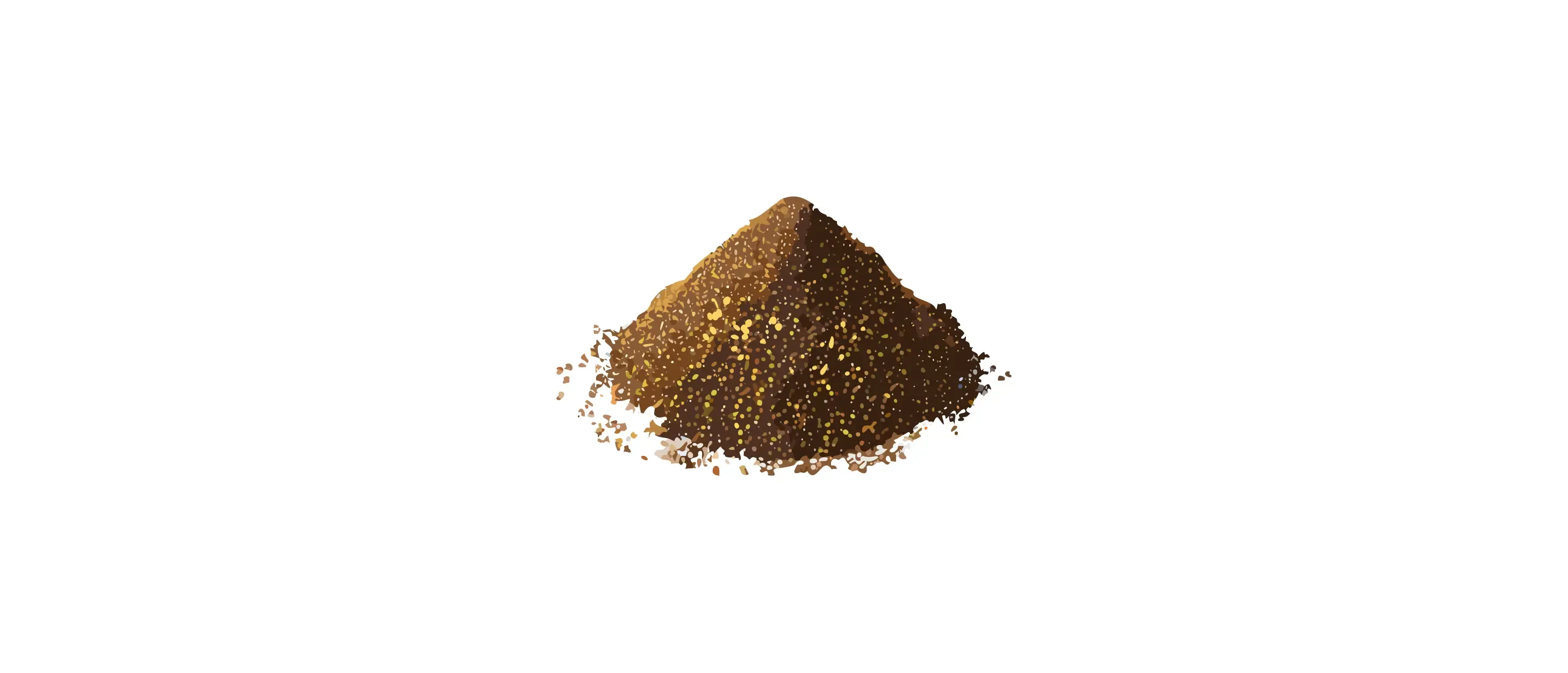
A little nourishment goes a long way. Fertilize your vanilla strawberry hydrangea with a balanced, slow-release fertilizer in early spring to encourage growth and vibrant blooms. Follow the package instructions to avoid overfeeding, which can do more harm than good.
Potting

If you don't have garden space, you have little to worry about. These hydrangeas also do well in pots! Just choose a large container—make sure to select a material that handles low temperatures well, like wood or plastic—with drainage holes to prevent waterlogging, and use a good-quality potting mix.
Pruning
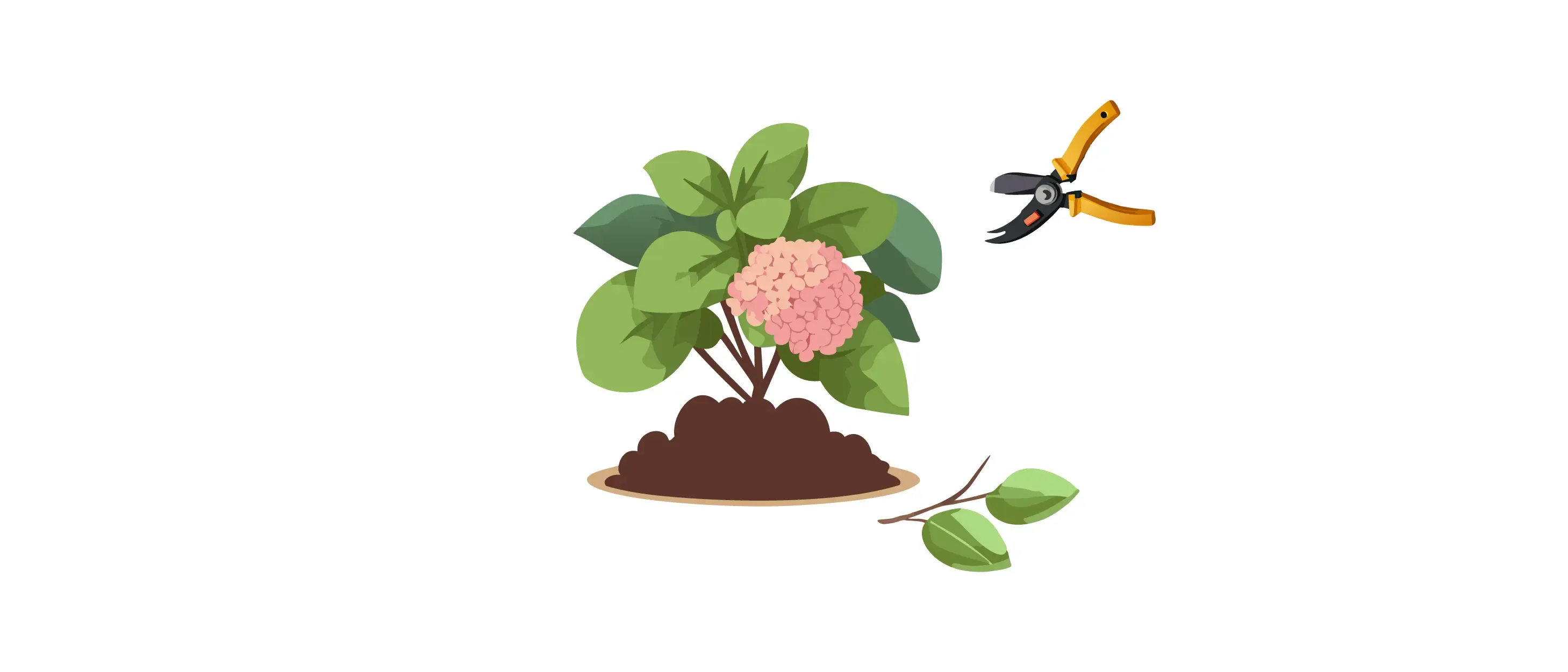
For the shrub form, late winter or early spring is the ideal time for some vanilla strawberry hydrangea pruning, just before the new growth starts. They bloom on new wood, so pruning won't affect the blooms for the coming season.
If you’ve chosen a vanilla strawberry hydrangea tree, which is the same plant trained to grow as a small tree with a single trunk, pruning also helps maintain this unique form. You’ll want to remove any lower sprouts to keep that clean tree trunk and trim the canopy to enhance its shape. This special pruning ensures the focus is on the spectacular blooms atop the tree’s “crown.”
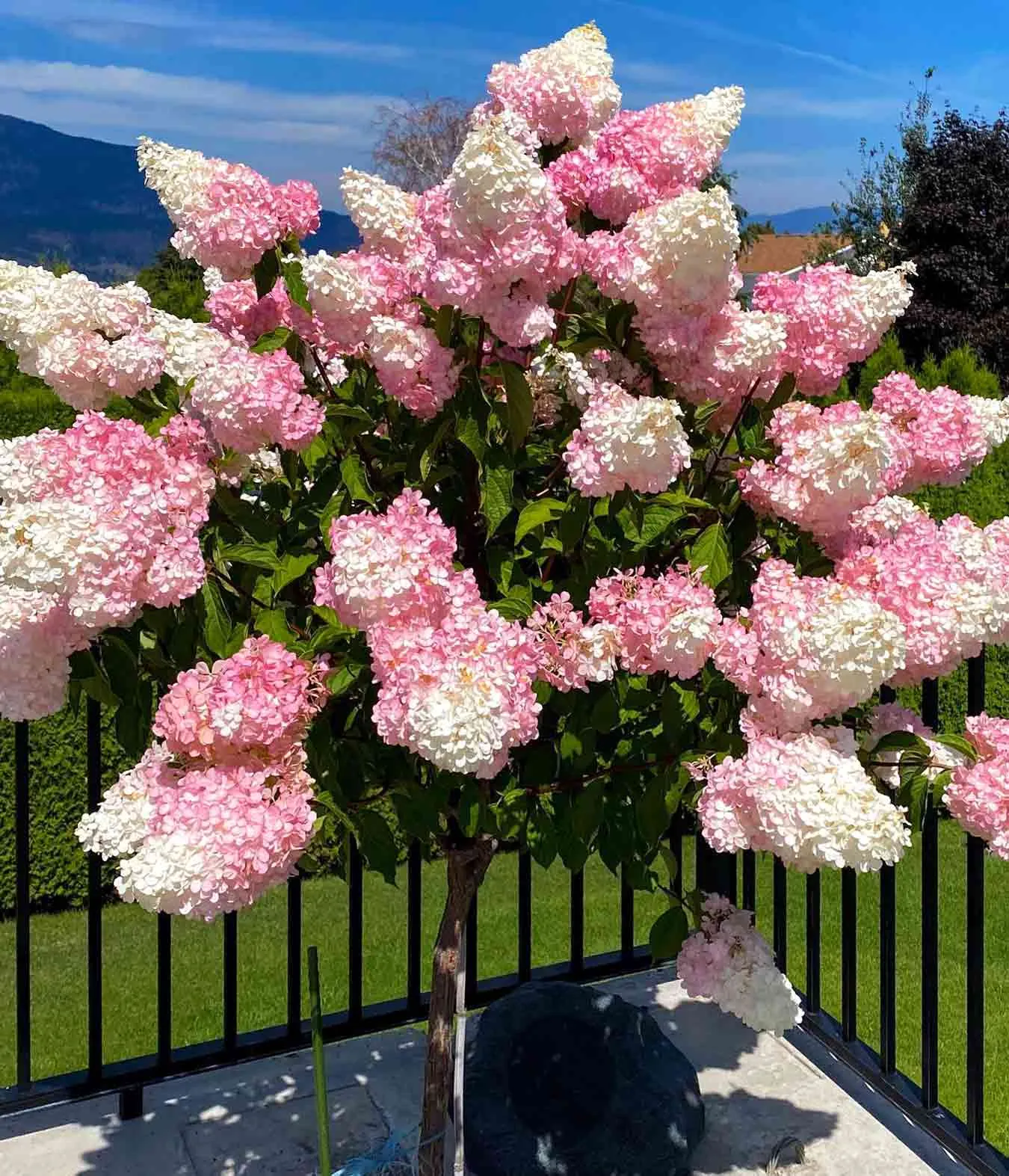
Image credits: Margaret Valley Landscaping
Regular pruning encourages healthy growth and bloom production and gives you the chance to shape your hydrangea into a form that best suits your garden’s aesthetic.
Propagating
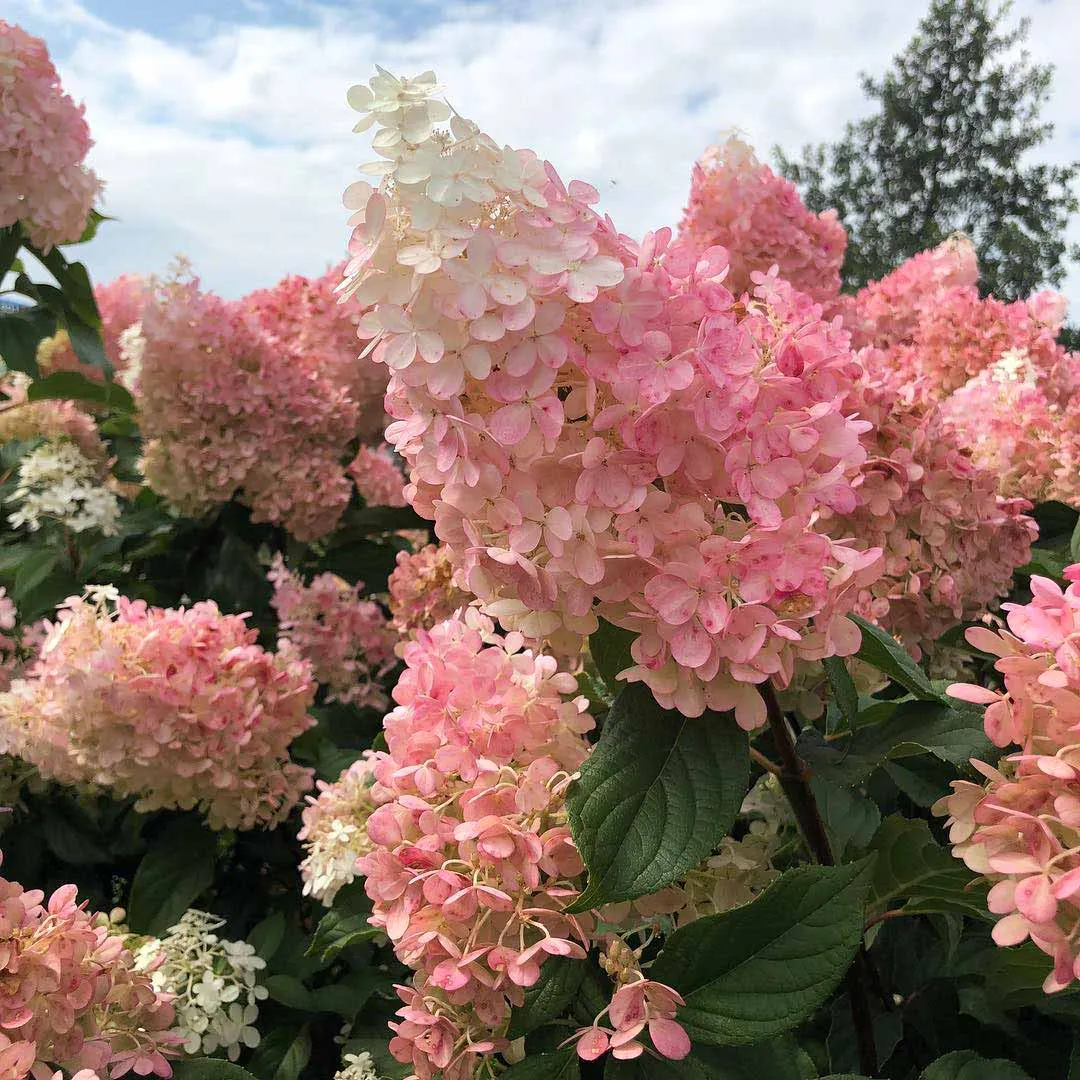
Image credits: mafagogue
While propagating a vanilla strawberry hydrangea isn't impossible, you should keep in mind it’s prohibited. This cultivar is trademarked and copyrighted, and unauthorized propagation is not allowed. If you’re looking to add more of these plants to your garden, the best approach is to purchase them from licensed nurseries or garden centers.
Common Problems
Caring for a vanilla strawberry hydrangea usually goes smoothly, but sometimes, nature throws a curveball in the form of pests and diseases. Here’s a quick rundown on what to keep an eye out for.
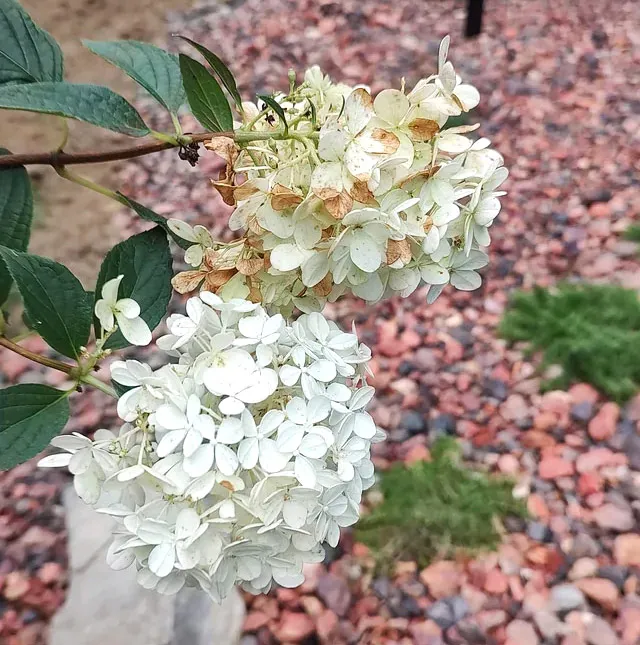
Image credits: KaleidoscopeOk2677
When it comes to diseases, you can keep them at bay by ensuring good air circulation. Spacing your hydrangeas properly from other plants can also make a big difference.
Pests might find your hydrangeas tempting—if you spot them, a timely spray of neem oil will solve the problem.
Deer can be particularly fond of hydrangeas, often targeting the tender flower buds. A bit of protection during winter and early spring can save your blooms. Rabbits tend to leave older plants alone but might nibble on younger ones.
Overwatering can be a sneaky issue, often signaled by yellowing leaves. This symptom can also arise if the plant isn't getting enough light, particularly in the dense inner areas. A few yellow leaves aren't a major concern, though, especially if hidden away inside the plant.
FAQs
How Big Does a Vanilla Strawberry Hydrangea Get?
A vanilla strawberry hydrangea can grow quite impressively, reaching 6–8 feet in height and spreading about 4–5 feet wide.
How Many Years Does It Take Hydrangeas to Grow Full Size?
You can expect your vanilla strawberry hydrangea to reach its full size in about 2–3 years, depending on growing conditions like soil quality, light, and water. With each passing season, you’ll notice it becoming more robust and fuller. Getting a full-grown vanilla strawberry hydrangea tree will take a few years.
Is Vanilla Strawberry Hydrangea Toxic?
Hydrangeas are generally considered to be toxic if ingested. They contain compounds known as cyanogenic glycosides, which can release cyanide when chewed or digested. While severe poisoning is rare, it’s a good idea to keep pets and small children away from these plants.
