






You’re walking on a forest path, admiring the walls of trees alongside you. The fresh air, the chirping birds, the crunch of moss and fallen leaves underneath your feet, the distant gurgling of a stream. It’s paradise on earth. A moment of stillness. A time for…what in the heck is that?!
Strange is an understatement, but calling it weird is mayhaps rude. Fact is—Mother Nature has created a plethora of different living beings, and you’ve now come across not one, not two, but dozens of them! The Instagram page @strangest_wildlife has been sharing, well, the strangest bits of wildlife.
From fluffy to spiky to utterly adorable, and to those that look like your sleep paralysis demon, this page has ‘em all, and we at Bored Panda are privileged to be sharing them with you, our dearest little Pandas. Make sure to vote on your favorites and leave your comments below! Let’s enter this forest of feverish daydreams!
#21 A Salp (Plural Salps) Or Salpa (Plural Salpae Or Salpas) Is A Barrel-Shaped, Planktonic Tunicate
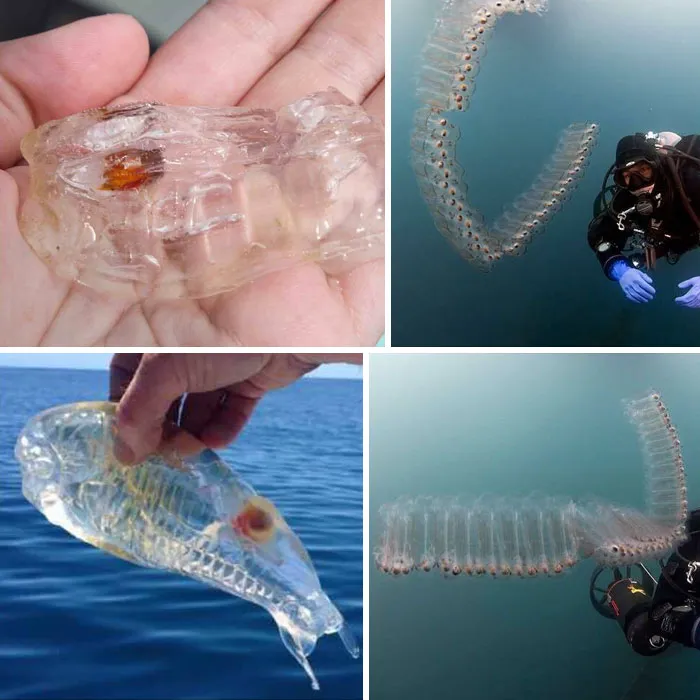
It moves by contracting, thus pumping water through its gelatinous body. Salp jet propulsion is one of the most efficient in the animal kingdom. The salp strains the pumped water through its internal feeding filters, feeding on phytoplankton
Report
133points
#22 The Red-Lipped Batfish Or Galapagos Batfish Is A Fish Of Unusual Morphology Found Around The Galapagos Islands And Off Peru At Depths Of 3 To 76 M (10 To 249 Ft)
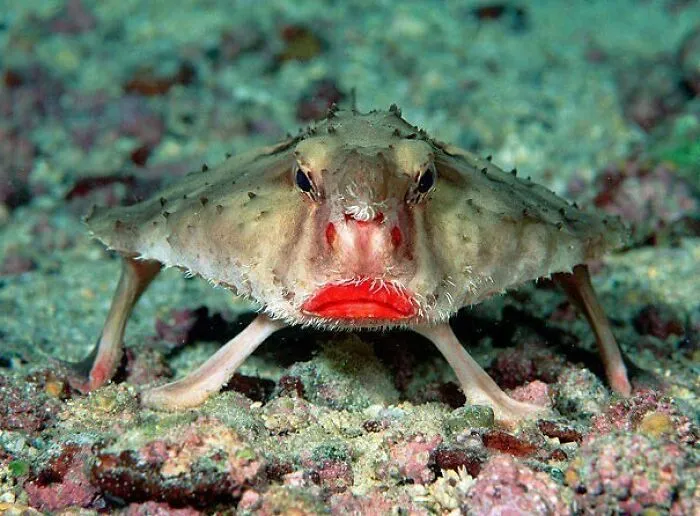
Red-lipped batfish are closely related to rosy-lipped batfish, which are found near Cocos Island off the Pacific coast of Costa Rica. This fish is mainly known for its bright red lips. Batfish are not good swimmers; they use their highly adapted pectoral fins to "walk" on the ocean floor. When the batfish reaches maturity, its dorsal fin becomes a single spine-like projection (thought to function primarily as a lure for prey). Like other anglerfish, the red-lipped batfish has a structure on its head known as illicium. This structure is employed for attracting prey
Report
126points
#23 The Venezuelan Poodle Moth
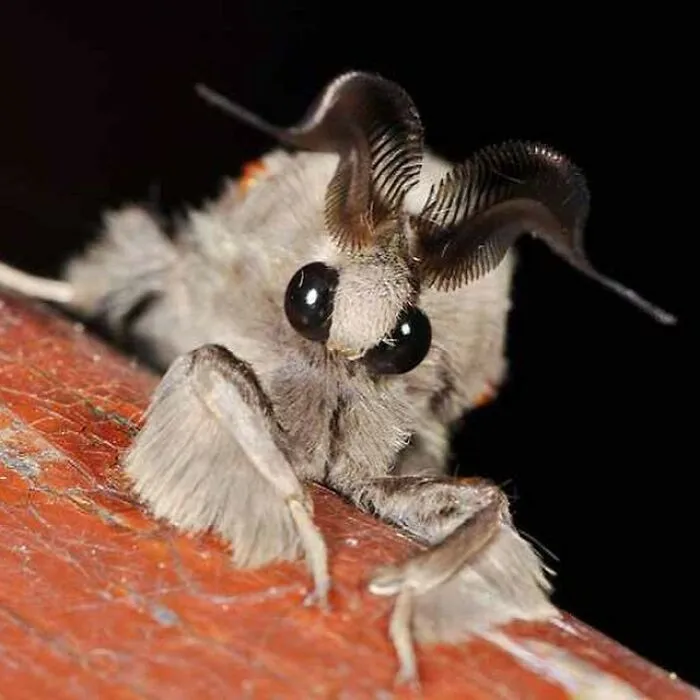
Very little is known about this moth but it is a possible new species of moth discovered in 2009 by Dr. Arthur Anker of Bishkek, Kyrgyzstan, in the Gran Sabana region of Venezuela. It bears similarities to the Muslin Moth, but most likely belongs to the lepidopteran genus Artace
Report
126points
#24 The Tufted Deer Is A Small Species Of Deer Characterized By A Prominent Tuft Of Black Hair On Its Forehead And Fang-Like Canines For The Males
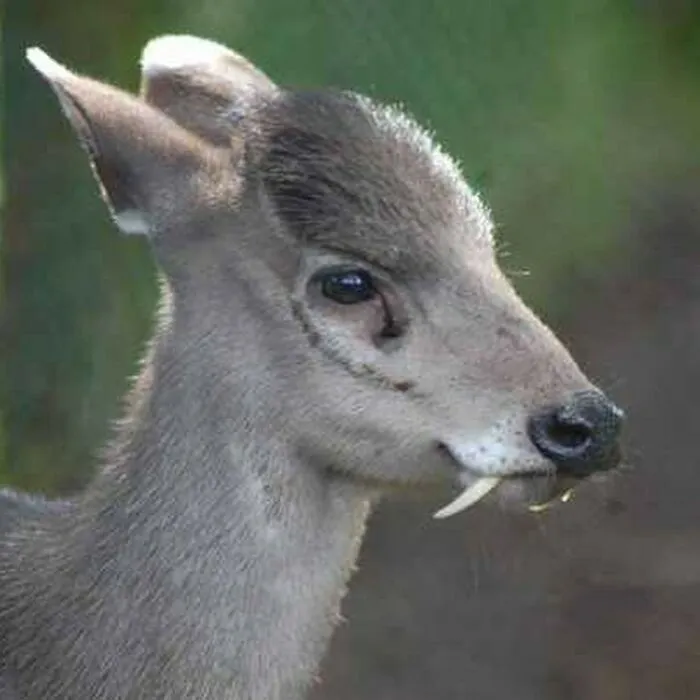
It is a close relative of the muntjac, living somewhat further north over a wide area of central China northeastern Myanmar and have been recently seen in Afghanistan after it last appearance 60 years ago. Although suffering from overhunting and habitat loss, this deer is not considered to be endangered. It is restricted to forested mountain habitat up to 4500 m above sea level, making study difficult
Report
123points
#25 The Aye-Aye Is A Lemur, A Strepsirrhine Primate Native To Madagascar That Combines Rodent-Like Teeth And A Special Thin Middle Finger To Fill The Same Ecological Niche As A Woodpecker
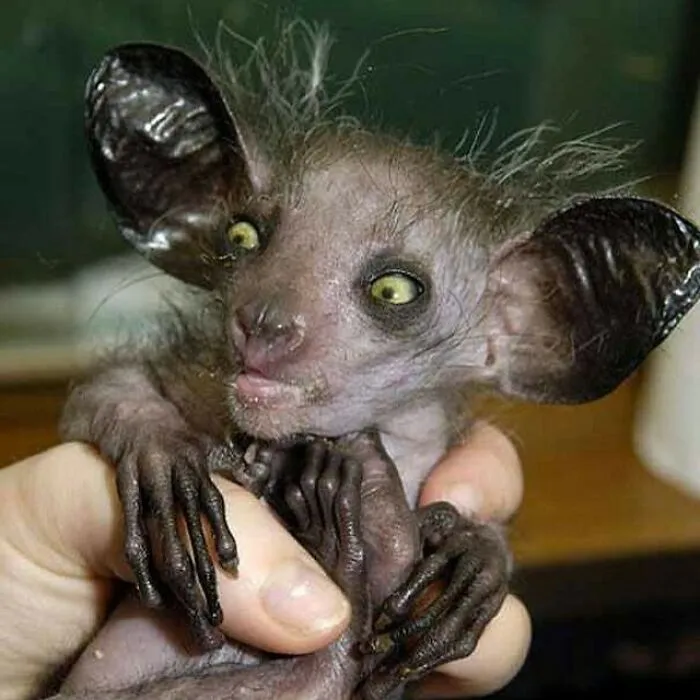
It is the world's largest nocturnal primate, and is characterized by its unusual method of finding food; it taps on trees to find grubs, then gnaws holes in the wood using its forward slanting incisors to create a small hole in which it inserts its narrow middle finger to pull the grubs out. This foraging method is called percussive foraging. The only other animal species known to find food in this way is the striped possum. From an ecological point of view the aye-aye fills the niche of a woodpecker, as it is capable of penetrating wood to extract the invertebrates within
Report
123points
#26 The Thorny Dragon Or Thorny Devil Is An Australian Lizard, Also Known As The Mountain Devil, The Thorny Lizard, Or The Moloch
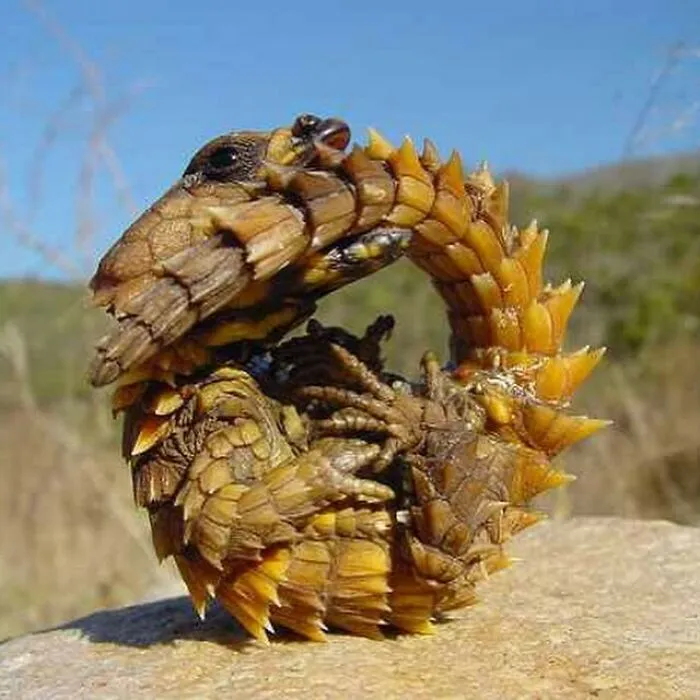
This is the sole species of genus Moloch. The thorny devil grows up to 20 cm (8.0 in) in length, and it can live for up to 20 years. Most of these lizards are coloured in camouflaging shades of desert browns and tans. These colours change from pale colours during warm weather and to darker colours during cold weather. These animals are covered entirely with conical spines that are mostly uncalcified
Report
117points
#27 Flower Mantises Are Those Species Of Praying Mantis That Mimic Flowers
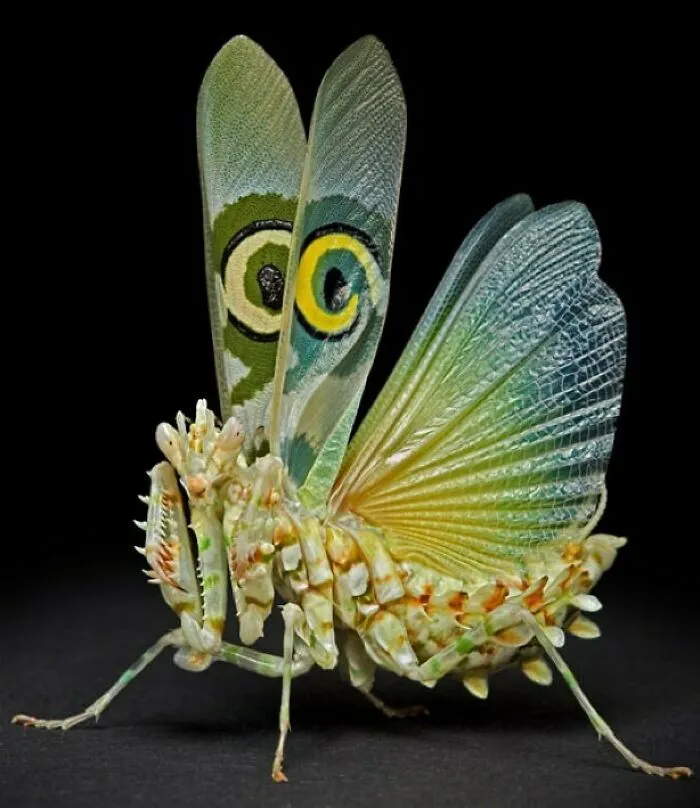
Their coloration is an example of aggressive mimicry, a form of camouflage in which a predator's colours and patterns lure prey. Most species of flower mantis are in the family Hymenopodidae. Their behaviour varies, but typically involves climbing a plant until they reach a suitable flower, and then staying still until a prey insect comes within range. Many of these mantises have deimatic displays to startle or put off potential predators
Report
114points
#28 Puss Mouth Catepillar: The Larvae Of The Puss Moth Caterpillar Is Said To Resemble A Persian Cat, Contributing The “Puss” To The Name Of This Intimidating Caterpillar
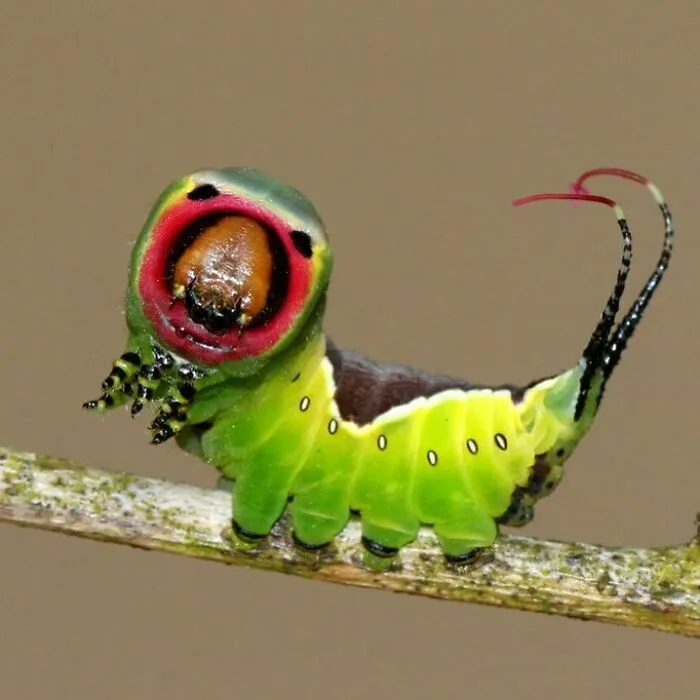
If the off-putting appearance of this insect were not enough, it also happens to be one of the most toxic caterpillars in North America
Report
109points
#29 The Atlantic Wolffish Is Also Known As The Seawolf, Atlantic Catfish, Ocean Catfish, Devil Fish, Wolf Eel
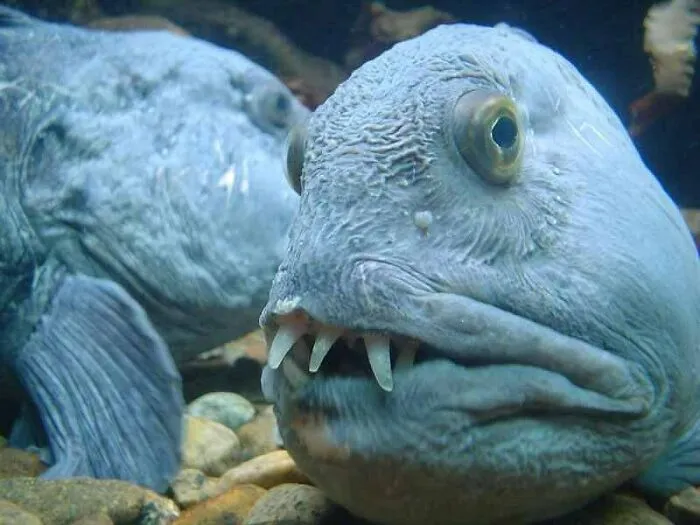
Numbers of the Atlantic wolffish are diminishing rapidly thought to be due to overfishing, they live in cold waters and have a natural antifreeze in their blood
Report
108points