




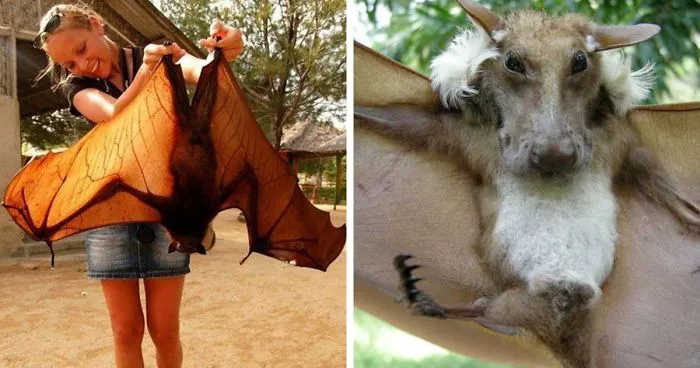

Even if the current events that have shaken our lives lately have made you think otherwise, bats are really amazing animals. First of all, they are the only mammals that can fly and they are exceptional at it! Also, one-quarter of all mammals are bats. There are over 1,300 species of them, so you can only imagine how many of them are residing on the earth. And if you think that all those creatures are up to no good, you couldn't be more wrong. In fact, many of them make our planet a bit better for everyone to live on. For instance, bats are excellent pest exterminators. Thanks to their habit of snacking on various insects, they help farmers reduce pesticide use. Scientists have estimated that bats in the United States save somewhere between $3.7 and 54 billion in pest control services every year. Fewer pesticides mean less environmental pollution and more food produced for us.
If that's not enough to make you appreciate bats, there's more. Many of the bats out there eat nectar and by doing so, they pollinate plants. As it turns out, they pollinate over 700 plants and we use a lot of those for medicine and food. Furthermore, fruit bats are also responsible for seed dispersal, which helps to regrow forests. Researchers estimated that one square meter of the rainforest floor on average may contain 12-80 bat-dispersed seeds each year. Let's not forget that scientists have studied the chemical from vampire bats' saliva and used it to develop medicine that helps humans who suffer from blood clots and strokes.
Another impressive fact about bats is that these flying mammals can lead long lives. One of the reasons why is because they are able to tolerate viruses, but they carry a lot of them. Bats have been considered patient zero of many viruses affecting humans, such as Ebola, rabies, and the SARS-CoV-2 strain of the virus which causes COVID-19. Although it's easy to think that we've found the culprit of all our misery caused by the pandemic, bats aren't really to blame. According to the epidemiologist and bat researcher Sarah H. Olsen, we can only blame ourselves. "The bats themselves are not to blame for COVID-19. Viruses circulating in undisturbed wild bats pose no threat to human health. The cause of this spillover is related to human behaviors and activities that breach natural boundaries," the scientist said.
While it still remains unclear how the virus began to spread, we know one thing—it didn't happen without human intervention. According to scientists, disturbing animal habitats is usually what causes the transfer of zoonotic diseases (those passed from animals to humans). Increasing contact with wildlife may lead to even more deadly zoonotic diseases. So, as long as we stay away, bats pose no threat to humans.
However, if the risk of deadly viruses is not enough to make us leave them alone, there's another one. Some of these mammals are creepy as hell. From haunting vampire bats to odd-looking horseshoe bats, these animals are set to spook even the bravest ones. If you're ready to get to know the not-so-cute species of bats, scroll down below for the list!
#21 White-Winged Vampire Bat
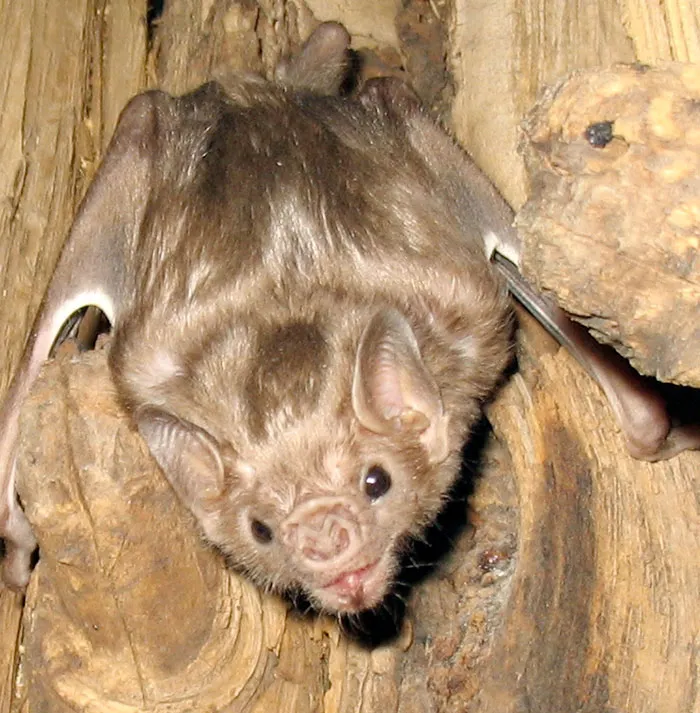
This member of the vampire bat species can be found in South America and in some areas of North America. While their preferred prey source is birds, these bats also prey on other mammals like goats, cattle, pigs, and chickens. They detect prey with heat sensors located in their faces.
Report
70points
#22 Pygmy Round-Eared Bat
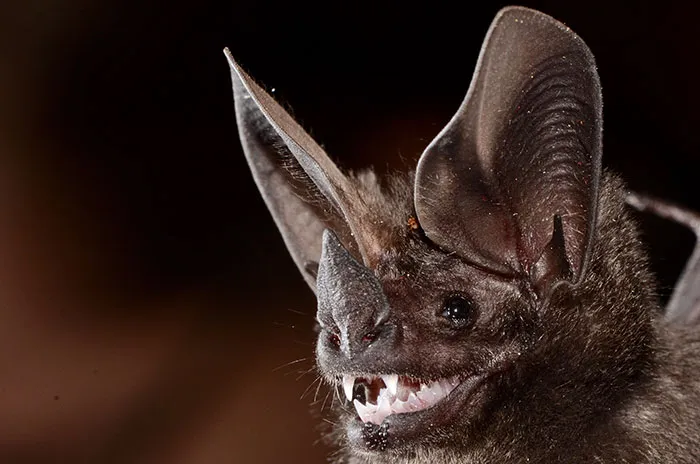
The pygmy bat, which is native to South and Central America, is an insectivorous bat that may sometimes consume fruit. This relatively common bat is classified as a least concern species by the IUCN.
Report
70points
#23 Rufous Horseshoe Bat
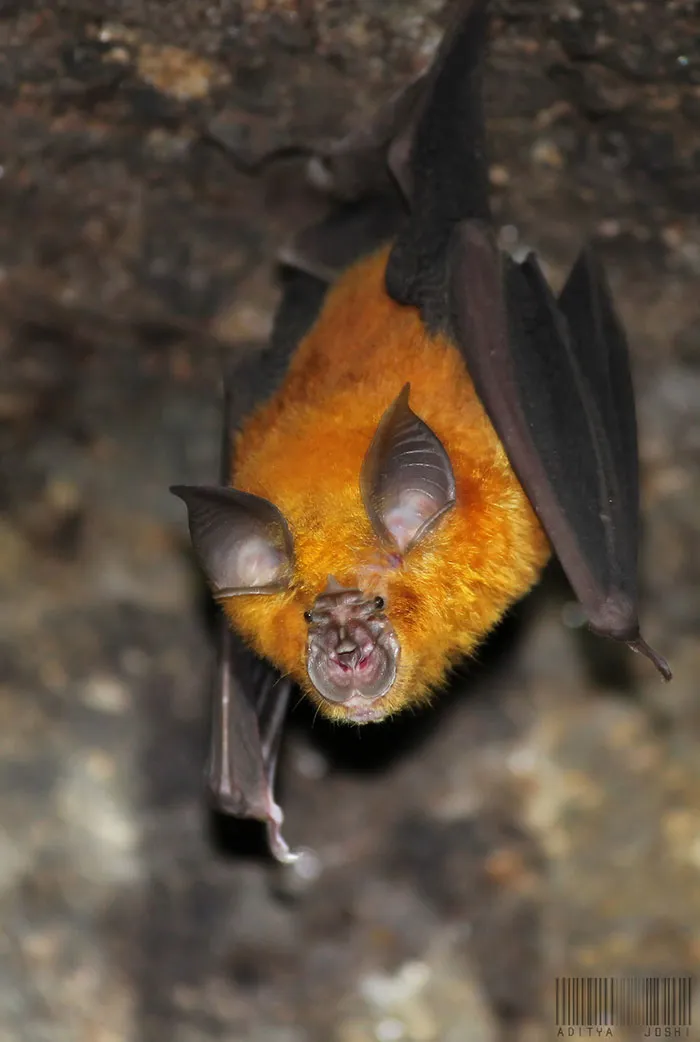
This bat with bright-colored fur and a leaf-shaped face can be found in China, India, Myanmar, Nepal, Sri Lanka, and Vietnam.
Report
67points
#24 Ghost-Faced Bat
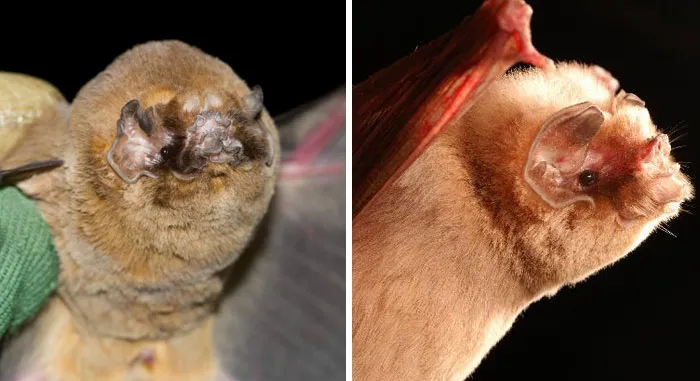
Ghost-faced bats are not the most fun to look at. Honestly, it's hard to even fathom what's going on with that little face. Yet, they are still cute-looking creatures. These bats can be found inhabiting areas of southern New Mexico, Texas, Arizona, Mexico, and Central America.
Report
66points
#25 Greater False Vampire Bat
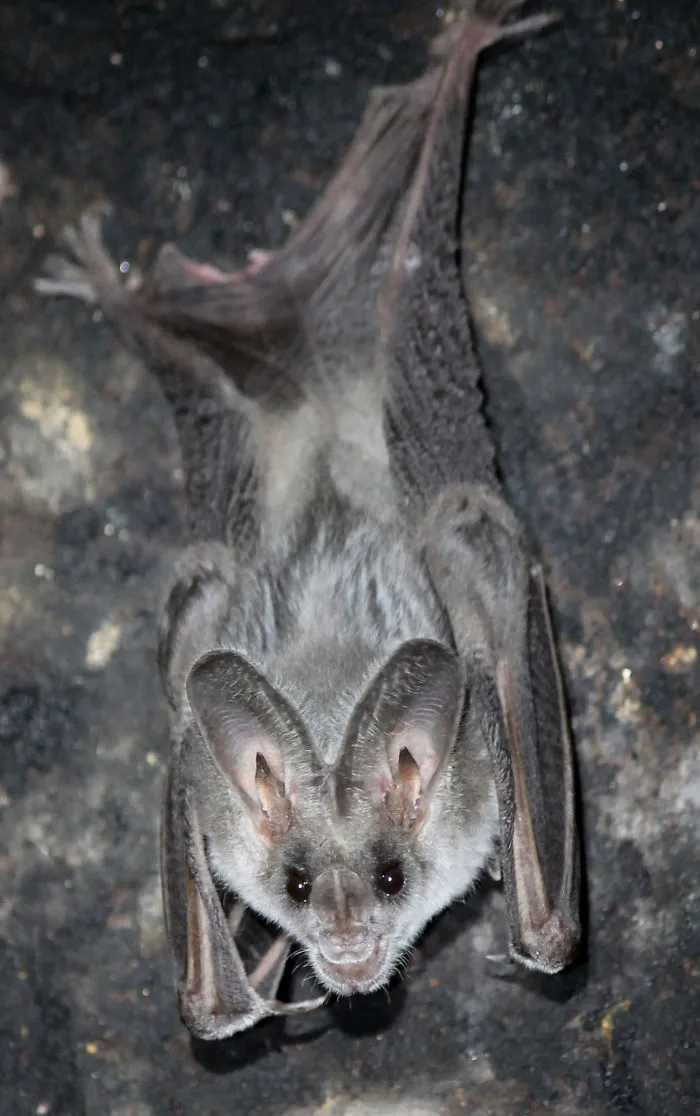
The greater false vampire bat is a determined carnivore. It can capture prey from both ground and water, hunts from dusk till dawn, and can travel up to 4 kilometers. They prefer to feast on small birds, reptiles, fish, and large insects, and even other bats.
unknown
Report66points
#26 Big-Eared Woolly Bat
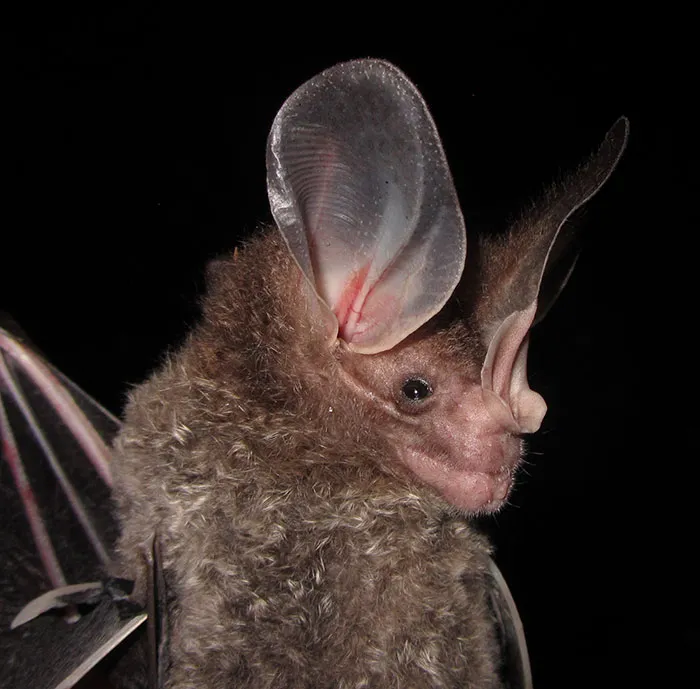
Big-eared woolly bats are considered large, ranging from 100 to 112 mm in size. These industrious animals are known to help disperse seeds and keep insect populations under control, lowering the need for insecticide.
Report
66points
#27 Ghost Bat
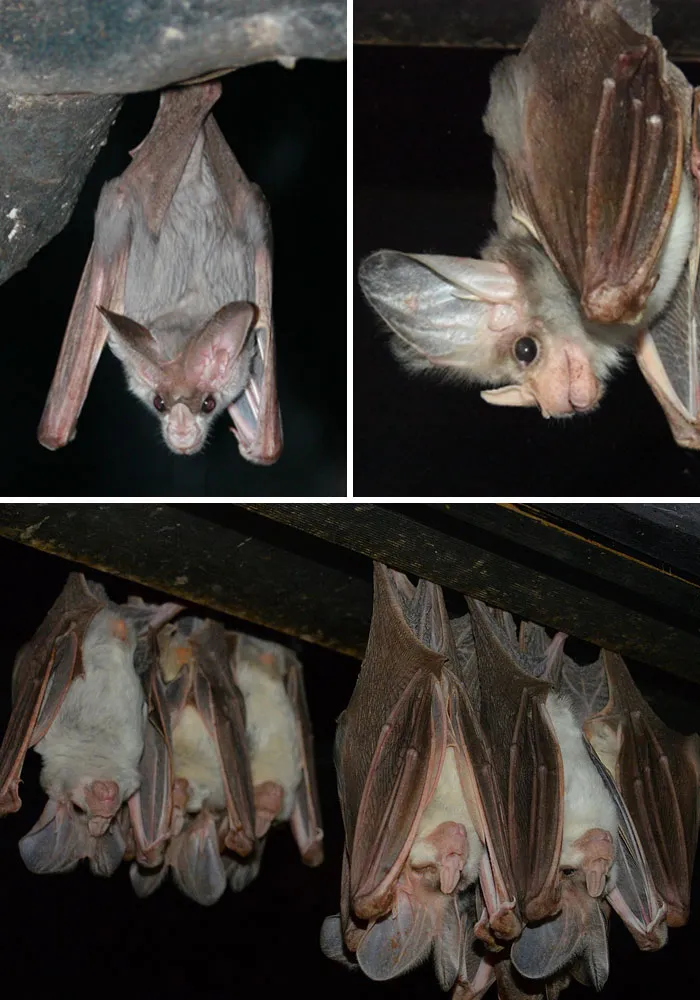
Unsurprisingly, ghost bats, also known as “false vampire bats,” can only be found in Australia. No matter how spooky they look, they are harmless—but only to humans. This species preys on large vertebrates, such as birds, reptiles, and other mammals. Ghost bats take their prey off the ground by enveloping it with their wings and killing with bites to the neck.
Report
63points
#28 Smaller Horseshoe Bat
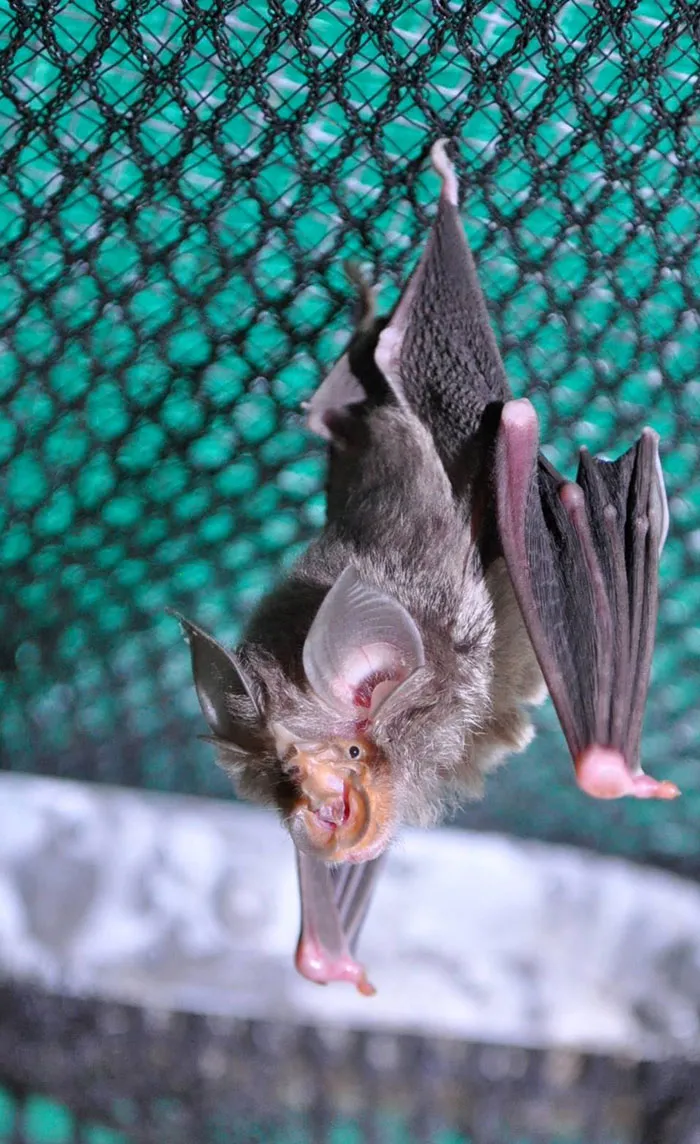
This peculiar creature is called a smaller horseshoe bat and can be encountered in Australia and Papua New Guinea. Horseshoe bats weigh around 7 to 13 grams and are only 44–53 millimeters in length.
Report
63points
#29 Jamaican Fruit Bat
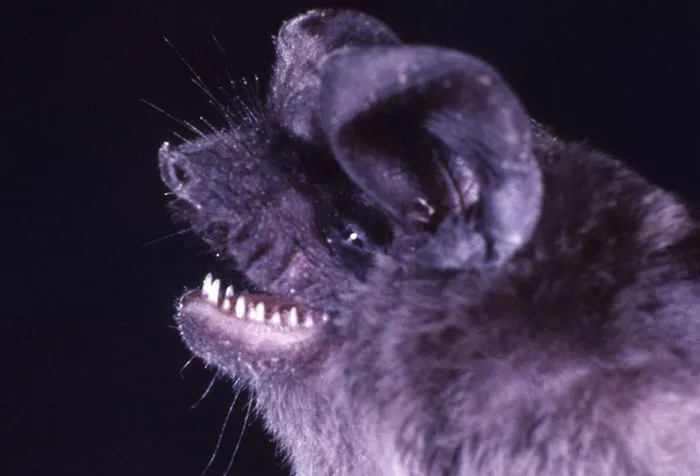
The Jamaican fruit bat can be found in Mexico, through Central America to northwestern South America, as well as the Greater and many of the Lesser Antilles. This medium-sized bat has a length of 78–89 mm and no tail.
unknown
Report60points
#30 Lesser Mouse-Tailed Bat
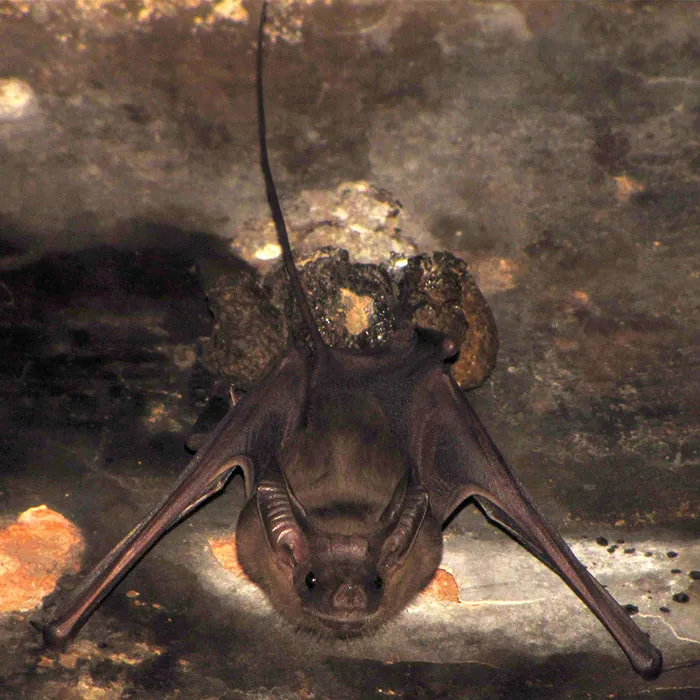
The lesser mouse-tailed bat looks a little like a mouse, except a lot creepier. It is covered in soft fur all over its body, but not on its face, rear abdomen, or rump. This bat prefers to inhabit deserts, thus it is most commonly found in Thailand westward through Burma, India, Pakistan, and Iran.
Report
58points