




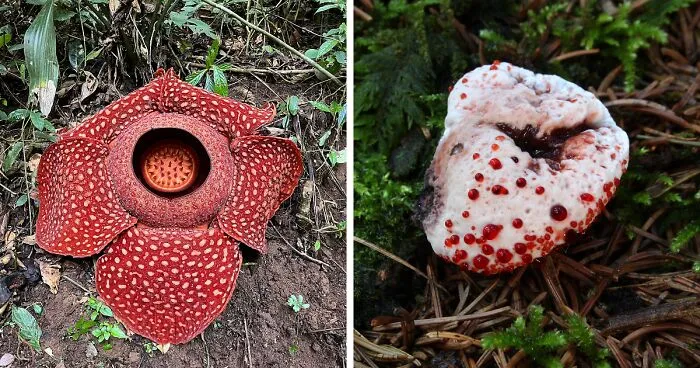


Okay, so if we can agree that some animals are pretty damn weird, then we can also agree that some plants are even weirder than their weirdest living counterparts. Oh yeah, it’s going to get kooky in here pretty soon! And, the best part is, you don’t really have to be a botanist to appreciate the weird plants on our list, for their strangeness is pretty darn obvious.
So, why on earth do these strange plants exist? Well, for starters, to mock us mere humans. On a more serious note, though, evolution and adaptations to specific environments are to blame here. And look at it how you wish; these cool plants went one step ahead when it came to adapting to their living circumstances. All the better for us because this way, we can collect all these wonderful plants in one place and create this spooky list!
Of course, some of these plants are also quite innocent-looking, with bright flowers, silky leaves, or whatnot. That is until you try touching them or eating them - then you might find yourself wishing you hadn’t trusted a beautiful plant for its pretty colors!
And lastly, some of these spooky plants are neither toxic nor ominous-looking, and it’s us humans who gave them freaky meanings or scary prehistories. Just wait until you read about everyone’s beloved basil and see how a pizza sauce will never be the same after.
So, ready to dive into the world of strange-looking plants? If so, you know what to do here! One thing, though - the submissions are in no particular order as of right now, so don’t forget to rank these cool plants by their strangeness!
#21 Lithops (Genus Lithops)
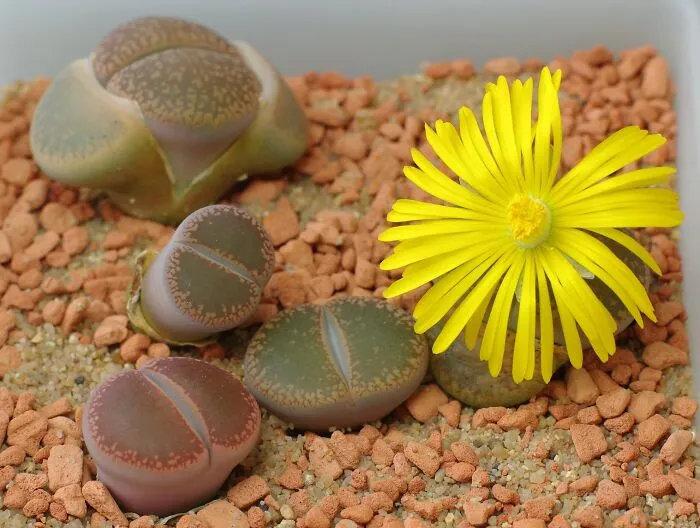
As a plant that closely resembles pebbles or stones, lithop is sometimes referred to as "living stones." In actuality, the fusion of two distinct leaves at the plant's outer borders is what gives it its distinctive appearance. The lithop plant's leaves develop during the extremely rainy season. The majority of these highly bizarre plant species are found in South Africa.
Report
7points
#22 Cockscomb (Celosia Argentea Var. Cristata)
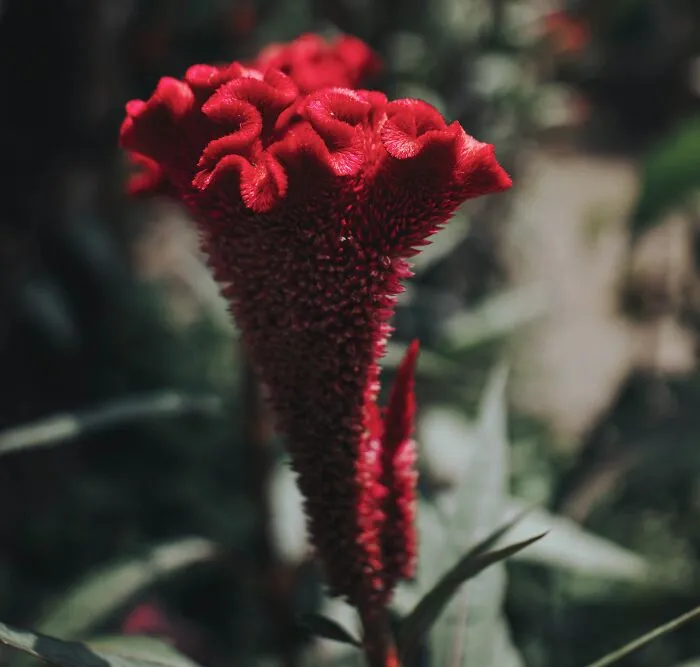
The dense, brain-like blossoms on this bushy plant have earned it the names wool flowers or brain celosia. Cockscomb has a long history in traditional medicine and has been used to cure everything from headaches to menstrual cramps despite its unsettling appearance.
Report
6points
#23 Basil (Ocimum Basilicum)
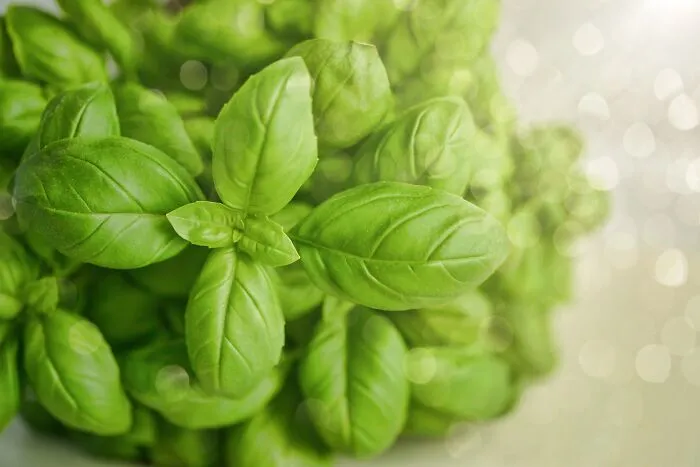
Although it may now be more frequently linked with sauce than wizardry, this ubiquitous kitchen herb wasn't always used in that way. Basil is connected to hatred in Victorian floriography, the practice of assigning codes to flowers to transmit messages via bouquets and arrangements. This connection was made by the ancient Greeks, who thought the plant's leaves resembled the gaping jaws of a basilisk. Maybe next time you'll think twice before adding this foul herb to your friend's pizza.
Report
6points
#24 Cobra Lily (Darlingtonia Californica)
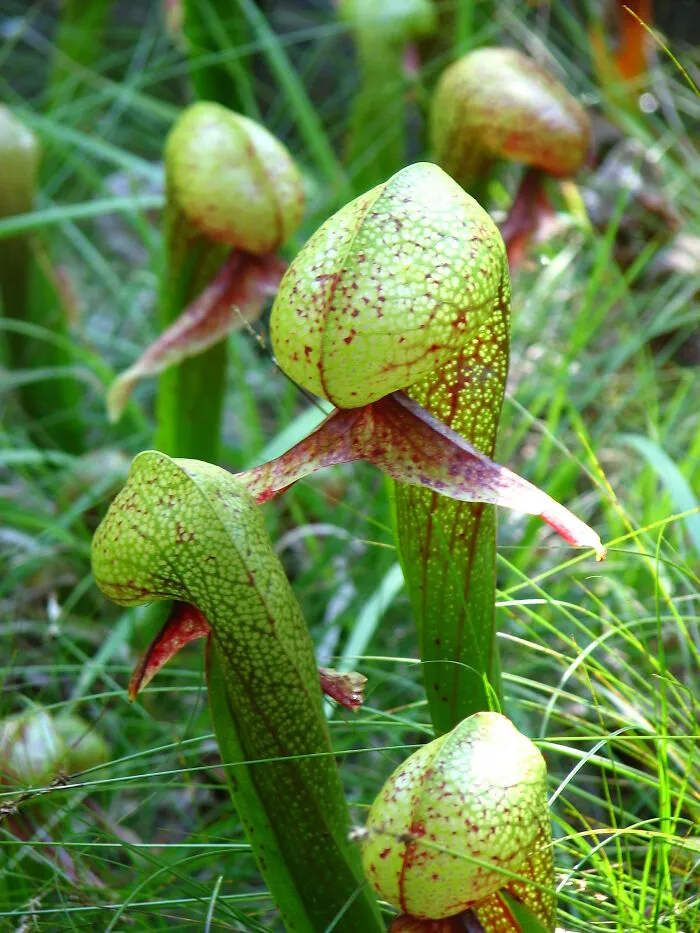
The cobra lily, also known as the Californian pitcher plant, is a carnivorous plant that thrives in bogs and is arguably the cutest of the frightening items on this list. It gets its name from the way its forked leaf and tubular tip mimic the tongue and hood of a cobra, respectively. Insects are drawn in by the plant, afterwards they are trapped because they are unable to escape due to light streaming through the translucent hood. The bug only travels in one direction thanks to its downward-facing hairs.
Report
6points
#25 Black Magic (Colocasia Esculenta 'Black Magic')
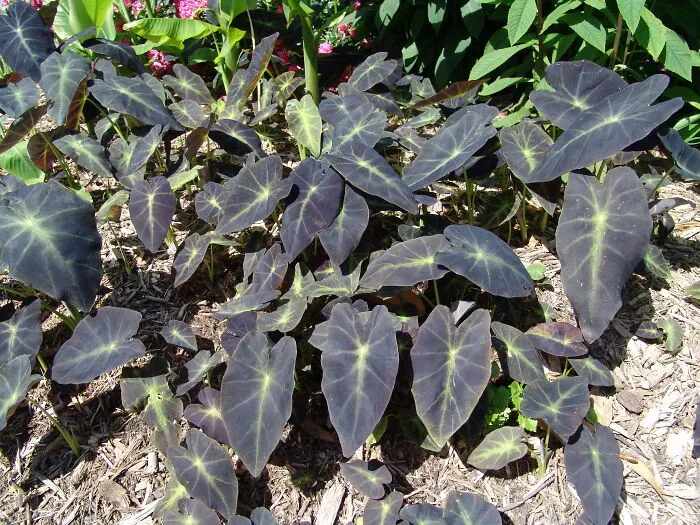
The taro plant's strangely colored leaves are bred expressly for their look. This evergreen shrub can reach a height of 1.8 meters and is also known as black elephant ears, which are less terrifying. Black magic is a relatively simple plant to grow, making it a great Halloween addition to your yard.
Report
6points
#26 Ghost Plant (Monotropa Uniflora)
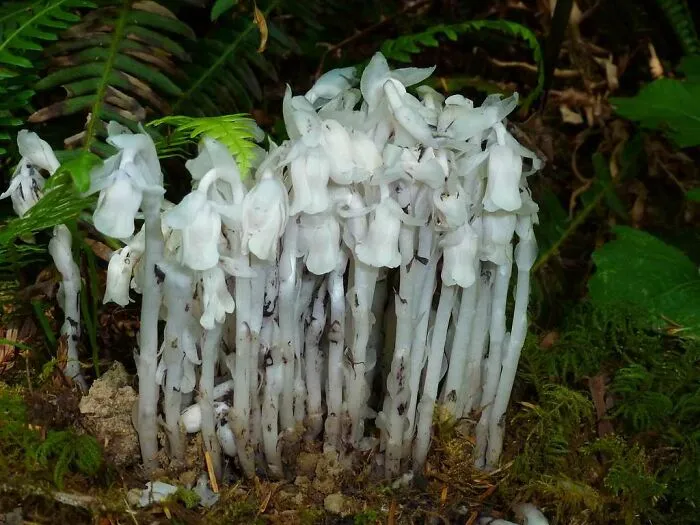
The nickname "ghost plant" comes from its peculiar coloration. Due to its symbiotic association with fungi, where it obtains its sustenance through parasitism, it fully lacks chlorophyll and does not require photosynthesize. This enables it to thrive in the deepest woodlands and give forth an ethereal glow.
Report
6points
#27 Hydnora (Hydnora Africana)
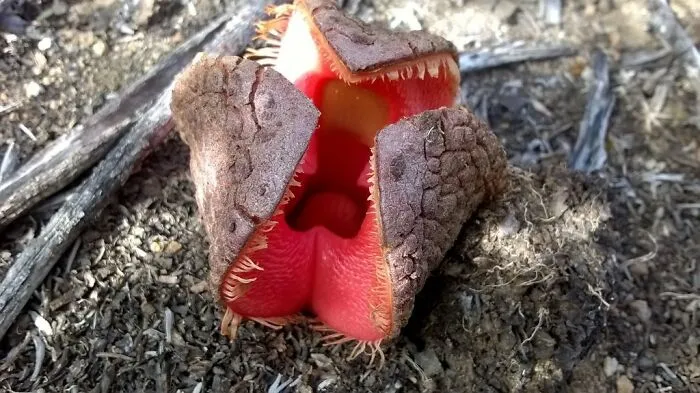
The hydnora resembles a refugee from a science fiction film, yet it is actually from Earth, more specifically, southern Africa. Except for the blossom, it is a parasite that attaches to the roots of other plants and develops fully underground. The hydnora attracts beetles with a fragrance resembling dung, which it captures but does not kill. Until the flower is fully grown, it holds the beetles before releasing them.
Report
6points
#28 Hammer Orchid (Drakaea Glyptodon)
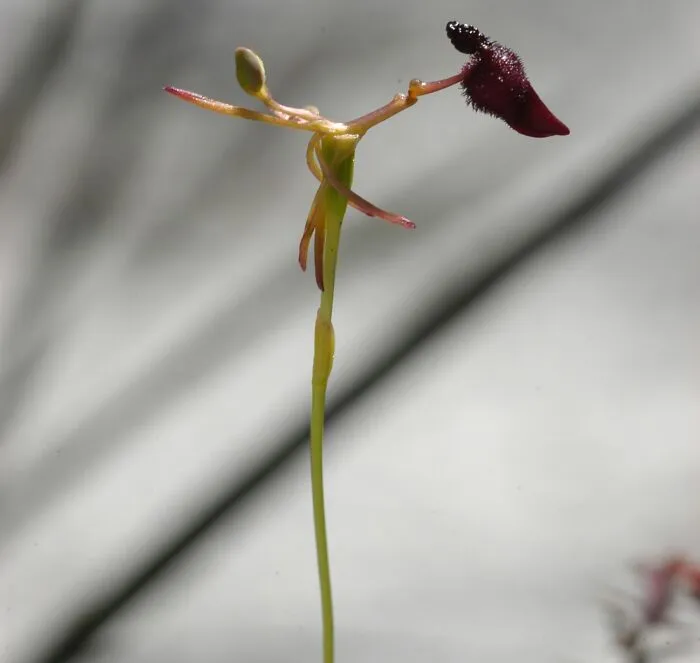
Western Australia's swampy regions and moist, sandy soil are where you can find the hammer orchid, also known as the King-in-his-Carriage. The plant releases compounds called pheromones, which attract male wasps who might mistake the orchid for a female wasp and change their behavior. The plant, which the male tries to grab, becomes pollen-covered.
Report
6points
#29 Flypaper Plant (Pinguicula Gigantea)
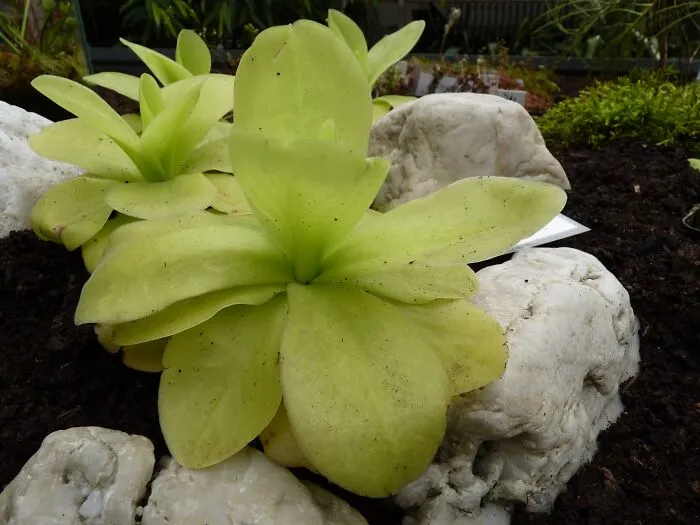
Butterworts, often known as flypaper plants, have an ethereal green radiance that conceals their aggressiveness. The tropical plant begins consuming everything that lands on its leaves after grabbing it. Gnats and mosquitoes are among the creatures caught on its sticky surface.
Report
6points
#30 Porcupine Tomato (Solanum Pyracanthum)
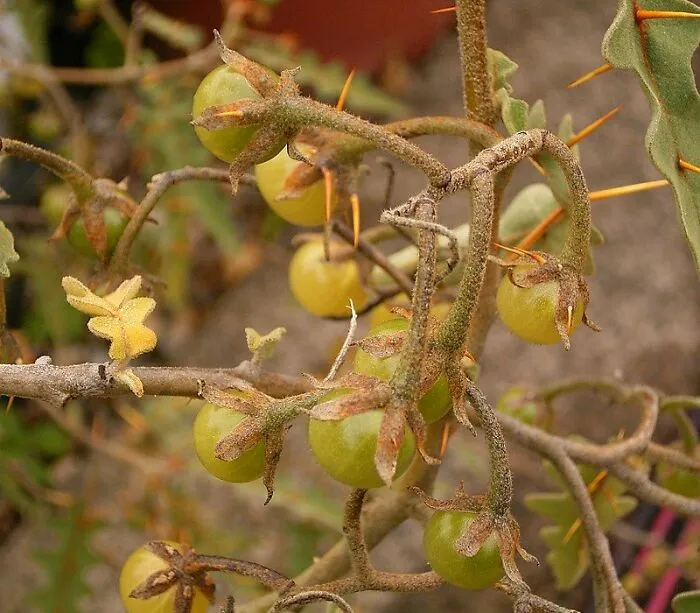
The porcupine tomato is a weed that grows in Madagascar and on islands in the western Indian Ocean. It is coated in huge, spiky, toxic thorns that are orange in color. This weed can form up to five-foot-tall bushes. Because of its poisons, the entire plant could be harmful to humans.
Report
6points
#31 Golf Ball (Mammillaria Herrerae)
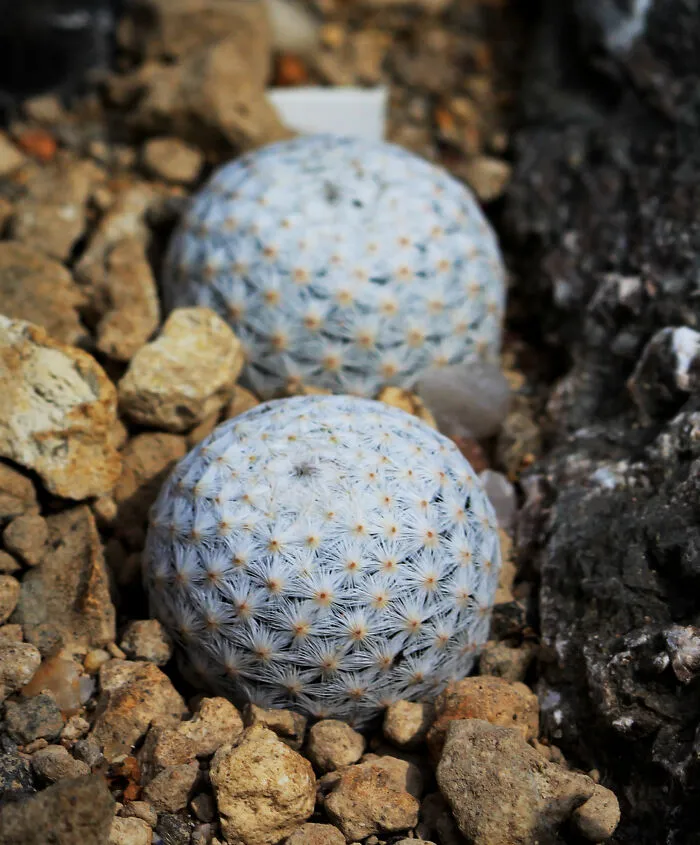
The golf ball plant is a white-colored cactus that resembles a golf ball, although one that landed far from its intended goal, and is found in the mountains of central Mexico. The plant's spiky features help to protect it from the sun. The pink-flowered plant is a favorite among botanists looking for unusual plant specimens.
Report
6points
#32 Swaddled Babies (Anguloa Uniflora)
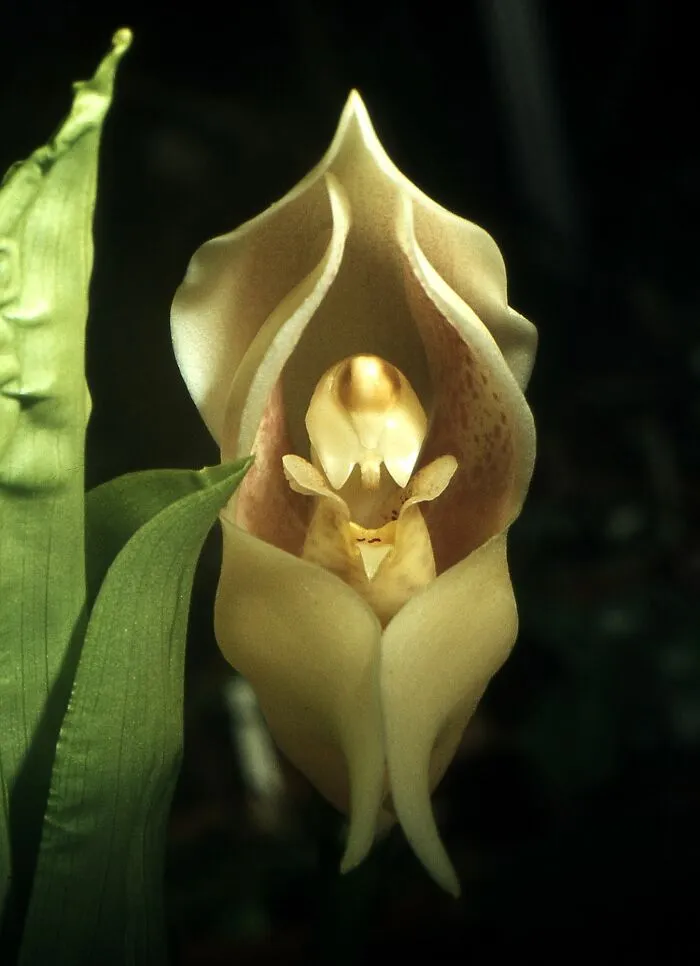
This orchid was discovered in the late 18th century in the Andes Mountains. When the flower blooms, the interior of the plant looks like tiny children wrapped in blankets. The flower with creamy white petals, sometimes known as a tulip orchid, reaches a height of around 2 feet and smells like cinnamon.
Report
6points
#33 Japanese Blood Grass (Imperata Cylindrica)
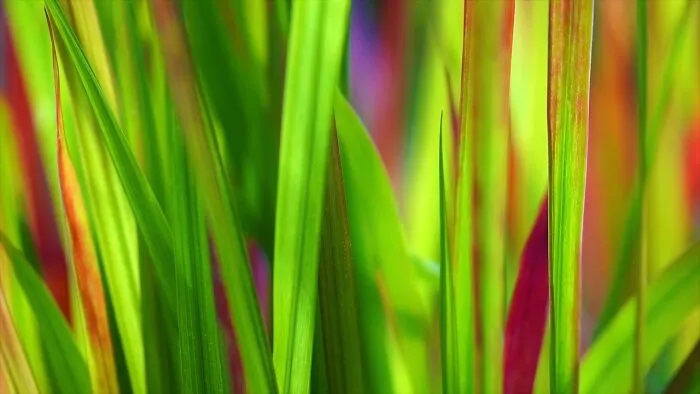
Japanese blood grass, also known as cogon grass, gets its name from its blood-red spikes. Japanese crimson grass is a perennial that attracts gardeners because of its vivid color. However, any form of cogon grass without red tips is extremely invasive, so take caution. Additionally, it is highly flammable, burning at temperatures higher than those of natural grasses, which can cause wildfires.
Report
5points
#34 Witches' Hair (Cuscata)
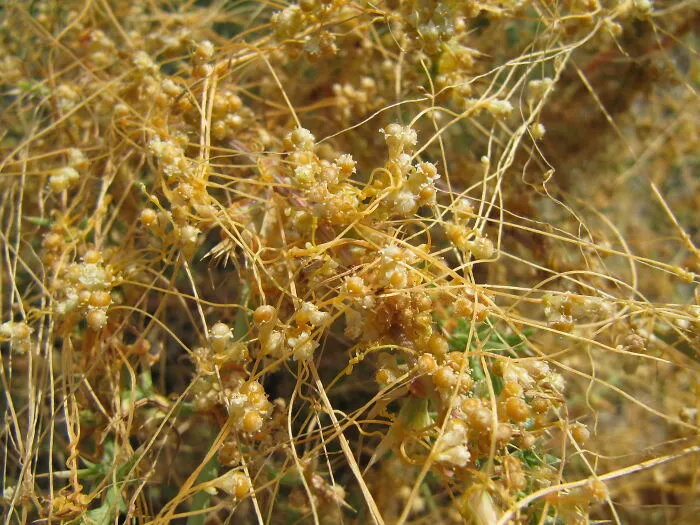
Witches' hair (Cuscata), also known as strangle weed and dodder, which is definitely a less ominous name, is a genus of more than 200 parasitic plants. Although it is native to tropical regions, it can also be found in temperate regions, including the UK. A mass of spaghetti-like green, brown, or orange growth that hangs from other trees is frequently used to identify cuscata.
5points
#35 Water Caltrop (Trapa Natans)
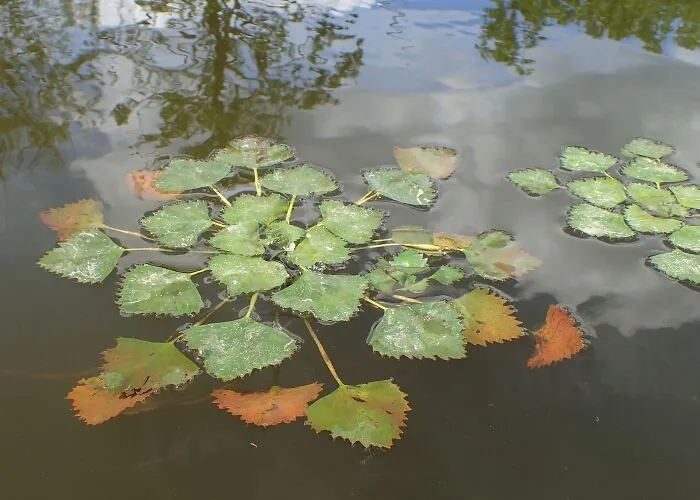
The edible fruit of the water caltrop, often called water chestnuts, is produced by an aquatic plant. It also goes by a number of other names, including mustache nut, buffalo nut, and bat nut. For thousands of years, China has employed water caltrops for a number of uses. The water caltrop is regarded as a species that is on the verge of extinction in various regions of the world, including Germany.
5points
#36 Tree Tumbo (Welwitschia Mirabilis)
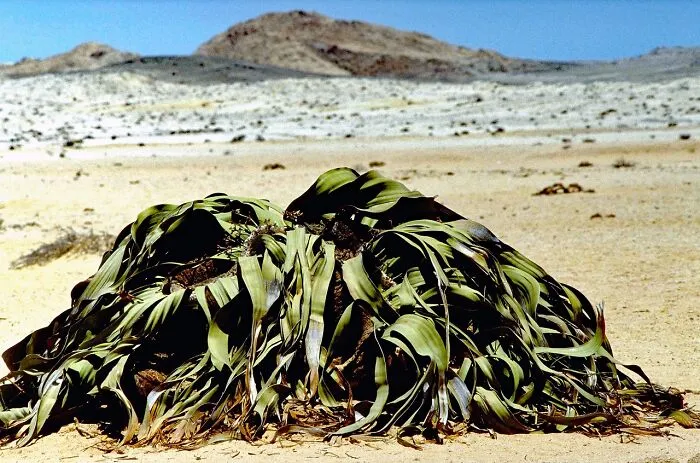
Only in Namibia's desert can one find the rare plant Welwitschia Mirabilis. This peculiar-looking plant has an estimated lifespan of 500–1500 years. It can withstand a variety of severe weather conditions. Welwitschia's single plant with two continuously expanding leaves is its most intriguing feature. Additionally, this peculiar species has different plants for females and males.
Report
5points
