


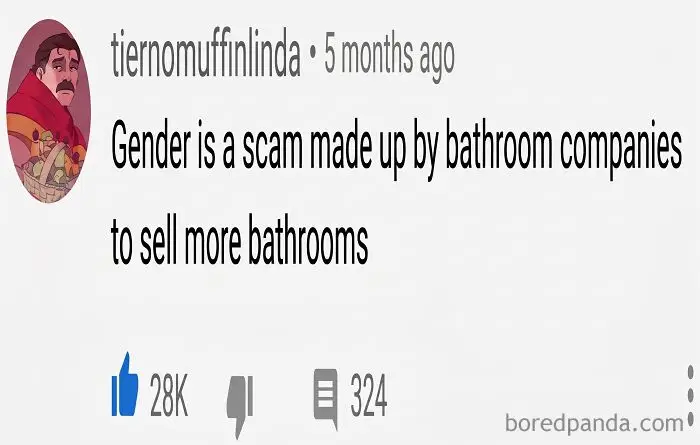
Memes were born in a university, not on a message board. Evolutionary biologist Richard Dawkins coined the word in his 1976 book The Selfish Gene, and this history of the word explains that he meant something quite different from what we picture today. He was describing ideas, tunes, and habits that hop from one person to another through imitation, the same way genes travel through a population.
Nobody was imagining cats with captions. The internet picked up the term later, and Science Friday points to a 1994 opinion piece in Wired by Mike Godwin as an early crossover moment. Dawkins eventually gave the new meaning his blessing, noting that it sits close to his original idea, since both are about things that go viral.
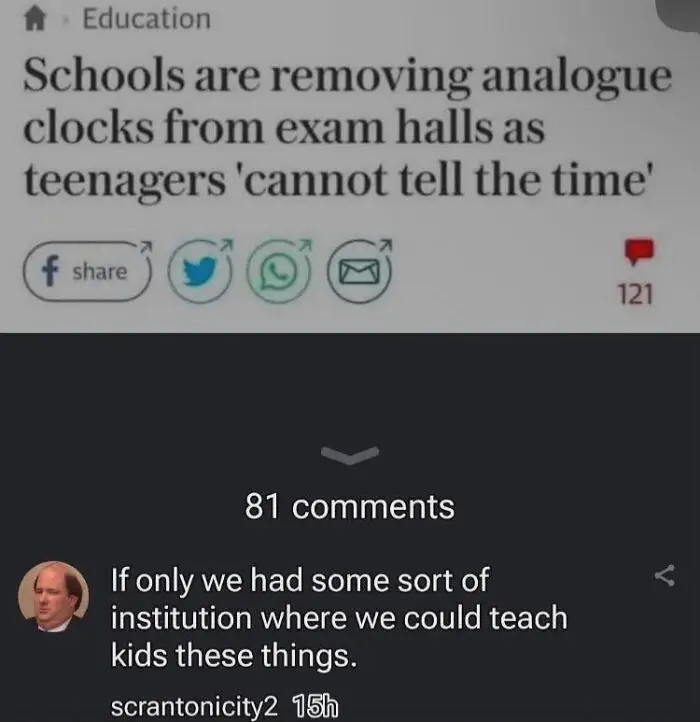
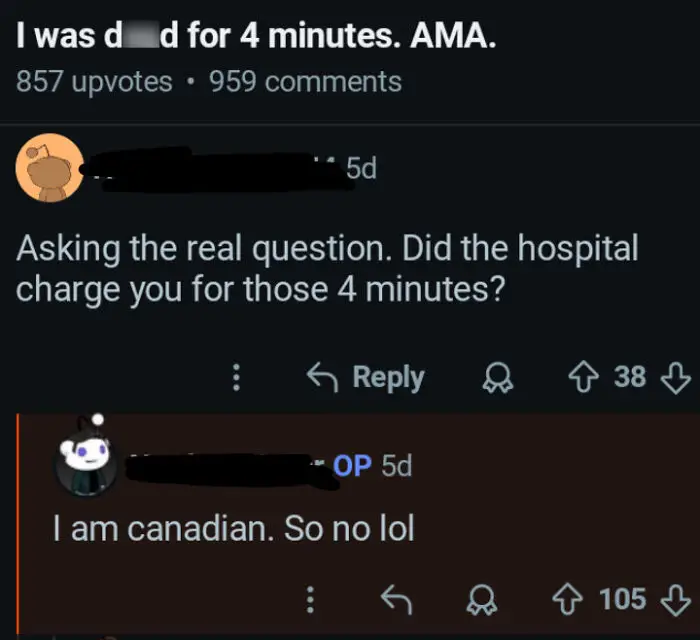
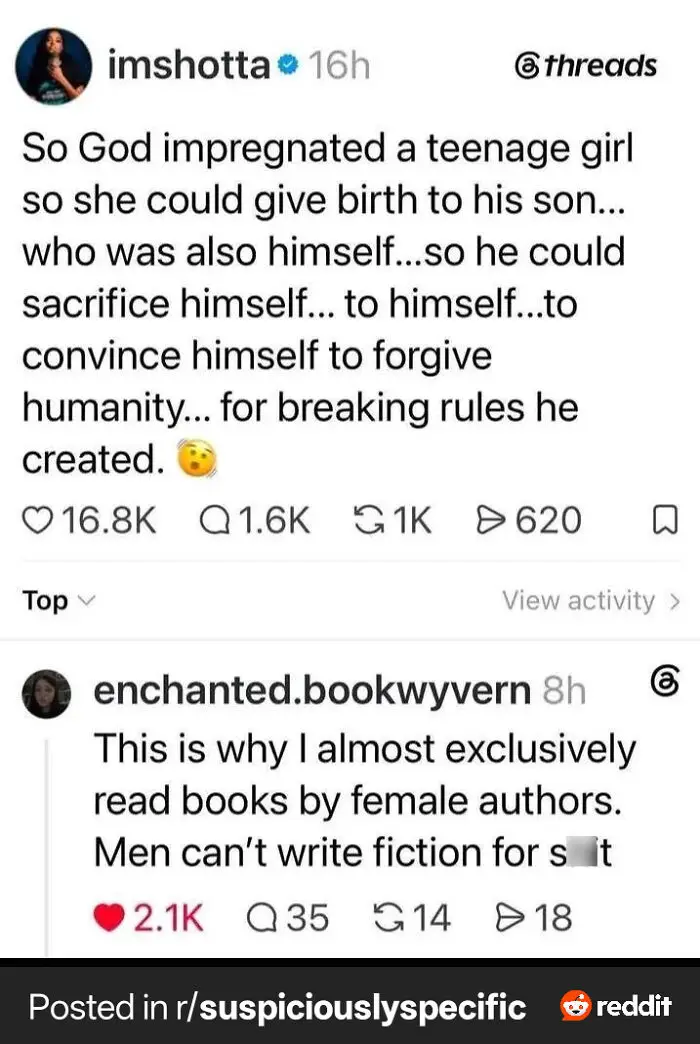
So why has the internet version stuck around for decades while so many other trends fade within a week? The first reason is the price of admission, which is basically zero. Anyone with a phone and a spare few minutes can grab a template, swap the words, and send it out into the world.
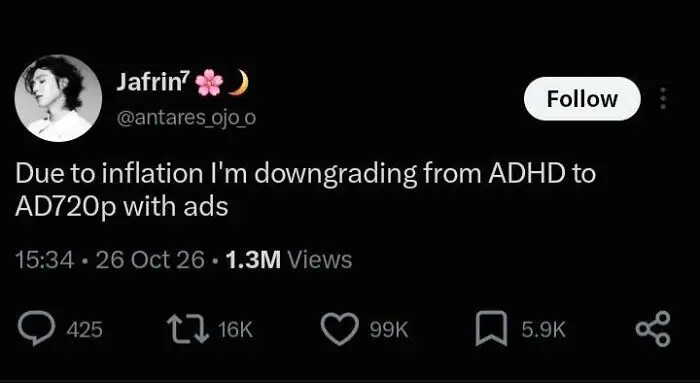
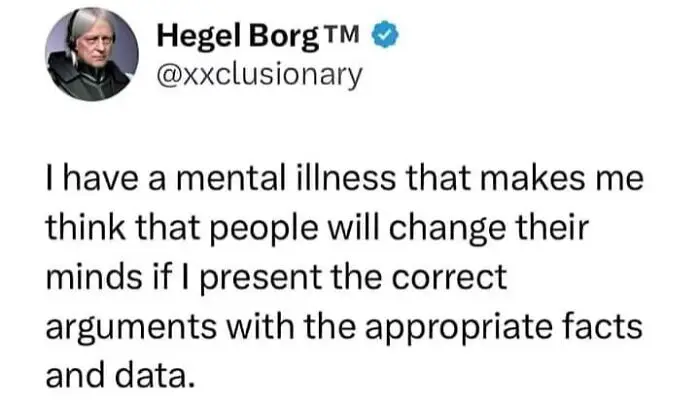
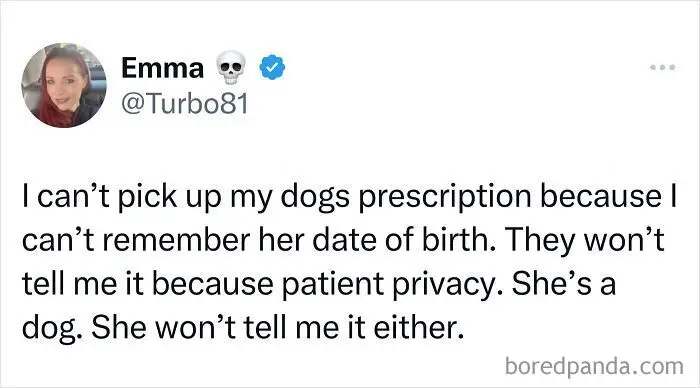
Media scholar Limor Shifman, who wrote the MIT Press book on the subject, describes memes as pieces of digital content that spread quickly in countless versions and become a shared cultural experience. Think of a game of telephone where every player is allowed to improve the message. That is why the same reaction image can feel fresh every single time it returns.
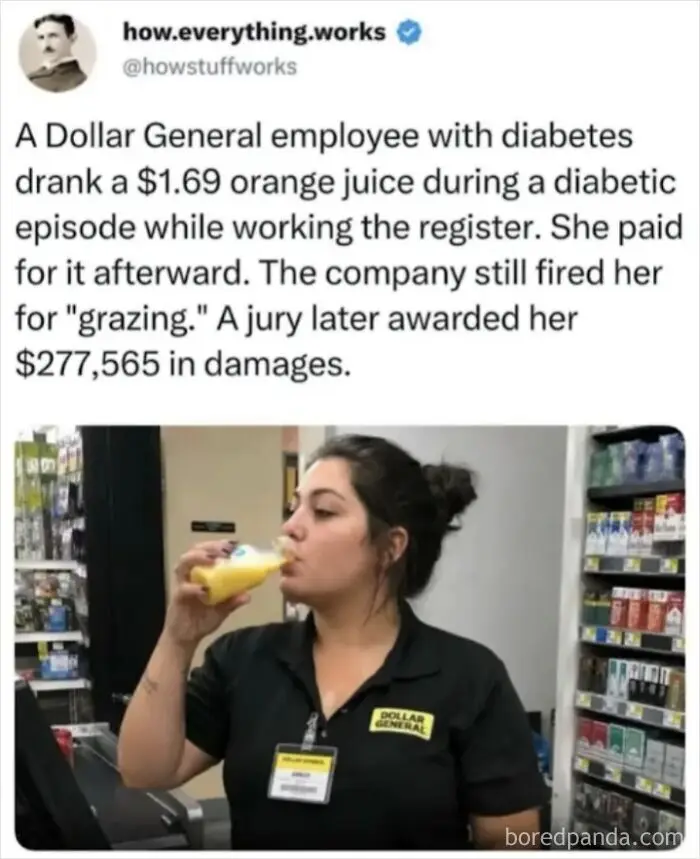
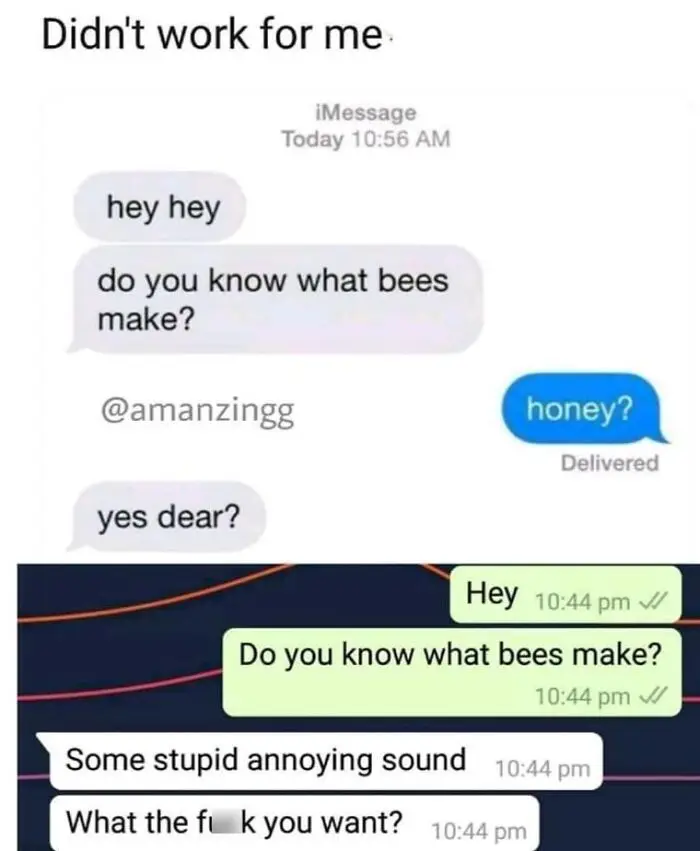
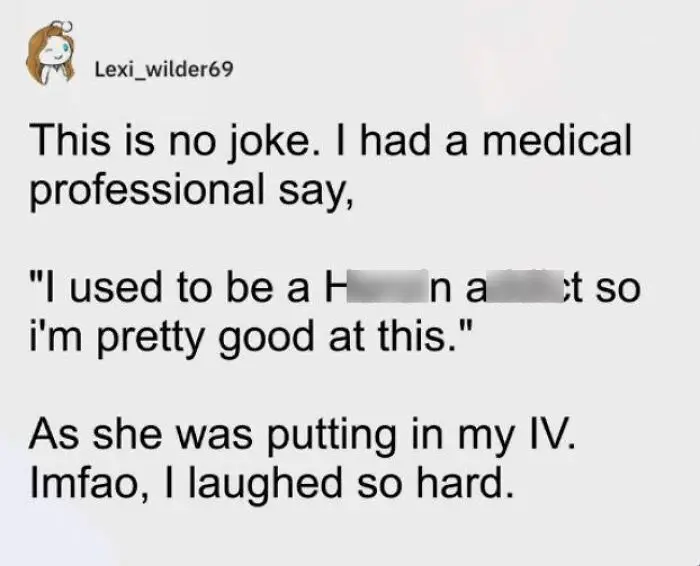
The second reason is belonging. A research paper by Yuval Katz and Limor Shifman on the structure of memetic nonsense argues that even the silliest, most baffling memes invite people to learn a new lingo and join a community of speakers.
#13 Can Someone Please Confirm That This Is Hilarious, Or Am I Just Weird?
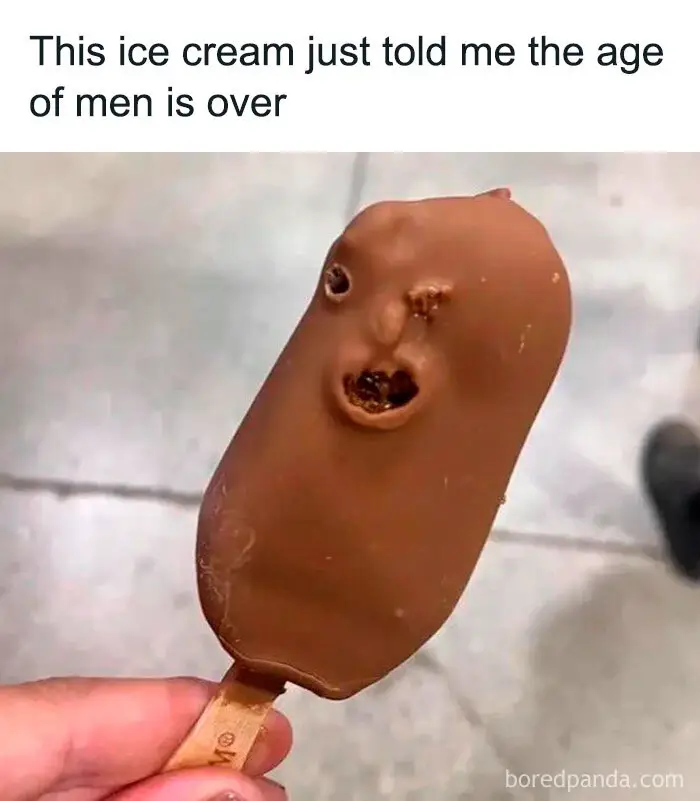
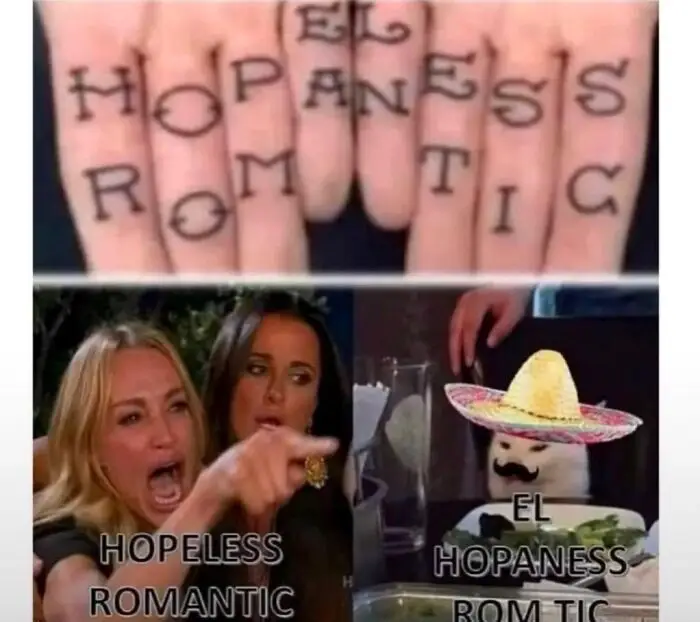
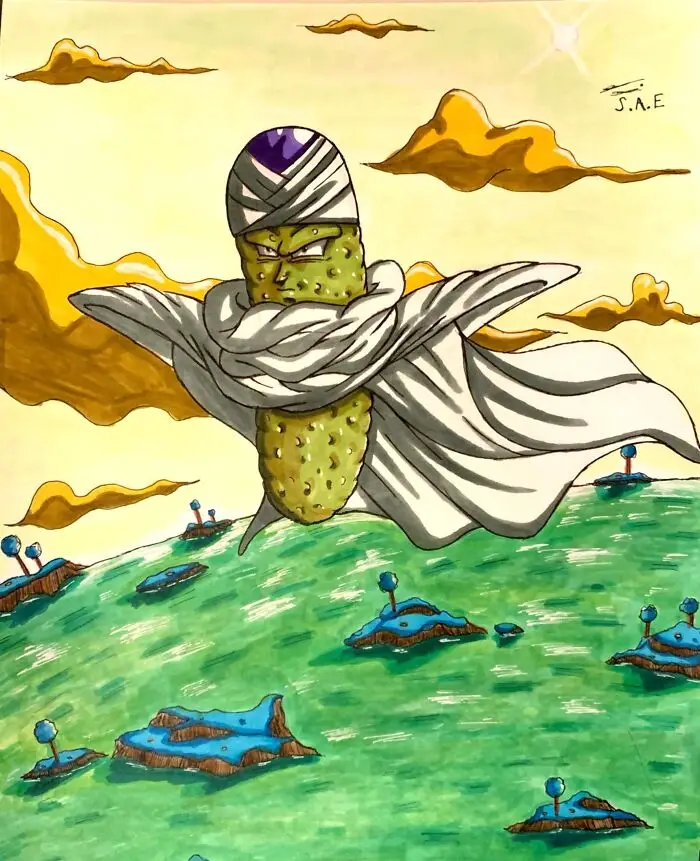
Often the whole joke is simply recognizing the template, which makes a meme feel like a secret handshake delivered by a very confused dog. Getting it means you are in on it, and sharing it says you trust that somebody else will get it too. That tiny moment of connection is a big part of why people keep hitting the share button.
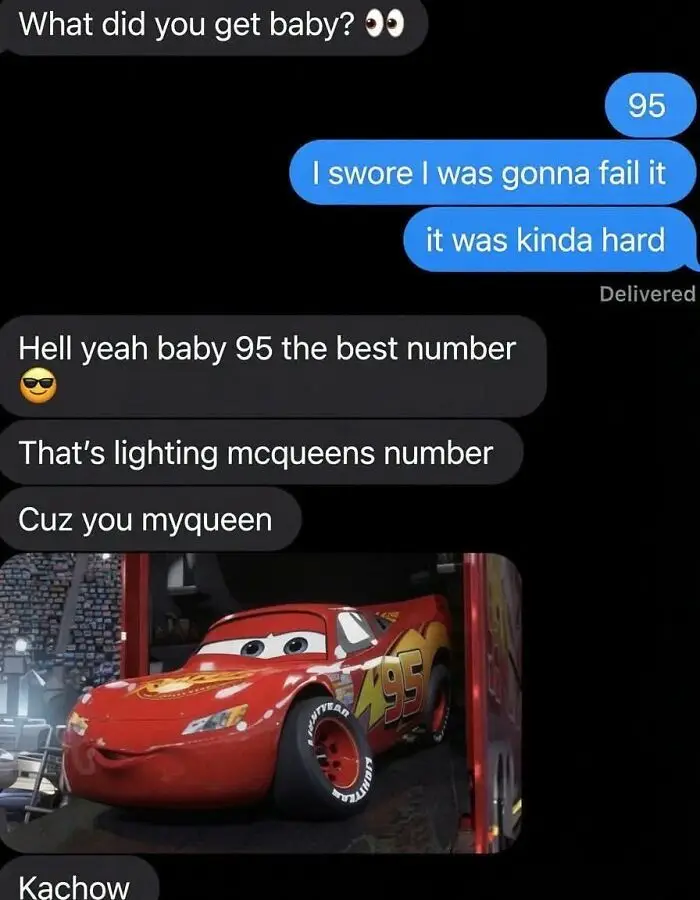
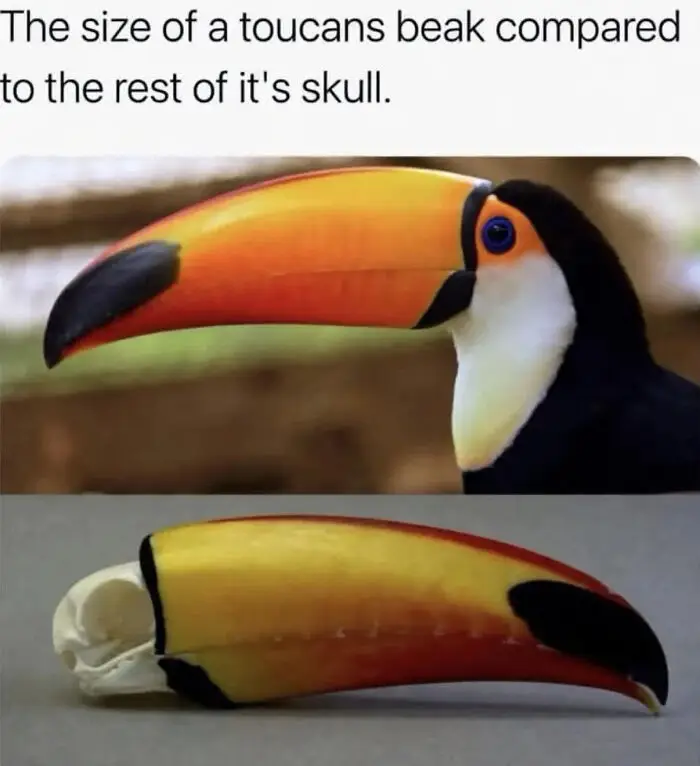
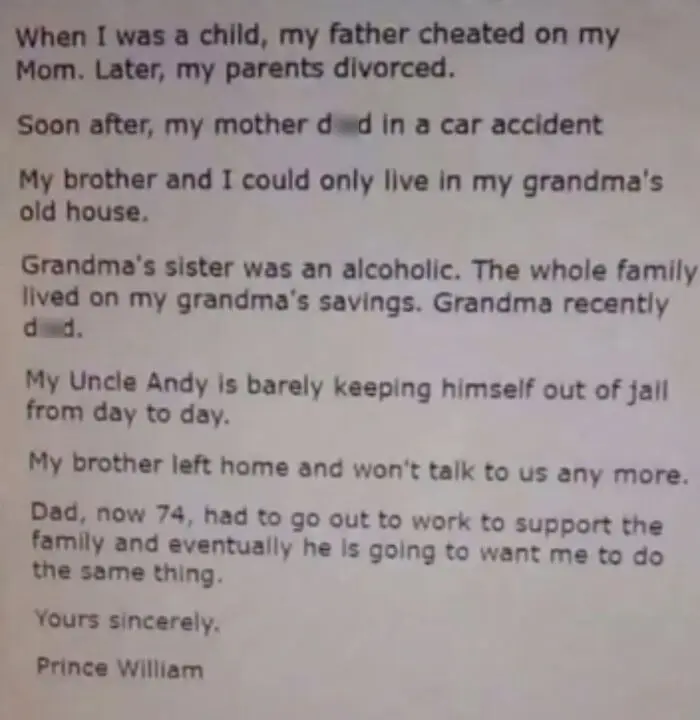
Then there is the mood boost. A Penn State study found that people who viewed memes during the pandemic felt more positive emotions than people who viewed other images, and those who saw captions about the pandemic reported a stronger sense that they could cope with it. The researchers were refreshingly honest that cute animals alone will not erase a global stressor, but a small lift in the middle of a long day still counts for something. Anyone who has quietly laughed at a meme about Monday mornings while in a very serious meeting already knows this.