


New managers think that they have a lot to prove. Bad workplace leaders end up micromanaging their teams. They change how things are done without listening to anyone’s opinions. This leads to a lot of friction. On the flip side, good leaders know that listening and learning are key to winning over their team. But unfortunately, the latter are all too rare.
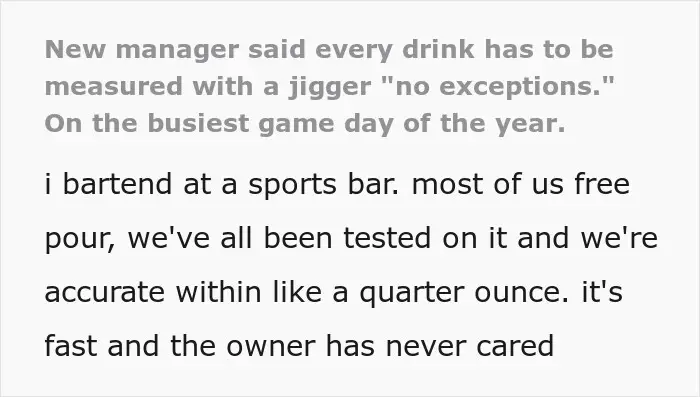
So, you sometimes need to maliciously comply with their awful ideas to have definitive proof that they’re wrong. One sports bar employee went viral after spilling the tea about how their new hotshot manager came in, demanding changes be made to how drinks are poured, disregarding all staff members. Well, he soon regretted it. However, the internet had mixed reactions to the story. Here’s what happened.
New leaders tend to want to change things quickly at work. But speed isn't always good if you're unwilling to consider other opinions

This bar employee revealed how they maliciously complied with their new manager's changes after he refused to listen to them
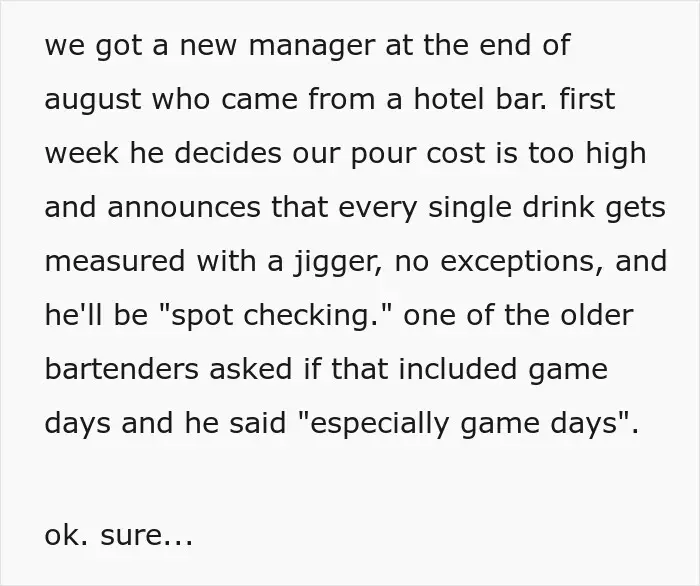


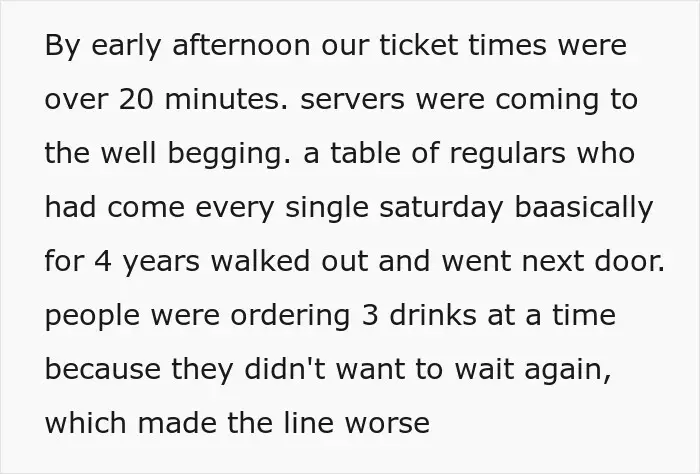

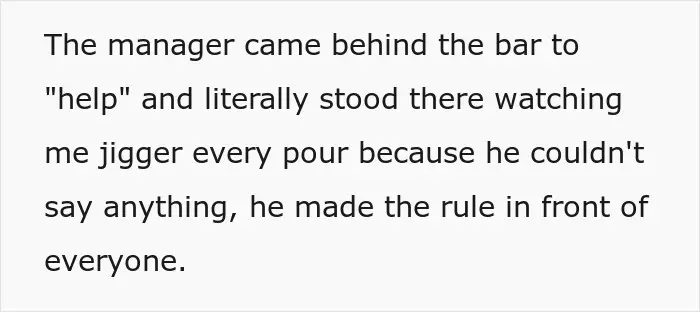
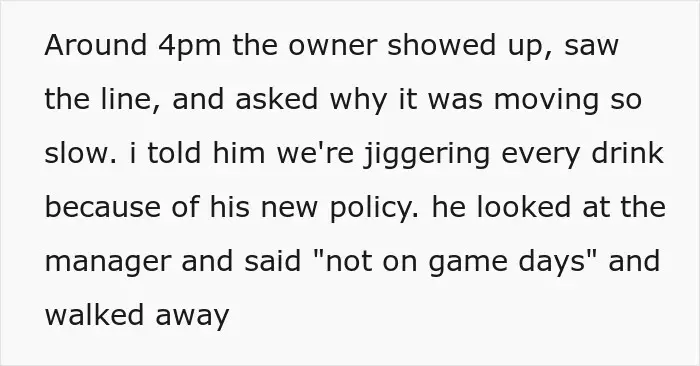
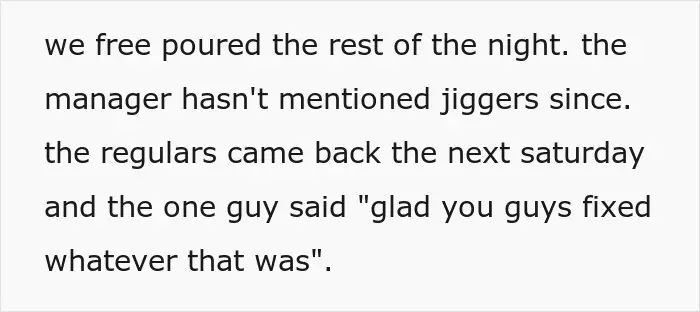

Many new managers feel pressured to change things rapidly when instead they should be listening and learning
New leaders want to change many things in the workplace before they fully understand how things are done, what the culture is like, and what their new colleagues think. Here’s why.
According to HR platform Hrider, one of the biggest mistakes that new leaders can make is “confusing speed in decision-making with the actual impact that those new ideas or measures might have.”
The unspoken expectation is that new workplace leaders ought to immediately find areas for improvement to show that they’re bringing value to the company. This leads to a lot of pressure weighing the manager down.
“This phenomenon is related to what psychology calls action bias: the tendency to prefer doing something over waiting around, even when there is not yet enough information to intervene correctly,” Hrider explains.
“In business contexts, this bias can translate into premature changes in performance appraisal processes, organizational structures, or talent management models. Not because those initiatives are necessarily wrong, but because they may respond more to the new leader's need to act rather than a real need of the organization.”
Naturally, before overhauling, well, everything, you need to understand how the system works. There can be different causes for the issues that you spot. You need some patience to work out what they are.
There are a few sources of friction and pain points in the viral story. There are some nuances, too. It’s not a black-and-white situation. First of all, the new manager disrespected his staff members by refusing to even consider their opinions and advice. Instead, he dismissed them outright.
Secondly, it hurts to read about a situation where workers allow negative consequences to spread to their customers before management finally steps in and pivots. Customers shouldn’t have an awful experience because the bar staff can’t get on the same page behind the scenes.
Third of all, good communication, active listening, and respect are all two-way streets. Yes, the new manager absolutely must get to grips with their new workplace’s processes, workflows, and culture before trying to change things. At the same time, the staff ought to give their new manager some grace, too. Not all new ideas that they propose will be winners, but some might actually improve things. At the end of the day, you need room for compromise and collaboration.
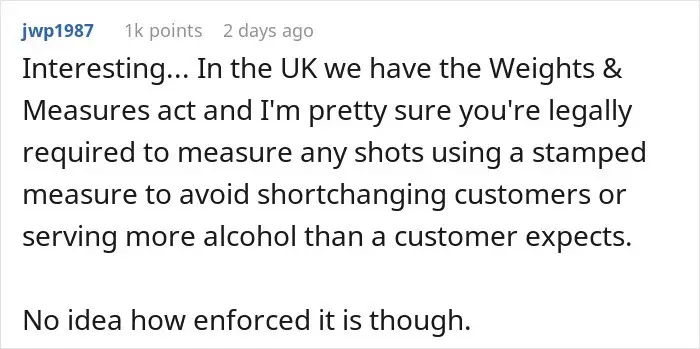
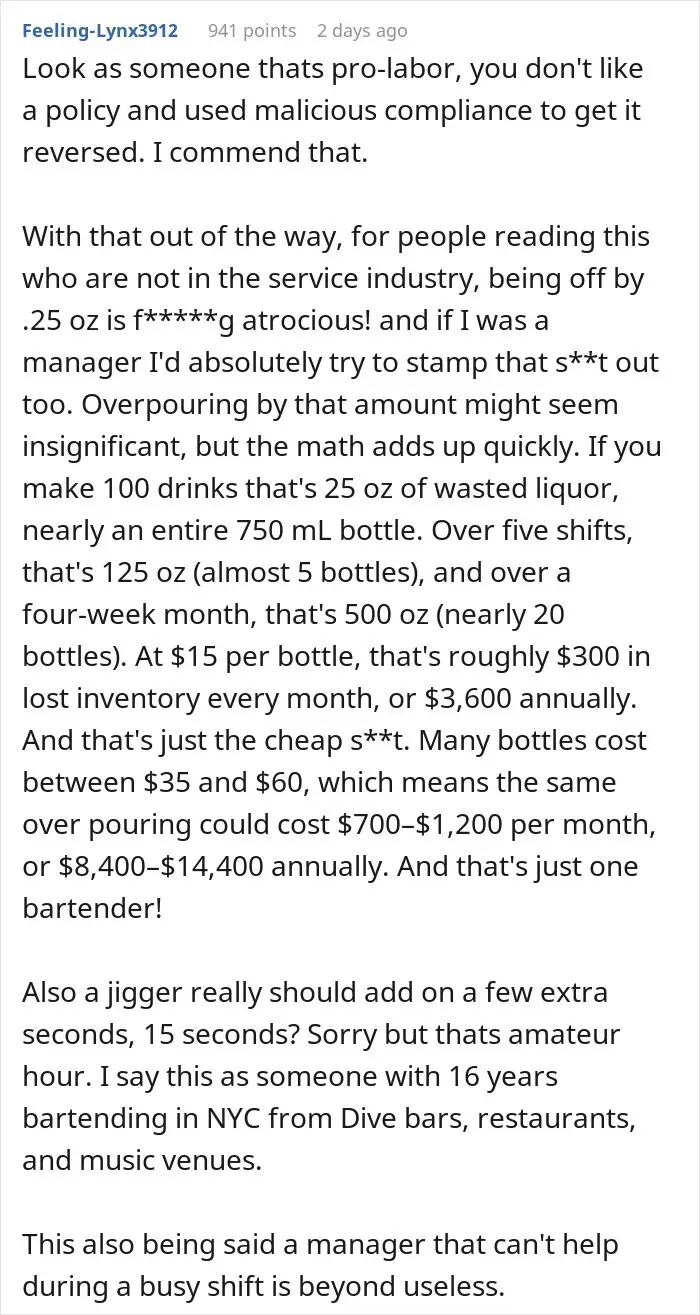
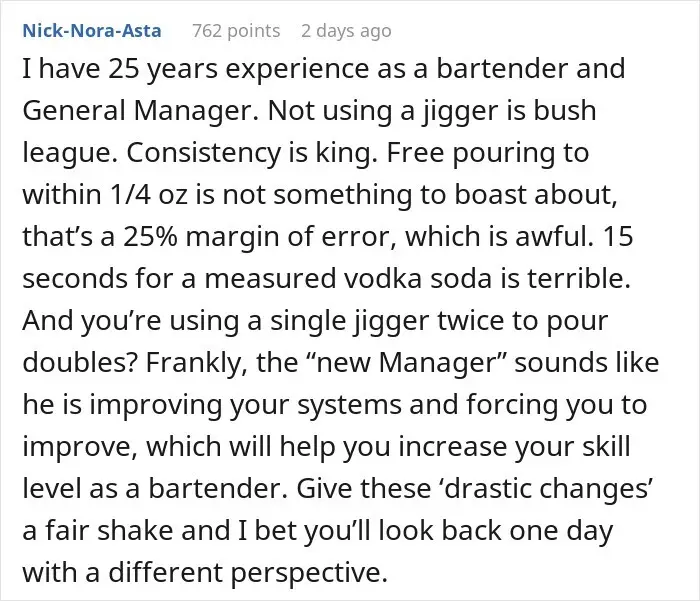
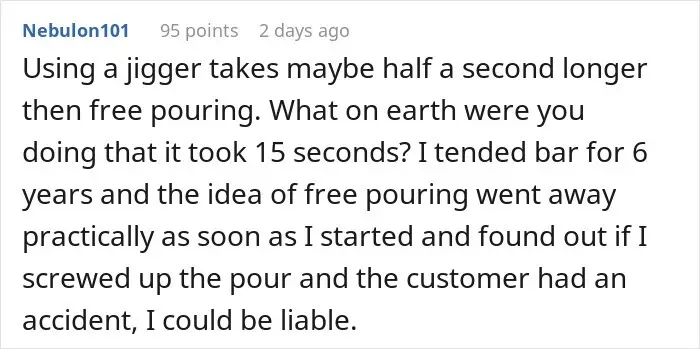
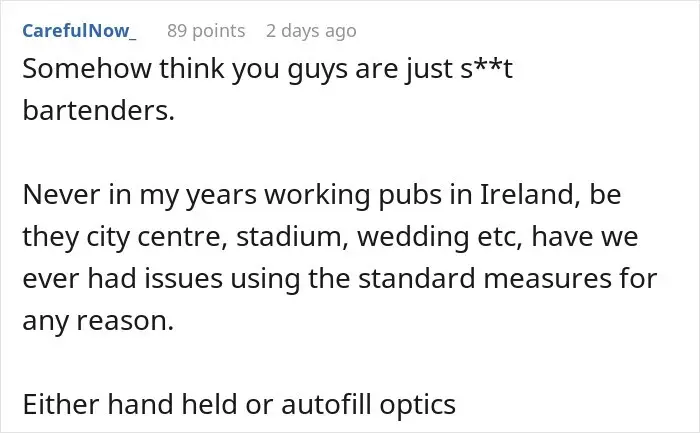
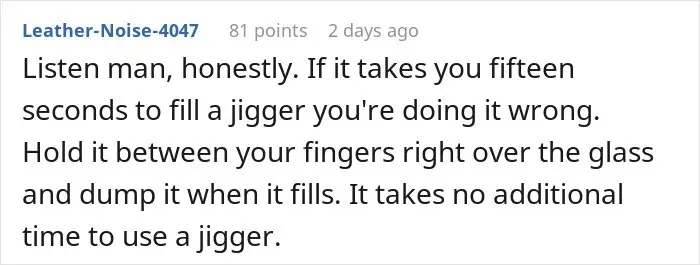
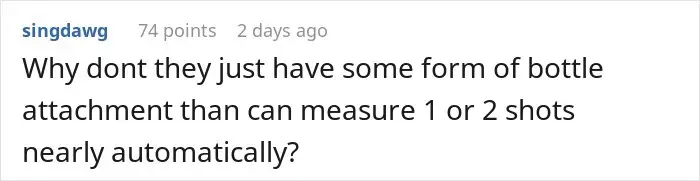
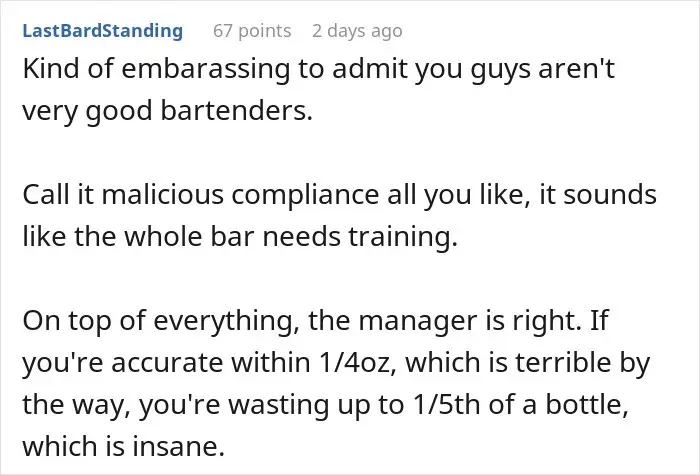
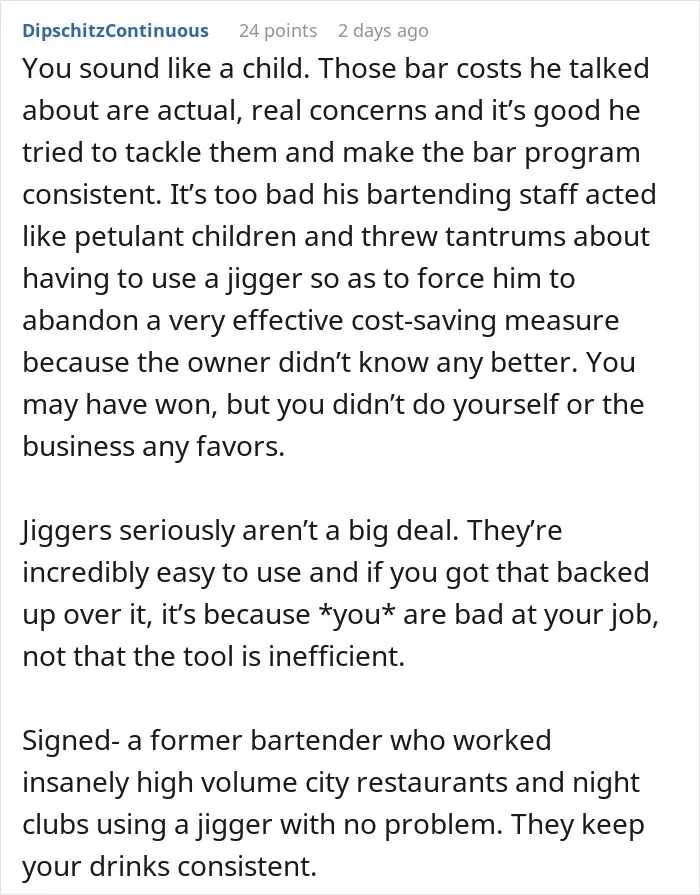
And lastly, people online had mixed reactions to the viral story. Some called out the manager for his poor leadership and social skills. Others, however, had more nuanced opinions regarding drink sizes, regulations, pouring speed, and (in)efficient resource management. You know that a topic is good when situations aren’t just black-and-white and genuinely get people engaged in the conversation.
That being said, even if you personally have some room for growth (we all do!), being led by a micromanager at work can be an utter nightmare.

Micromanaging your staff can demotivate them. Here's how you can improve your organization's culture
Gallup explains that many people working in the business world have horror stories about micromanagers. Some workplace leaders are so scared of micromanaging their employees that they take a completely hands-off approach. Others actually take pride in being micromanagers. Both approaches are far from healthy.
According to Gallup, the main question you should ask in order to identify a micromanager is this: “Is the team customer-obsessed or boss-obsessed?” The former means that you focus on your customers, the mission, and revenue. The latter means that all you care about is what your boss thinks.
“The most important aspects of a project -- the ones everyone is worried about -- become the idiosyncratic (but irrelevant to success) specifications of the micromanaging boss. Every decision must go through them, bottlenecking progress at each turn,” Gallup warns.
“Everyone is afraid to be honest. Everyone secretly knows they are delivering an inferior product or service. Nobody feels like they are doing their best work. Everyone feels constantly evaluated. Nobody wants to take responsibility.”
Here are 5 ways that you can fix over-the-top micromanaging at work:
Focus on creating a company culture that is built on a foundation of trust and shared accountability
Know your team’s strengths and weaknesses and assign the right work to the right people
Teach yourself and your team to communicate and have ongoing conversations rather than copy old-school goal-setting, review, and evaluation practices
Prioritize the development of your people
Be mindful of what behaviors you recognize and reward.
Be mindful of what behaviors you recognize and reward.
“Leaders may hate the stagnant micromanager culture they've created and yet continue to feed that culture formally and informally through their individual praise, corporate communications, internal awards and performance management systems. If organizations want to de-emphasize micromanager tendencies, they need to shift their awards, rewards and recognition toward team collaboration, cross-team partnerships and outstanding individual contributions.”
Let’s turn the discussion over to you, Pandas. Join the conversation and share your insights and ideas in the comments. What do you think of the way the bar employee handled their new manager? Have you ever had a new manager come in and ignore the staff’s advice? What happened? Let us know!

The internet had mixed reactions to the story. Some readers were on the bar worker's side
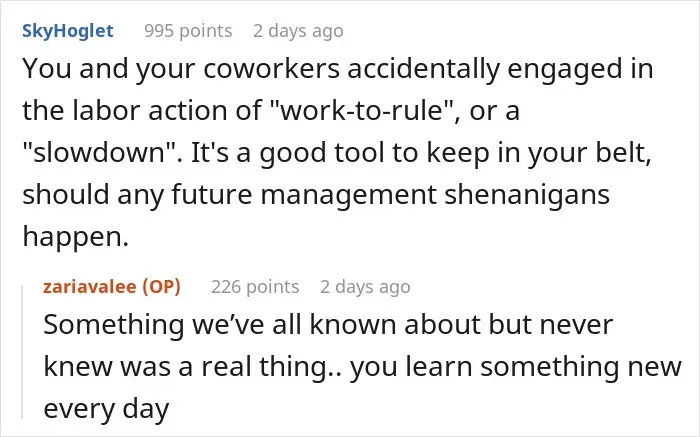

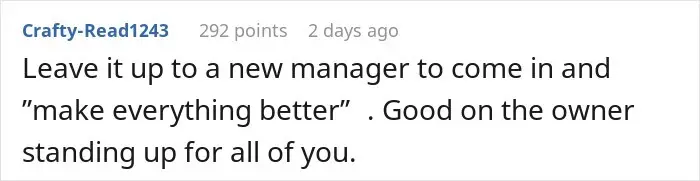
Others, however, thought that the situation was more nuanced than just dealing with a micromanager. They called the author out


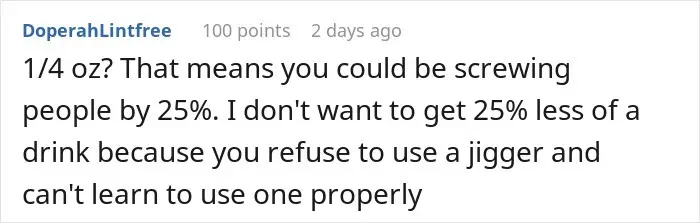








Others had similar stories of their own to share. Here are their experiences