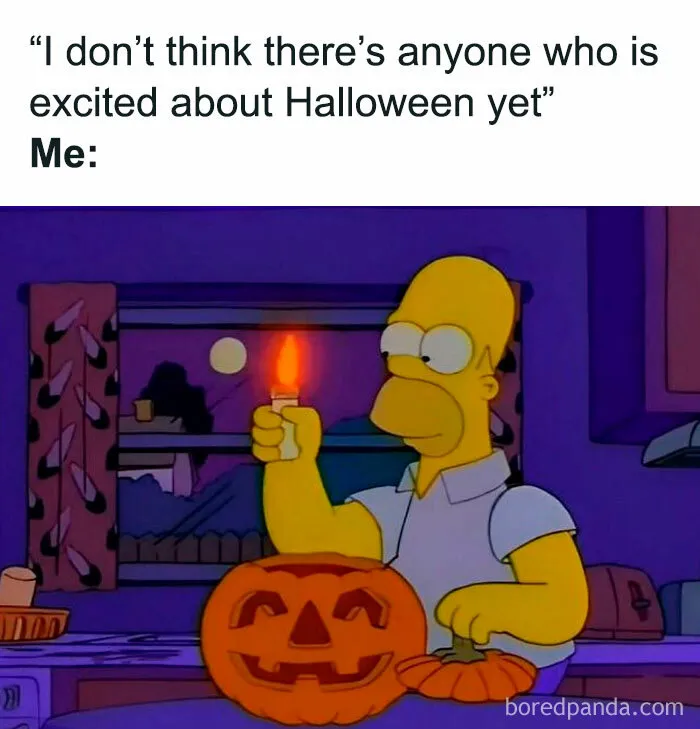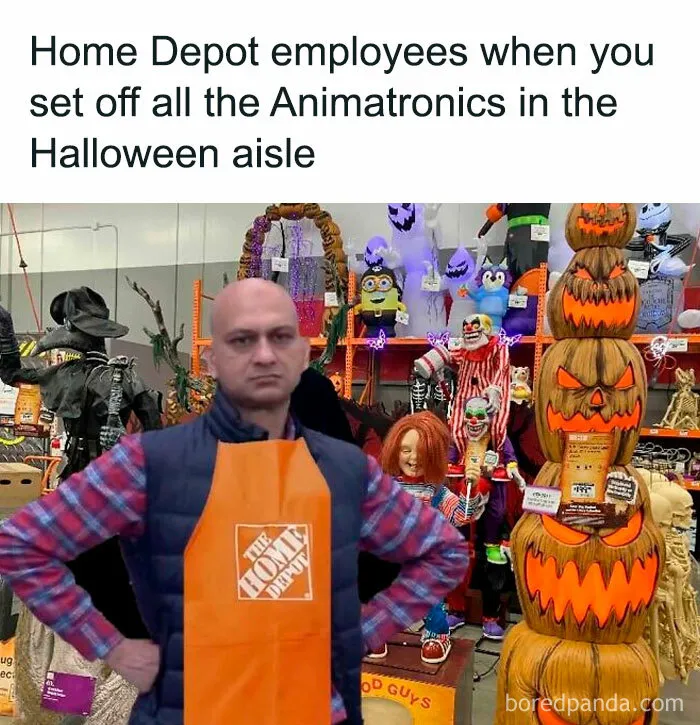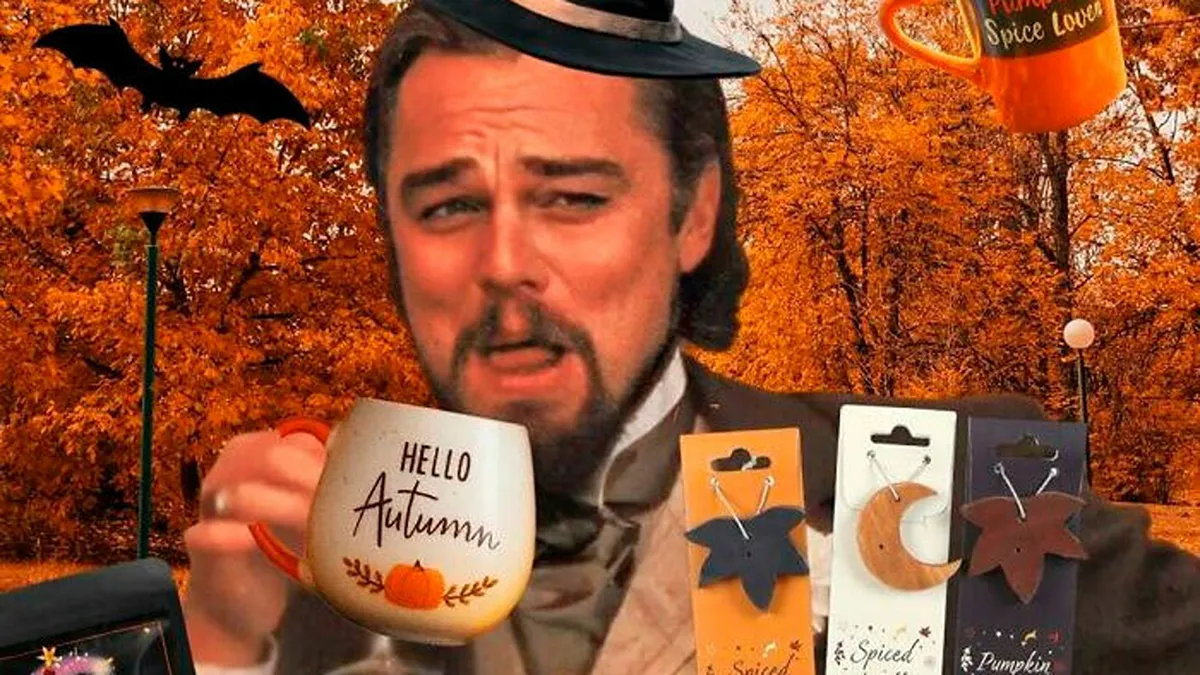
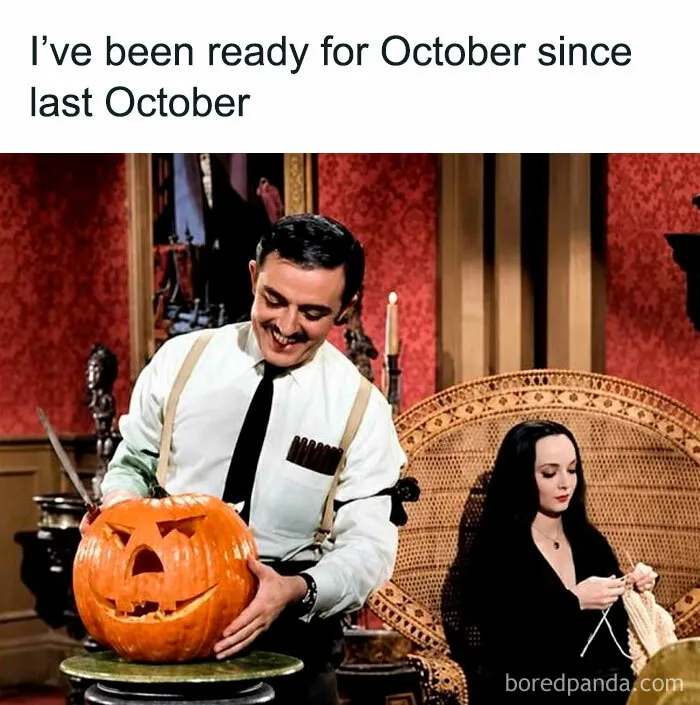
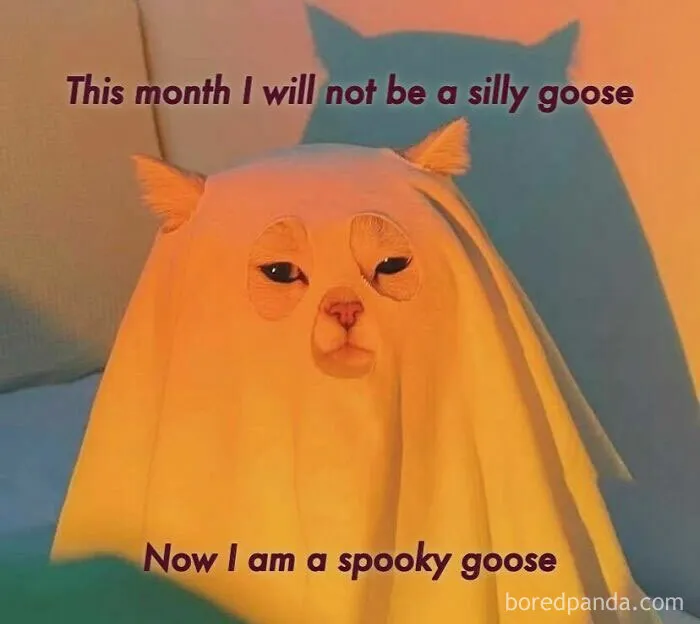
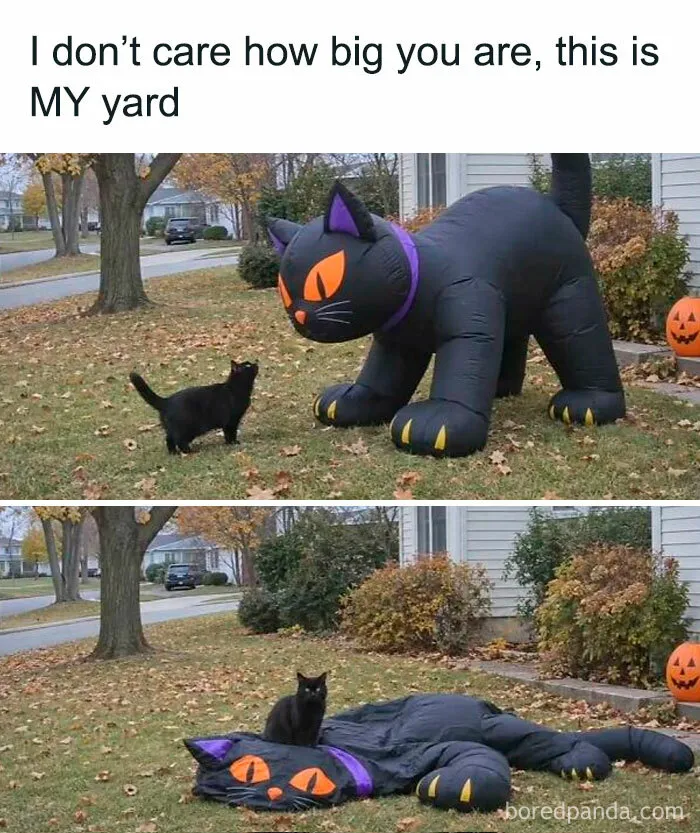
When I see amazing things like this going on, I can’t help but wonder how it all started. So, let me ask you, did you know where Halloween even comes from?
Halloween’s spooky traditions began over 2,000 years ago with Samhain, a Celtic festival that signaled the end of the harvest and the start of winter. People thought spirits could enter the human world then, so they lit fires and wore disguises to protect themselves from these supernatural visitors.
People used food offerings and scary costumes for more than just fun; they hoped these would keep dangerous spirits away. These old beliefs help explain why Halloween still features ghosts, monsters, masks, and spooky things, even though today’s celebrations are quite different from the original festival.
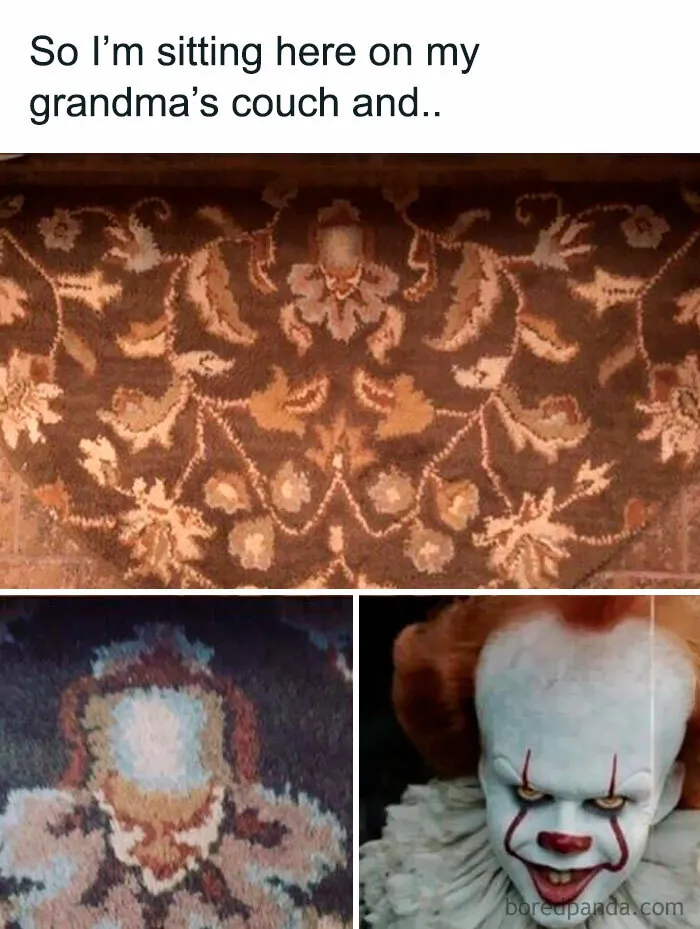
Halloween was not like we know it now, but instead changed over time as Celtic customs mixed with Christian traditions. The Church set November 1 as All Saints’ Day and November 2 as All Souls’ Day. The night before became known as All Hallows’ Eve. These traditions eventually shaped what we now call Halloween.
The modern version of Halloween developed much later. In the 19th century, Irish and Scottish immigrants brought their Halloween traditions to North America. Communities slowly turned the holiday into a time for parties, costumes, and neighborhood events.
By the 1950s, cheap mass-produced costumes let kids dress up as popular characters, not just scary ones.
In Mexico, Día de Muertos is a time to honor loved ones who have passed away by creating colorful altars known as ofrendas. Families decorate these altars with photos, candles, marigolds, food, and personal items to welcome the spirits of their relatives.
Instead of seeing the end of life only as something to fear, this celebration encourages people to remember, share family stories, and feel connected to those who have gone.
This tradition blends Indigenous beliefs with Catholic influences that came with Spanish colonization. Families often cook favorite foods, visit cemeteries, and gather by decorated graves.
These customs make remembering loved ones a shared celebration, showing that a holiday about people who are gone can be filled with love, cultural pride, and happiness instead of just fear.
Halloween and Día de Muertos are just two ways that cultures connect with the supernatural and honor those who have passed away. In England, people celebrate Guy Fawkes Night on November 5 by gathering around bonfires and watching fireworks. Many other countries have their own traditions, shaped by their history and religious beliefs.
These differences show that late October and early November mean more than just costumes and candy. Some communities try to scare away spirits, while others welcome ancestors with food, flowers, and family gatherings. Looking at these celebrations helps us see how societies find their own ways to understand the end of life and the unknown.
In Singapore, Chinese Buddhist and Taoist communities celebrate the Hungry Ghost Festival in the seventh lunar month. Tradition says that during this time, the gates of the underworld open and spirits visit the living. Families burn incense, offer food, and make paper money or small items for their ancestors.
The festival includes getai, which are lively shows with singers and hosts who entertain the crowd. The front-row seats are left empty for spirits. These events mix serious remembrance with fun performances. Like Halloween, the festival involves supernatural visitors, but here the focus is on honoring and pleasing spirits instead of dressing up to scare people.
The thing is, it seems that we have always loved creepy things. Some people hide their eyes during horror movies, but others look for all the scariest films, haunted houses, and ghost stories they can find. The reason is that a good scare lets people feel fear without any real risk. They get an adrenaline rush, but they always know they can leave whenever they want.
Not knowing what will happen next is also exciting. A strange noise, a shadow in the hallway, or a monster suddenly showing up on screen keeps people guessing. When the tension ends and they realize they are safe, the relief can make the whole experience even better.
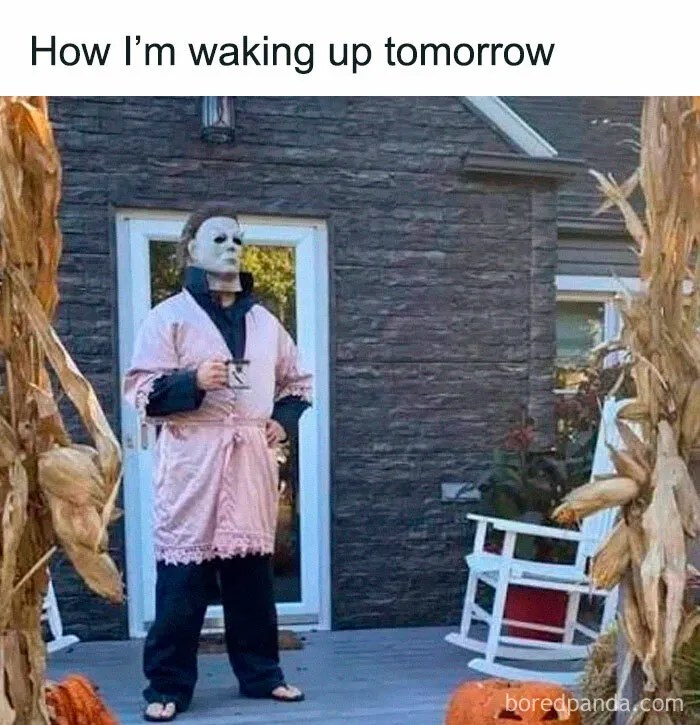
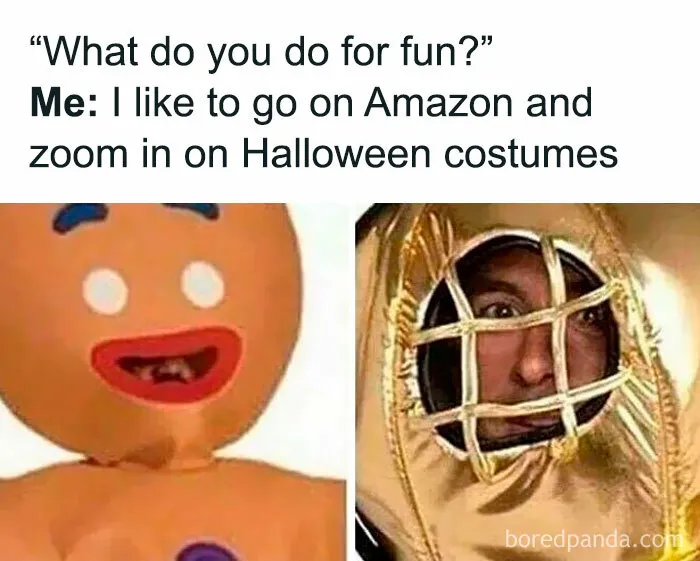
And we also love to dress up. One of the best parts of Halloween is the chance to pretend to be someone else for a night. Even people who usually avoid flashy clothes might dress up as a vampire, a movie villain, or their favorite character. Costumes let everyone break out of their usual style, have fun, and reveal a side of themselves that doesn’t often show.
Costumes also help people connect. Friends plan matching outfits, couples dress up as famous pairs, and families turn their favorite movies into group costumes. Some aim for laughs, while others spend weeks getting every detail right. No matter what they pick, Halloween is a time to be creative, surprise others, and have some harmless fun.
Do you love Halloween for the spooky vibes, the creepy costumes, or the thrill of a good scare? Which tradition or Halloween activity is your favorite? Share your thoughts in the comments!