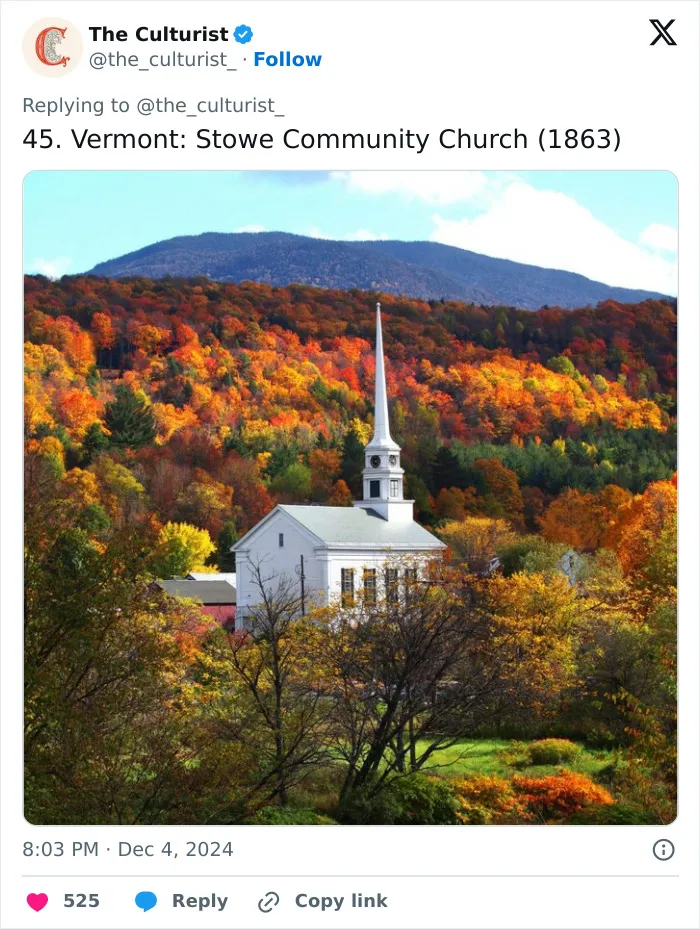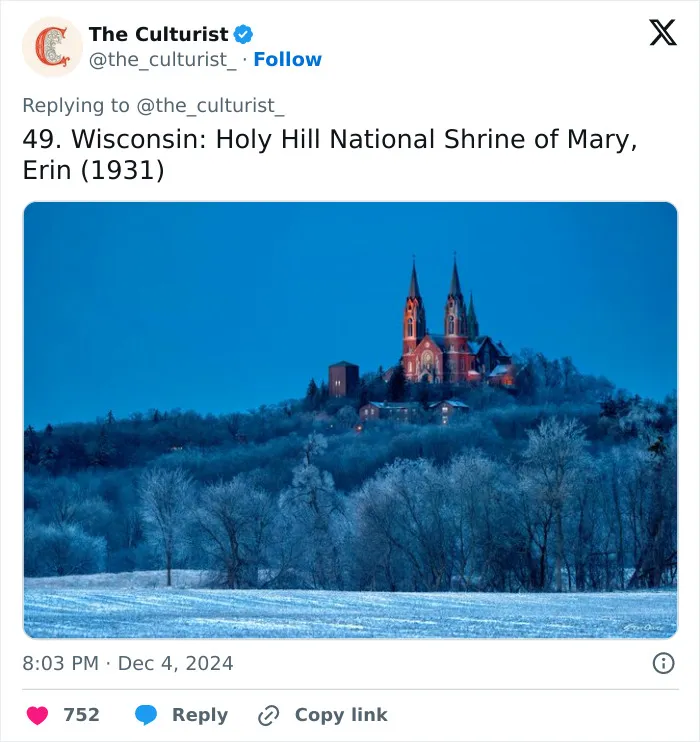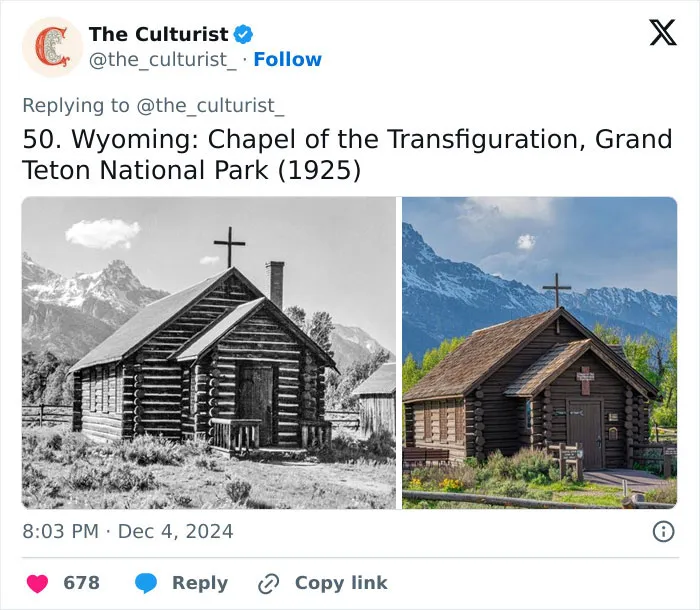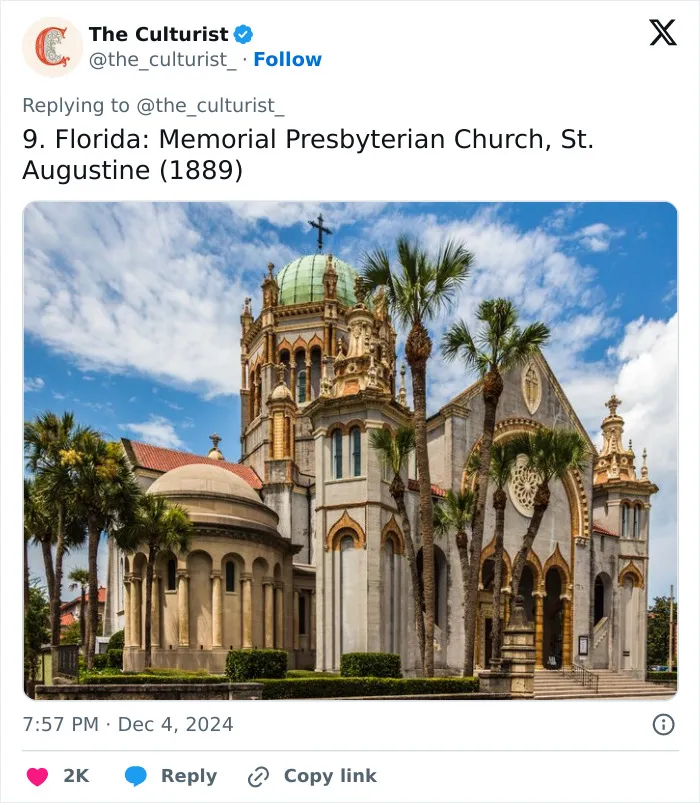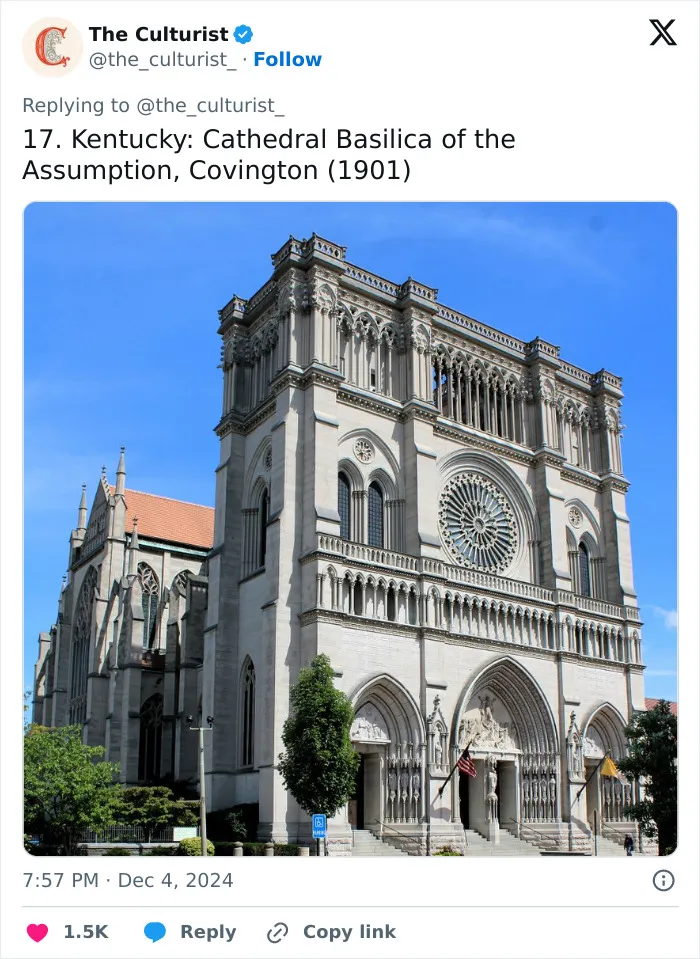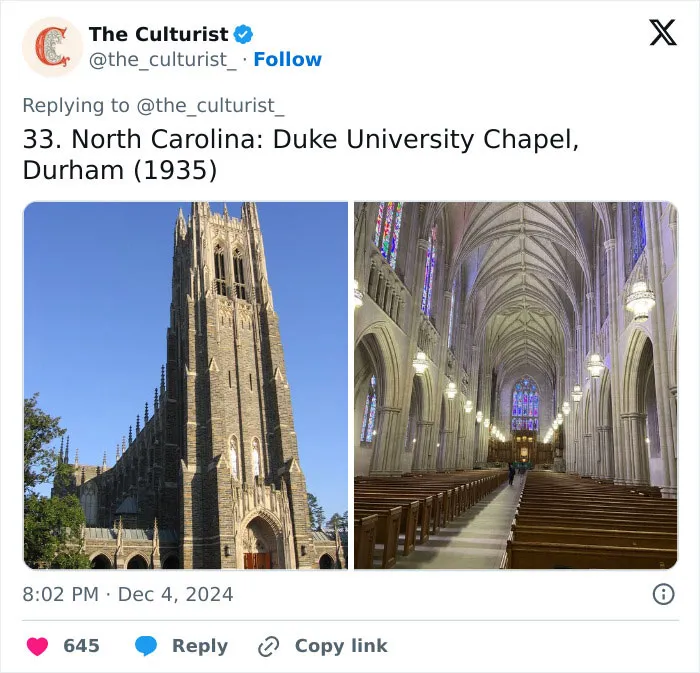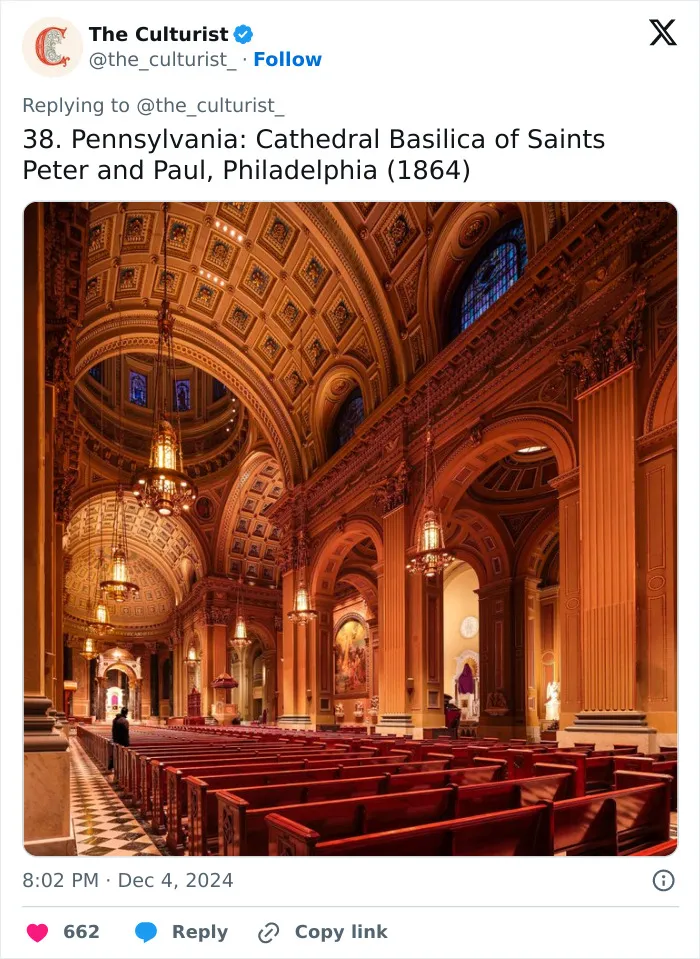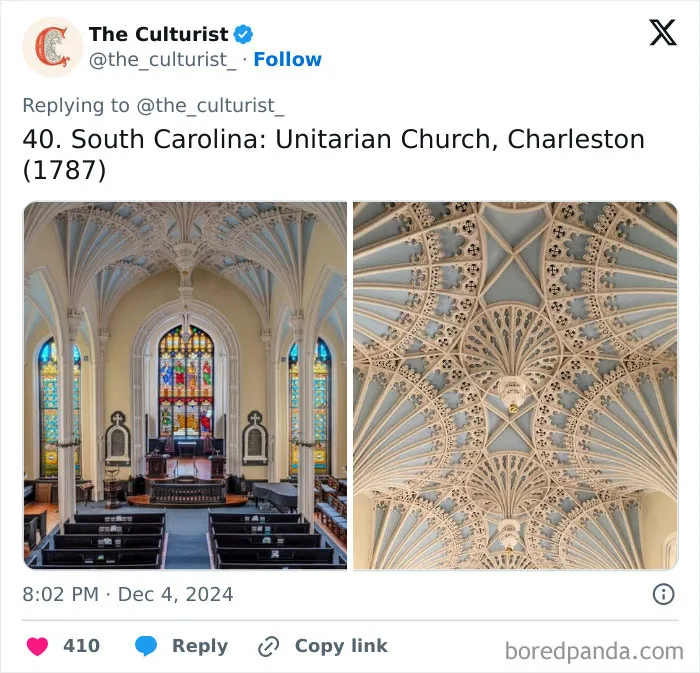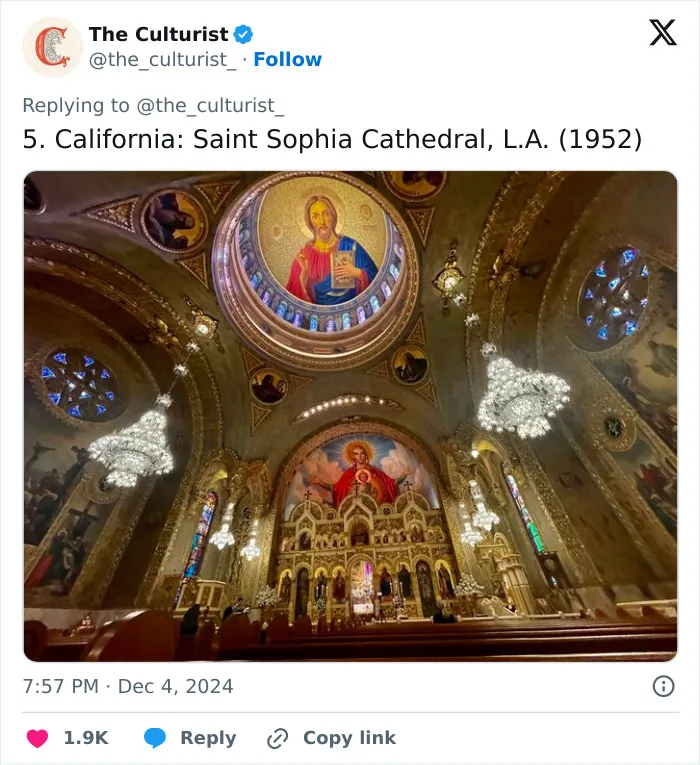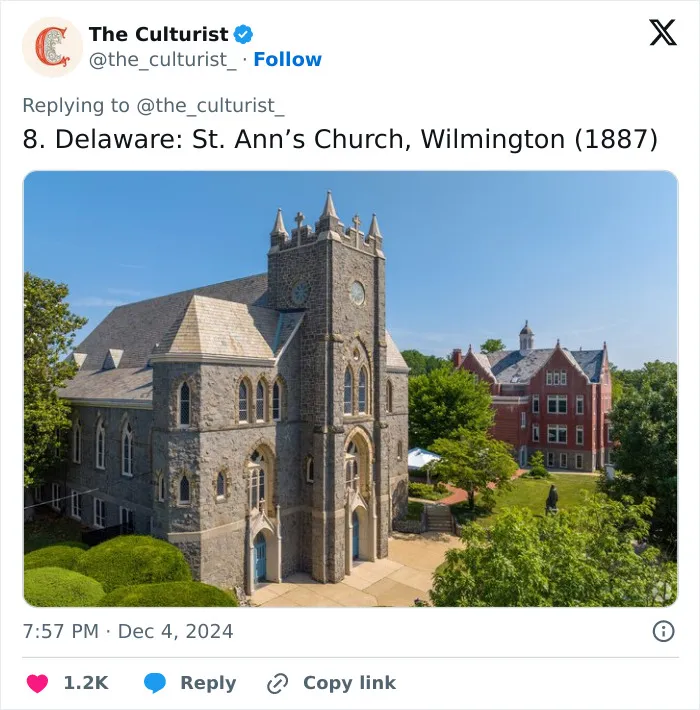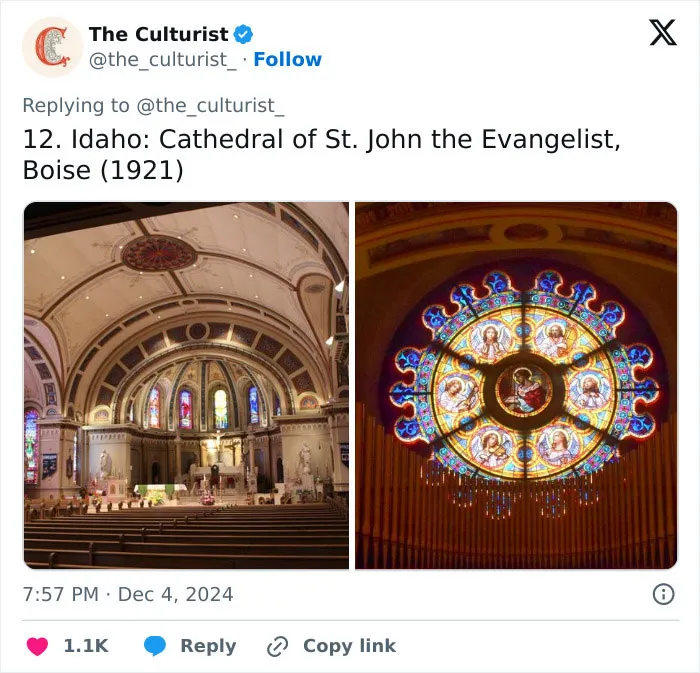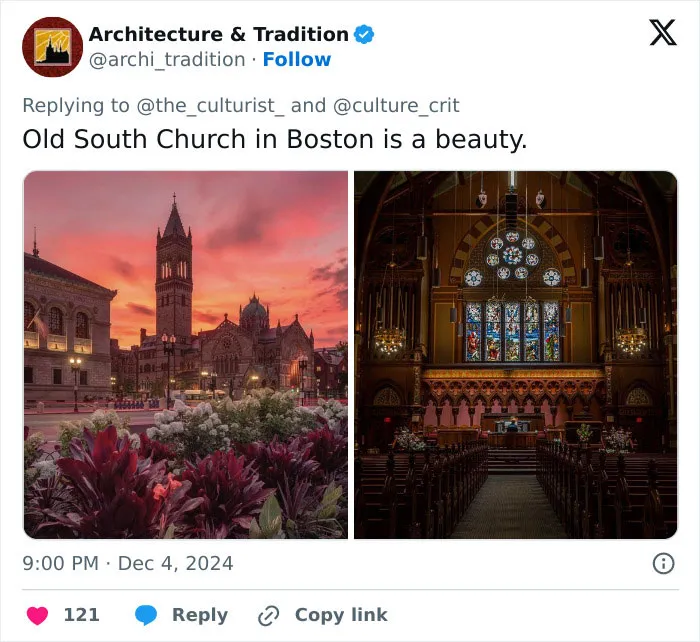



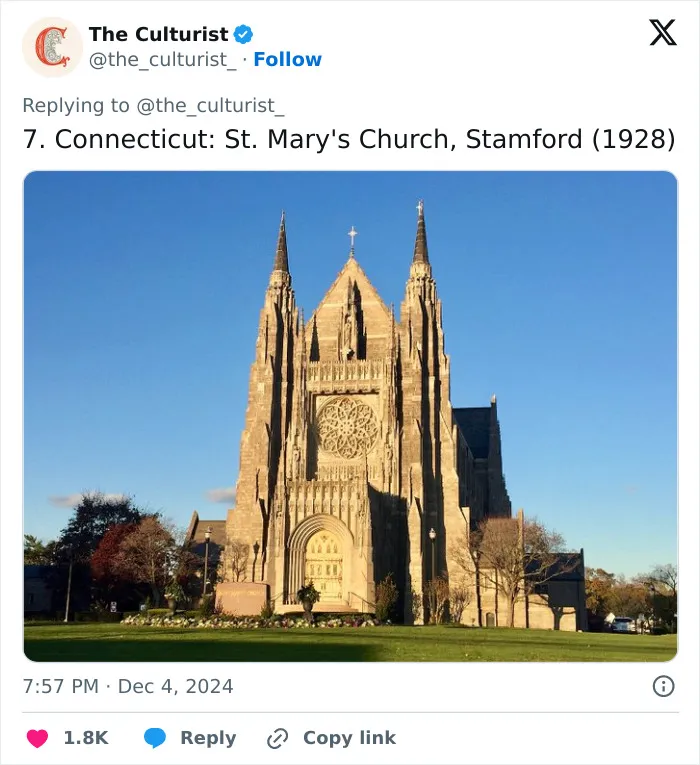
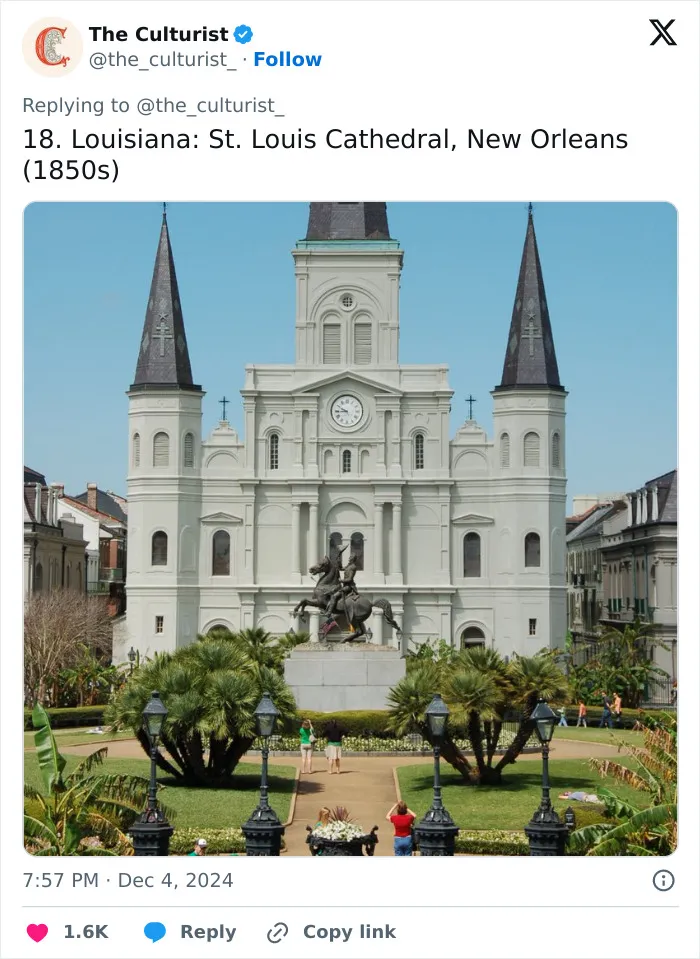
As settlements grew into towns and cities, church buildings began to take on a more symbolic role. Their design started to reflect the values of the growing nation: democracy, unity, and civic pride. Neo-classical styles became popular, borrowing from Greek and Roman architecture to convey a sense of order and stability.
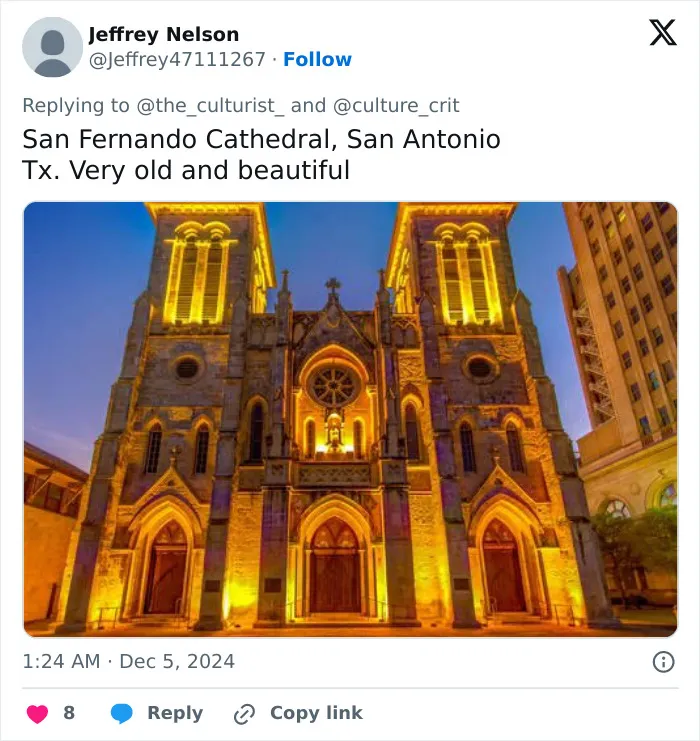
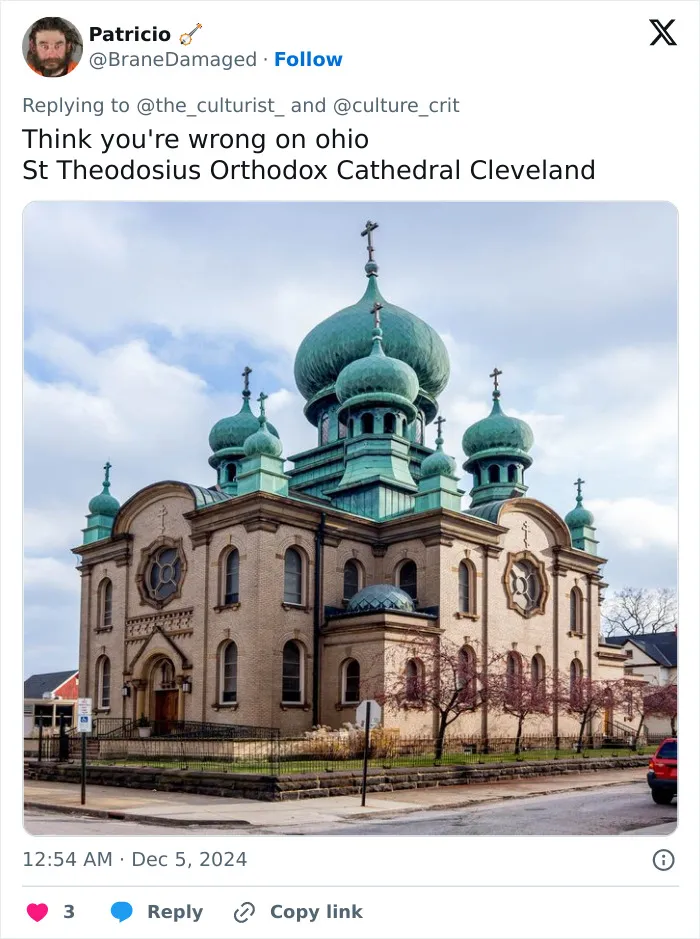
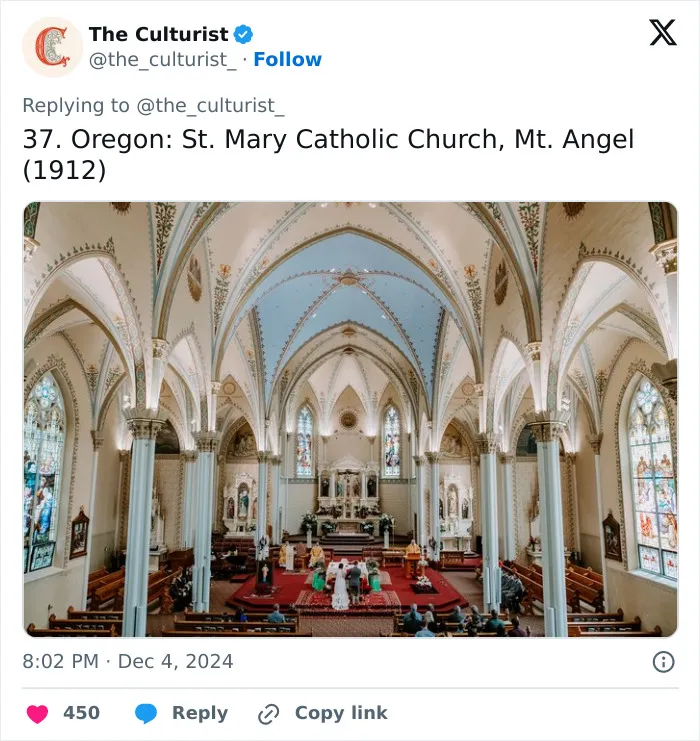
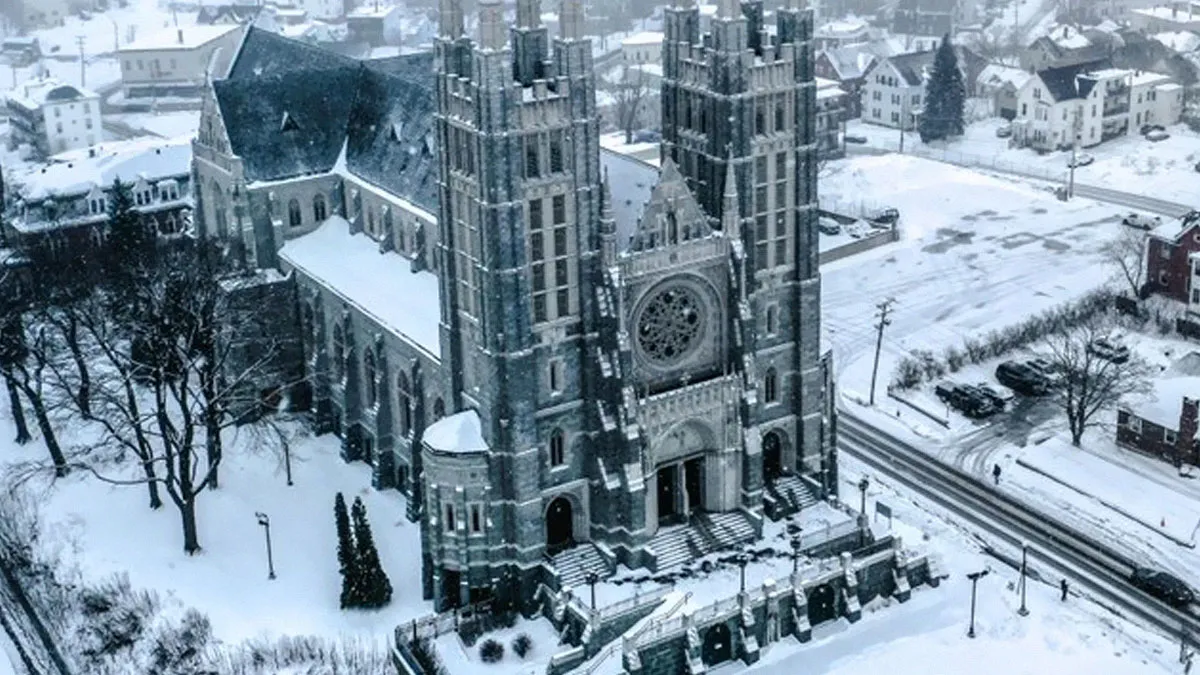
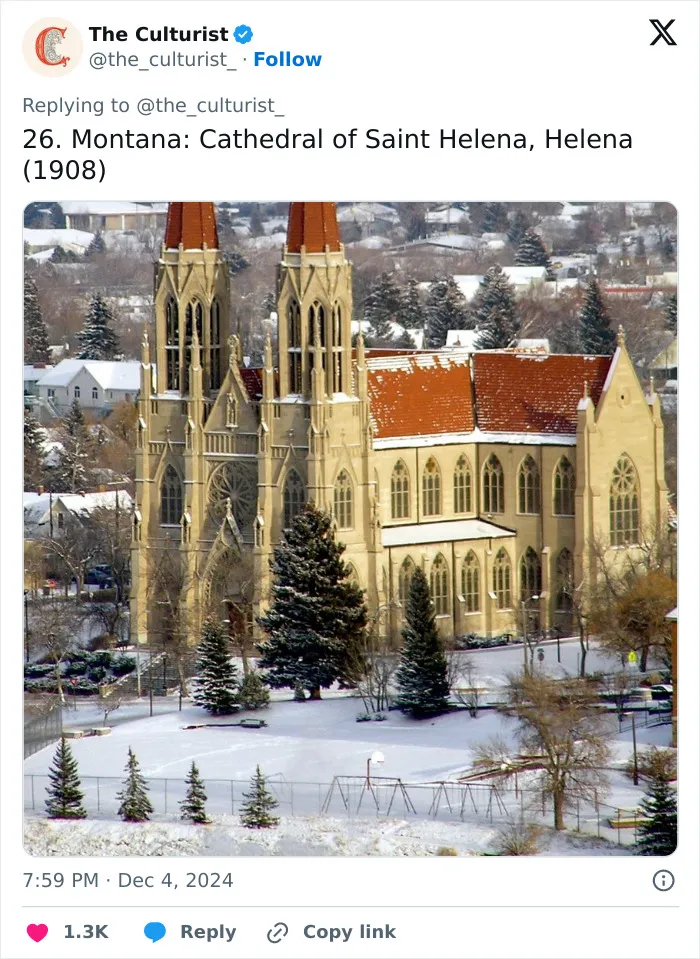
In the 18th and 19th centuries, more denominations emerged, and so did new architectural styles. From Gothic Revival spires to Romanesque stone arches, churches became markers of identity for different communities. Immigrant groups brought their own traditions—Scandinavian Lutherans, Italian Catholics, Eastern Orthodox congregations—each leaving an imprint on the American landscape.
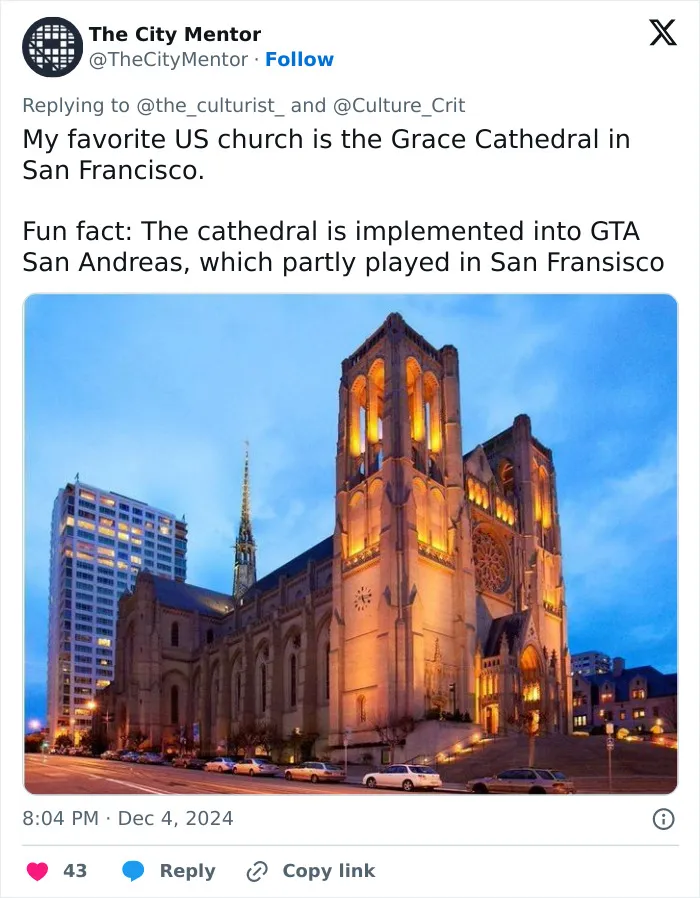
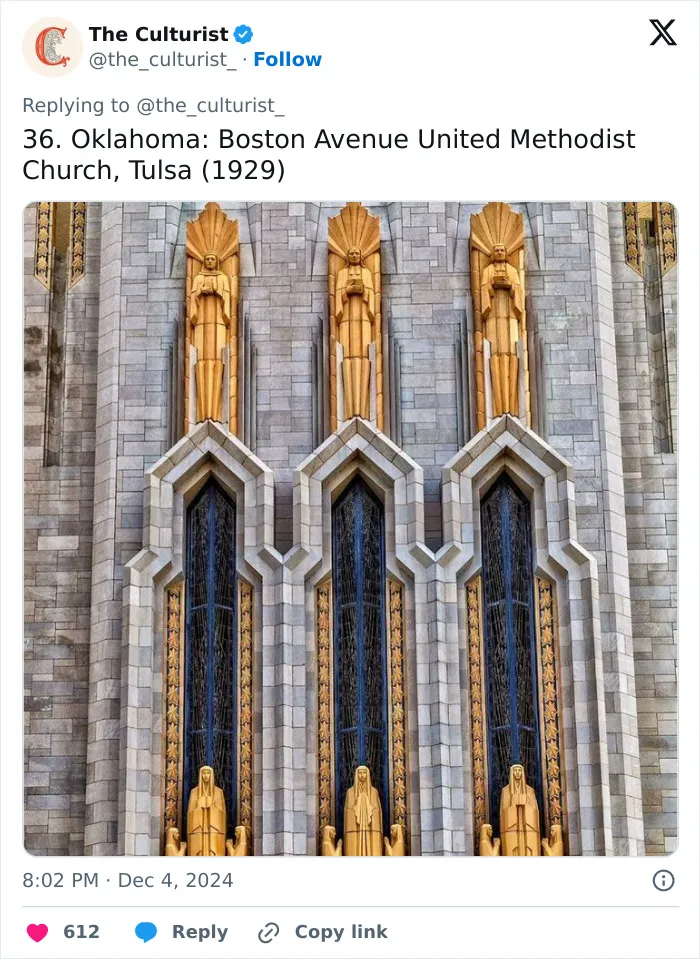
By the time suburbs began expanding in the 20th century, church design started adapting again. Wardell pointed out that new congregations faced a different kind of challenge: how to build churches that felt meaningful in modern settings, surrounded by parking lots and highways instead of village squares. Some turned to contemporary designs with minimalist lines and open layouts, focusing on flexibility and accessibility rather than grandeur.
Even today, that tradition continues. American churches come in every shape and size, from historic stone buildings and repurposed movie theaters to modern glass structures. But as Wardell observed, one thing hasn’t changed: they still serve as focal points for communities, offering connection and belonging in an ever-changing world.