


Grief can be shattering for loved ones left behind. All they have are the memories, and maybe a few sentimental possessions, to remind them of a life once lived. It's not uncommon for people to leave a family heirloom in their last will, so that it can be passed down from generation to generation.
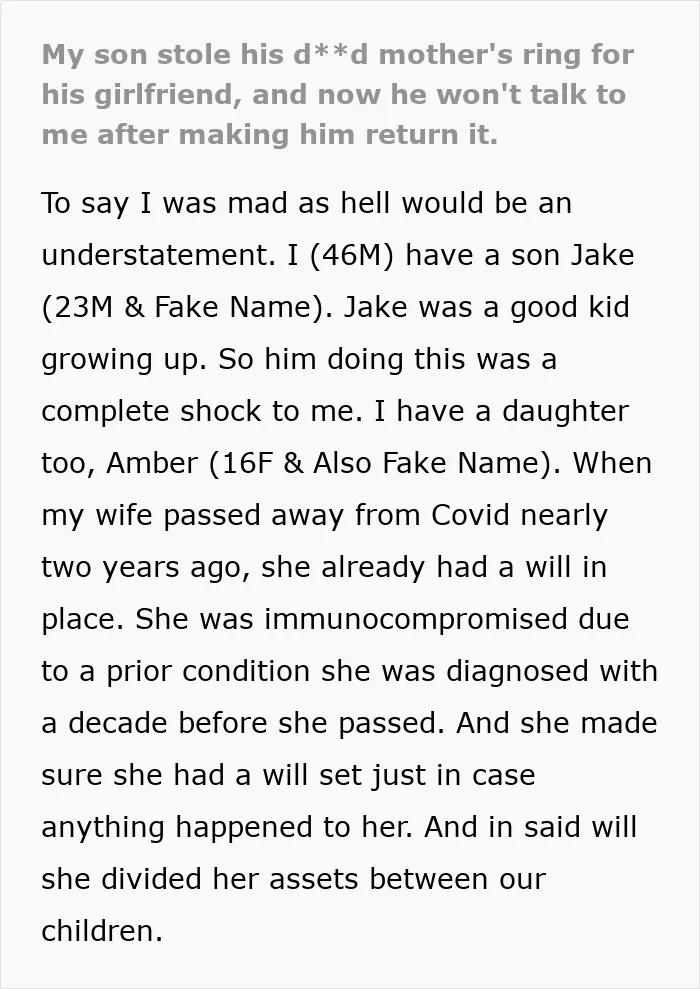
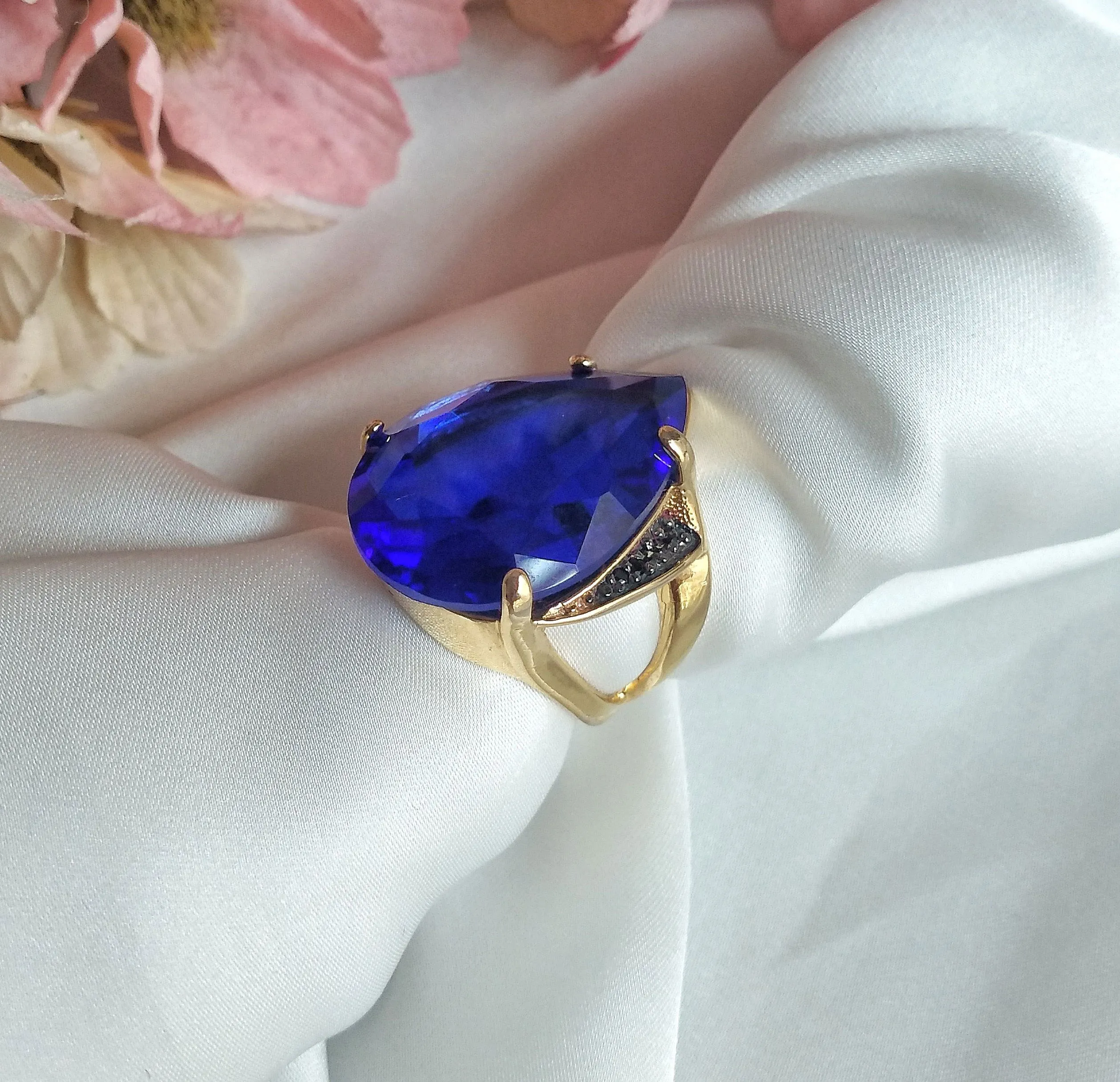
A man says his deceased wife chose to leave money and her car to their son, while she gifted all of her jewelry to their daughter. At first, this wasn't an issue until the son's girlfriend got wind of a valuable vintage gold and sapphire ring that was part of the collection. She fell in love with it, and demanded that it becomes her engagement ring. When the family refused to hand it over, the son stole it. But his marriage proposal didn't take long to backfire.
“A rusty knife in the back" is how one dad describes his son's betrayal

The 23-year-old stole his deceased mother's vintage ring and used it to propose to his "gold digger" girlfriend
"Documented, photographed, reappraised": He provided more info while engaging with netizens

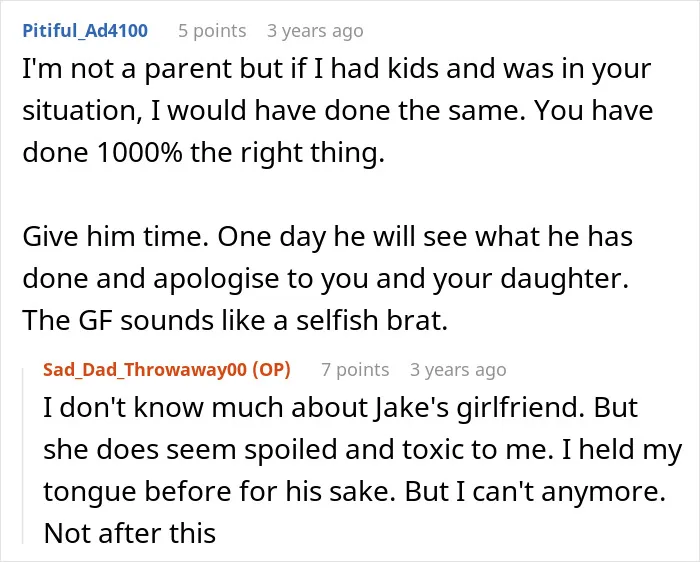
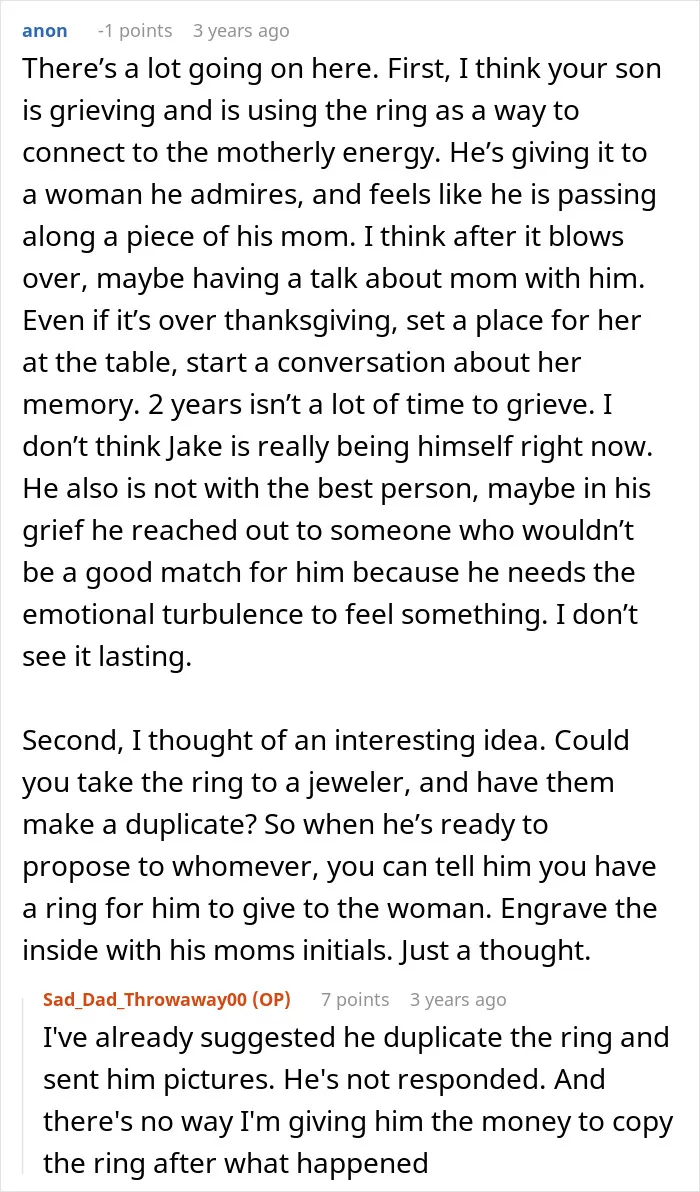
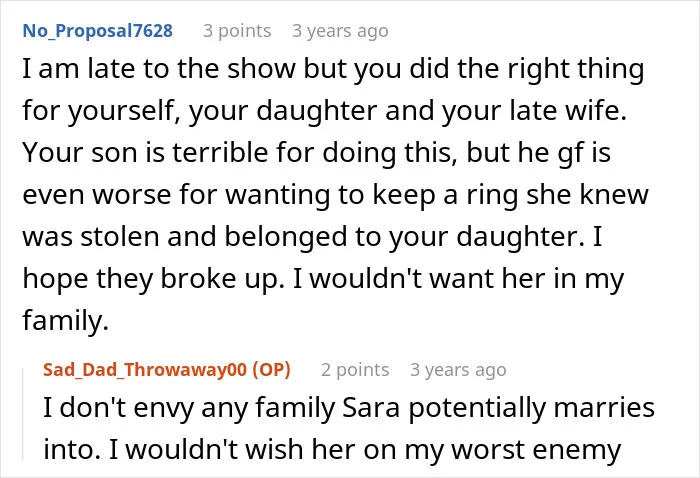
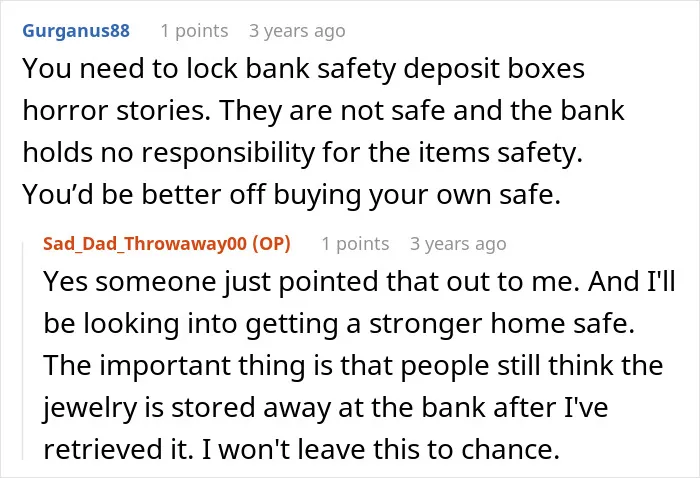
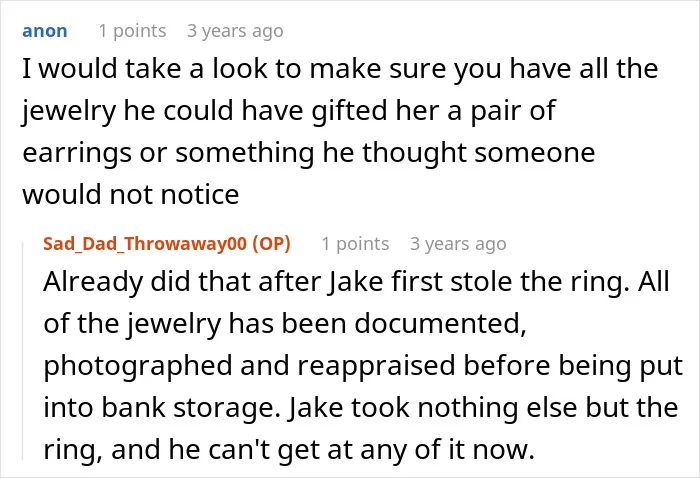
"No morals, no love, no kindness": Many agreed that the dad did the right thing
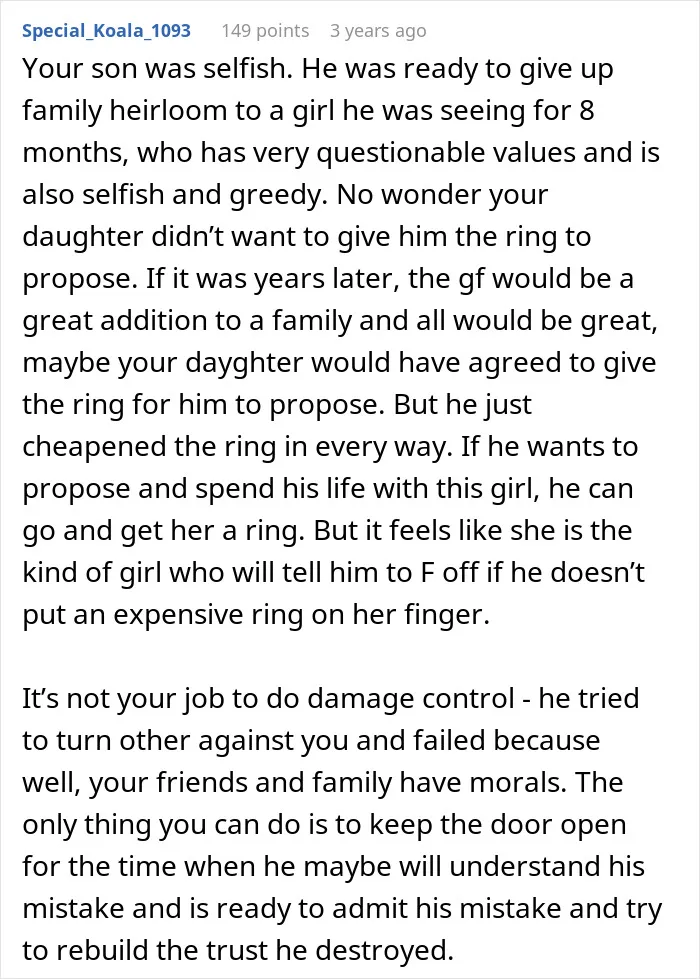

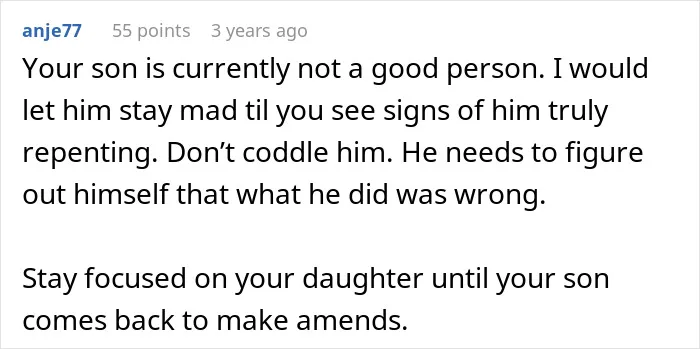
The couple later agreed to have a replica made but things soon went south again




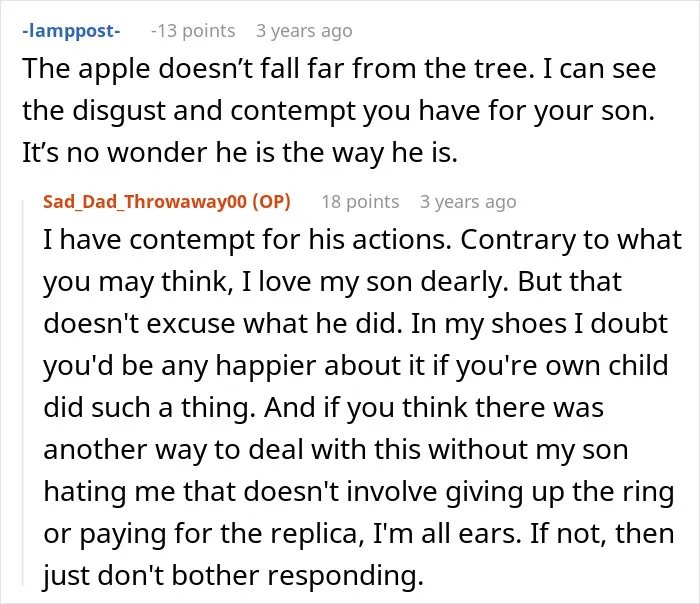
"The apple doesn't fall far from the tree": Not everyone took the dad's side
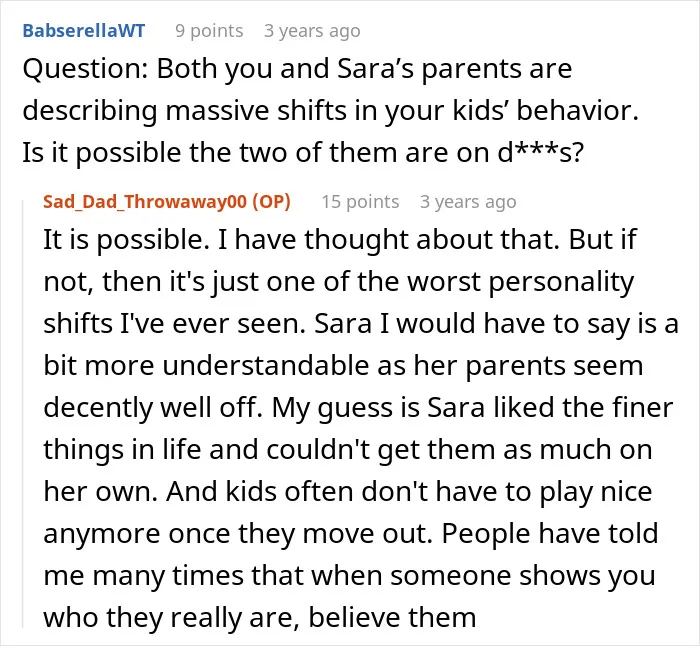
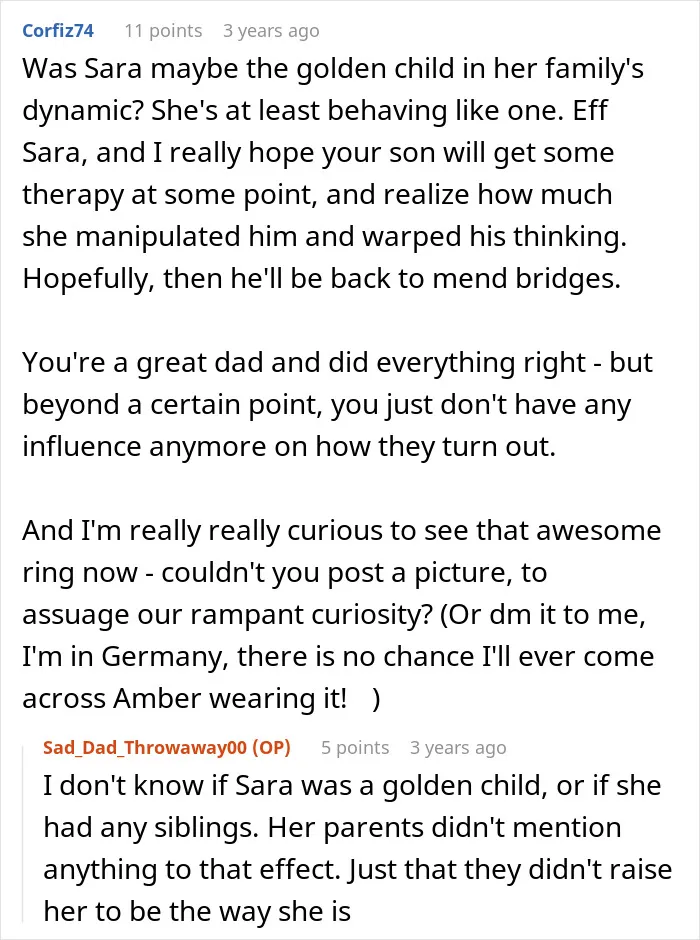
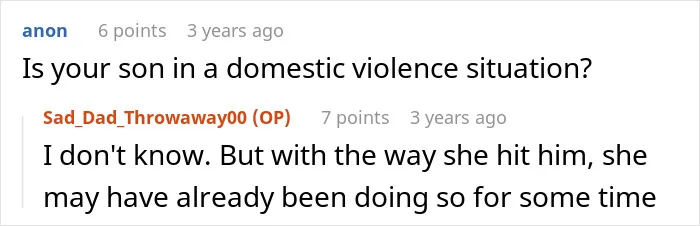
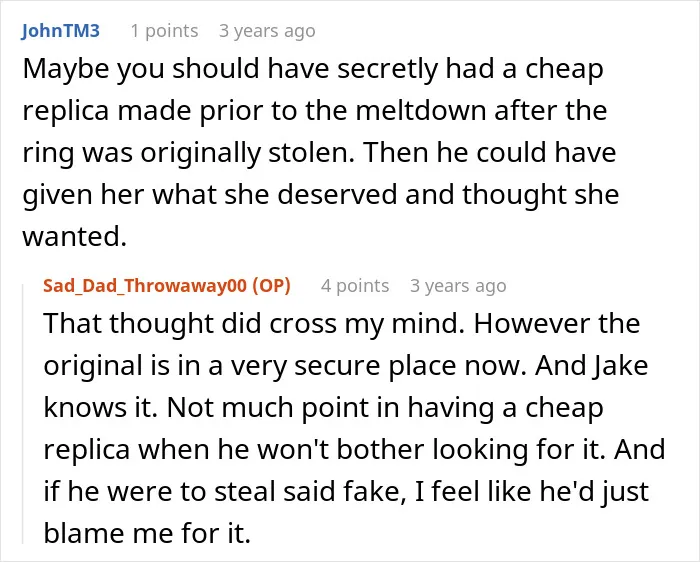
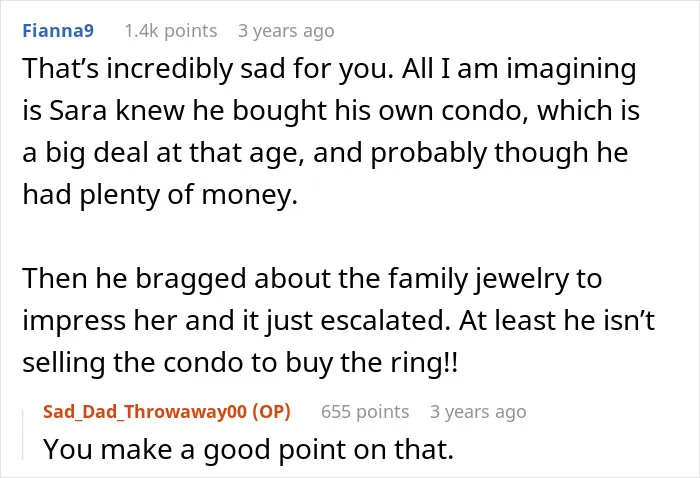
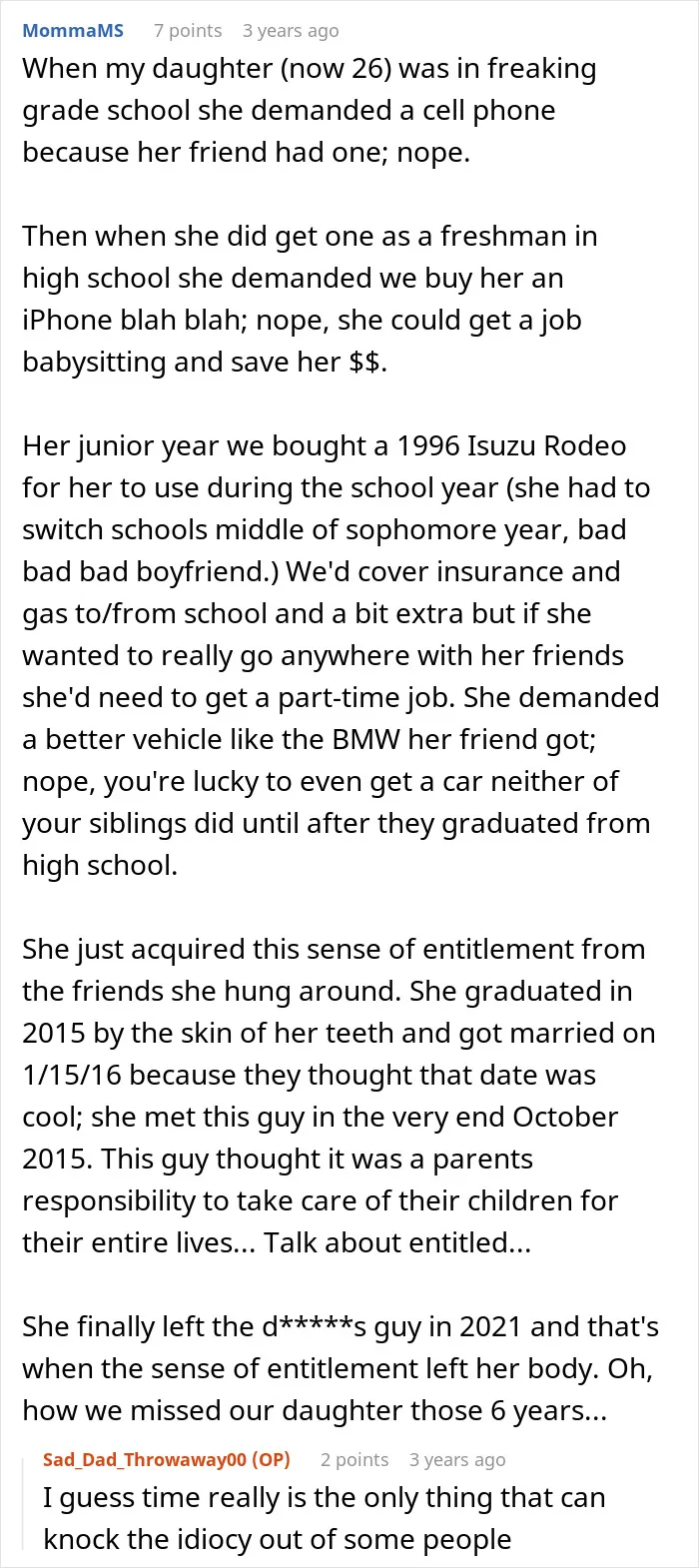
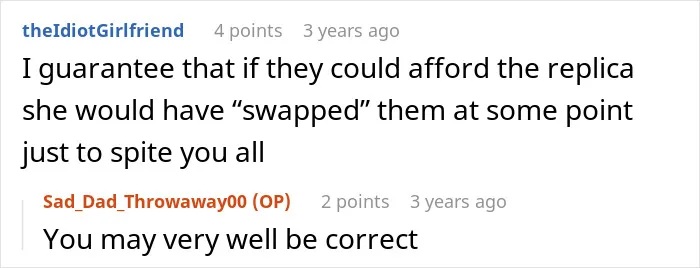
Some felt Sara had been after money from the start

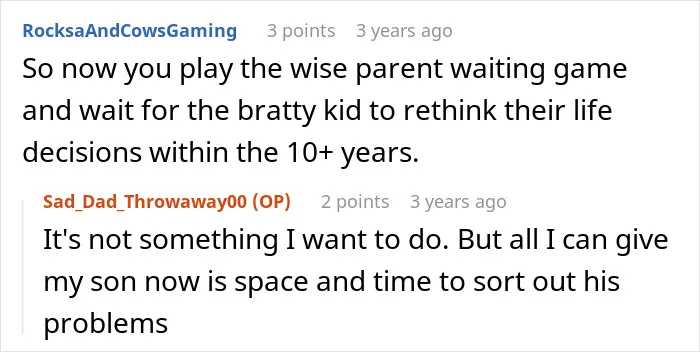
Things took a wild turn when the man bumped into his son's ex at a shopping mall

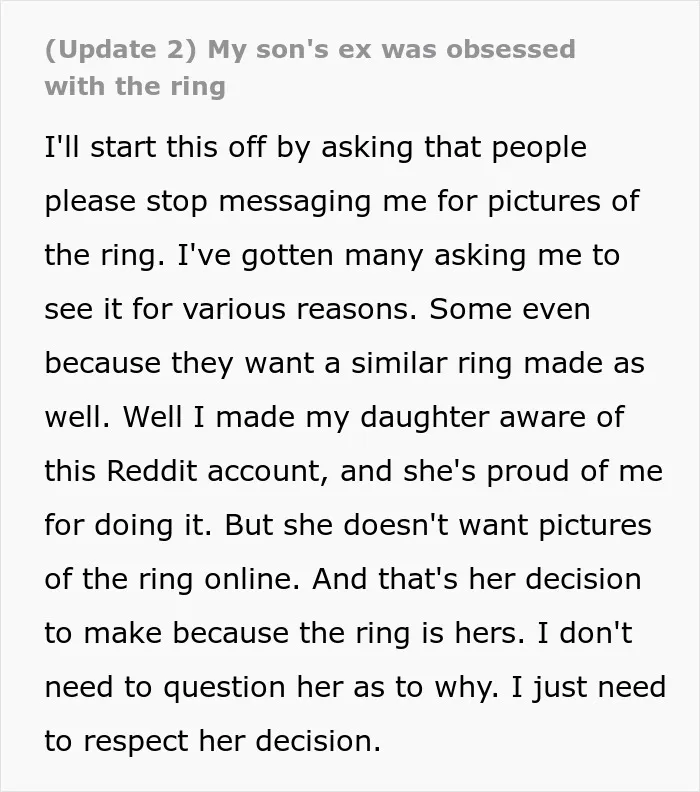
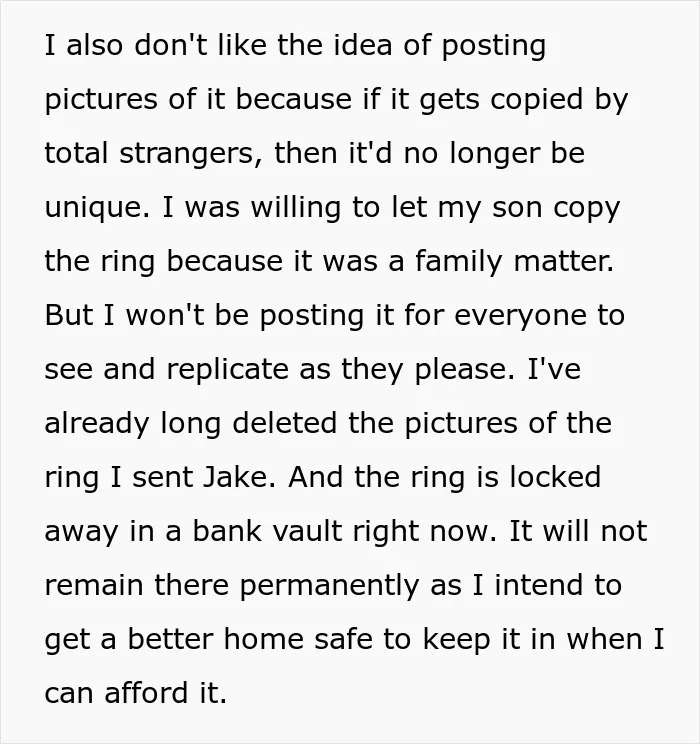
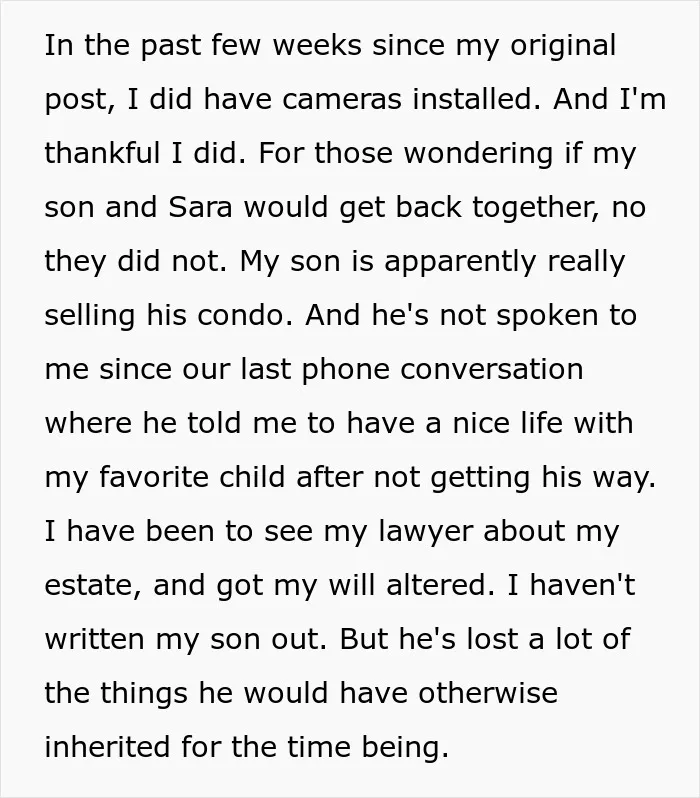

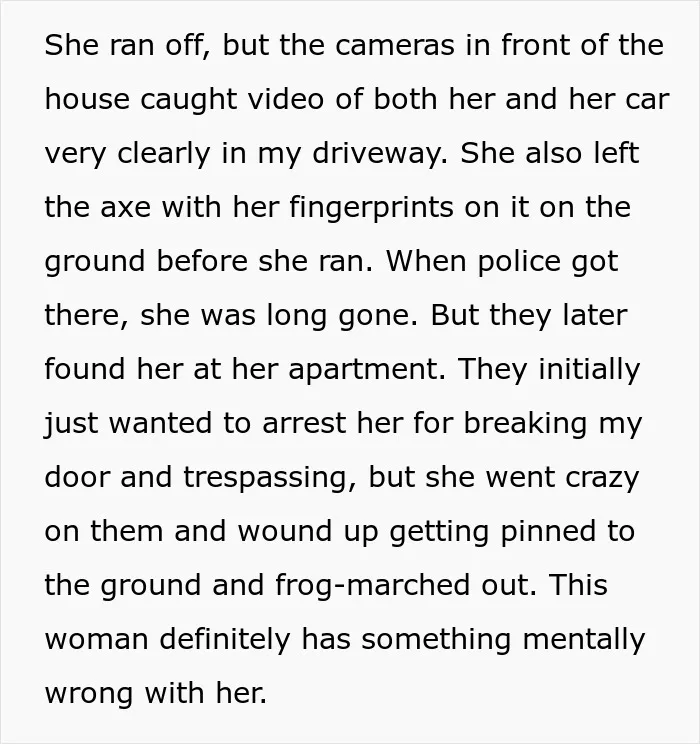
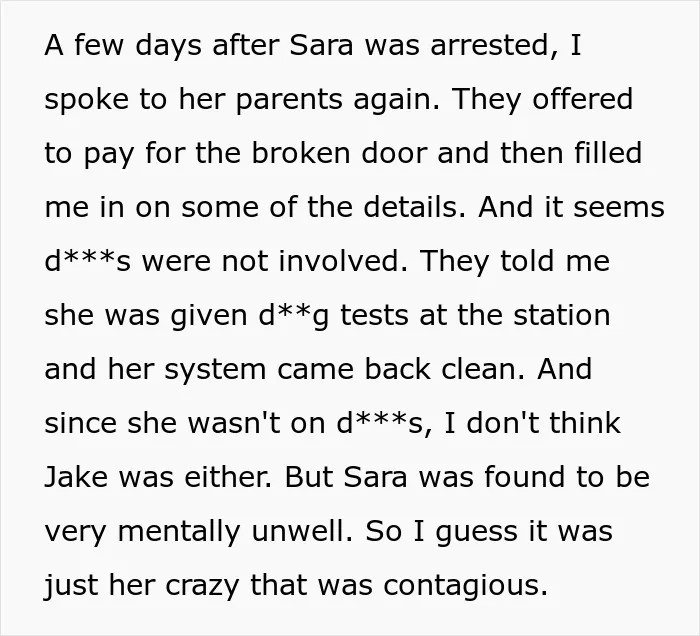

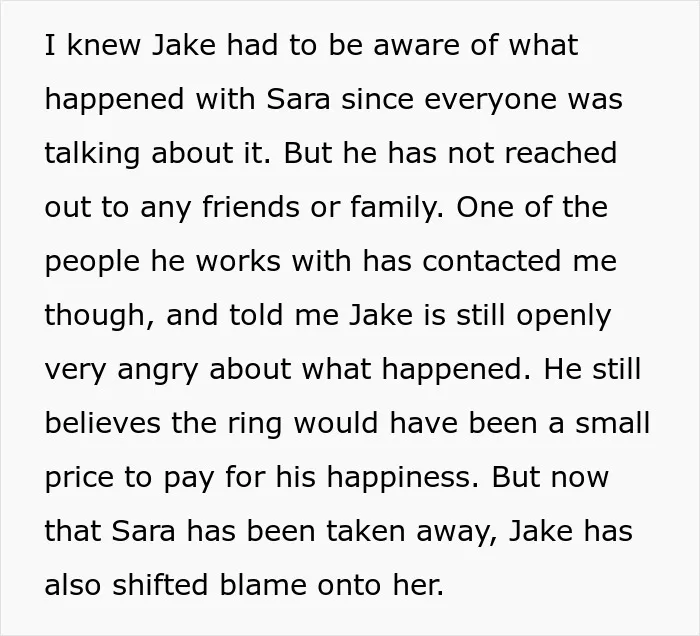

He later provided even more details

Legal experts say often, heirlooms create more chaos among family members than the transfer of assets
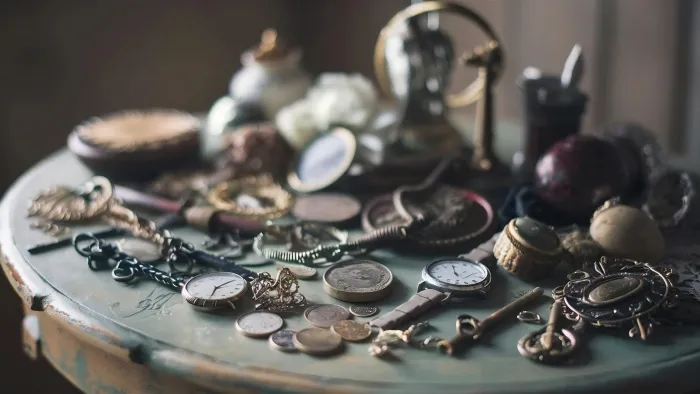
When people draw up their wills, they often pay more attention to things like property, money, and vehicles. But sometimes, the little things cause the most conflict once they’ve passed away.
Family heirlooms and keepsakes don’t always have a high dollar value, but they do have a lot of sentimental value for family members left behind. “Very often the transfer of personal heirlooms or keepsakes creates more chaos among family members than the transfer of assets,” reveals the Parents Estate Planning Law Firm’s site.
According to the law firm, in the legal world, both heirlooms and keepsakes are considered “non-titled personal property.” But each is different.
“Heirlooms are passed down among family members for generations, and the passing of heirlooms sometimes involves traditions. For example, the first daughter to marry inherits grandmother’s heirloom wedding ring,” explains the site. “Keepsakes, on the other hand, are possessions that are given or kept specifically for sentimental or nostalgic reasons, and these items may only get passed on once.”
The legal experts say it’s critical that you don’t overlook this type of property in your estate plan. “The distribution of such items can become a source of intense conflict and strife for those you leave behind,” they warn, adding that your primary goal should always be to maintain harmony among your loved ones after your passing.
It helps to chat to your loved ones about their feelings and expectations regarding your possessions ahead of time. This can help you decide how to distribute things. Another suggestion is to gift the family heirlooms and keepsakes while you're still alive.
"By doing so, you get to personally witness the joy your loved ones experience when they receive the gift, and you can also personally explain the reasons you want each person to have a particular item," the legal experts say. "If your heirlooms and/or keepsakes have a high monetary value, you should keep gift tax issues in mind when you give them away."

"Mentally ill": Some wondered if Sara was okay